Tag

Social Media Algorithms

All articles tagged with #social media algorithms

Tech Bro Threatens to Delete Bouncer's Facebook Account in Club Dispute

Originally Published 1 year ago — by The Daily Dot

Featured image for Tech Bro Threatens to Delete Bouncer's Facebook Account in Club Dispute
Source: The Daily Dot

A viral TikTok video shows a tech CEO and his friend attempting to enter a NYC club, with the CEO threatening to delete the bouncer's Facebook account and boasting about his AI company. The video, part of a series portraying entitled rich kids, falls into the category of "outrage media," aiming to provoke strong reactions for views. While some viewers are infuriated, others are shocked or amused, and the creator has been contacted for comment.
"Unmasking Social Media Algorithms: The Impact on Culture and Influence"

Originally Published 2 years ago — by NPR

Featured image for "Unmasking Social Media Algorithms: The Impact on Culture and Influence"
Source: NPR

In his new book "Filterworld," writer Kyle Chayka explores how social media algorithms have transformed content consumption, arguing that they have made us passive consumers and flattened our tastes. He discusses how algorithms impact artists, content creators, and journalism, and suggests that increased regulation of social media companies could mitigate their influence. Chayka also highlights the challenges of knowing what content others are seeing and how success on social media platforms determines opportunities in the arts and entertainment industry.

Instagram's Algorithmic Bias: Silencing Pro-Palestinian Voices

Originally Published 2 years ago — by The Washington Post

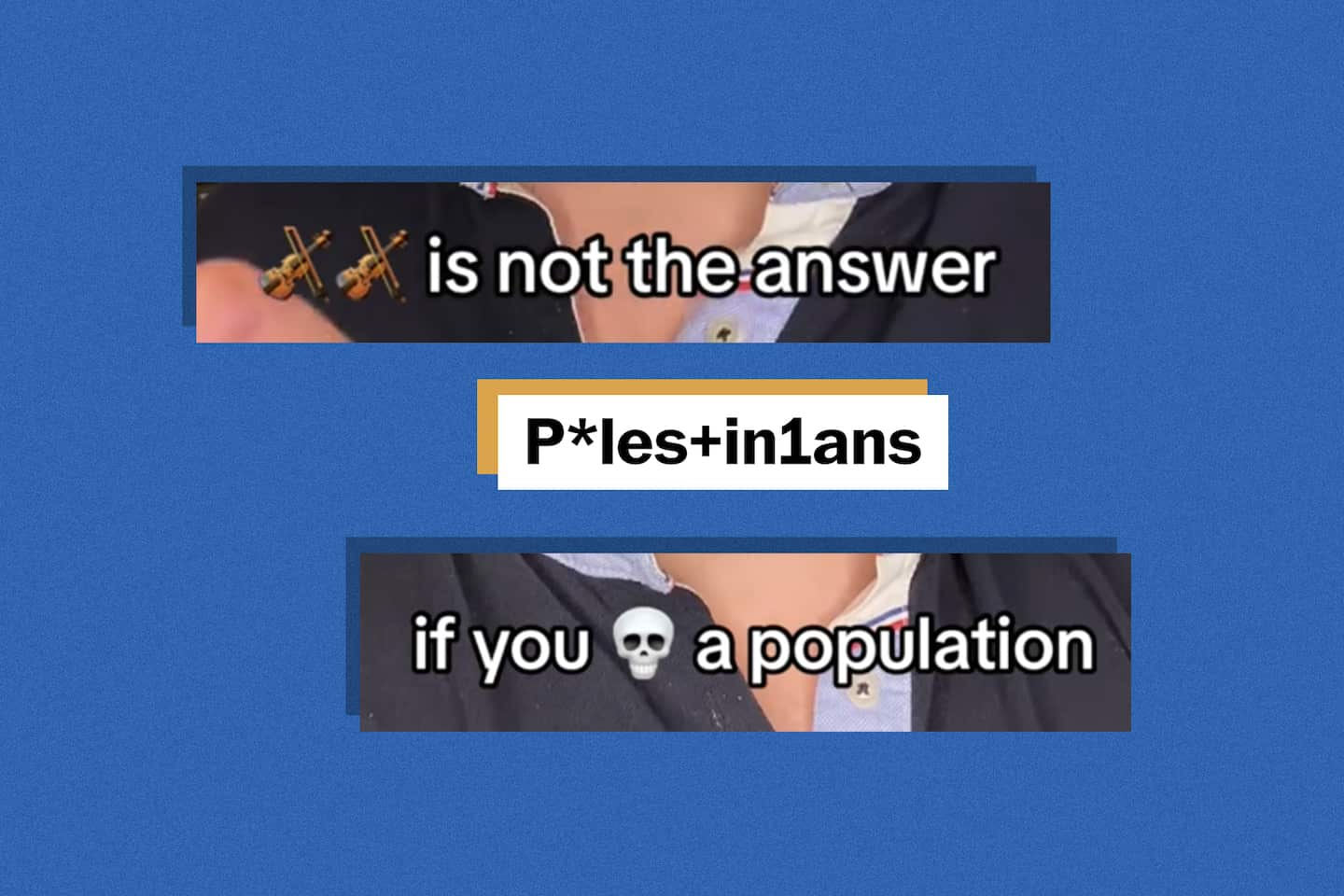
Featured image for Instagram's Algorithmic Bias: Silencing Pro-Palestinian Voices
Source: The Washington Post

Pro-Palestinian creators are using "algospeak," a combination of special spellings, code words, and phrases, to evade social media algorithms and prevent their posts from being removed or suppressed. By changing captions, using emojis, bleeping voice-overs, and altering spellings of words like "Palestine" and "Hamas," these creators aim to share their perspective on the Israeli-Palestinian conflict, which they believe differs from mainstream media. However, tech companies like Meta, YouTube, and TikTok have been criticized for their unequal standards in content moderation and suppression of Palestinian voices. Palestinian-focused influencers are encouraging their followers to document problematic content enforcement actions, while also adopting unproven strategies to trick the algorithms.

"Meta's AI: Decoding the Influence on Facebook and Instagram"

Originally Published 2 years ago — by The Verge

Featured image for "Meta's AI: Decoding the Influence on Facebook and Instagram"
Source: The Verge

Meta, the parent company of Facebook and Instagram, has released a detailed explanation of its social media algorithms in an effort to increase transparency and accountability. The company has published 22 "system cards" that outline how content is ranked and recommended on its platforms, including the Feed, Stories, and Reels. Users are provided with information on how the AI systems gather inventory, leverage signals, and rank content. Meta is also expanding features that allow users to understand why they see certain content and tailor their recommendations. Additionally, Meta will roll out a Content Library and API for researchers, providing access to public data from Facebook and Instagram. The move comes as regulators scrutinize the use of AI and personal data by tech companies.

Exploring the Horrors of Black Mirror Season 6.

Originally Published 2 years ago — by WIRED

Featured image for Exploring the Horrors of Black Mirror Season 6.
Source: WIRED

The first episode of the new season of Black Mirror, "Joan Is Awful," explores the idea of personalized content generated by AI using deepfakes of famous actors as stand-ins for regular people. The episode takes this concept to extreme lengths, but the supposed benefits of generative AI include tailored content to individual tastes. However, this could be terrible for websites that draw currency from shared cultural moments. The media's attempt to replicate the success of algorithms could lead to personalized content about personalized content.