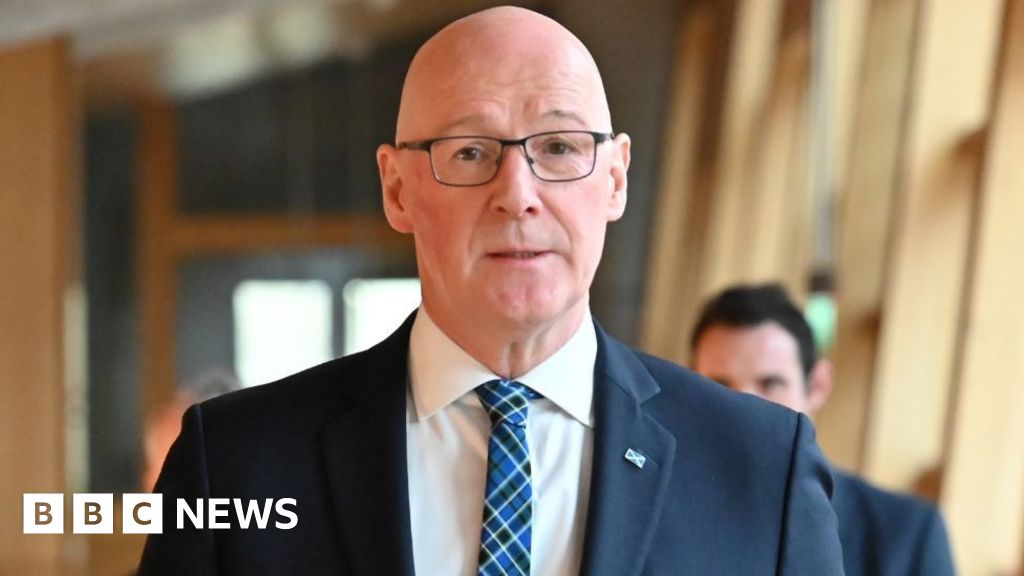
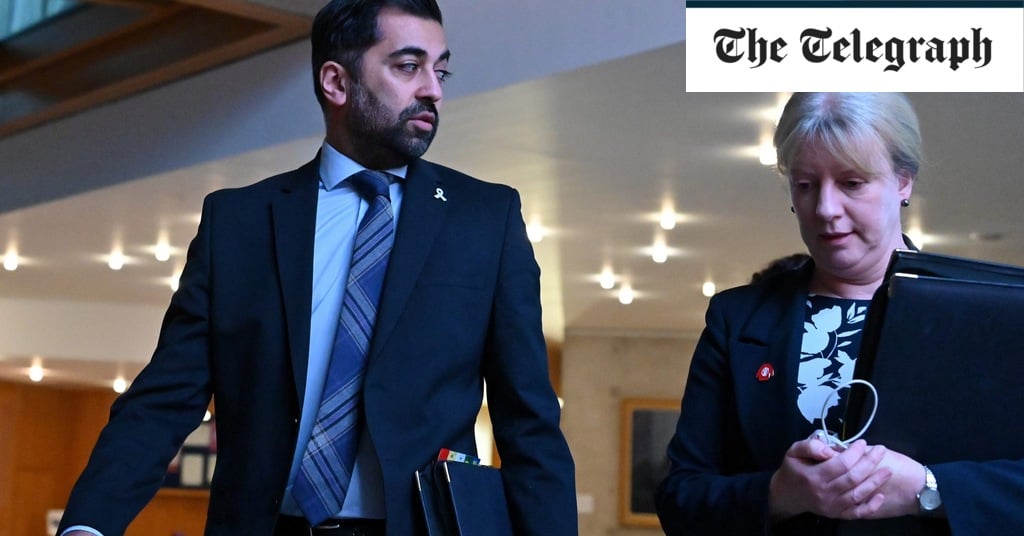
Scottish First Minister John Swinney condemned reports of a staff member secretly recording an SNP MSP, calling the conduct completely unacceptable, amid claims of bugging in late 2023, with the SNP emphasizing staff management is a matter for individual MSPs and the Scottish Parliament.
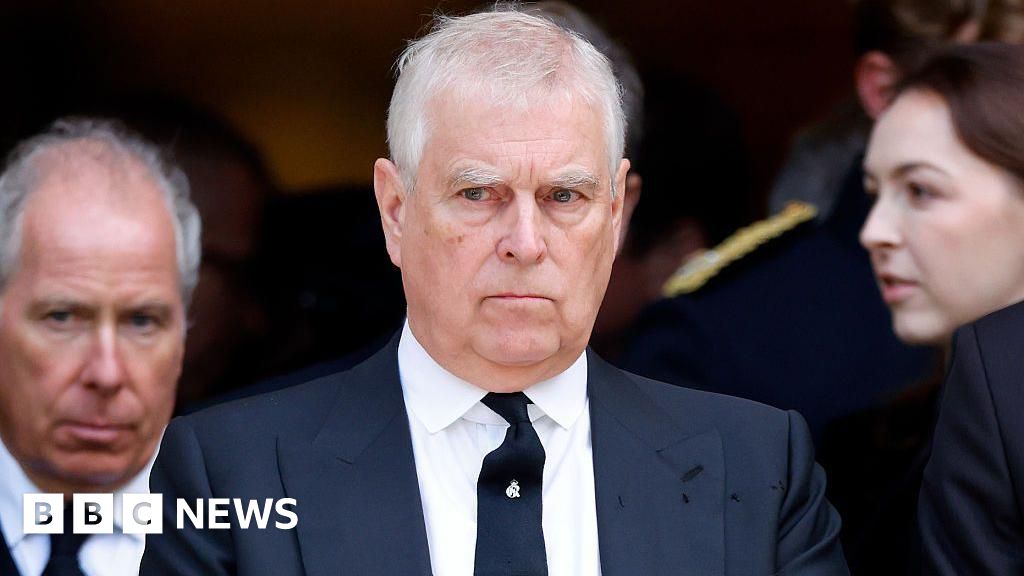
The SNP has called on the UK government to formally strip Prince Andrew of all his titles through legislation, amid ongoing controversy related to his association with Jeffrey Epstein, with some political figures suggesting the Royal Family prefers to handle the matter privately.
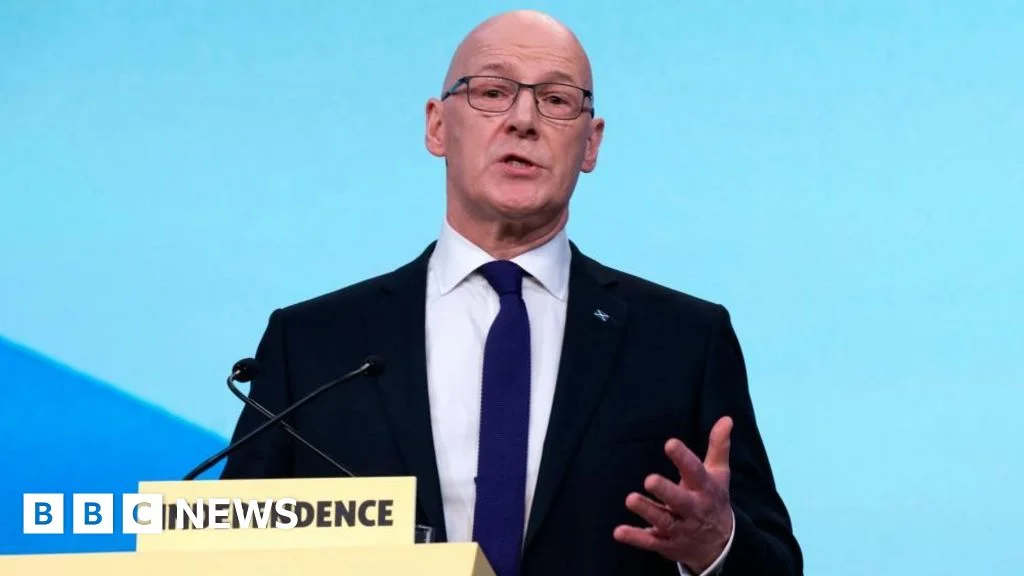
The SNP has experienced significant turmoil over the past year but is now showing signs of stability and competitiveness ahead of the Scottish Parliament elections, with potential to secure a majority and push for another independence referendum, amidst a highly fragmented political landscape in Scotland.
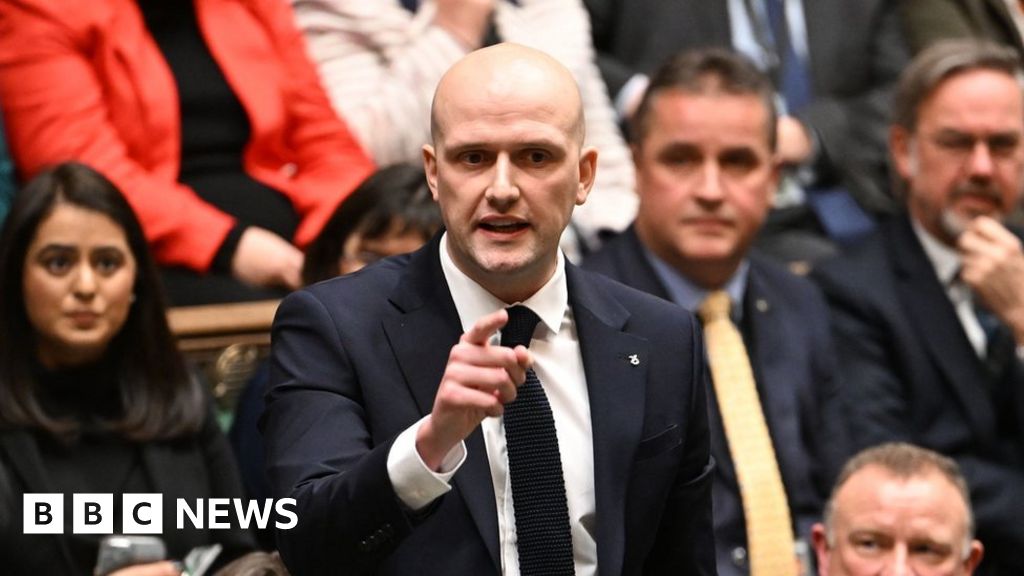
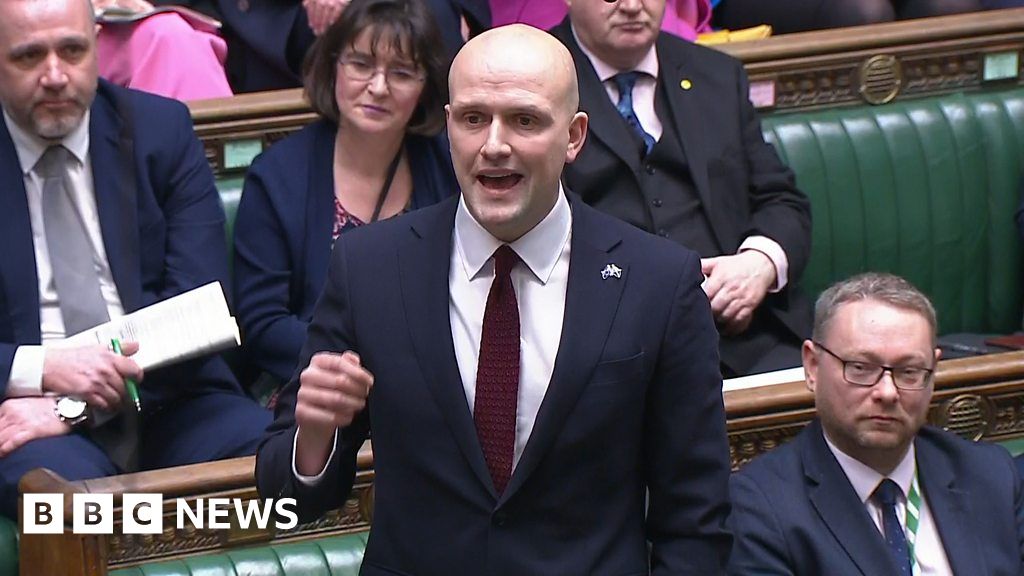
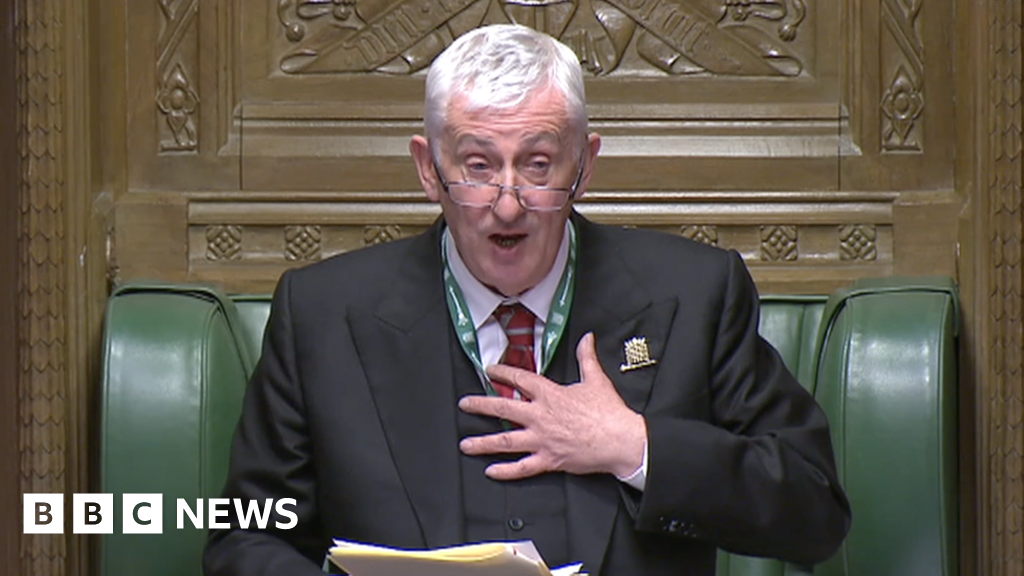
The SNP plans to push for another Commons debate on Gaza following the chaotic vote on the conflict, prompting heightened scrutiny of Commons Speaker Sir Lindsay Hoyle's handling of the situation. The SNP wants to apply for an emergency debate on a motion setting out "concrete actions" the UK could take to promote a ceasefire at the United Nations, potentially putting pressure on the government to take a firmer pro-ceasefire stance. This comes after uproar in the Commons when Sir Lindsay allowed a vote on a Labour amendment to the SNP's ceasefire motion, leading to accusations of playing "party politics" with the vote.
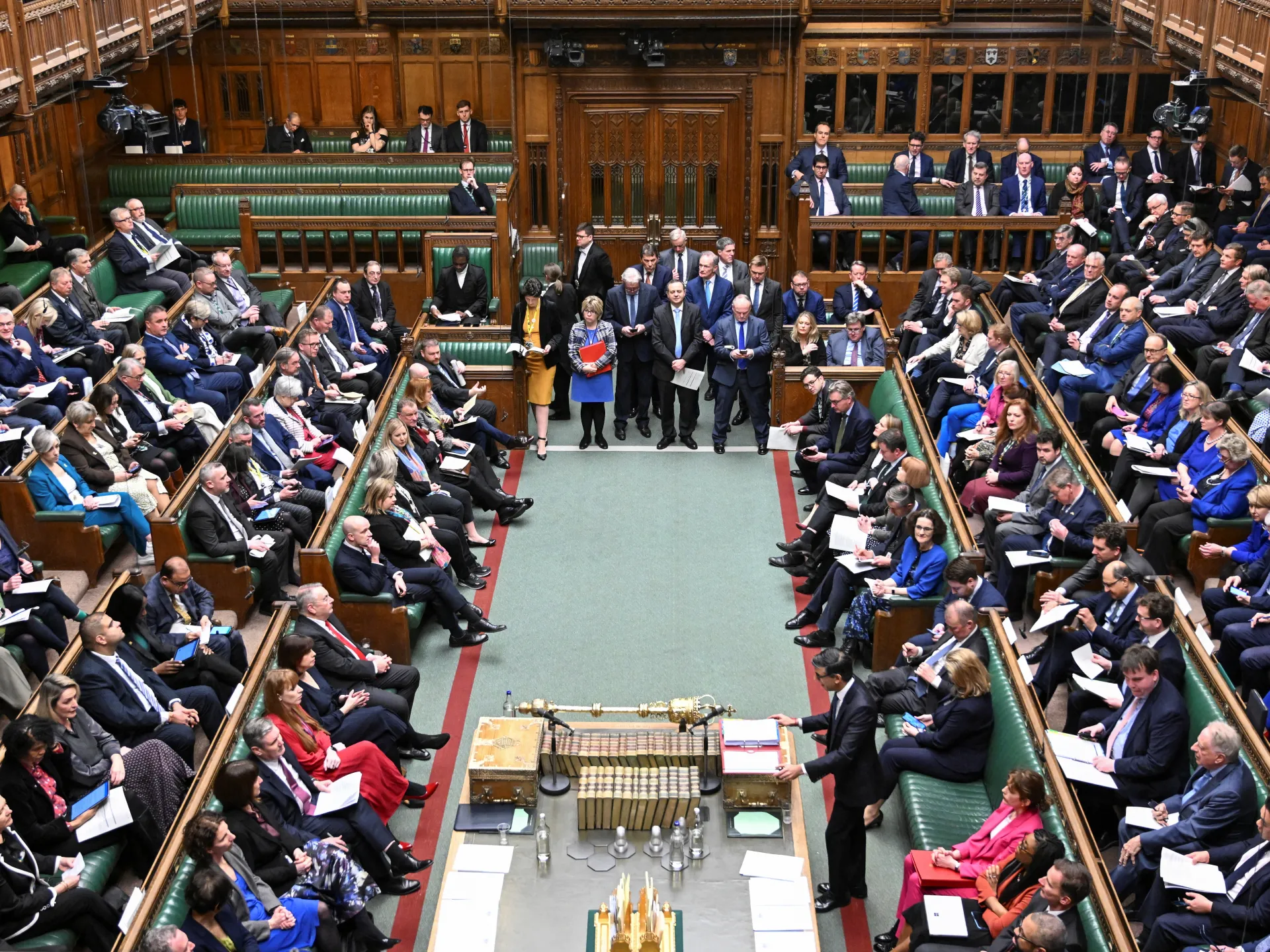
Chaos erupted in the House of Commons during an SNP opposition day debate on a Gaza ceasefire, with MPs expressing anger and confusion after Speaker Sir Lindsay Hoyle broke convention by choosing both the government and Labour Party's amendments to an SNP motion. The SNP and Tory MPs walked out of the Commons, and tensions rose as calls for a ceasefire in Gaza were debated.
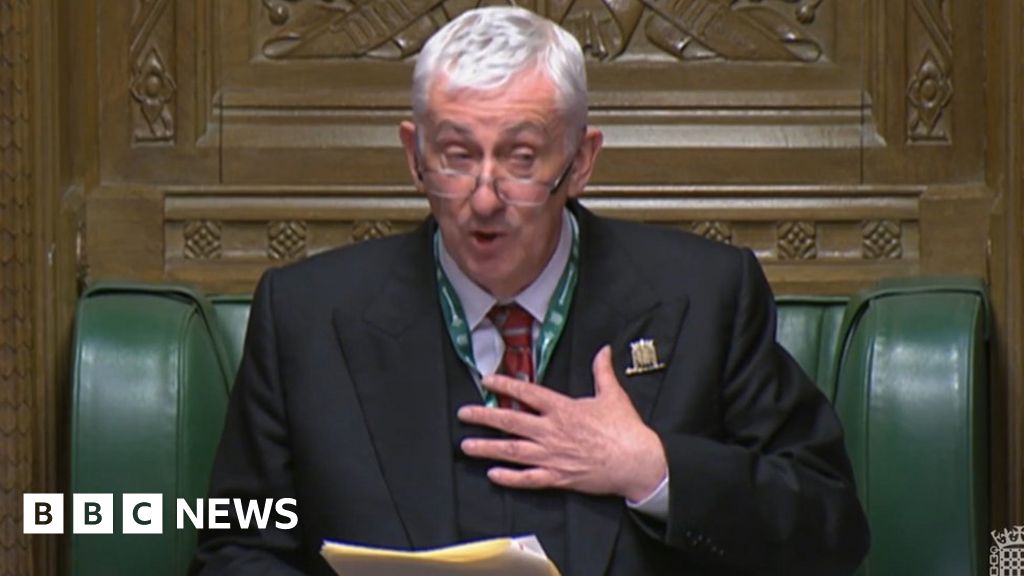
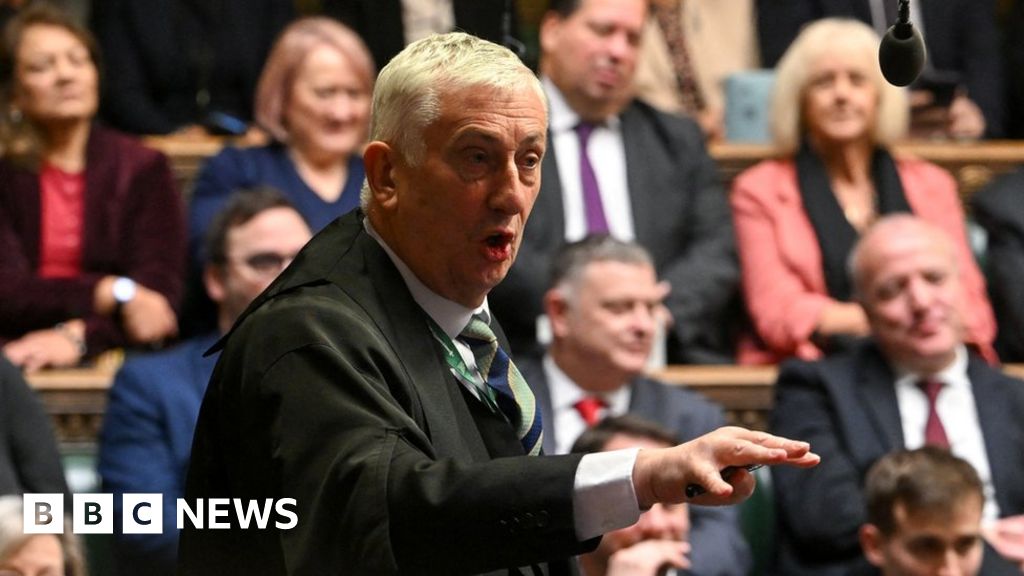
The row over Commons Speaker Sir Lindsay Hoyle unfolded after he allowed a vote on a Labour amendment to an SNP motion regarding the Israel-Gaza war, sparking fury among SNP and Conservative MPs. This led to chaos in the chamber, with Conservative MPs walking out in protest and SNP MPs also leaving. Sir Lindsay apologized and offered an emergency debate on the conflict in Gaza, but faces calls for a confidence vote from the SNP and criticism from Conservative and Labour figures.
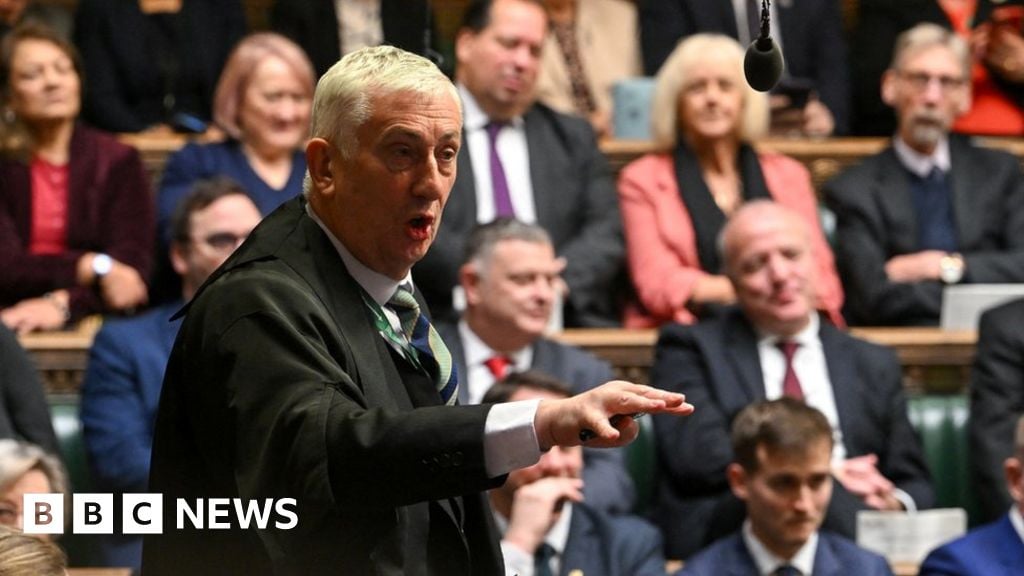
Commons Speaker Sir Lindsay Hoyle is facing pressure to resign over his handling of a vote on Gaza, with the SNP calling for a vote on his future and 37 Conservative MPs signing a motion of no confidence. The chaos ensued after Sir Lindsay allowed a vote on a Labour amendment during an SNP debate, leading to accusations of playing "party politics" and allowing Parliament to be intimidated. While some MPs have criticized his decision, others have backed him, emphasizing his concern for MPs' safety.
Commons Speaker Sir Lindsay Hoyle faces accusations of playing "party politics" by allowing a vote on Labour's Gaza ceasefire motion, sparking fury from SNP and Conservative MPs. The move led to acrimony in the Commons, with some calling for Sir Lindsay to resign. The row erupted during a debate allocated to the Scottish National Party, with Labour tabling an amendment that limited a potential rebellion. Sir Lindsay later apologized but faces calls to quit, with some MPs expressing no confidence in him.
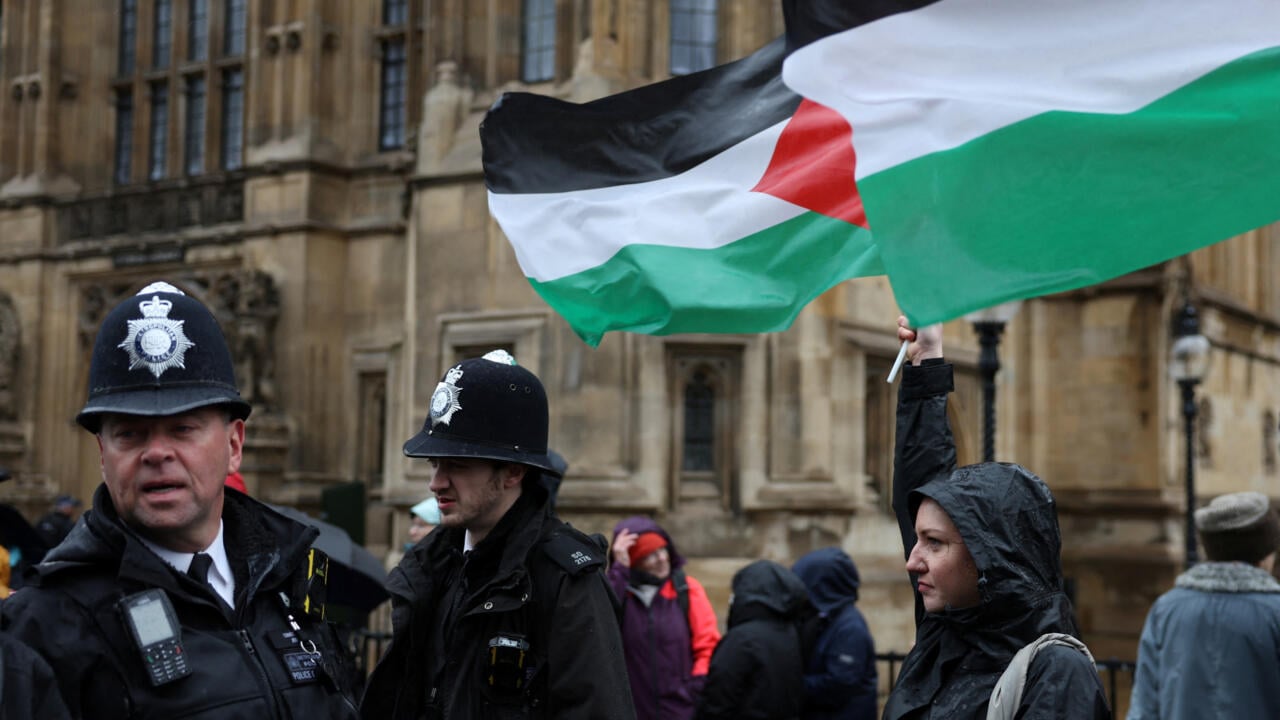
A Commons debate on a Gaza ceasefire turned chaotic as the Speaker allowed a vote on a Labour motion, angering the SNP and Conservatives. The SNP's motion for an immediate ceasefire was not voted on, leading to MPs walking out in protest. The Speaker apologized for his handling of the situation, but faces pressure from MPs who have declared no confidence in him. The debate took place as pro-Palestinian demonstrators gathered outside Parliament, and Labour avoided a potential rebellion over its position on Gaza.
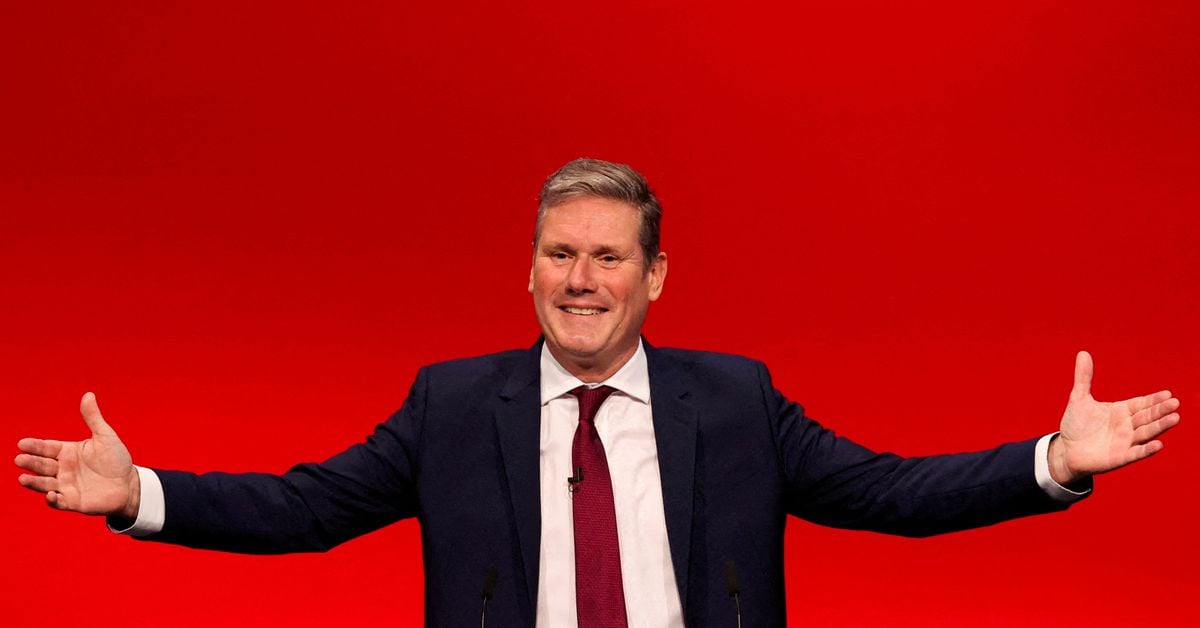
Dozens of UK lawmakers stormed out of parliament as tempers flared over a vote on a Gaza ceasefire, with the speaker allowing a vote that helped the opposition Labour Party avoid a rebellion. The uproar followed a decision to allow a vote on a range of views due to concerns about lawmakers' security. The debate was initiated by the SNP, with Labour and the Conservatives proposing amendments. The outcome, not binding on the British government, had the potential to cause problems for Labour leader Keir Starmer, who is keen to present his party as united.
UK Parliament Speaker Lindsay Hoyle faced criticism for his handling of a key vote on support for a Gaza ceasefire, with the government and SNP condemning his actions. The debate led to chaos as Hoyle allowed a vote on a Labour amendment to an SNP motion, breaking precedent and avoiding a potential split within the Labour Party. The decision drew anger from some MPs, leading to a motion expressing no confidence in the speaker. Hoyle later apologized, denying favoritism, but the incident overshadowed the crucial debate on the Gaza ceasefire.
A row has erupted in the UK Commons after Speaker Lindsay Hoyle allowed MPs to vote on a Labour motion regarding the Israel-Hamas conflict, prompting anger from SNP and Conservative MPs. Labour's amendment calls for an "immediate humanitarian ceasefire," defusing a potential rebellion within the party. The decision led to jeers from SNP MPs, with one calling it "absolutely ridiculous." The government has also tabled its own amendment supporting Israel's "right to self-defence" and urging negotiations for a ceasefire.
Humza Yousaf should accept the court's decision and abandon his fight for the gender reform Bill, as it would incur significant legal costs and is unlikely to succeed. The SNP's sensible wing is increasingly disinterested in supporting Yousaf's cause, while the Scottish Greens are adamant about continuing the fight. However, opinion polls show that the original gender reform proposals are unpopular with voters, and many SNP MPs and MSPs would prefer to surrender on this issue rather than engage in costly litigation.
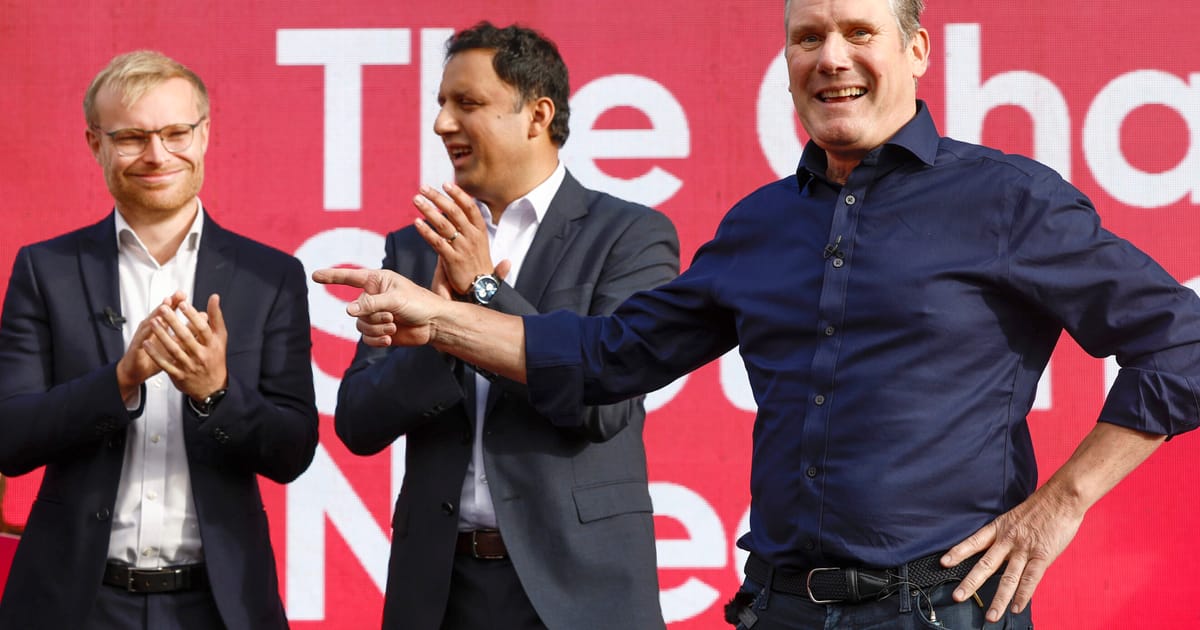
Scottish Labour has gained a significant victory in the Rutherglen and Hamilton West by-election, winning by a clear 31 percentage point margin over the Scottish National Party (SNP). This unexpected win has renewed hopes for Scottish Labour, with experts suggesting that the party could potentially replace the SNP as Scotland's largest party in the next UK-wide general election. While the by-election result is promising, it is important to note that extrapolating general election results from by-elections can be challenging due to low turnout and local factors. Nonetheless, Scottish Labour's recovery under leader Anas Sarwar has been steady, and winning more than 20 seats in Scotland would greatly enhance Labour leader Keir Starmer's chances of winning a Westminster majority.
Britain's Labour Party achieved a significant victory in a Scottish parliamentary by-election, surpassing expectations and raising hopes of unseating the Scottish National Party (SNP) in the upcoming UK-wide vote next year. Labour leader Keir Starmer hailed the result as "seismic" and a clear message for change. The by-election was called after SNP lawmaker Margaret Ferrier was stripped of her seat for breaking COVID-19 rules. Labour candidate Michael Shanks secured a swing of 20% from the SNP, indicating a potential political comeback for Labour in Scotland. Polls suggest Labour could draw level with or even surpass the SNP in Scottish seats.