Samsung SmartThings becomes the first smart home platform to support Matter 1.5, adding compatibility for Matter-enabled cameras and expanding its ecosystem, which enhances security, user choice, and developer convenience, with products expected to roll out starting March 2026.
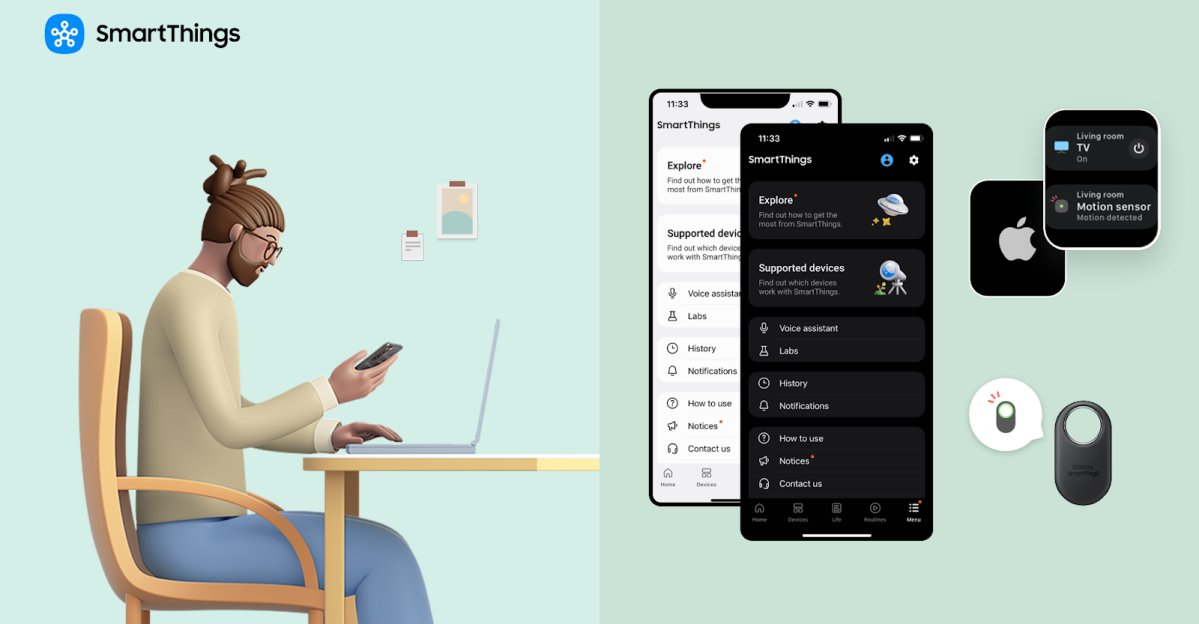
Samsung's SmartThings platform is getting new features including natural language routines, scheduling options, and enhanced app controls, aimed at simplifying home automation. These updates include a Routine Creation Assistant that allows users to create automations via simple phrases, new scheduling features, and improved app controls on Apple Watch. Additionally, Samsung is expanding its Virtual Home feature, enhancing its Find service, and broadening device setup in more countries, making smart home management more accessible and user-friendly.
Samsung TV will remove Google Assistant from existing televisions due to a Google policy change, prompting the company to suggest SmartThings, Bixby, or Amazon Alexa as alternatives. While Samsung cited a Google policy change, Google Assistant still works with other brands like LG, which recently strengthened its partnership with Google. The removal will affect all 2020 and 2021 smart TV models, and Samsung did not provide further details on the policy changes. Meanwhile, Google is launching new changes in March, including integrating the Assistant with Bard, its large language model chatbot, to rival ChatGPT.
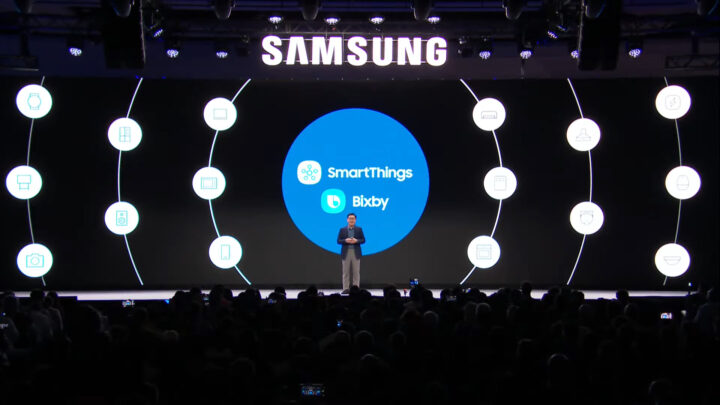
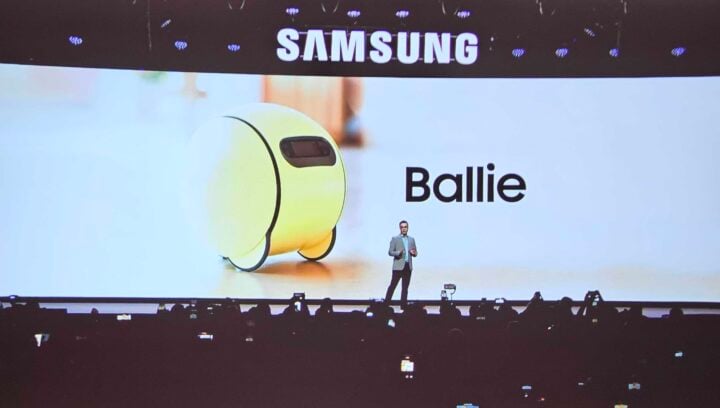
Samsung is making significant moves with its SmartThings platform, as showcased at CES 2024, aiming to challenge the dominance of Apple, Amazon, and Google in the smart home market. The company is integrating SmartThings into its TVs and appliances, introducing AI upgrades for laundry and kitchen products, and unveiling Ballie, a physical robot AI assistant. With its diverse product portfolio and established reputation, Samsung is poised to make a strong push in the connected home market in 2024.
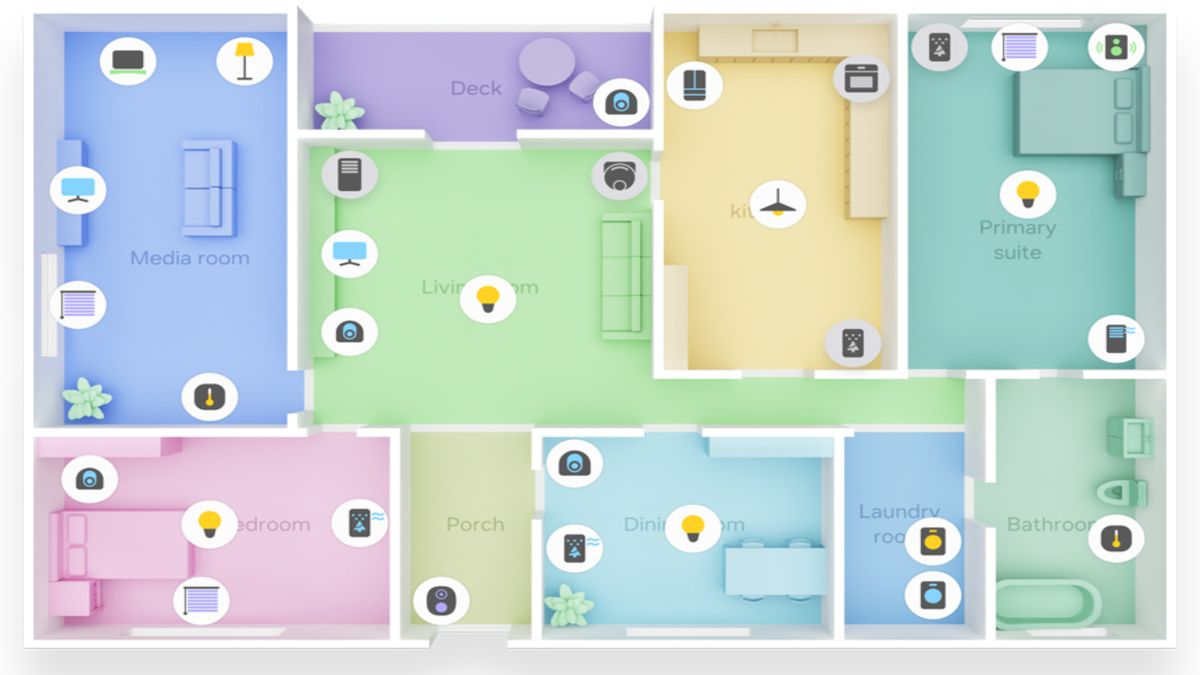
Samsung unveiled its new SmartThings Map View feature at CES 2024, allowing users to create an interactive floor plan of their homes and easily monitor and control smart home devices with a single tap. This upgrade streamlines controls by providing a visual representation of device locations and statuses. It improves upon Amazon's Map View by offering multiple sources for creating floor plans and accessibility from various devices. Additionally, Samsung introduced AI characters for a more intuitive experience and SmartThings Together for sharing smart home devices and automations with others.
Samsung is enhancing its ecosystem by integrating Spatial AI into Bixby and SmartThings, allowing Bixby to direct voice commands to the most appropriate SmartThings device based on the user's location and activity. This feature, powered by Multi Device Wakeup and Spatial AI, enables seamless interaction with multiple smart devices in a room. Additionally, Spatial AI helps understand living spaces and routines, while the 3D Map View and QR code sharing further enhance the smart home experience.
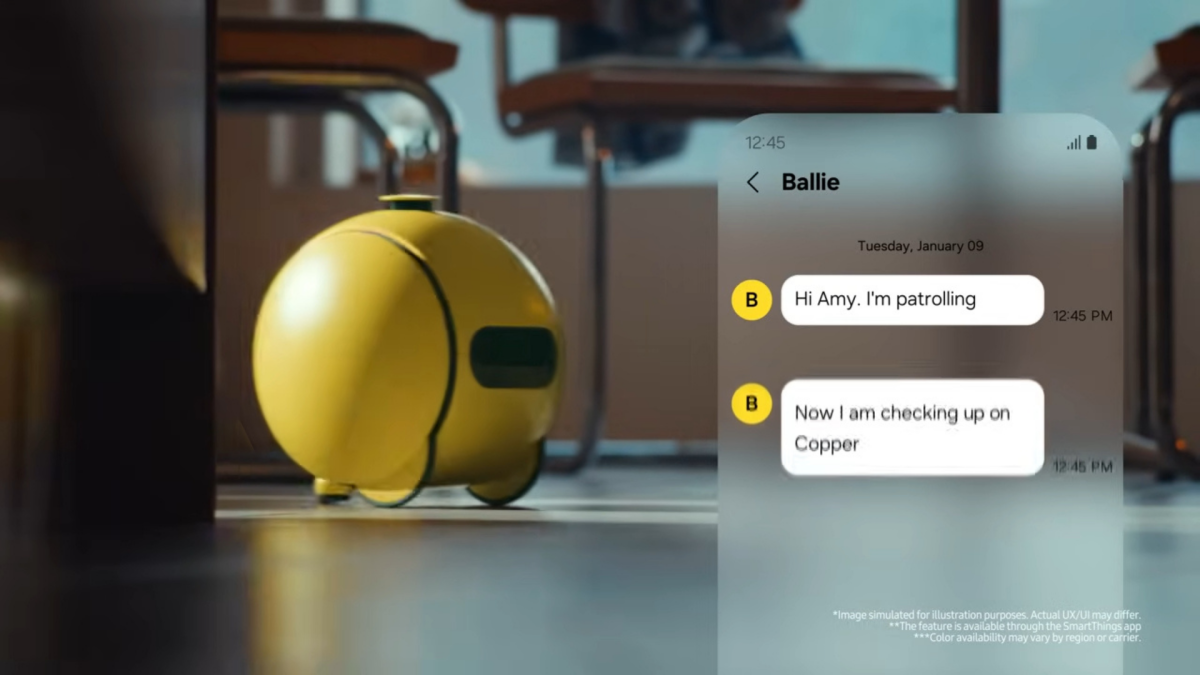
Samsung has unveiled a redesigned version of its rolling AI robot, Ballie, at CES 2024. The new Ballie is larger, has wheels, and features a built-in projector, serving as a personal home assistant capable of managing home appliances and devices connected to the SmartThings platform. It can also entertain pets, play music, project workout videos, and learn from user habits to provide personalized services. The release date and pricing for the new Ballie have not been disclosed yet.
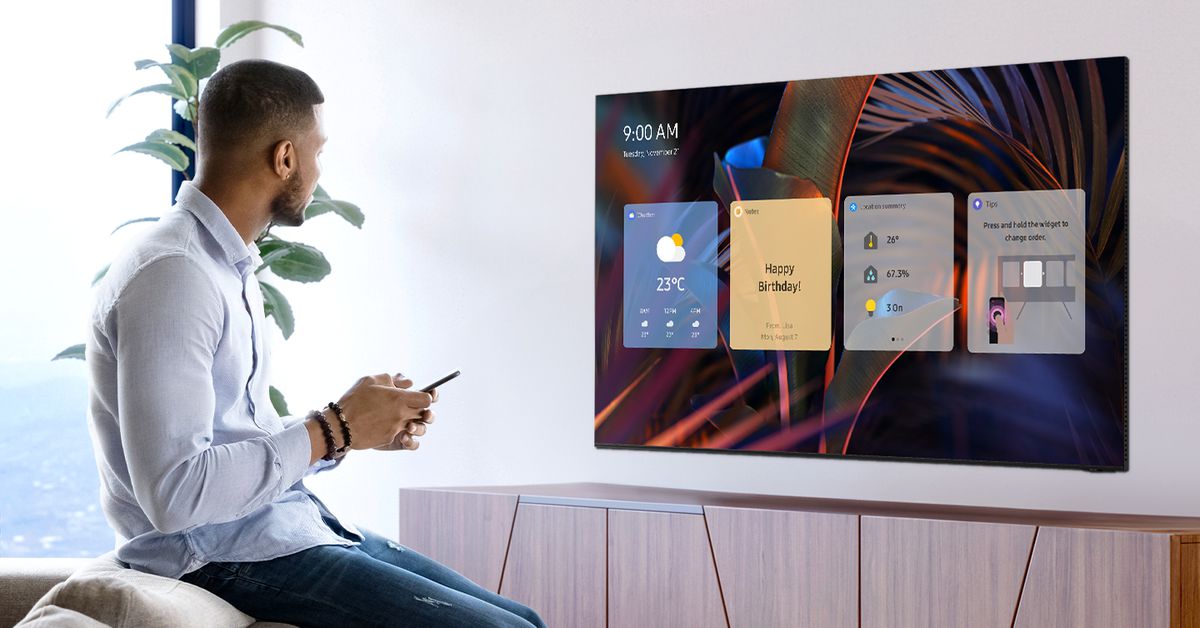
Samsung unveiled new features for its SmartThings home automation platform at CES 2024, including a Now Plus dashboard for select Samsung TVs, a "map view" showing the location of smart home devices, and AI characters representing family members and pets. The interactive maps can be created manually or automatically with the help of a photo or lidar-enabled Samsung devices, and will be accessible on supported Samsung TVs, the Family Hub smart fridge, and M8 monitors.
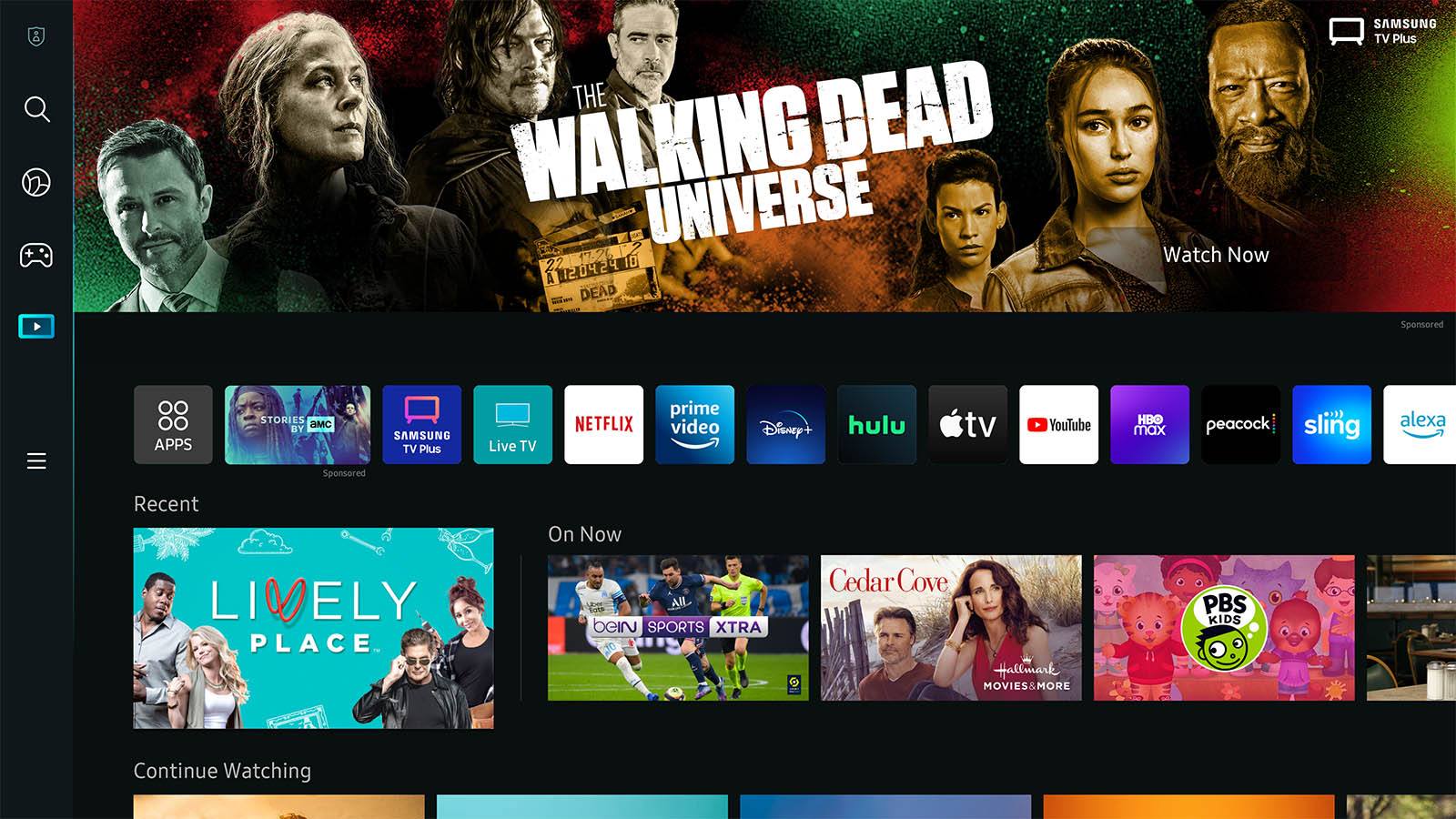
Samsung is transforming its TVs into central hubs for smart home control by introducing a new dashboard screen called Now Plus, a more intuitive interface with map view, and AI characters for SmartThings. The TVs will display information about smart home devices and allow users to control functions such as lights and locks. Samsung's Ballie home robot, initially unveiled in 2020, may also make a comeback at CES 2024, offering potential assistance in scanning homes and generating floor plans.
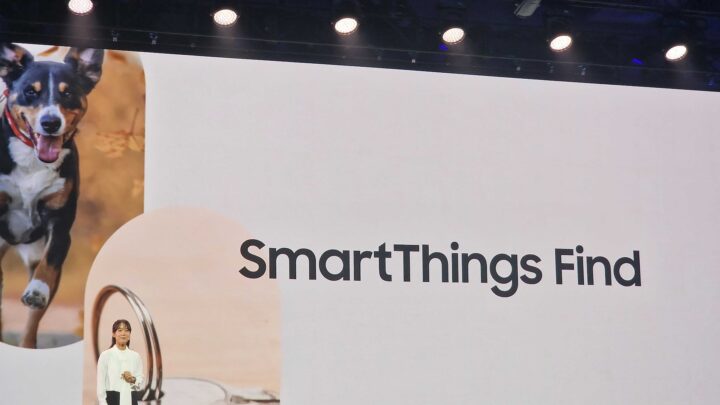
In an interview, Jaeyeon Jung, Executive Vice President at Samsung Electronics and Head of the SmartThings Team, discussed the evolution of the SmartThings platform. The platform now supports Matter, enabling compatibility with thousands of smart devices. Samsung's collaboration with the Home Connectivity Alliance brings greater control for users, and the company's sound bars will work as hubs, expanding coverage and reliability. The platform also offers a new SDK and enhanced API for partners to extract more value and incorporate SmartThings Home AI. Challenges in building the SmartThings Find network included optimizing battery life and managing a distributed system with over 300 million active nodes. The SmartThings Find feature is closely tied to the Samsung ecosystem and not currently planned for integration within core Android. The new Map Full View feature aims to make the smart home more accessible, and the design change for the Galaxy SmartTag2 was based on customer feedback. SmartThings Station has received positive responses, and future iterations will focus on supporting Matter, Thread, and Wi-Fi, with no immediate plans for Z-Wave support.
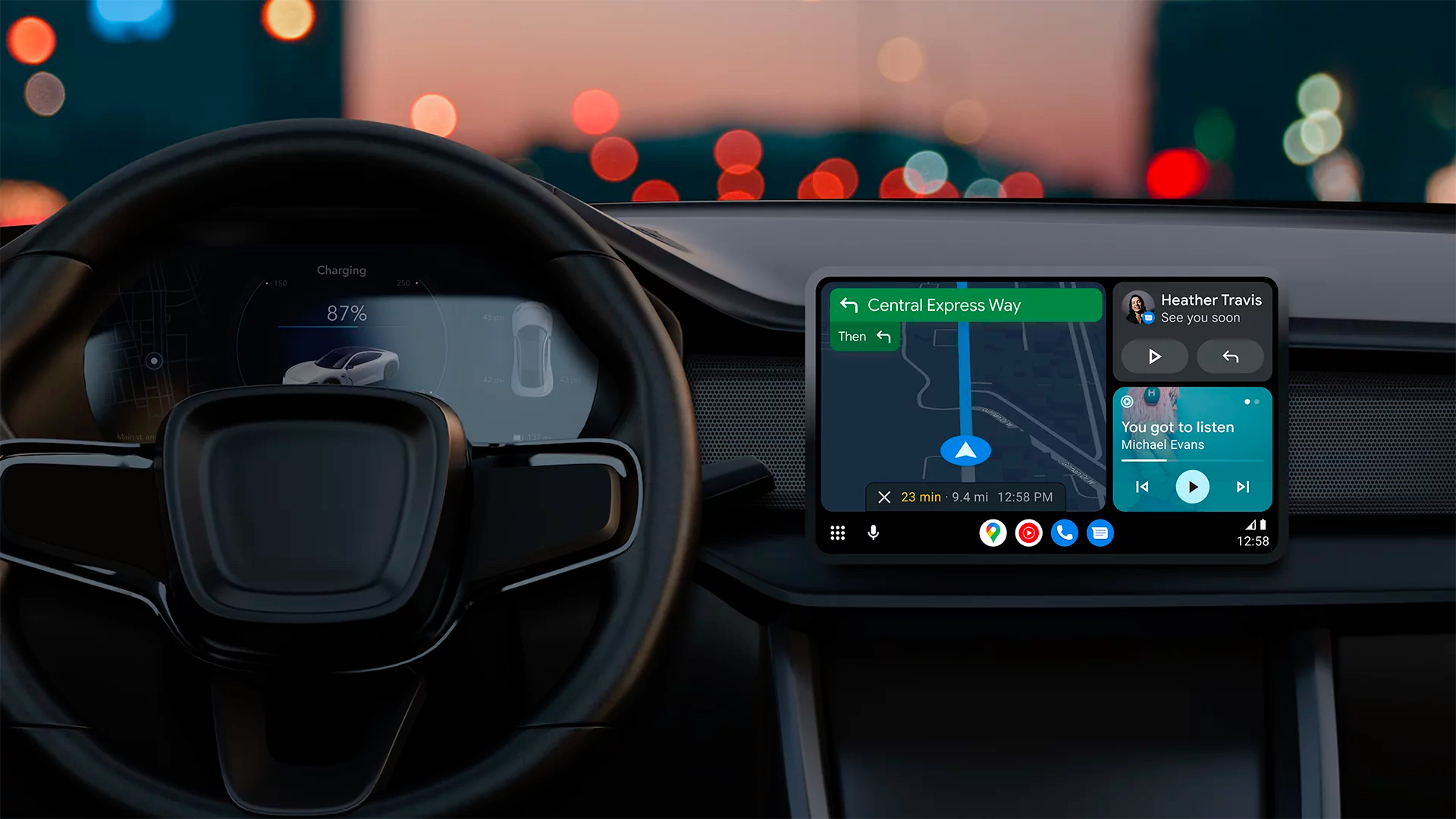
Google has opened up Android Auto to more IoT apps, allowing users to control their smart home products from their car's touchscreen. The new update to the Car App Library will support a new category for IoT apps, which will have a grid-based layout for easier smart controls. Developers can use driving-optimized app design templates for Android for Cars App Library, and car owners can download IoT apps from Google Play.