The Galaxy S26 is expected to feature UFS 4.1 storage supported by the new Snapdragon 8 Elite Gen 5 chipset, promising faster data access and improved responsiveness, potentially making it a performance leader among flagship smartphones.
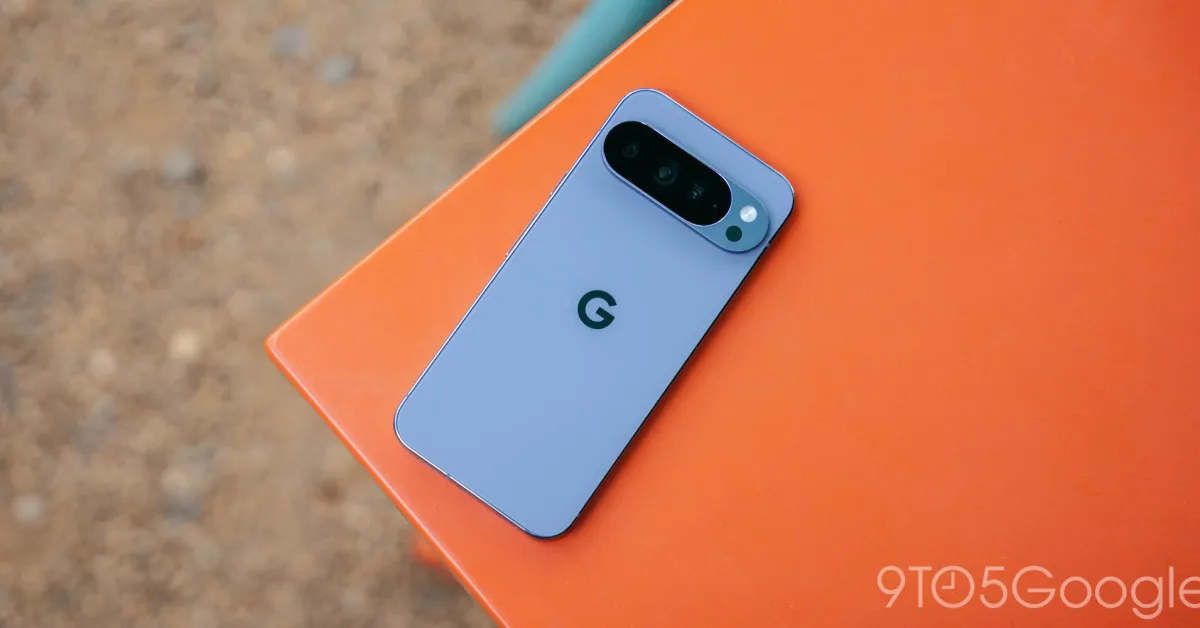
Google's Pixel 10 with Tensor G5 focuses on AI and user experience rather than raw power, moving to TSMC for more custom chips, but still lags behind competitors in performance and price, raising questions about its value and future updates.
The Snapdragon 8 Elite Gen 5 is rumored to feature performance cores reaching 4.61GHz, with higher-binned versions hitting 4.74GHz, and an Adreno 840 GPU clocked at 1.20GHz. It is claimed to achieve over 4 million in AnTuTu scores, representing a 50% increase over its predecessor, indicating significant performance improvements for upcoming flagship smartphones, especially the Galaxy S26 series. The Snapdragon Summit on September 23 is expected to reveal more details.
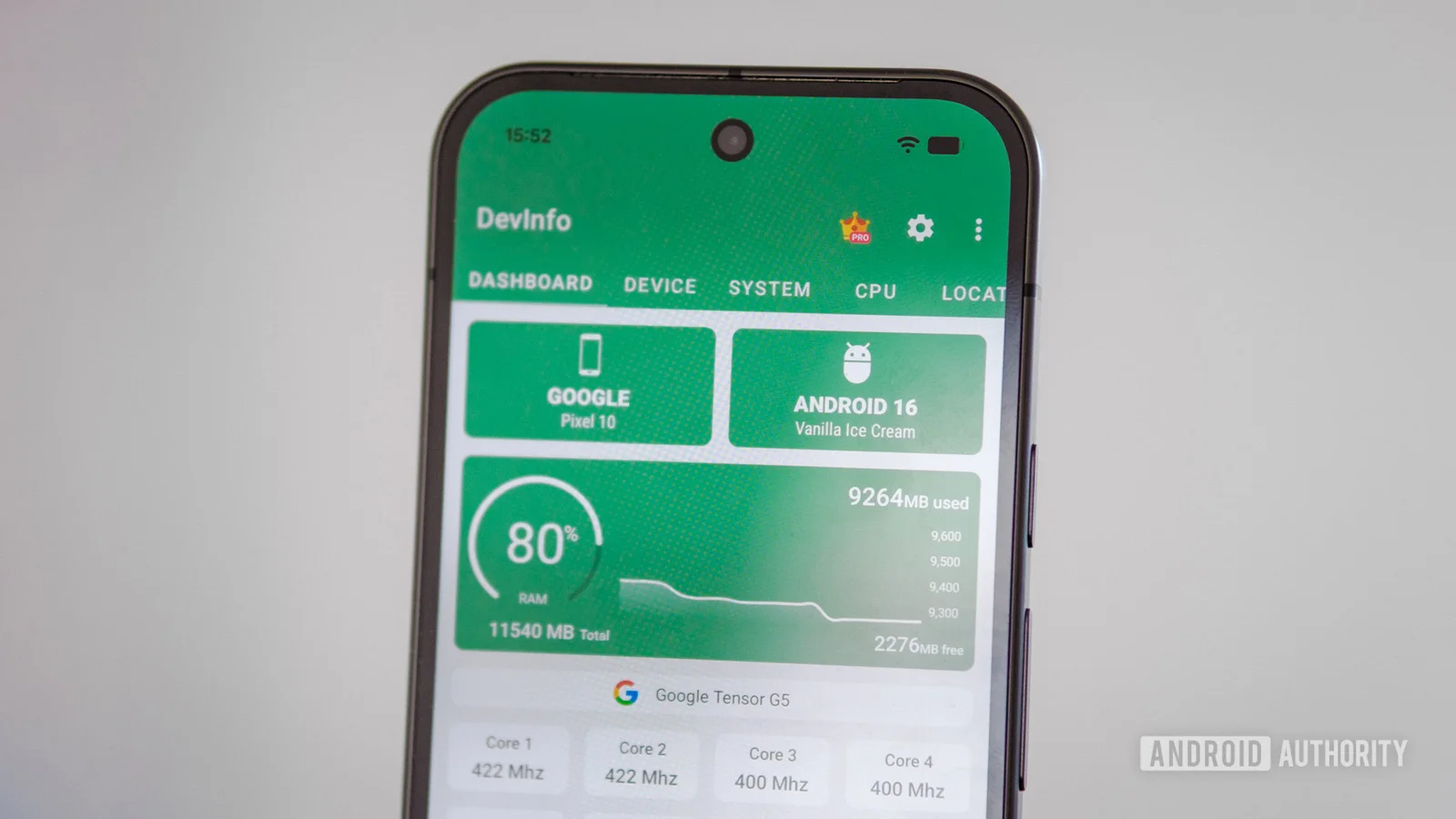
The Google Pixel 10 series has 12GB of RAM, but around 3GB is reserved exclusively for AI tasks, which may impact available memory for apps and games, reflecting Google's focus on AI-driven features at the expense of some multitasking flexibility.
Google is planning to switch its Tensor chip manufacturing from Samsung to TSMC for the Pixel 10 and beyond, which could significantly improve performance, battery life, and thermal management, marking a potential new era for Pixel phones. However, the success of this move depends on whether TSMC can deliver the expected improvements, making it a critical moment for Google's hardware future.
Qualcomm is set to unveil the Snapdragon 8 Gen 4, expected to power the Galaxy S25 series, with leaked reports suggesting a significant performance boost over its predecessor and potential outperformance of the upcoming Apple A18 chipset in single-core, multi-core, and GPU performance. The Snapdragon 8 Gen 4 is rumored to feature Oryon cores clocked at 4.3GHz, potentially setting a new industry standard for CPU clock frequency, but concerns about power draw and thermal issues have also been raised.
Arm has launched two new products, the Cortex-X4 and Immortalis-G720, designed to increase smartphone performance and enable AI and machine learning-based apps. The Cortex-X4 is the fastest CPU Arm has made so far, bringing 15% more performance than its predecessor, the Cortex X-3. The Immortalis-G720 is based on Arm's fifth-generation GPU architecture, created for high geometry games and real-time 3D apps. Arm also announced a new platform called Arm Total Compute Solutions 2023 (TCS23), which includes IP like the Immortalis GPU, Armv9 CPUs, and software enhancements, meant for premium smartphone models.