CES 2026 in Las Vegas is showcasing the latest in tech, including AI, robots, new smartphones, and health devices, with CNET providing live coverage and awards for the top innovations of the event.
The article discusses the potential development of a Fitbit Ring and a new Pixel Tablet by Google, highlighting market trends, device capabilities, and strategic considerations. It suggests that a Fitbit Inspire 4 might be released in 2026, possibly running Fitbit OS or Wear OS, and explores the features and market positioning of Fitbit trackers and smartwatches. Regarding the Pixel Tablet, Google seems to favor a device focused on content consumption with smart display features, rather than a new content-centric tablet, emphasizing affordability and simplicity. The article also touches on the importance of device integration and user experience enhancements.
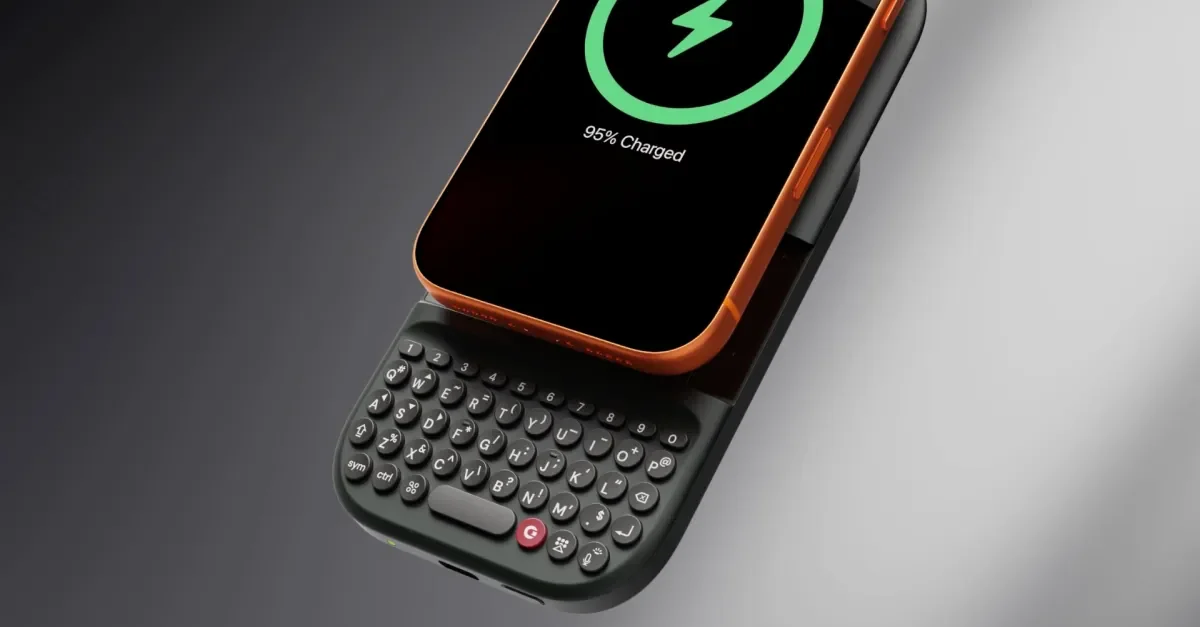
Clicks has introduced the Power Keyboard, a magnetic power bank with a slide-out QWERTY keyboard that can charge phones via MagSafe or Qi2 wireless charging and connect to devices over Bluetooth, offering a versatile accessory for multitasking and portable use, available this spring for $109 with preorders starting at $79.23.
Amazon's head of devices, Panay, predicts a shift away from screen-based social media towards ambient intelligence, where technology seamlessly integrates into daily life through new hardware and improved AI like the updated Alexa Plus, emphasizing security and a cultural move away from doom scrolling.
Google is extending the timeline for replacing Assistant with its new AI, Gemini, on Android devices to ensure a smooth transition, with updates continuing into 2025 or possibly beyond, as the company integrates Gemini across its products and devices.
The rollout of Google's Gemini for Home smart device service has faced issues, including bugs, incorrect task responses, and features being locked behind a subscription paywall, leading to user frustration and a less than ideal experience compared to the mobile app, with Google needing to address these problems quickly.
This article lists 14 affordable tech gifts under $50 that are practical and can make life easier, including items like AirTags, smart speakers, smart notebooks, waterproof speakers, and multi-device chargers, perfect for various recipients such as travelers, students, and tech enthusiasts.
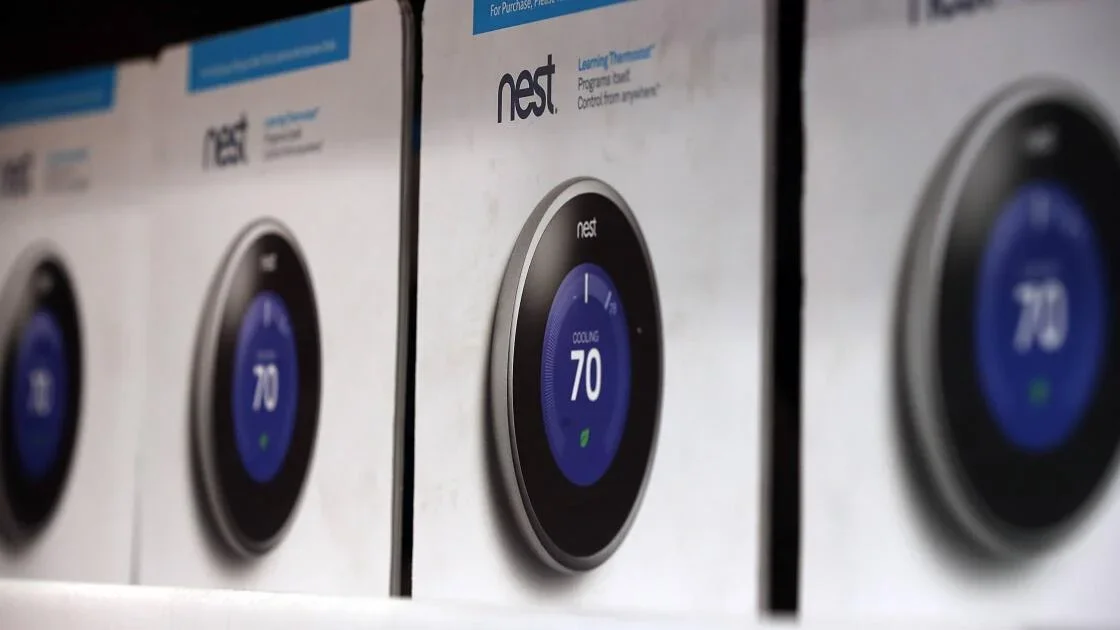
Google is discontinuing software support for its first- and second-generation Nest Learning Thermostats, effective October 25, 2025, rendering them non-functional via the app and removing smart features, prompting user concerns about planned obsolescence and future device compatibility.
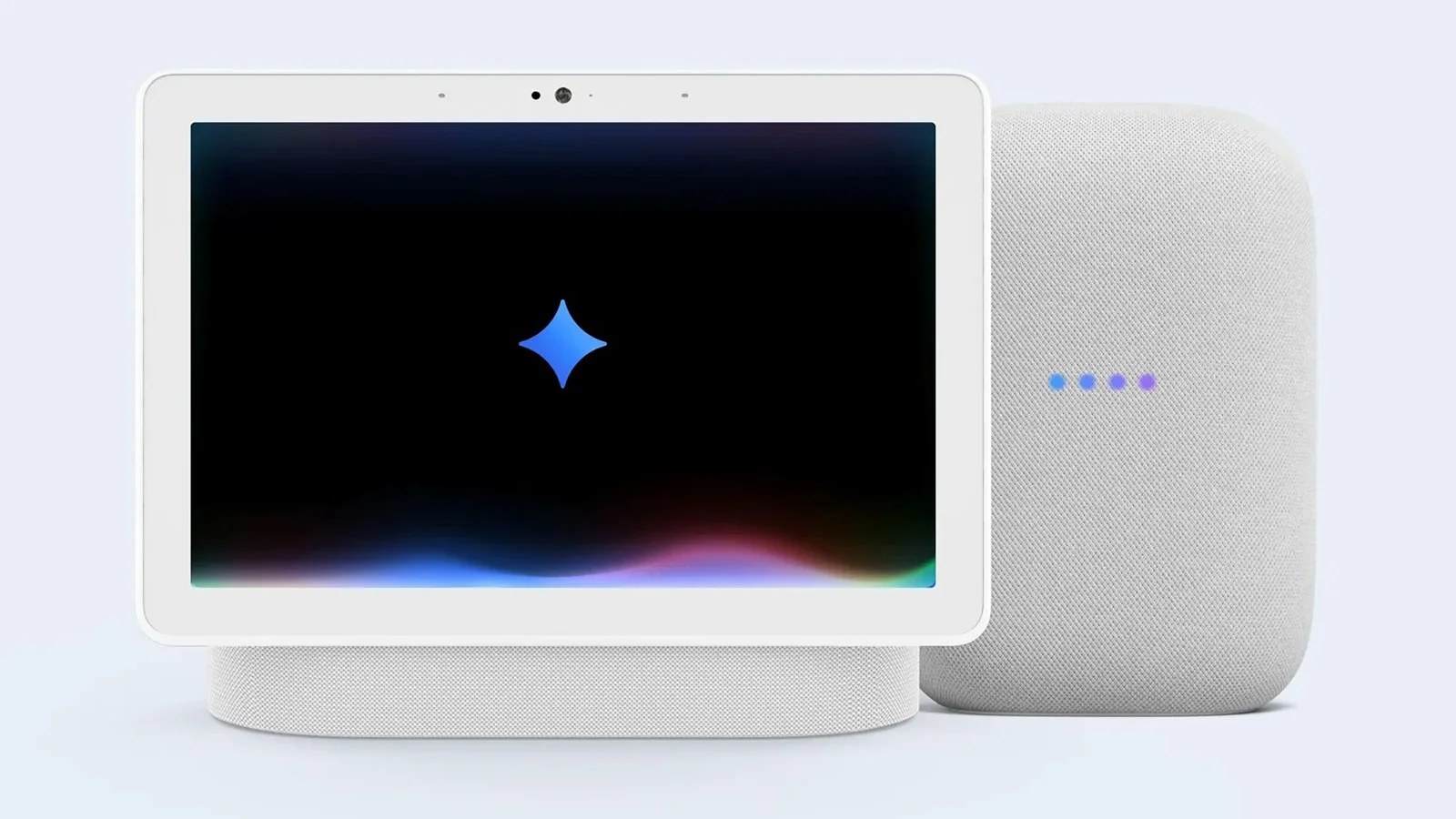
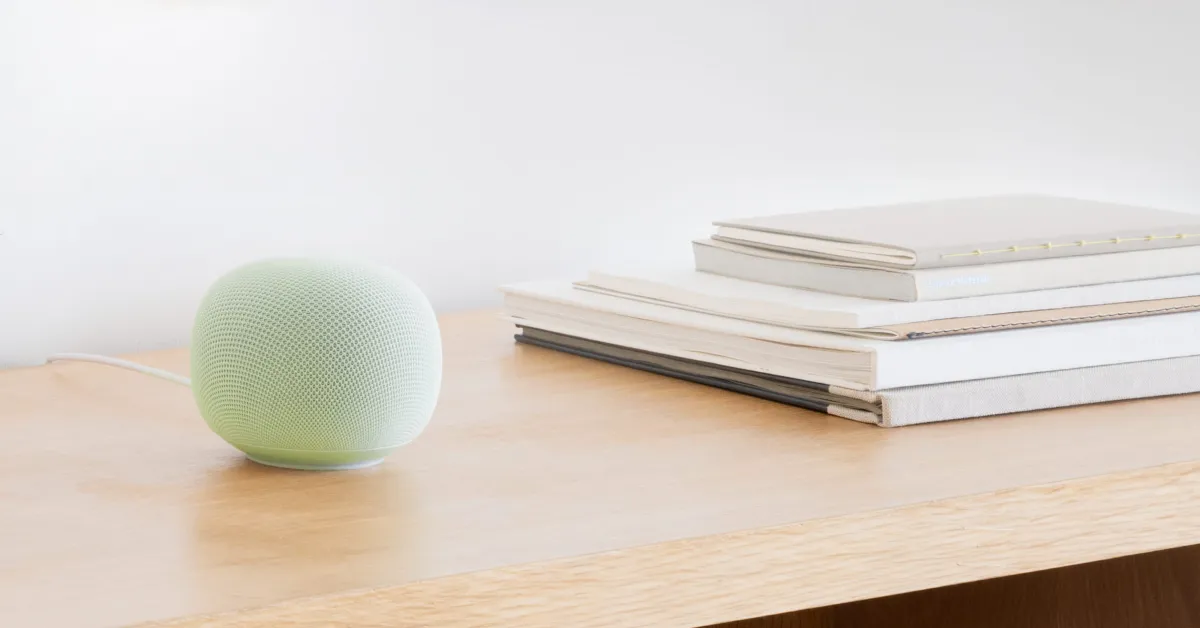
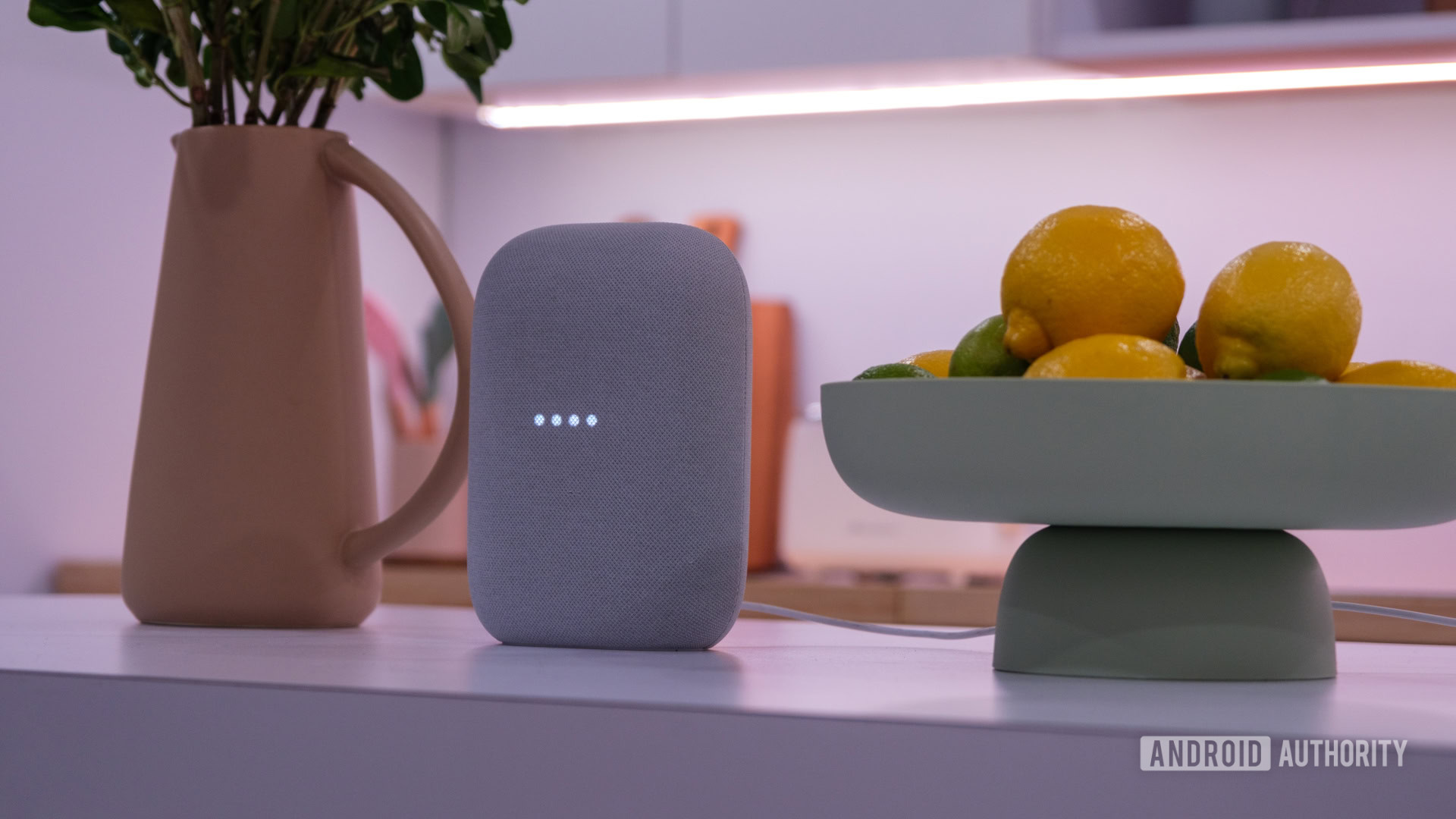
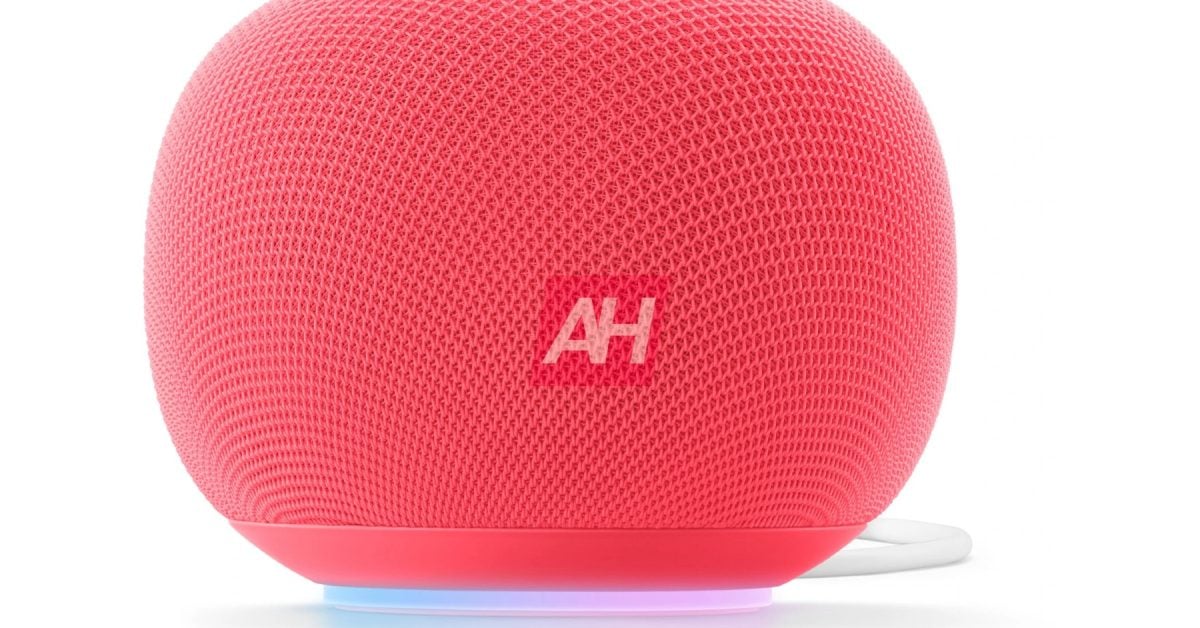
Google is set to launch a new Google Home Speaker in Spring 2026, featuring advanced AI integration with Gemini, 360-degree balanced audio, and multi-room pairing capabilities, priced at $99.99 and available in 19 countries.
Nintendo announced Fire Emblem Shadows, a new game for smart devices that combines real-time strategy with social deduction, where players identify or deceive a treacherous disciple of shadow to influence subsequent battles, and it is available today.
IFA 2025 showcased a wide array of innovative tech, including robots, smart home devices, new charging tech, gaming gear, and tablets, highlighting the year's most exciting consumer electronics and concepts.
Google is launching Gemini on Google Home devices on October 1, promising enhanced natural language understanding, complex command handling, and improved automation suggestions, with both free and paid versions expected, aiming to address current Assistant limitations.
Google is set to release a new lineup of Nest devices in 2025, including a new Gemini-powered smart speaker and upgraded cameras and doorbell, featuring 2K resolution, enhanced video previews, and a new Daily Summaries feature, with launch details yet to be announced.
Researchers at Black Hat USA demonstrated how prompt injection attacks could hijack Google’s Gemini AI assistant to control smart home devices, intercept emails, and initiate calls, highlighting significant security vulnerabilities as AI becomes more integrated into daily life. These attacks involve hidden prompts in calendar invites and other inputs, bypassing safety protocols, and pose increasing risks as AI agents gain more control over connected devices.
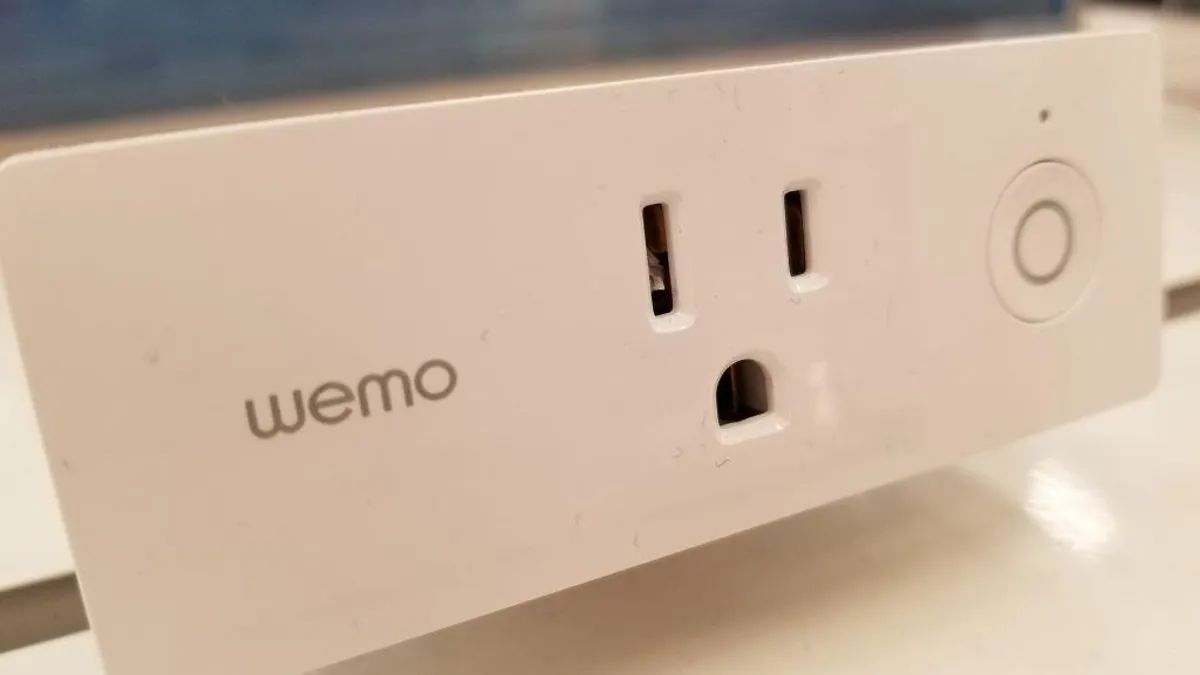
Belkin has announced it will end support for older Wemo smart devices by January 31, 2026, rendering them as basic switches without smart features, due to a shift in company focus. This move highlights the risks of relying on cloud-dependent smart home devices, as users will lose remote access, voice control, and support for affected products after the deadline.