The XRPL EVM Sidechain is now live on mainnet, enabling Ethereum-compatible smart contracts and cross-chain DeFi applications on the XRP Ledger, leveraging its security, liquidity, and scalability, and opening new opportunities for developers and institutions.
The Ethereum network celebrated its 8th birthday, marking eight years since its launch. Ethereum has become the second-largest cryptocurrency with a market capitalization of $225 billion and over 1,900 monthly active developers. Community members reminisced about its growth, with Ethereum boasting $400 billion in secured value, $3.6 billion in annualized profits, and 17.8 million blocks of digital assets. Prominent figures like Vitalik Buterin co-founded Ethereum, which played a crucial role in the initial coin offering boom and the rise of decentralized finance. Ethereum recently implemented the Merge upgrade, transitioning to a proof-of-stake consensus mechanism and reducing energy usage.
Generative AI, such as ChatGPT, is poised to disrupt the blockchain industry by improving smart contract coding, automating smart contract execution, securing blockchain transactions, and educating users. ChatGPT can streamline smart contract creation by assisting with code development and testing, reducing errors and improving quality. It can also automate smart contract execution, detect errors, optimize contract data, and enhance security by analyzing network traffic and behavior. Furthermore, ChatGPT is being integrated into blockchain platforms to educate users through AI chatbots, providing real-time market updates, explaining smart contracts, and offering various functionalities. While generative AI faces challenges, its potential to enhance the blockchain industry is evident, benefiting end users with smarter and more secure smart contracts and valuable educational tools.
The European Union (EU) has finalized the European Data Act, a controversial piece of legislation that includes provisions for smart contracts, including kill switches for safe termination. The act aims to promote the fair use of industrial data and remove barriers to data sharing. While the act has been praised for reshaping the digital space, it has drawn criticism from the crypto community, as some believe it may restrict innovation and compliance for smart contracts in the crypto industry.
Legislative negotiators from the European Union have reached an agreement on the Data Act, which includes provisions on smart contracts. The Web3 community has expressed concerns about the potential negative impact of these rules on decentralized transactions governed by immutable code. While the final legal draft has not been released, the text on smart contracts has reportedly been tightened to focus specifically on the execution of contractual clauses in the context of data sharing. The European Commission has dismissed fears that the law will kill off existing smart contracts, but concerns remain about its compatibility with public, permissionless blockchains. The Data Act will need to be voted on by the European Parliament and Council to become law.
Meme coin issuers have profited over $200,000 from pizza-related rug pulls on Bitcoin Pizza Day, with at least four confirmed rug pulls and five suspected honey pots. Investors flocked to tokens named bitcoin pizza and pizza inu, ending up with losses of more than $12,000 in total. Developers can "pull the rug" on projects by adding a modifiable sell tax to the smart contract or by holding the vast majority of a token, waiting for the price to rise before selling the token into freshly formed liquidity from unsuspecting investors.
The DAO managing Tornado Cash was taken over by an unknown attacker who used a malicious proposal to gain fake votes and access to governance votes. The attacker withdrew 10,000 TORN tokens and sold them, causing TORN prices to drop by 40%. The attack did not affect the Tornado Cash protocol itself. The community is proposing solutions such as reverting changes made to the code or creating a new contract and airdropping new tokens to holders.
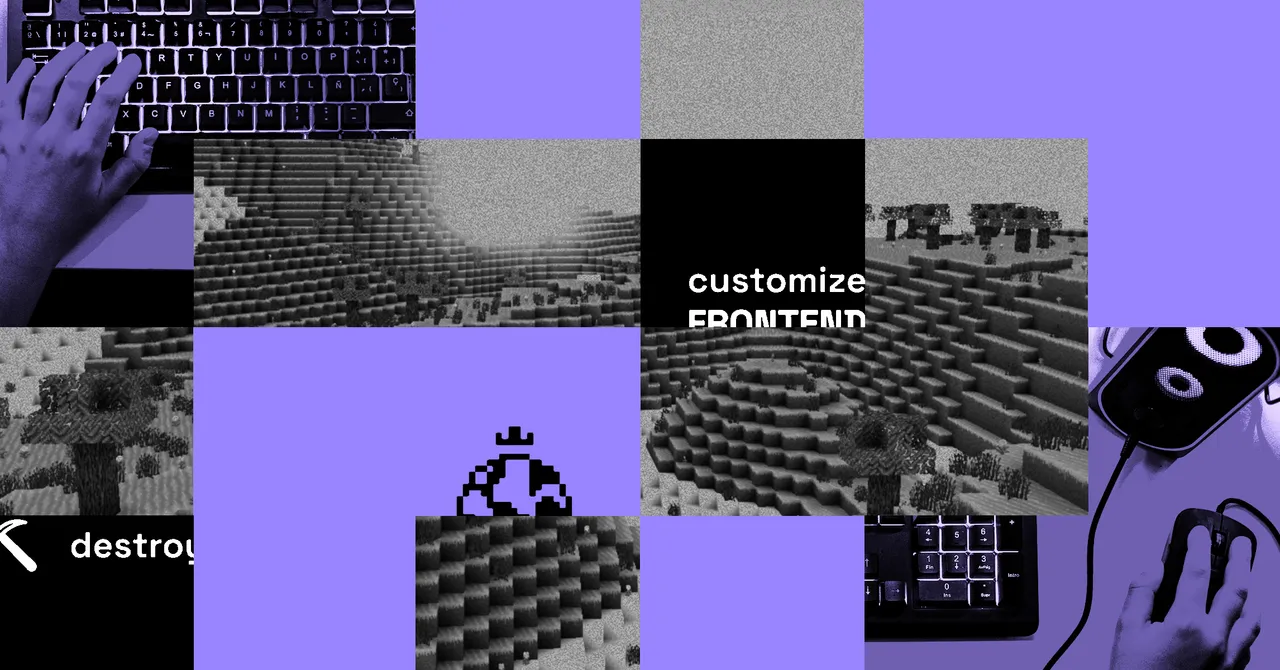
Developers are creating blockchain-based games that are owned and controlled by a decentralized network of people interacting with a blockchain, rather than a single, centralized entity. These games are built on smart contracts linked to the Ethereum blockchain and are designed to prevent any one entity from controlling a world's fate, while also offering new freedom for users to customize and expand on a game's design. These games are pushing the boundaries of blockchain technology and could make blockchains cheaper and easier to use, making ideas like mainstream decentralized financial services and even more general-purpose applications, like blockchain-based organizations, more feasible.
Digital Asset has announced the launch of the Canton Network, a privacy-enabled interoperable blockchain network designed to provide a decentralized infrastructure for institutional clients. Participants include BNP Paribas, Deloitte, Cboe Global Markets, Goldman Sachs, Broadridge, S&P Global, and Microsoft, among others. The network connects applications built with Digital Asset's smart-contract language, Daml, allowing various systems in financial markets to interoperate and synchronize. The Canton Network is owned by its participants, which include Digital Asset.