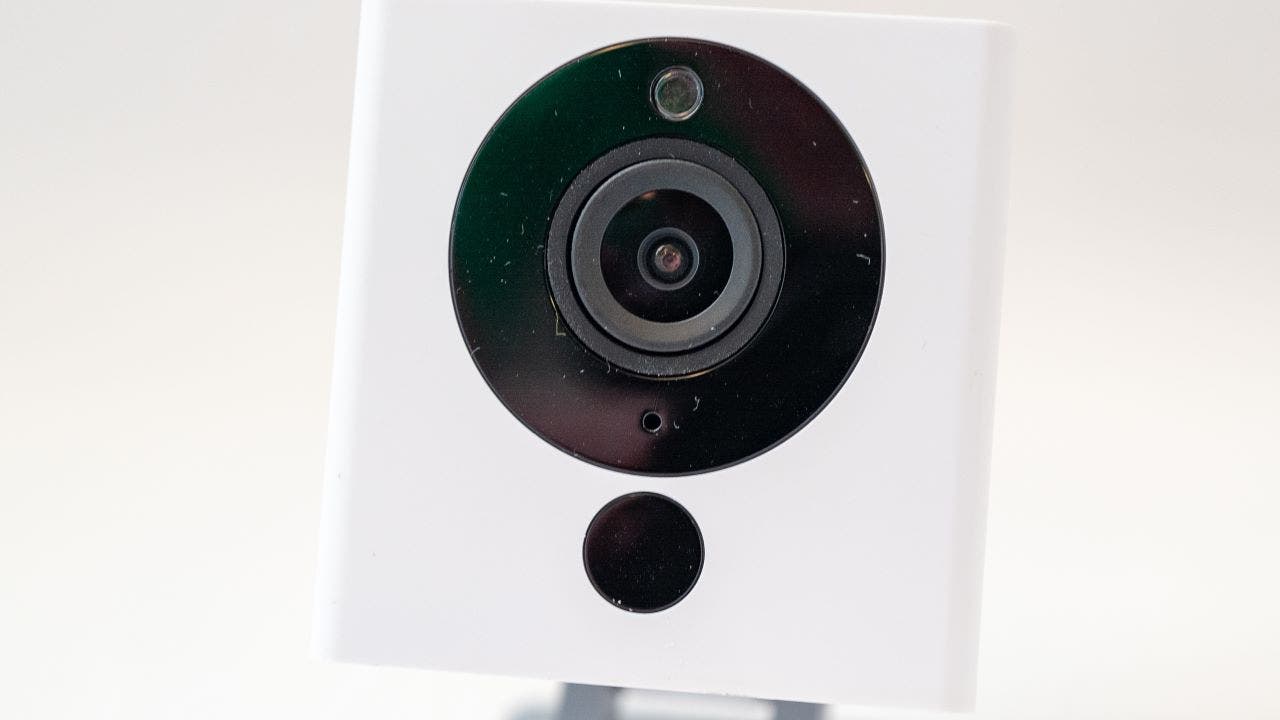
Smart camera company Wyze experienced a security breach last week due to a glitch with its AWS cloud service, allowing about 13,000 users to see footage from other users' security cameras. The breach was attributed to a third-party caching client library that mixed up device and user IDs during a surge in demand, leading to incorrect data connections. Wyze has added new safeguards to prevent a recurrence and has notified affected users, emphasizing that the majority of accounts were not impacted.
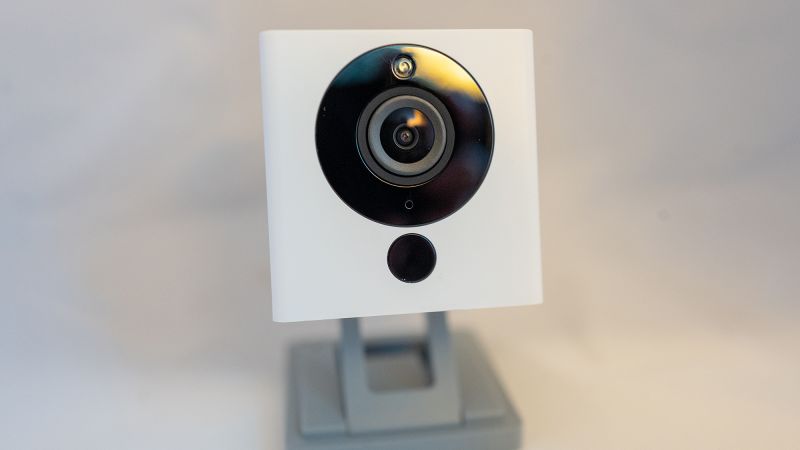
Wyze, a smart camera maker, experienced a security glitch last week that caused about 13,000 users to see footage from other users' cameras due to a third-party caching client library and an influx in demand. The company blamed the incident on a system error and has added a new layer of verification to prevent it from happening again. This is not the first security incident for Wyze, as a data leak in 2019 exposed millions of customer email addresses and other sensitive information.
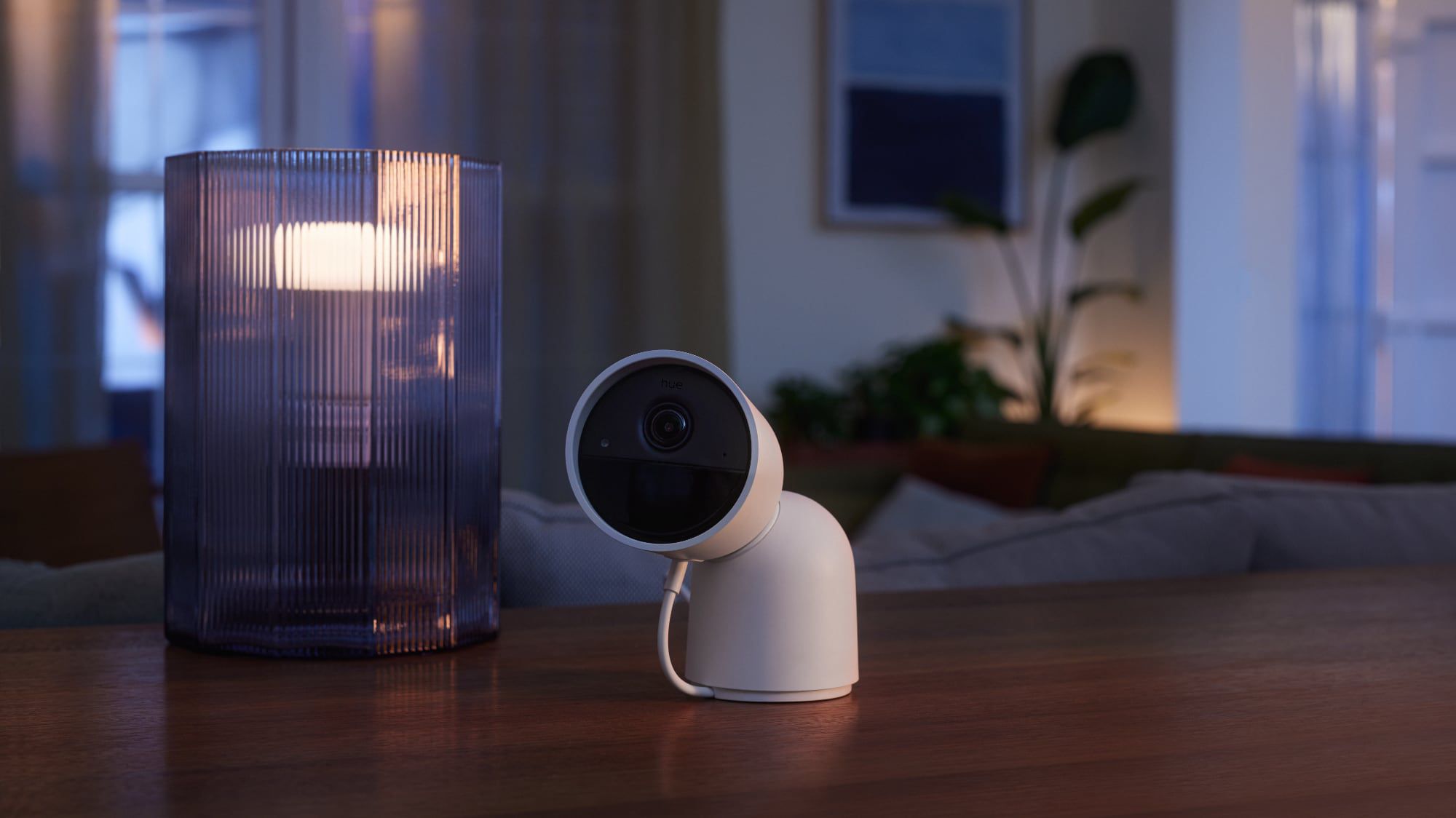
Signify has expanded its Philips Hue line with the introduction of Philips Hue Secure cameras and sensors for home security. The cameras offer 1080p video monitoring, night vision, and motion trigger notifications, and can be paired with Hue lights and sound alarms. The sensors can be applied to doors, windows, and cabinets, sending notifications when opened or closed. Both the cameras and sensors can be controlled through the Security Center in the Philips Hue app, with additional features available through a paid plan. The Philips Hue Secure line will be available in fall 2023, with prices ranging from $40 for sensors to $350 for the Floodlight Camera.
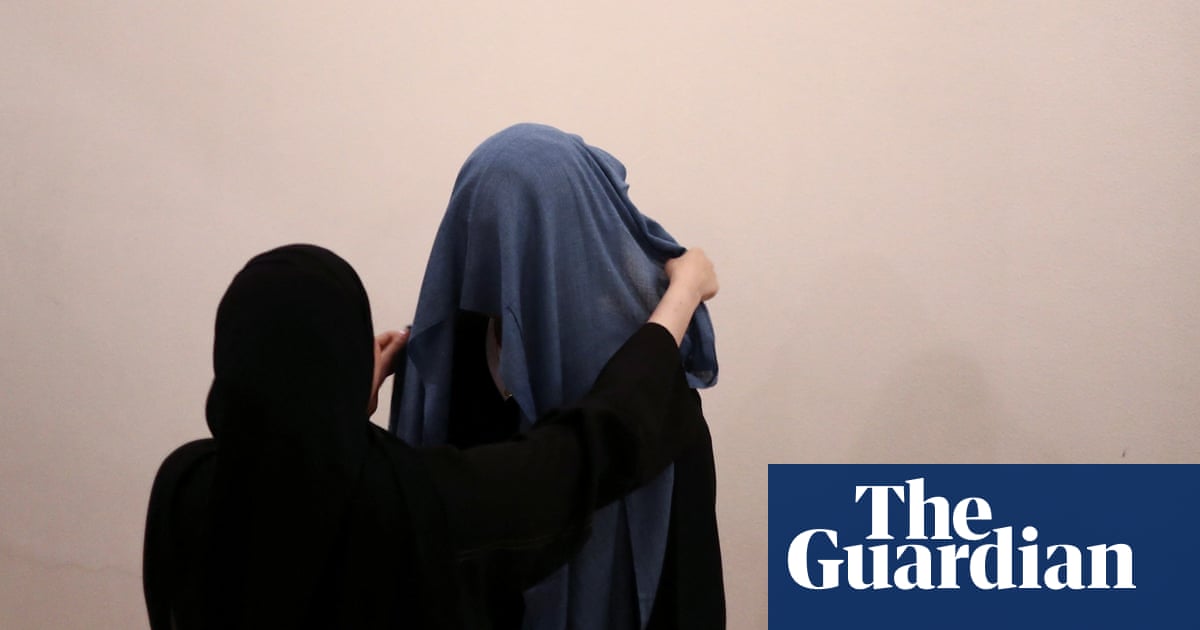
Iranian police plan to use smart cameras in public places to identify and penalize women who violate the country's strict Islamic dress code. The number of women defying the compulsory dress code has increased since a wave of protests after the death in custody of Kurdish-Iranian Mahsa Amini. Police will send warning messages to violators of the hijab law and car owners will receive a warning text if any of their passengers violate the dress code. The requirement for women to wear the headscarf in public was enshrined in law shortly after the Islamic revolution of 1979.