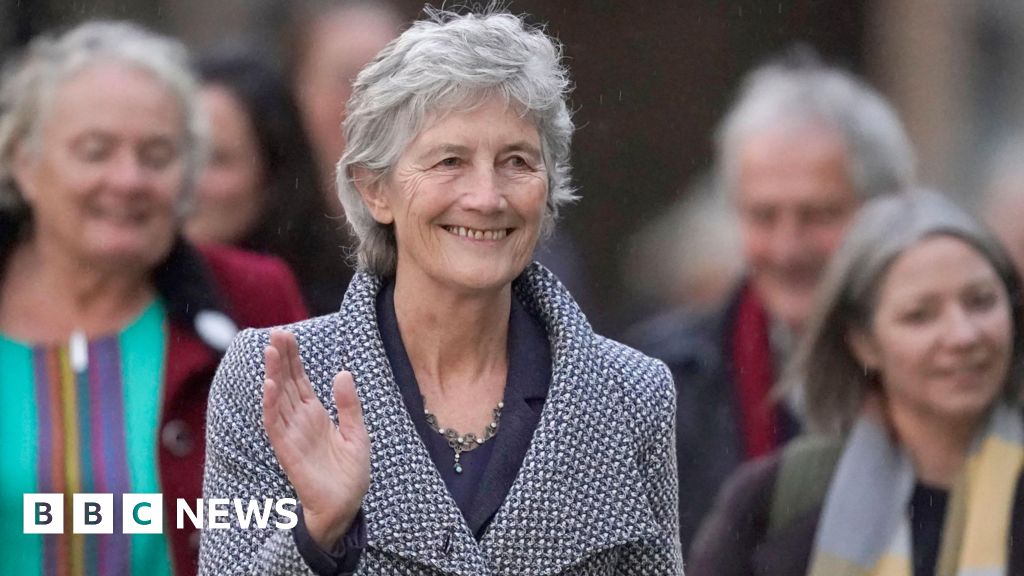
Catherine Connolly, an anti-establishment left-wing politician supported by major opposition parties, has been elected Ireland's 10th president in a landslide, leveraging a strong social media campaign and a focus on issues like peace, neutrality, and climate change, while also advocating for a United Ireland and maintaining her outspoken stance on foreign policy.
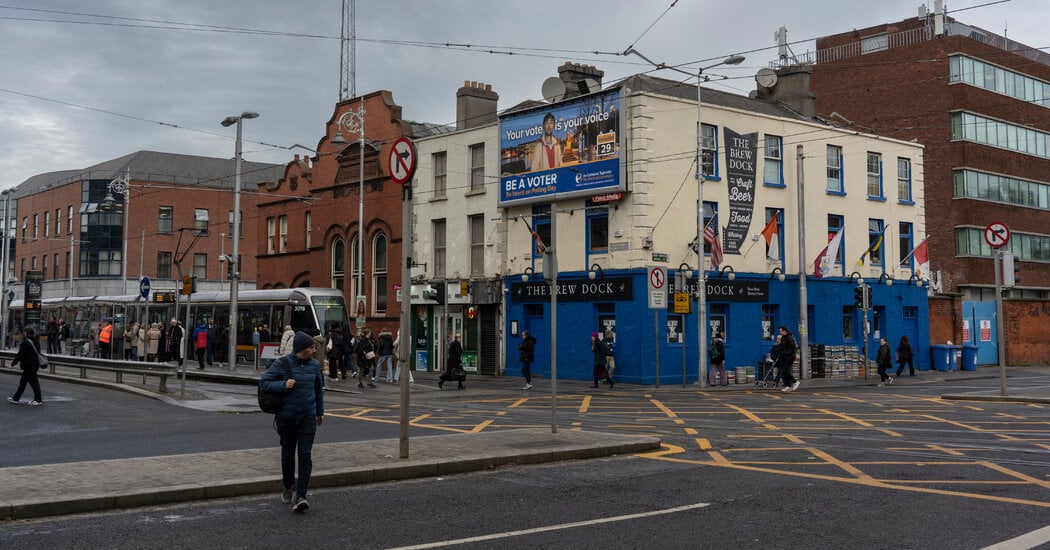
Early election results in Ireland indicate that the country's main political parties are outperforming Sinn Féin, suggesting a competitive political landscape.
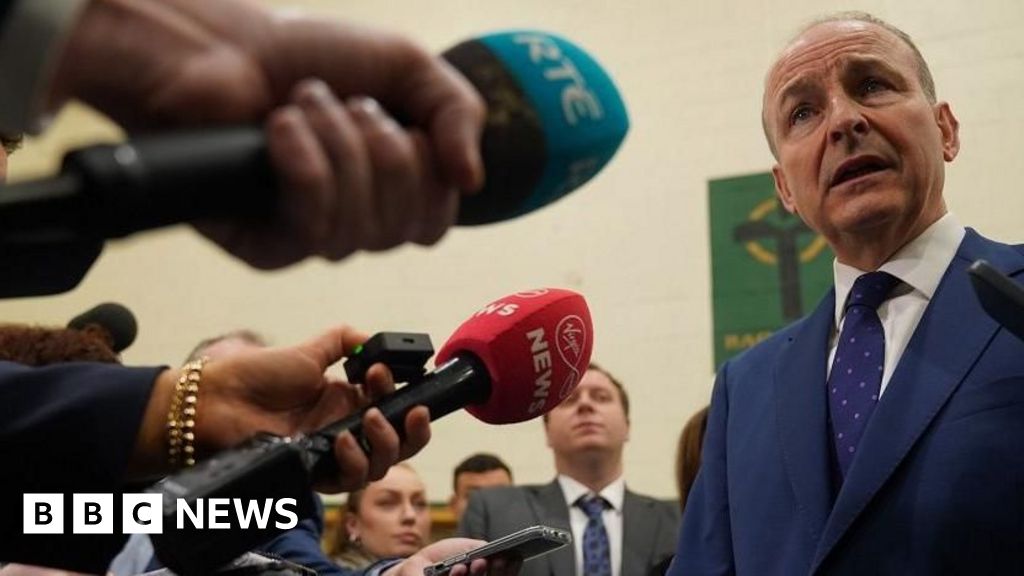
In Ireland's general election, the centrist government parties, Fianna Fáil and Fine Gael, are set to retain power, defying global election trends. Fianna Fáil's Michéal Martin is the frontrunner for taoiseach, with his party winning the most first preference votes. Sinn Féin, which had hoped to become the largest party, came third. The two main parties are expected to form a coalition with smaller center-left parties. Meanwhile, controversial independent candidate Gerry Hutch lost his bid for a seat in Dublin Central.
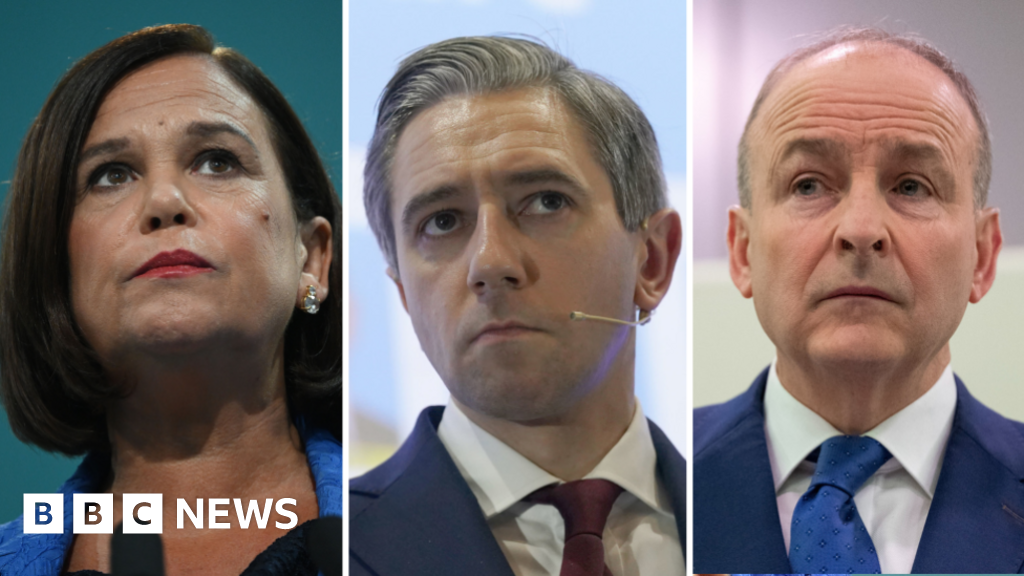
The Irish general election exit poll shows a close race between Prime Minister Simon Harris's Fine Gael party and Sinn Fein, both securing around 21% of first-preference votes. Despite Harris's early election call to capitalize on Fine Gael's previous surge in support, the party's backing has declined, with Harris trailing behind rivals Micheal Martin of Fianna Fail and Mary Lou McDonald of Sinn Fein in popularity for the next Taoiseach. The election outcome remains uncertain, but a coalition between Fine Gael and Fianna Fail is still considered the most likely government formation.
Counting has begun in the Irish general election, with exit polls indicating a tight race among Sinn Féin, Fine Gael, and Fianna Fáil. Sinn Féin leads slightly in first preference votes, but forming a government remains uncertain. The election sees a record 174 seats up for grabs, with the counting process expected to take several days. The current coalition partners, Fianna Fáil and Fine Gael, may have enough seats to return to power, while Sinn Féin seeks a path to government despite being ruled out as a coalition partner by the other major parties.
An exit poll from Ireland's parliamentary election suggests that the three major parties—Fine Gael, Fianna Fail, and Sinn Fein—have received nearly equal support, indicating the likelihood of another coalition government. Sinn Fein, which advocates for the reunification of Northern Ireland with the Republic of Ireland, could emerge as the largest party but may struggle to form a government due to the reluctance of other parties to ally with it. Key election issues include the housing crisis and immigration, with the results reflecting a divided voter base.
Ireland's top three political parties, Sinn Féin, Fine Gael, and Fianna Fáil, are in a virtual tie following the latest election, according to exit polls. Sinn Féin leads slightly with 21.1% of first-preference votes, followed closely by Fine Gael at 21% and Fianna Fáil at 19.5%. The results suggest a challenging path ahead for forming a coalition government, as no two parties can achieve a majority alone. The Green Party, part of the outgoing coalition, suffered significant losses, complicating potential coalition formations.
In the Irish general election, Prime Minister Simon Harris's Fine Gael party is nearly tied with Sinn Fein, each securing around 21% of first-preference votes according to exit polls. This suggests that Harris's strategy to call an early election did not provide the anticipated advantage, with Fianna Fail, Fine Gael's coalition partner, receiving 19.5% of the votes. The exit poll has a margin of error of 1.4%.
An exit poll from the Irish general election indicates a tight race among Sinn Féin, Fine Gael, and Fianna Fáil, with first preference votes at 21.1%, 21%, and 19.5% respectively. The poll, conducted by Ipsos B&A, suggests a close contest similar to the 2020 election, with no party likely to secure an outright majority. Official vote counting begins Saturday, with results expected over the weekend. The outcome could see Fine Gael and Fianna Fáil potentially forming a government with smaller parties, while Sinn Féin's path to power remains challenging.
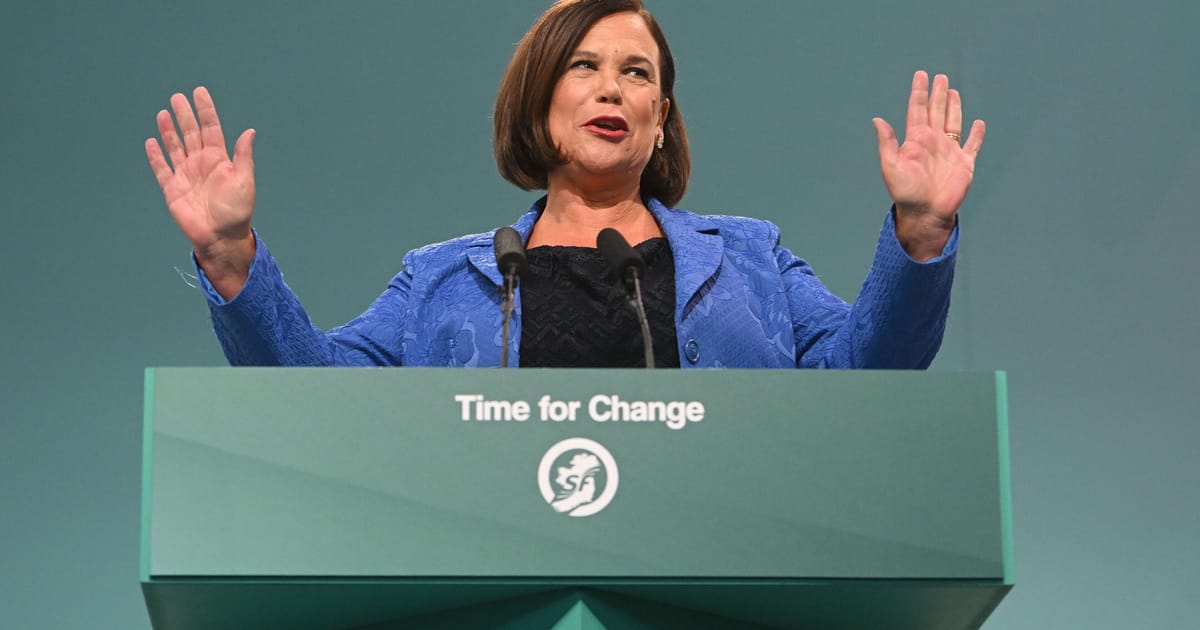
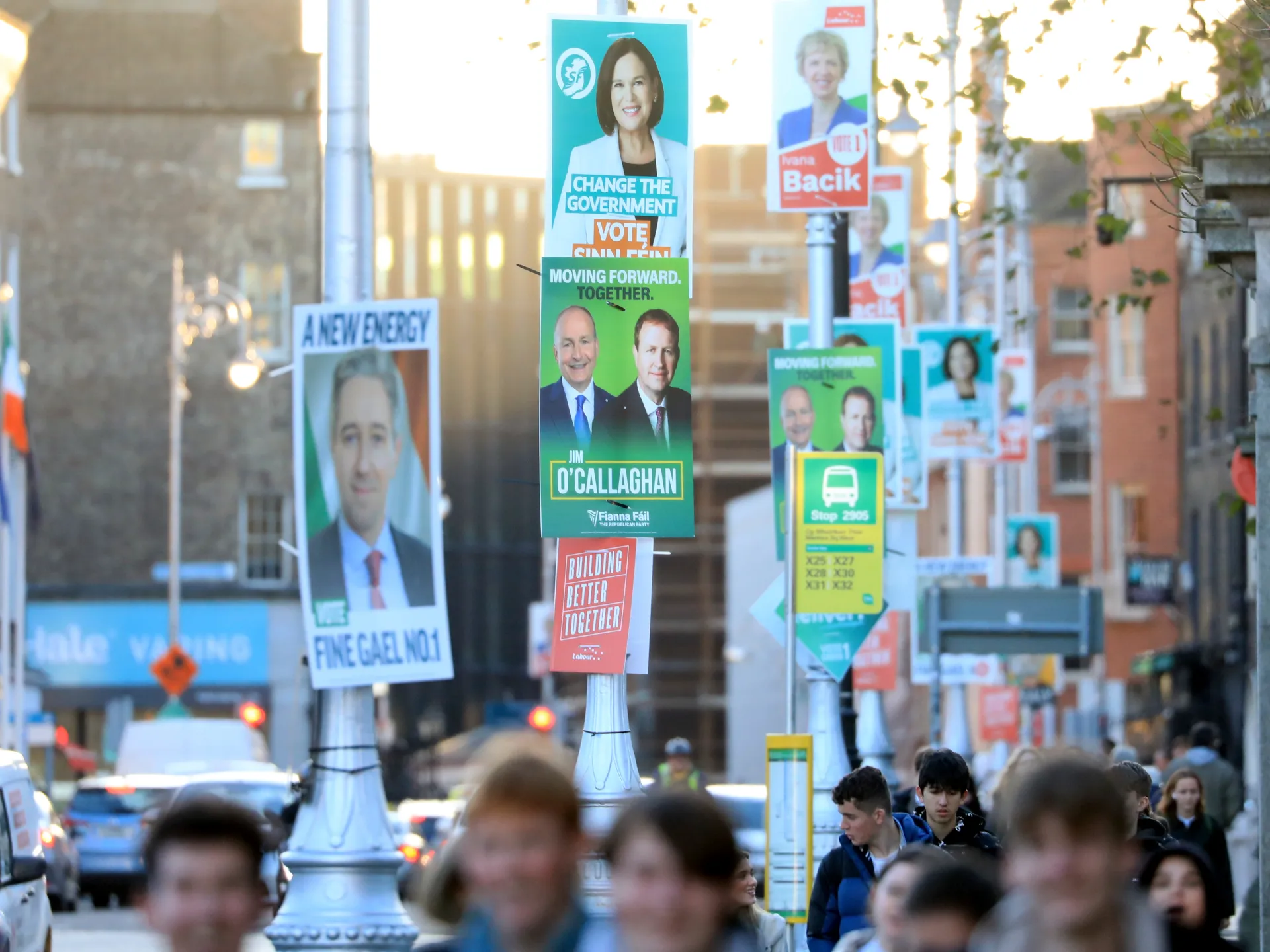
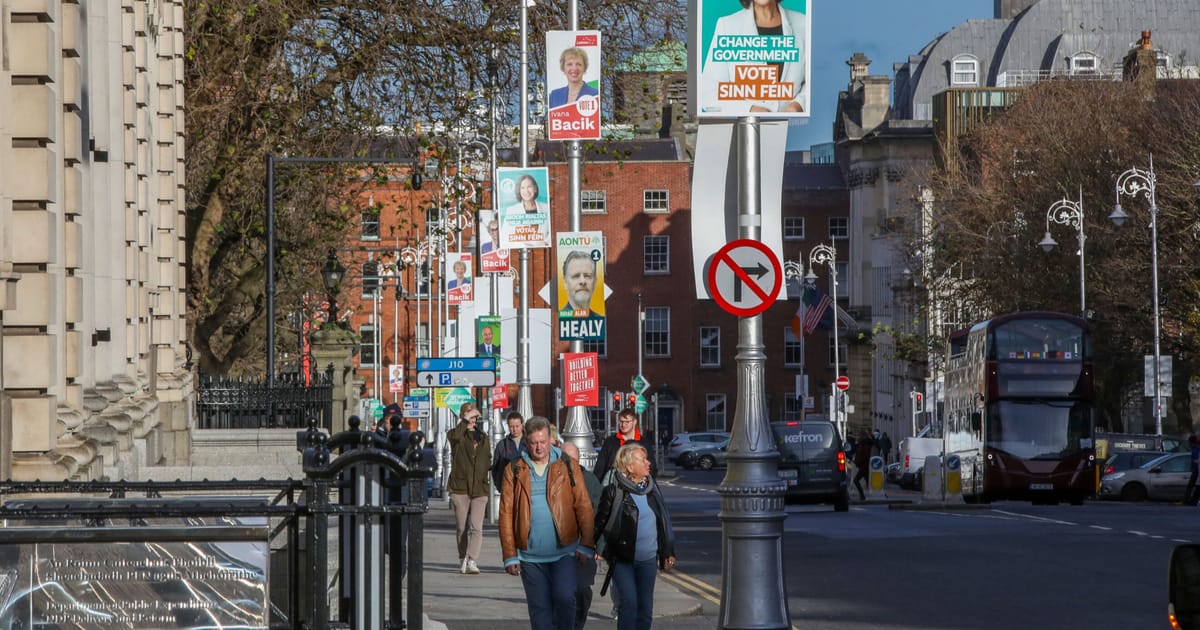
Ireland's 2024 general election is underway, with Fine Gael, Fianna Fáil, and Sinn Féin in a tight race. The election could see a continuation of the Fine Gael-Fianna Fáil coalition or a historic shift if Sinn Féin gains power. Key issues include immigration, housing, and the cost of living. Sinn Féin, led by Mary Lou McDonald, aims to push for Irish unification, while Fine Gael's Simon Harris seeks to maintain his party's influence. The outcome will be influenced by recent political dynamics and public sentiment on economic and social issues.
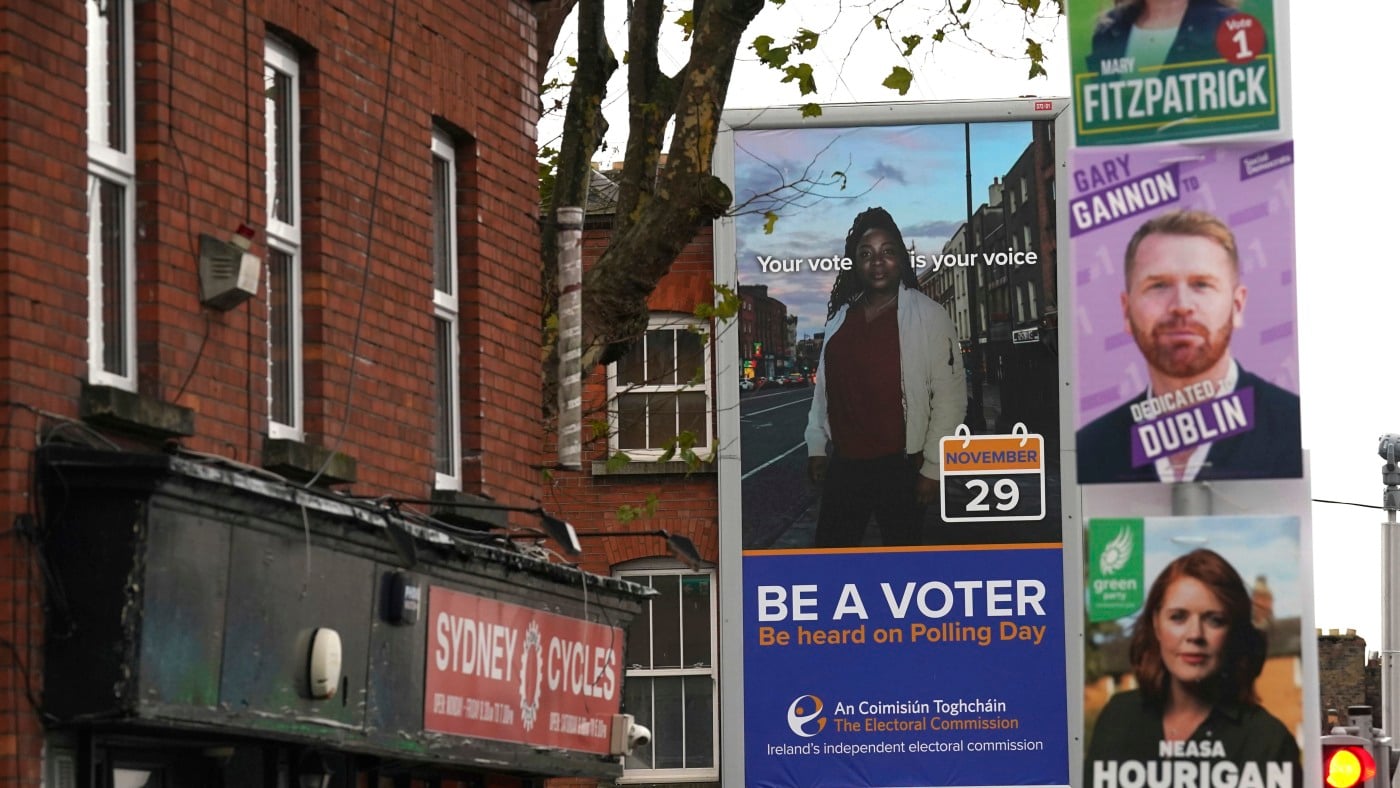
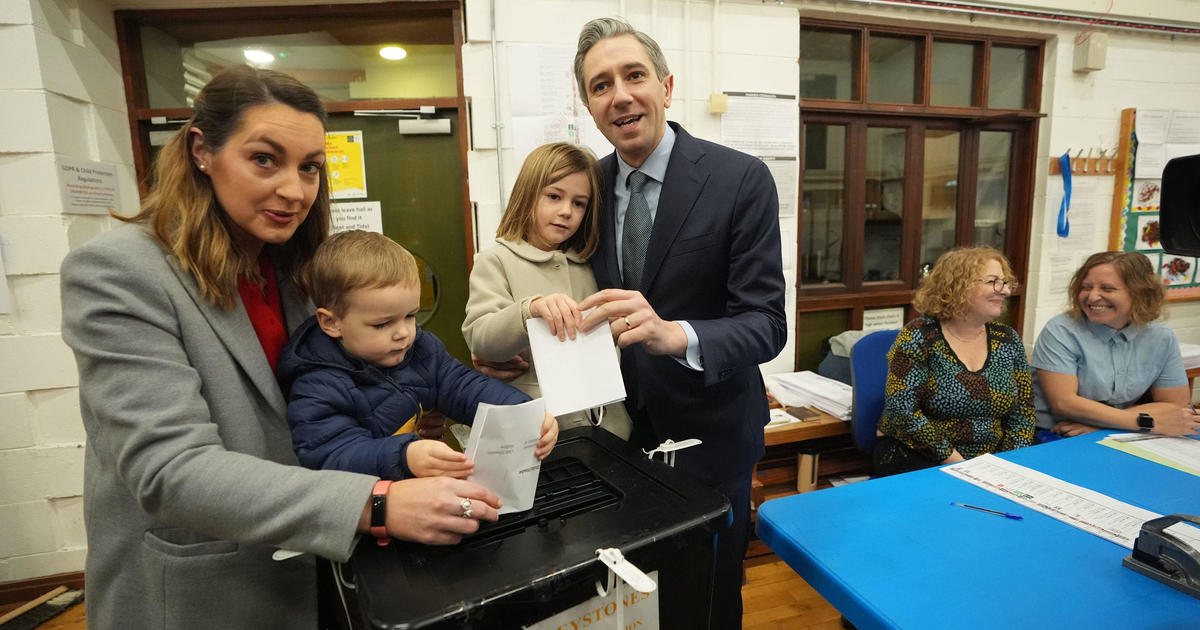
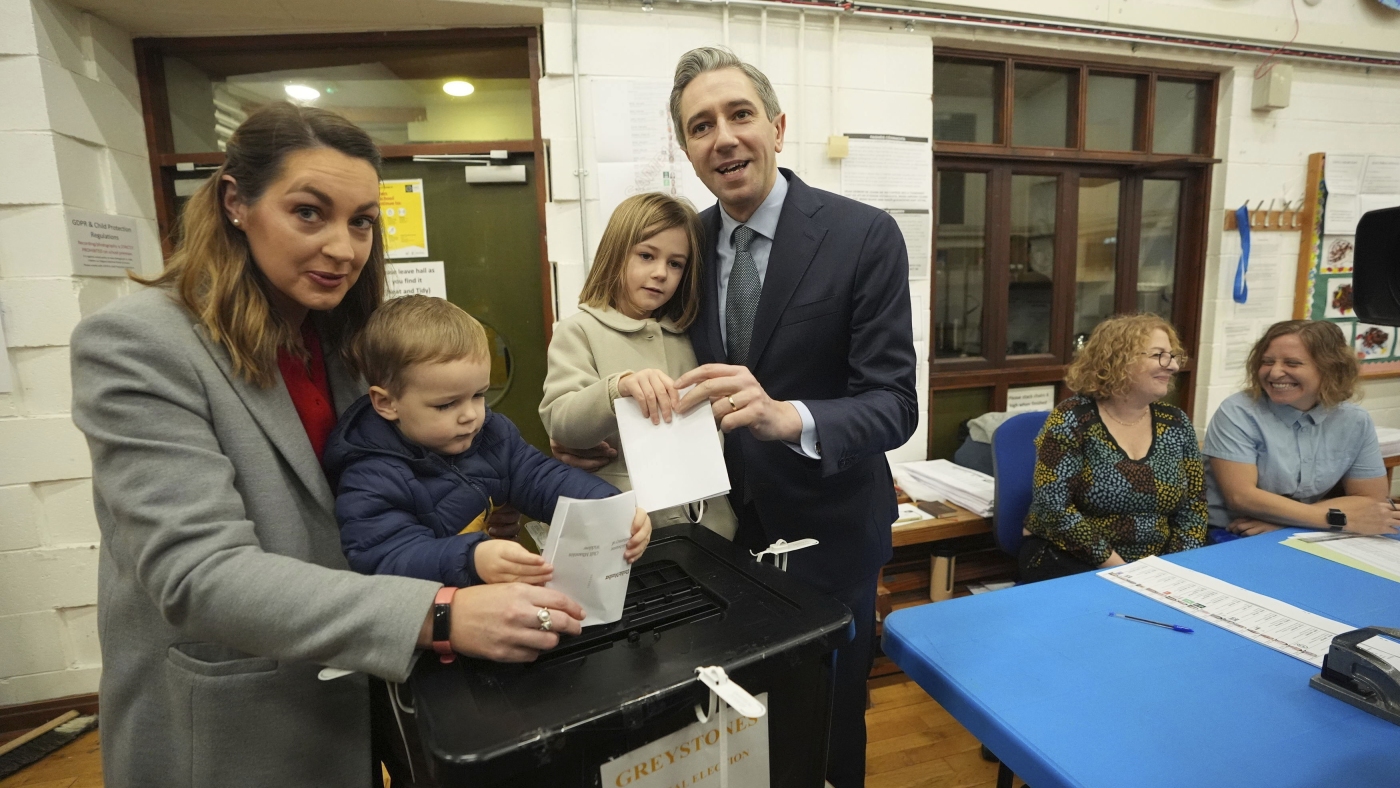
Ireland is holding a closely contested general election, with Prime Minister Simon Harris and his Fine Gael party hoping to retain power amid challenges from Sinn Fein and Fianna Fail. Key issues include the cost of living, housing shortages, and immigration. The election is expected to result in another coalition government, likely involving Fine Gael and Fianna Fail, with smaller parties or independents as potential kingmakers. Polls close Friday night, but full results and government formation may take days or weeks.
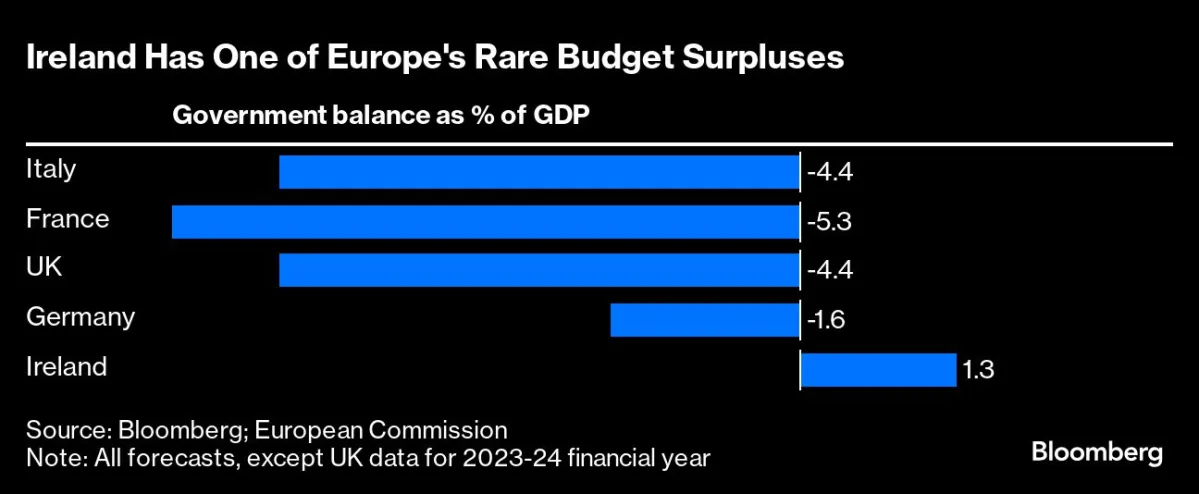
Ireland is holding a closely contested election with the centre-right parties Fine Gael and Fianna Fail running neck and neck with the leftist-nationalist Sinn Fein, each garnering around 20% support. The election is dominated by issues such as the housing crisis and cost of living, despite Ireland's strong public finances. Fine Gael's leader, Simon Harris, called the election after announcing significant tax cuts and spending increases. The final results may take days to determine due to Ireland's proportional representation voting system.
Ireland's upcoming election is marked by a lack of enthusiasm and no clear front-runner, as none of the major parties—Fine Gael, Fianna Fáil, or Sinn Féin—are fielding enough candidates to secure a parliamentary majority alone. The recent TV debate among the party leaders failed to energize voters, with each leader avoiding harsh criticism of the others. A coalition government is likely, with Fine Gael and Fianna Fáil expected to continue their partnership, possibly supported by smaller parties or independents.
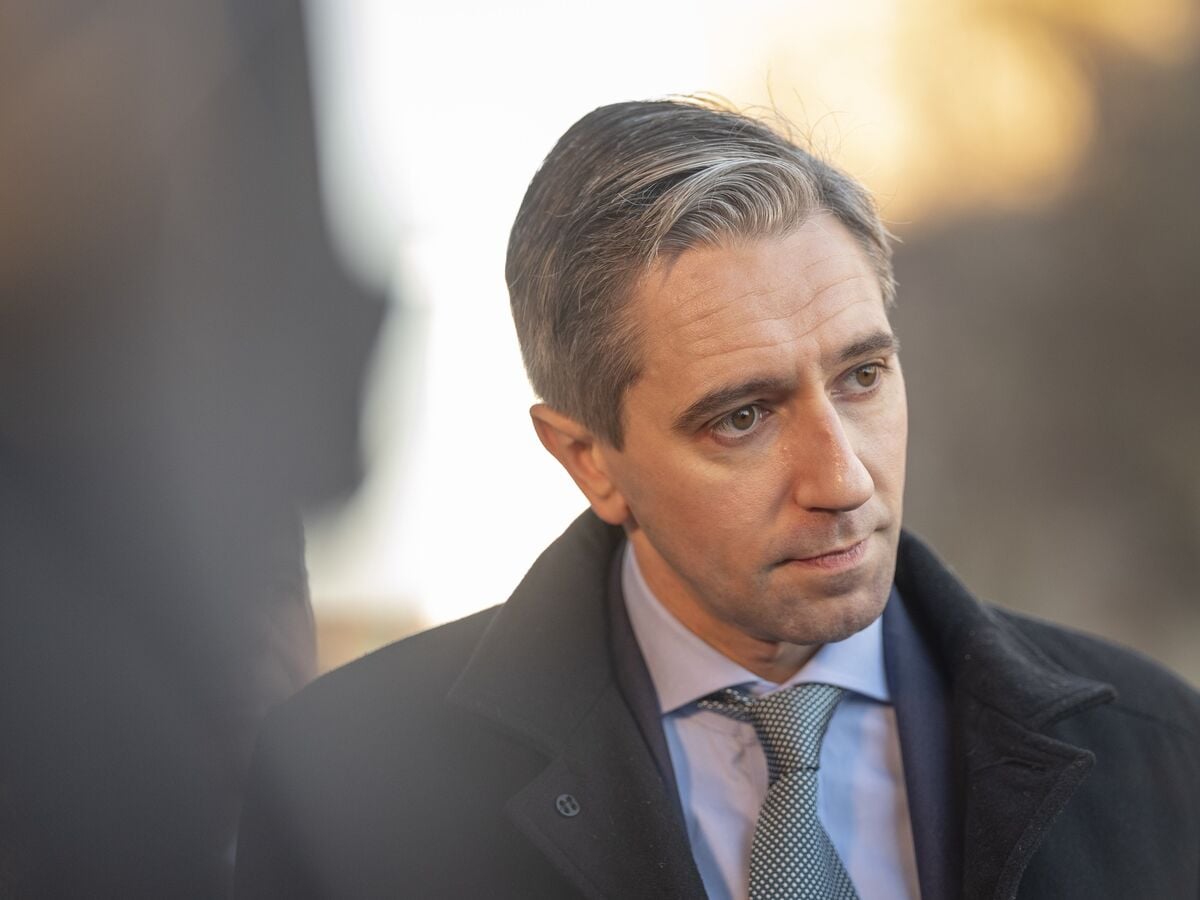
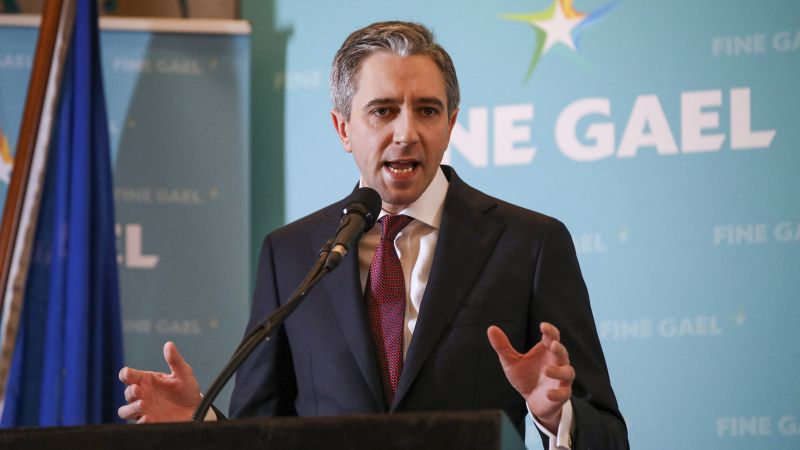
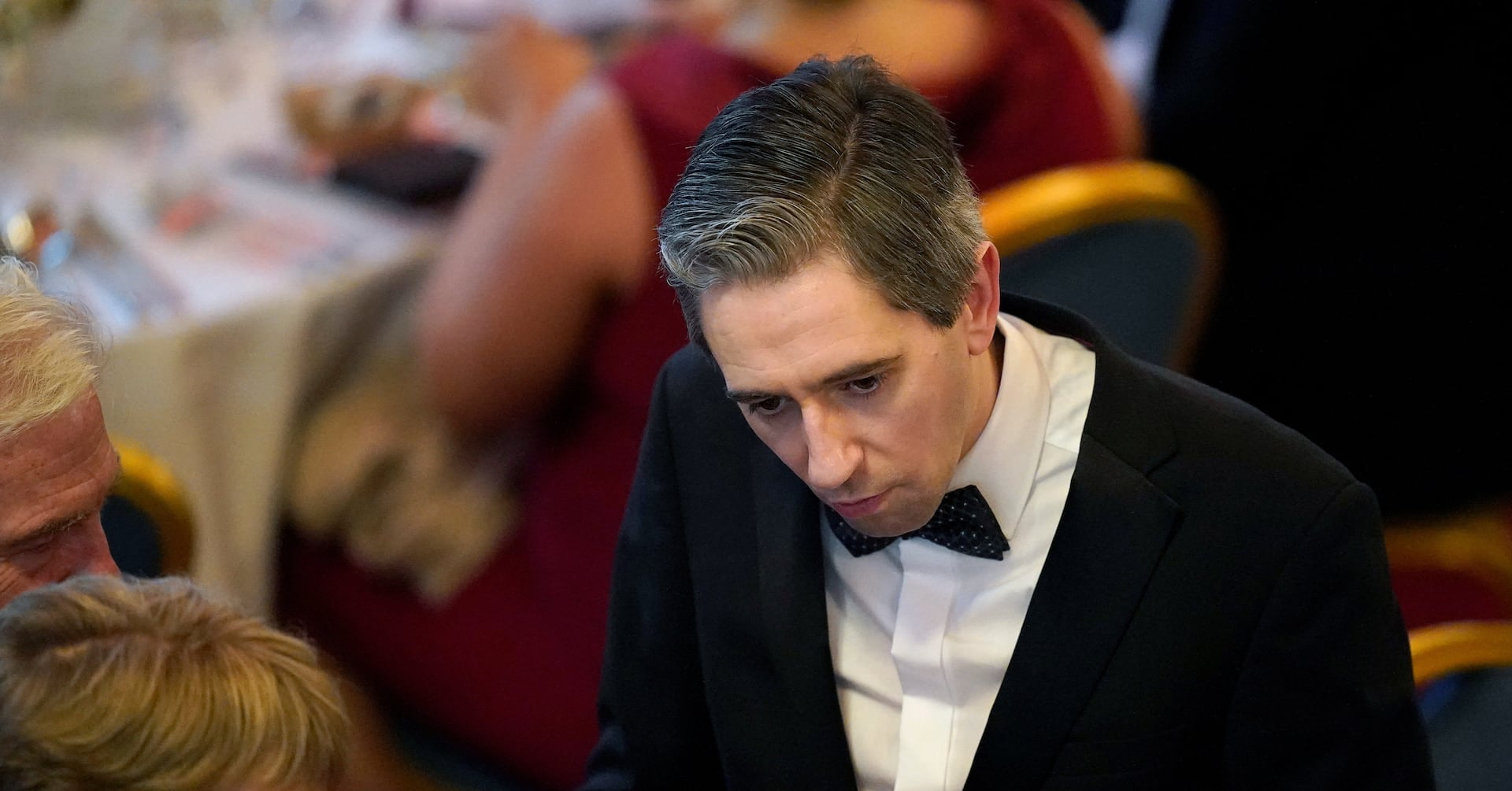
Simon Harris, 37, has become the youngest-ever prime minister of Ireland, succeeding Leo Varadkar. As the leader of the ruling Fine Gael party, Harris faces challenges including a general election and a surge in support for the Irish republican group Sinn Fein. His rise to power has been swift, propelled by his political career and his advocacy for social issues. Harris inherits a government grappling with a housing crisis and diminishing public support for traditional parties, while Sinn Fein's resurgence raises discussions about the reunification of Ireland.
Simon Harris, Ireland's Minister for Further and Higher Education, has entered the race to become the country's prime minister following Leo Varadkar's unexpected departure. At 37, Harris would be the youngest prime minister if elected and faces the challenge of reversing his party's poll deficit within a year. With Sinn Fein posing a significant threat, Harris aims to limit the damage and bring fresh energy and new ideas to the leadership role.