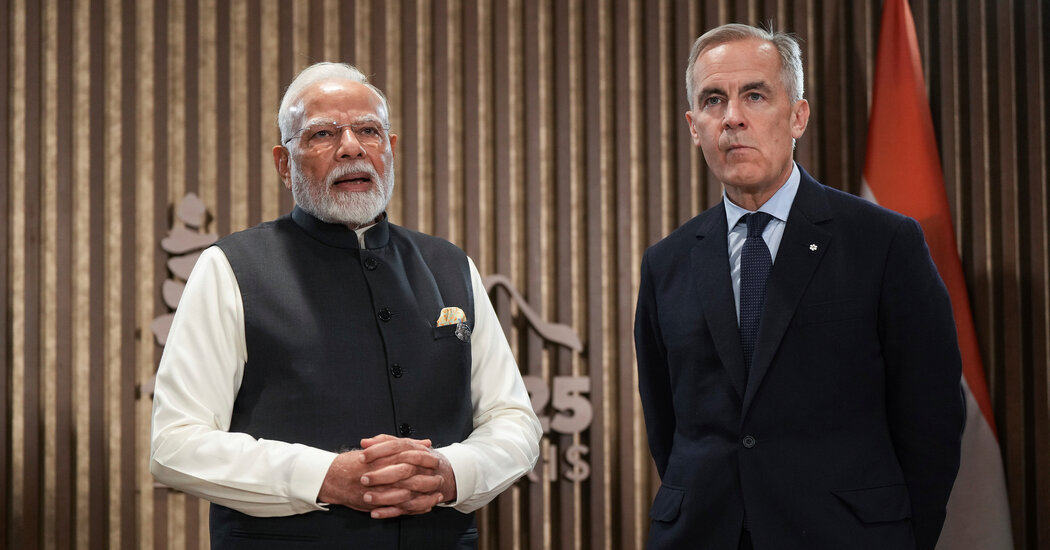
India and Canada are moving towards restoring diplomatic relations nearly two years after a deep rift caused by the killing of Sikh activist Hardeep Nijjar, with plans to appoint new ambassadors, restart trade talks, and resume visa services, following a meeting between Prime Minister Narendra Modi and Canadian Prime Minister Mark Carney at the G7 summit.
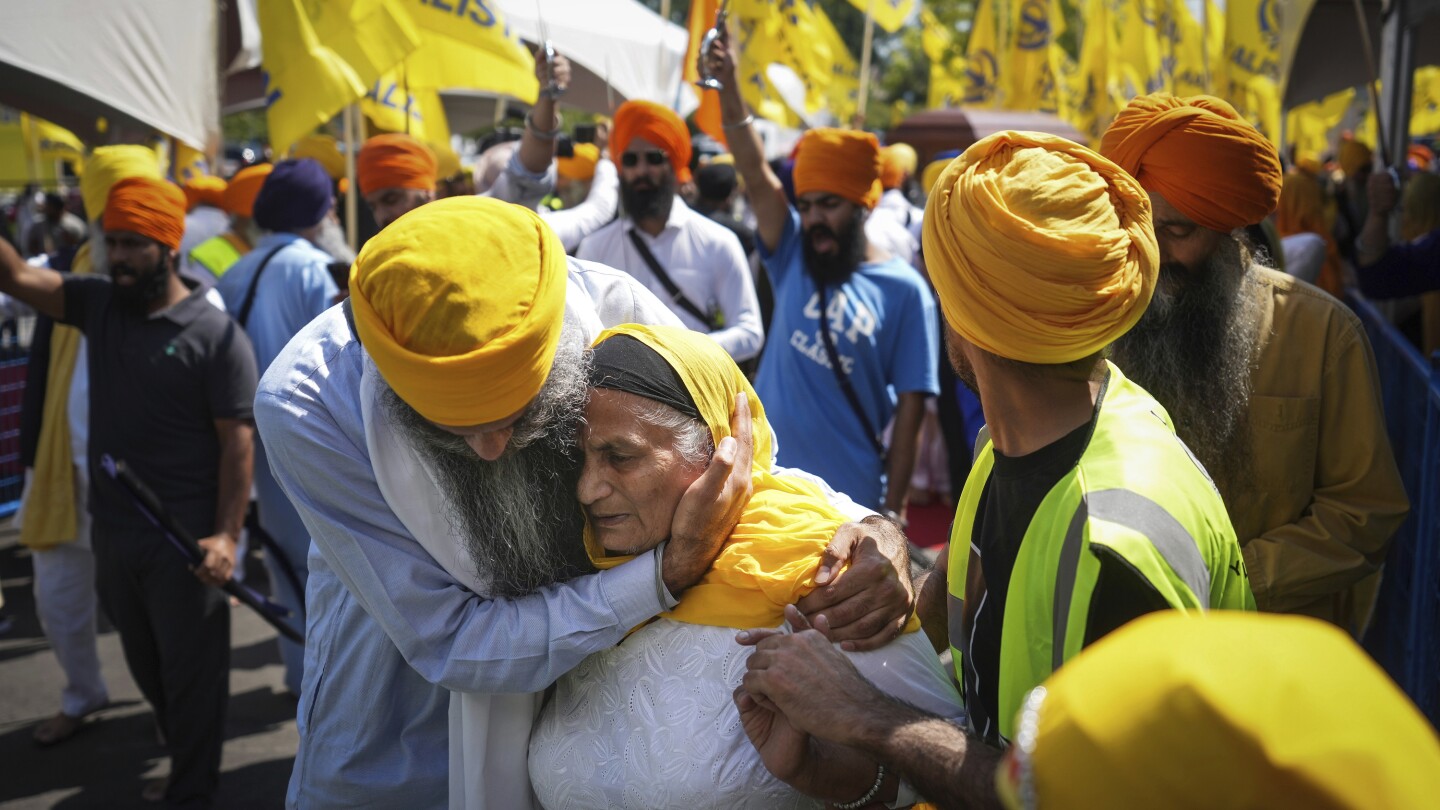
The tensions between India and Canada have brought attention to the complexities of Sikh activism in the diaspora. While some Sikhs in the diaspora support the idea of an independent Sikh state called Khalistan, others argue that there is no consensus on this issue. The recent accusation by Canadian Prime Minister Justin Trudeau that India may have been involved in the assassination of a Sikh separatist leader has intensified the debate. India has outlawed the Khalistan movement, considering it a serious security threat, while in the US and Canada, Khalistani activism is protected under free speech laws. The Sikh community in India and the diaspora is not monolithic, with some Sikhs expressing patriotism towards India and rejecting the idea of Khalistan. The tensions between India and Canada have strained relationships within the Indian diaspora and have led to incidents of harassment and intimidation.