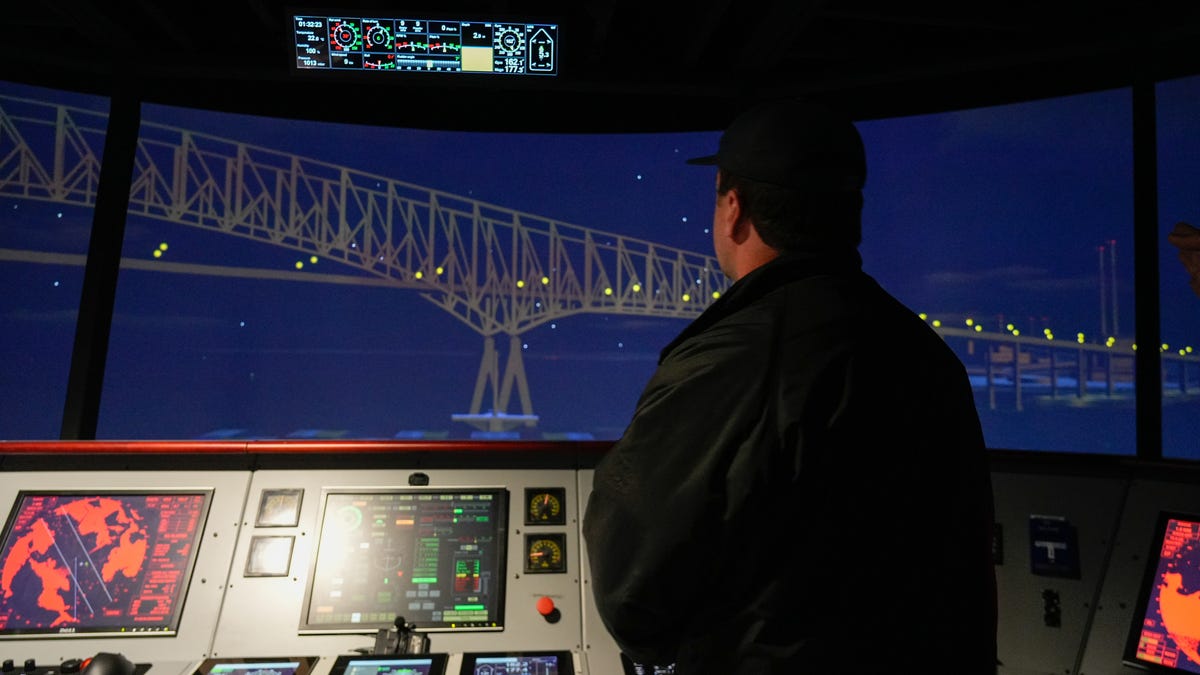
An analysis of U.S. Coast Guard data reveals that over the past 22 years, there have been over 6,000 incidents of ships losing power, propulsion, or steering, with at least 900 occurring near bridges. These incidents, while mostly routine, have occasionally resulted in major or significant damage to both ships and structures. The frequency of such malfunctions has been on the rise, attributed to factors such as machinery damage or failure, delayed maintenance, and supply chain delays in getting spare parts. The article also highlights the potential causes of power outages, the risks to life and property, and the need for extra precaution when ships navigate near critical infrastructure.
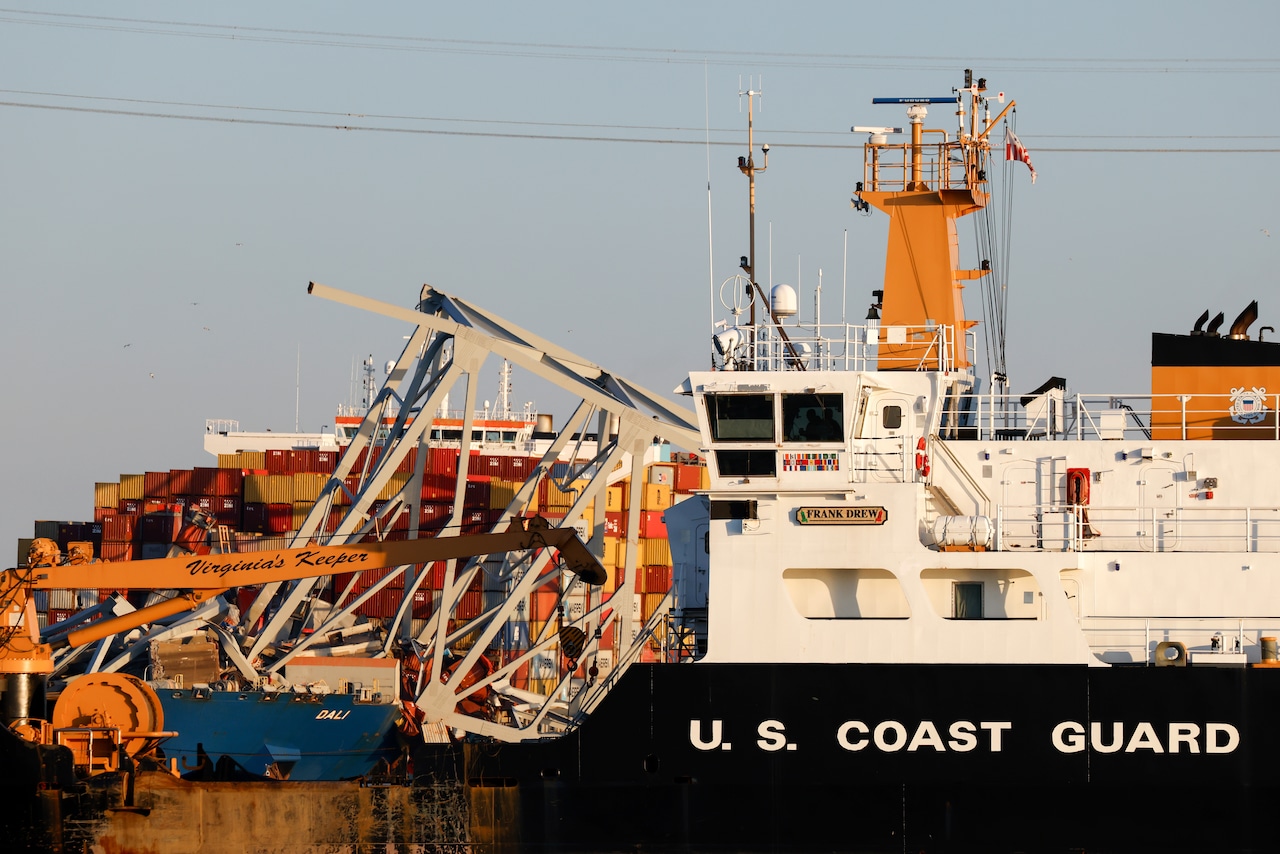
A former Navy officer emphasizes the importance of tugboats for transiting ships in the wake of the recent ship collision at the Francis Scott Key Bridge in Baltimore harbor, stressing that the absence of tugboats was a critical mistake and could have prevented the collision. He recalls the vigilance required during harbor transits and the use of tugboats to assist in maintaining safe speeds and preventing accidents.
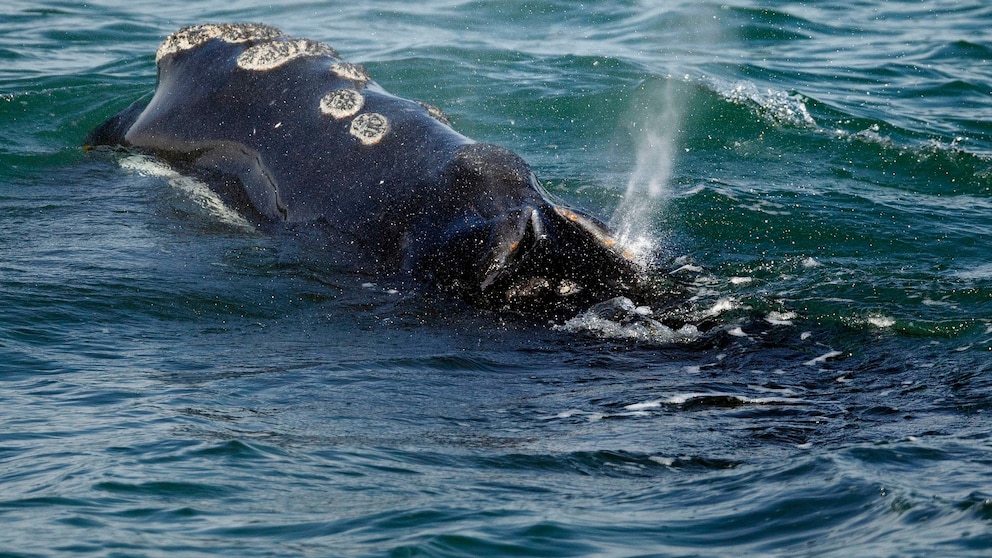
The decline of North Atlantic right whales, one of the rarest whale species, appears to be slowing, with the population leveling off at around 356 whales. However, the whales still face existential threats from warming oceans, ship collisions, and entanglement in fishing gear. While a strong birthing year in 2021 provided some hope, the high mortality rate from collisions and entanglement remains unsustainable. Warming oceans have forced the whales to search for food outside protected areas, making them vulnerable to these threats. Conservationists are calling for new rules to protect the whales, while federal authorities are working on proposed vessel speed and fishing regulations.