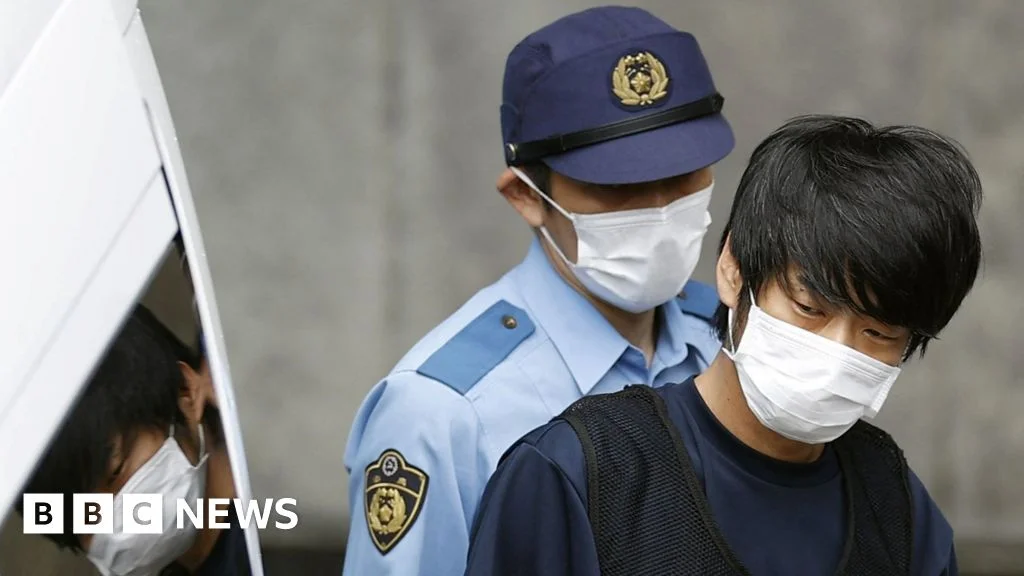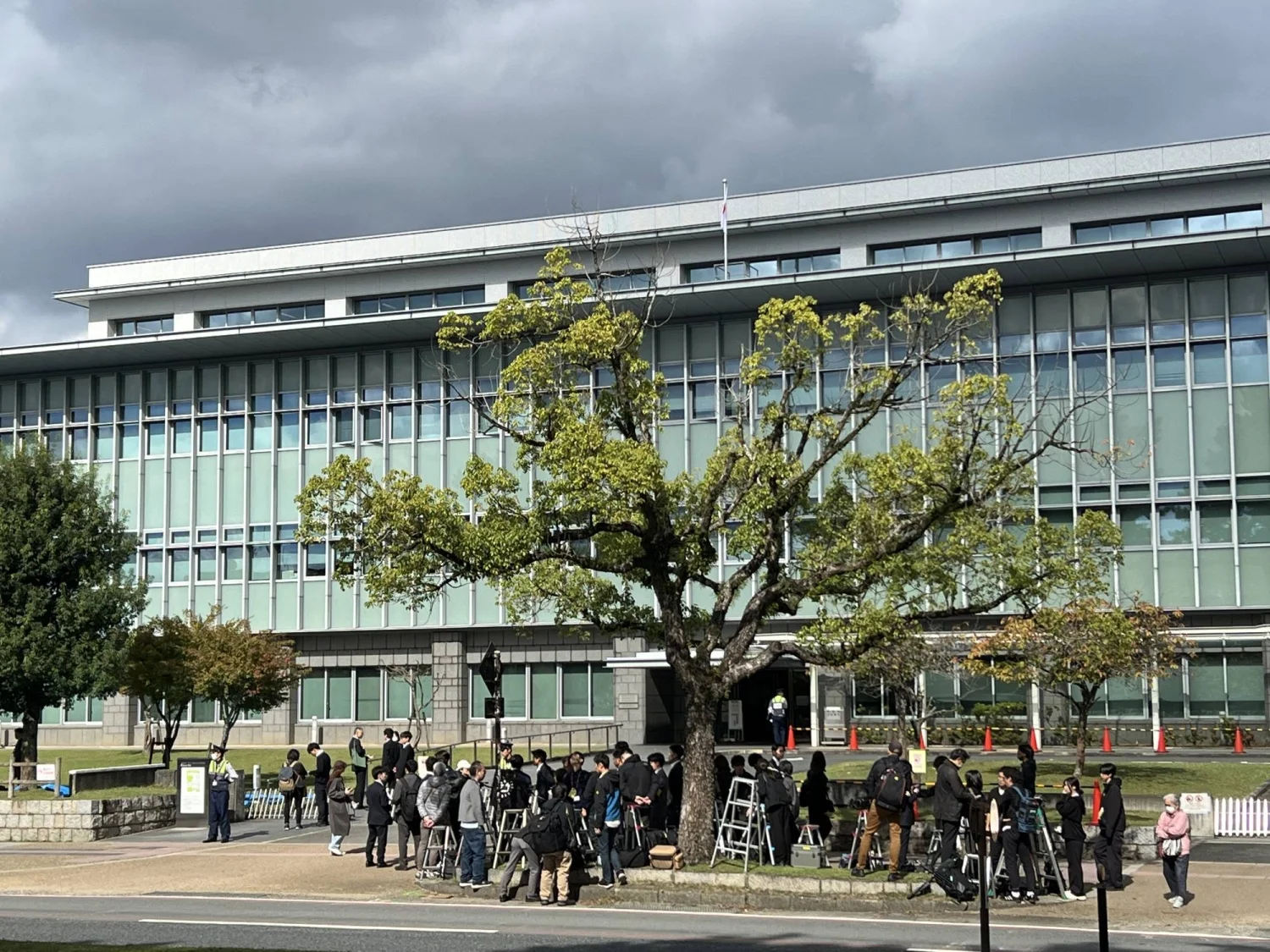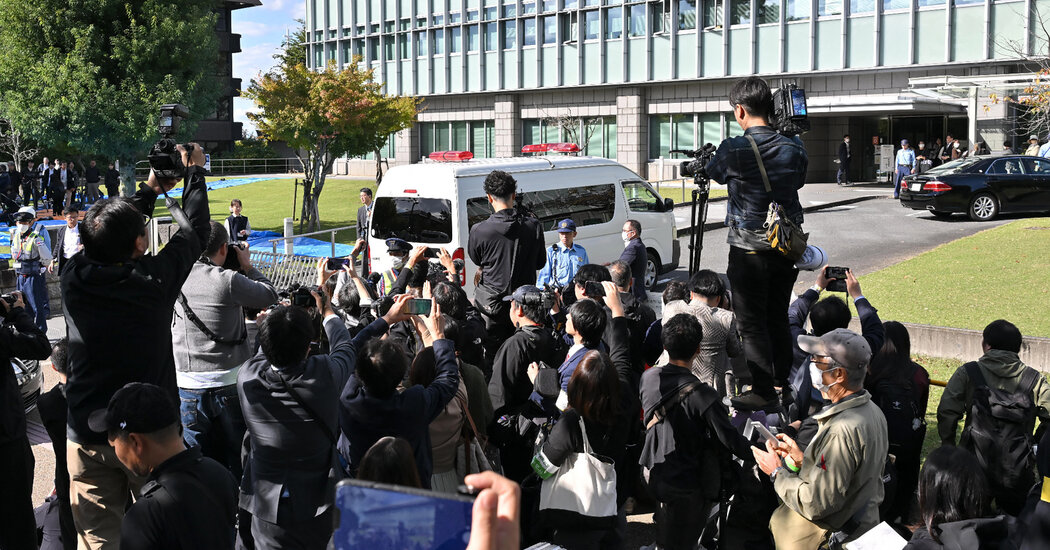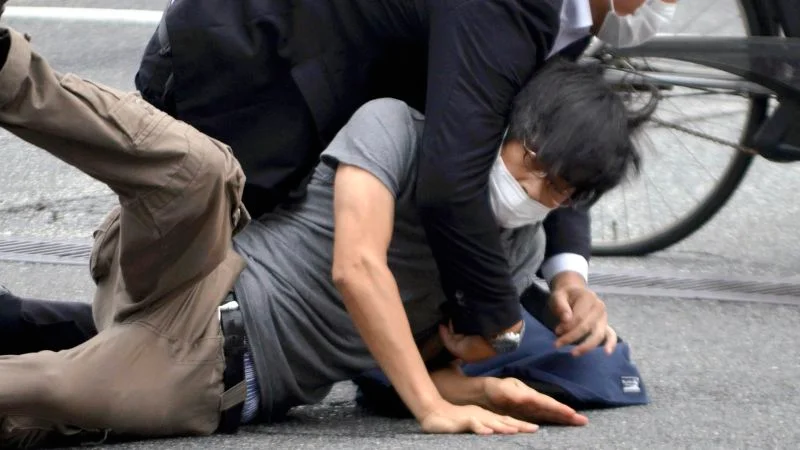
Tetsuya Yamagami, accused of killing former Prime Minister Shinzo Abe in 2022, has pleaded guilty to murder in a Nara court, admitting to the crime during his first court appearance.
Tetsuya Yamagami pleaded guilty to killing former Japanese Prime Minister Shinzo Abe, citing motives linked to the Unification Church and its influence, with the trial ongoing until January. The incident has led to increased scrutiny of the church and stricter gun laws in Japan.
Tetsuya Yamagami, accused of assassinating former Japanese Prime Minister Shinzo Abe in 2022 with a homemade gun, admitted to the killing during his trial in Nara, Japan.
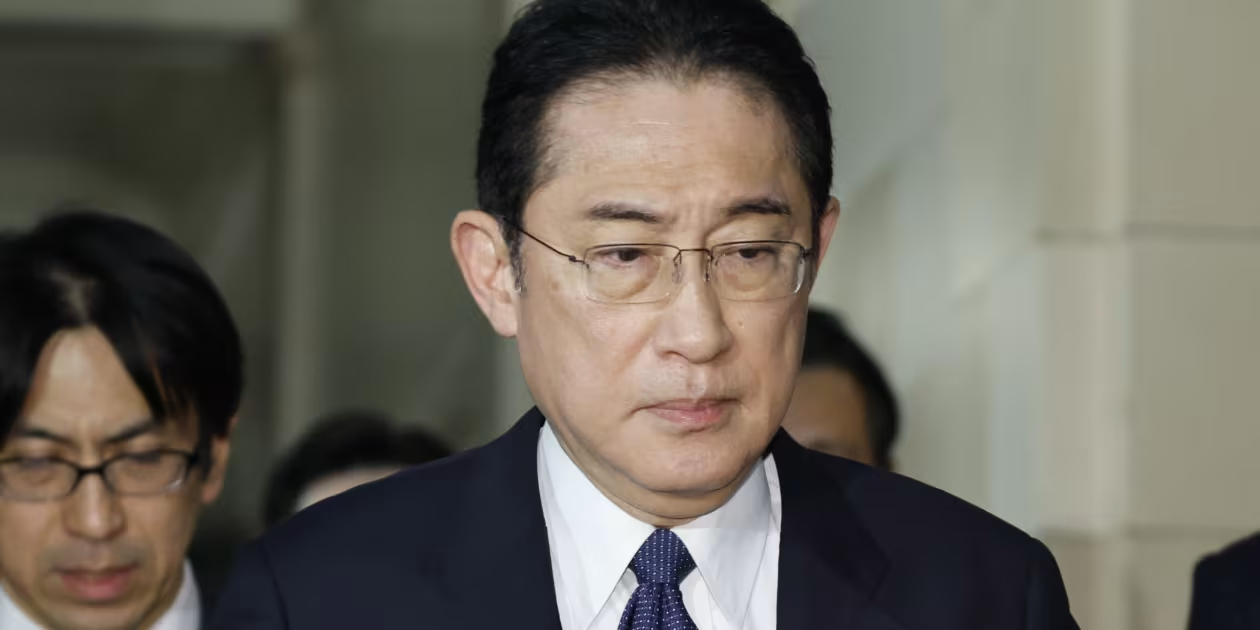
Japanese Prime Minister Fumio Kishida is considering replacing all ministers from the Liberal Democratic Party faction previously led by former Prime Minister Shinzo Abe due to a series of political fundraising scandals. Kishida has already decided to sack Chief Cabinet Secretary Hirokazu Matsuno over his alleged failure to report millions of yen received as part of fundraising efforts for the party faction.
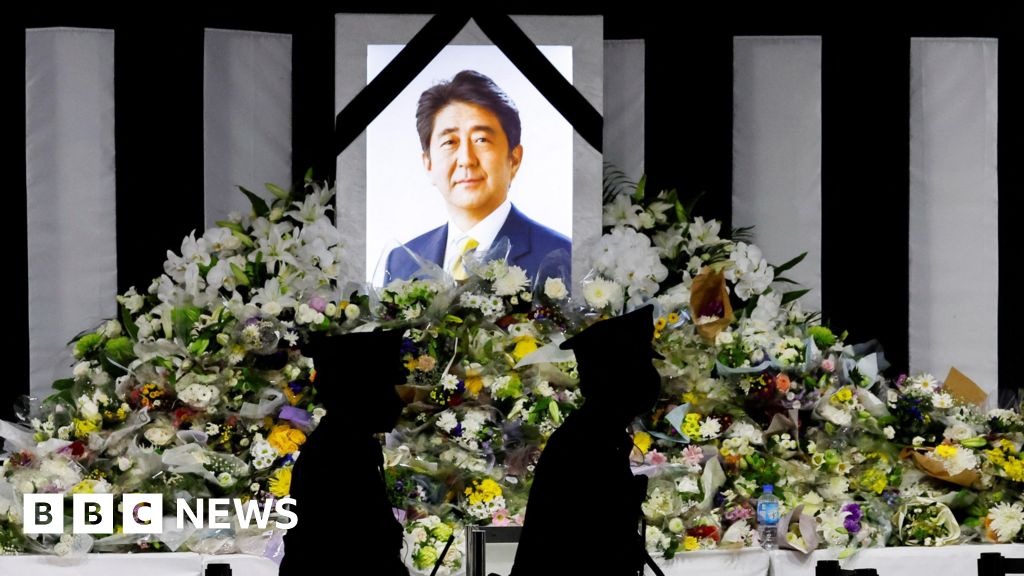
Japanese leaders, including Prime Minister Fumio Kishida, marked the one-year anniversary of the assassination of former Prime Minister Shinzo Abe. Kishida pledged to tackle pressing political goals in honor of Abe's wishes. The memorial service, attended by political and business leaders, was hosted by Abe's widow and family. The suspect, Tetsuya Yamagami, who killed Abe during an election campaign speech, has been charged with murder and violating gun control laws. Yamagami cited Abe's alleged links to a religious group as his motive. Kishida recalled Abe's support and influence, while Abe's widow expressed her desire to make his death meaningful. The investigation has revealed connections between Abe's party and the Unification Church.
A year after his death, former Prime Minister Shinzo Abe's legacy continues to impact both the left and right in Japan. Supporters view him as a charismatic politician who pursued conservative causes and worked to restore Japan's international standing. However, detractors criticize his opaque governing practices and attempts to dismantle Japan's postwar pacifism.
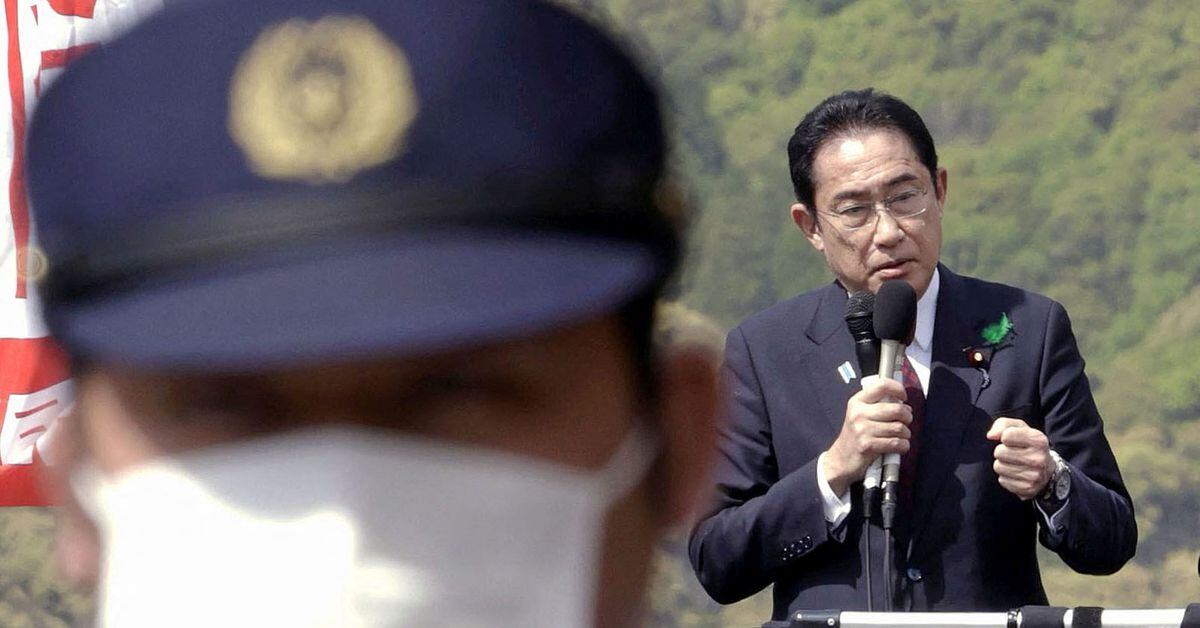
An explosive attack on Japanese Prime Minister Fumio Kishida at an election rally has raised concerns about VIP security in Japan, less than a year after former premier Shinzo Abe was gunned down. The incident highlights vulnerabilities in Japan's security system and a failure to implement changes following Abe's killing. The attack comes weeks before Japan hosts the G7 leaders' summit and exposes the need for Japan to change its awareness and security system.