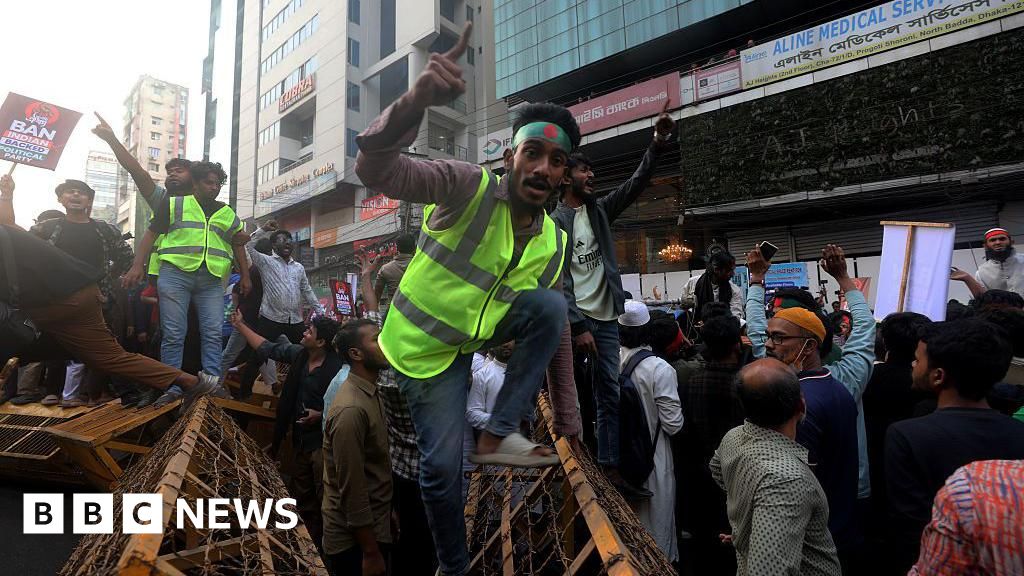
India summoned Bangladesh's envoy over security concerns at its Dhaka mission amid escalating political tensions, protests, and accusations related to Sheikh Hasina's exile and Bangladesh's upcoming elections, straining diplomatic relations between the two countries.
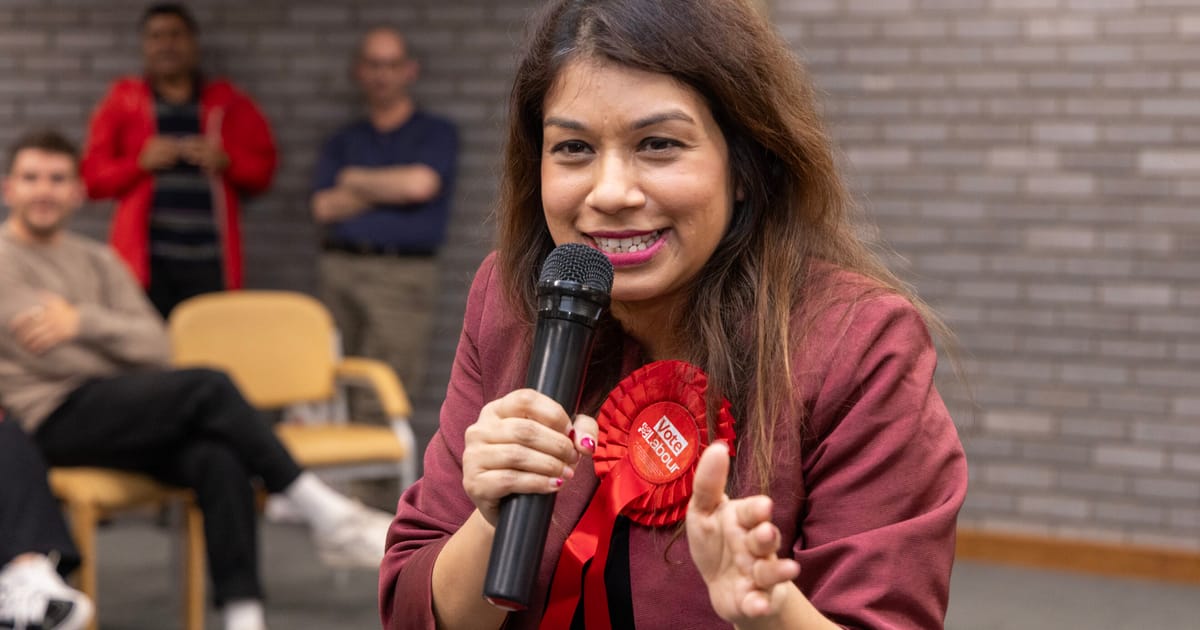
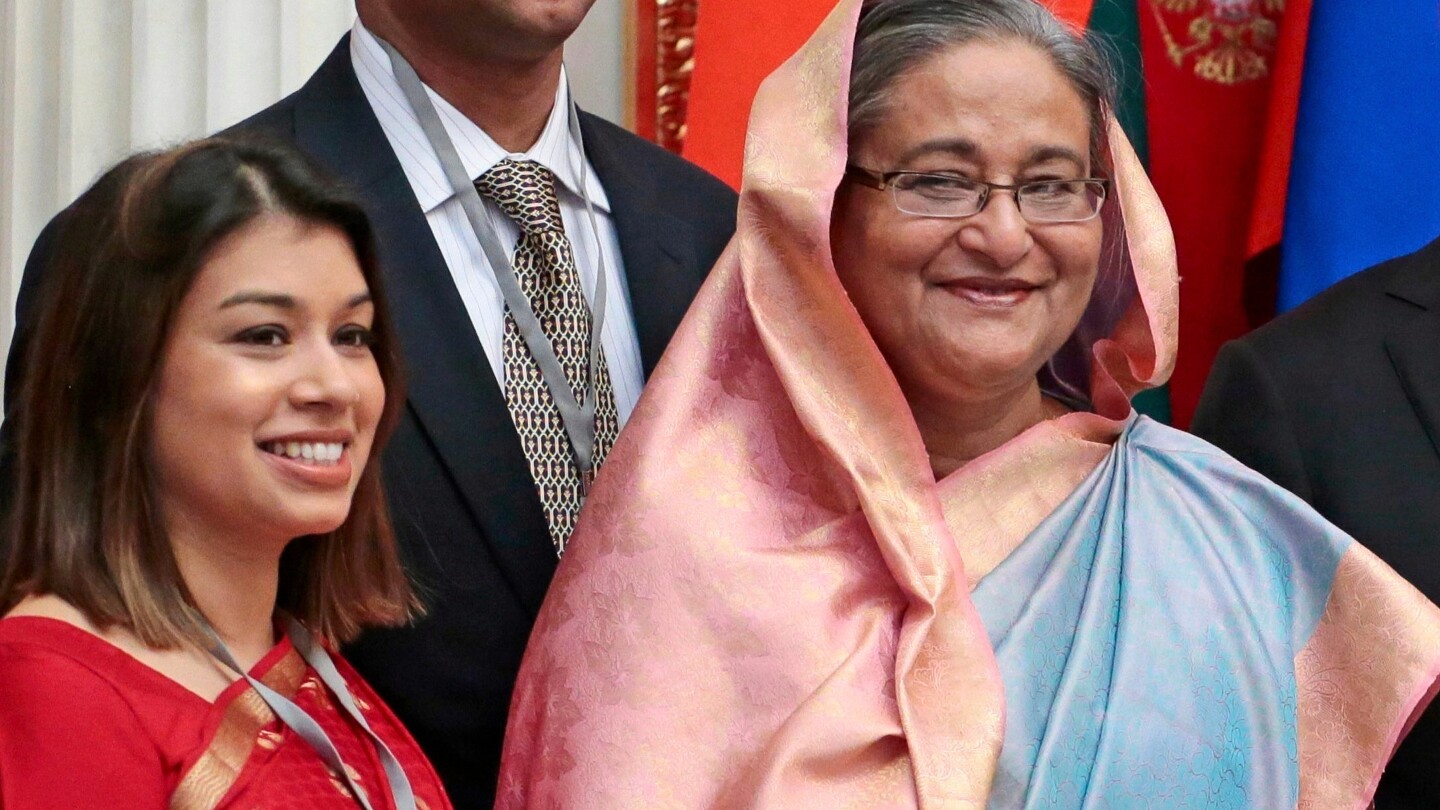
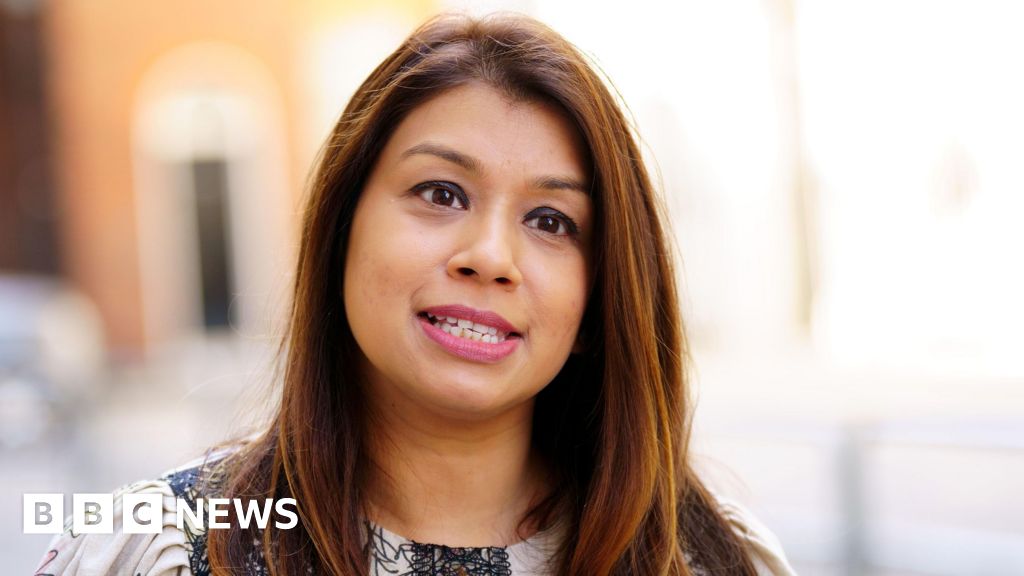
British MP Tulip Siddiq was sentenced to two years in prison in Bangladesh in her absence for allegedly influencing her aunt, ex-Prime Minister Sheikh Hasina, to secure land for her family, a claim she denies and dismisses as politically motivated. The trial is viewed by some legal experts as unfair, and Siddiq remains based in London, focusing on her constituents.
A Bangladeshi court sentenced former Prime Minister Sheikh Hasina to five years and British MP Tulip Siddiq to two years in prison for corruption related to a land project, with Siddiq denying the allegations and claiming political motives. The case involves misuse of power and influence, with other family members also implicated.
Labour MP Tulip Siddiq's trial has begun in Bangladesh over corruption allegations related to land influence, which she denies, claiming the process is politically motivated; she faces potential life imprisonment if convicted.
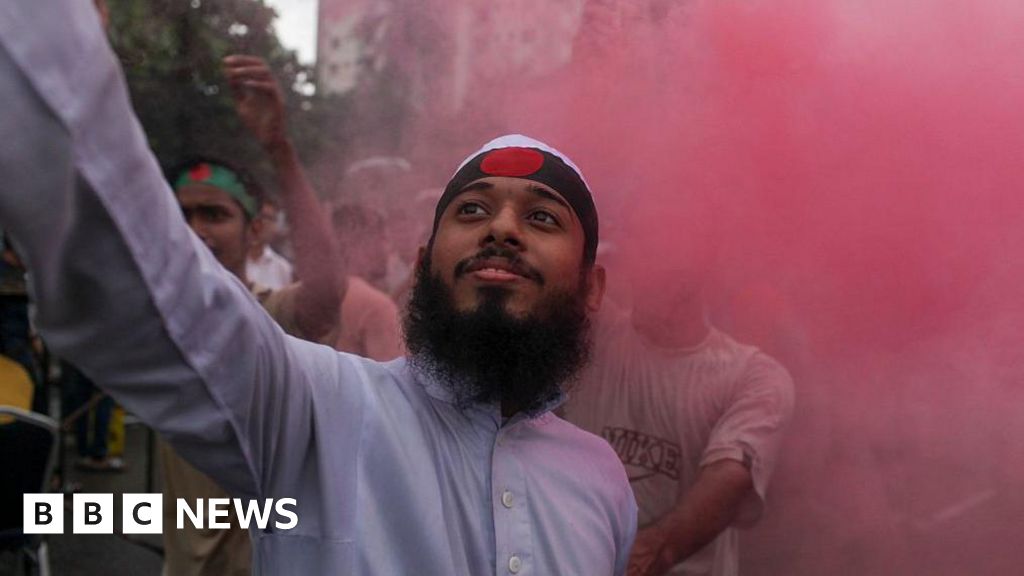
Bangladesh celebrates a political milestone amid ongoing challenges, including violence, religious extremism, and political repression, as the country navigates a transitional period towards democracy and stability under an interim government.
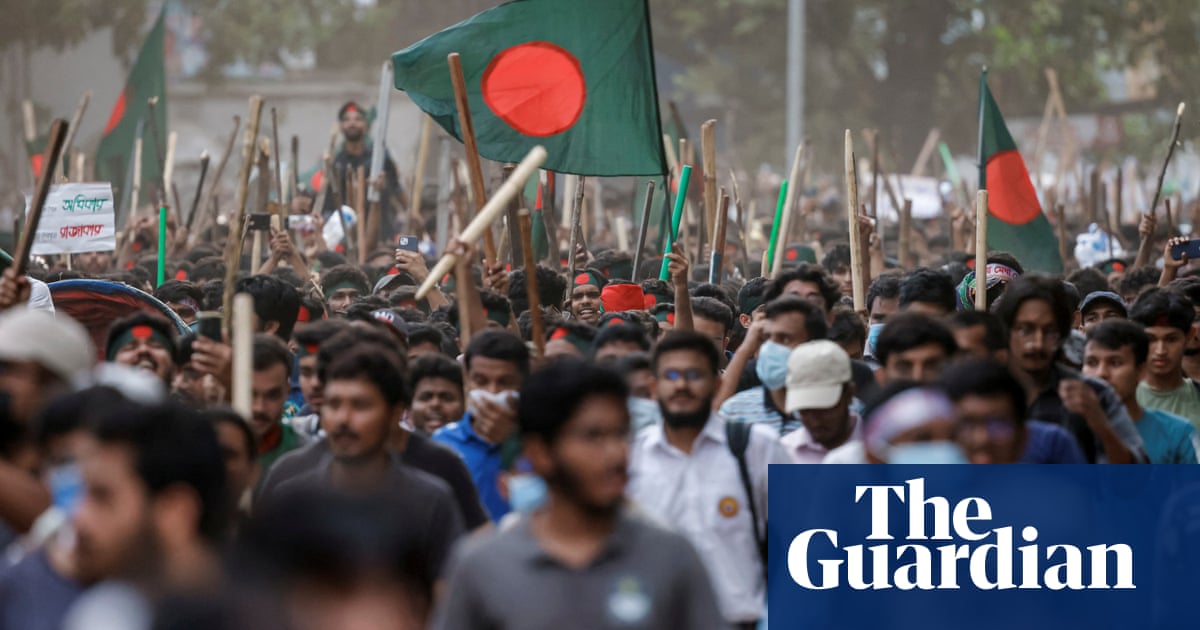
At least two people died and thousands were injured in Bangladesh as police and paramilitary forces cracked down on student protests against the reintroduction of government job quotas favoring descendants of war veterans. The protests, which began over perceived unfairness in the job market, escalated into violent clashes, with students accusing Prime Minister Sheikh Hasina of authoritarianism. Despite a temporary pause on the quota ruling by the supreme court, students vow to continue their demonstrations until the quotas are permanently abolished.
The United States and the United Kingdom have criticized the recent elections in Bangladesh, stating that they were not credible, free, or fair. Both countries condemned the political violence that preceded the election, which saw Prime Minister Sheikh Hasina's party winning a majority of parliamentary seats amid low voter turnout and opposition party boycotts. The U.S. urged Bangladesh to investigate reports of violence and hold those responsible accountable, while the U.K. expressed concerns about the lack of democratic standards leading up to the election. Despite international scrutiny, Hasina claimed the elections were free and fair, but the opposition boycotted the election, and voter turnout was low.
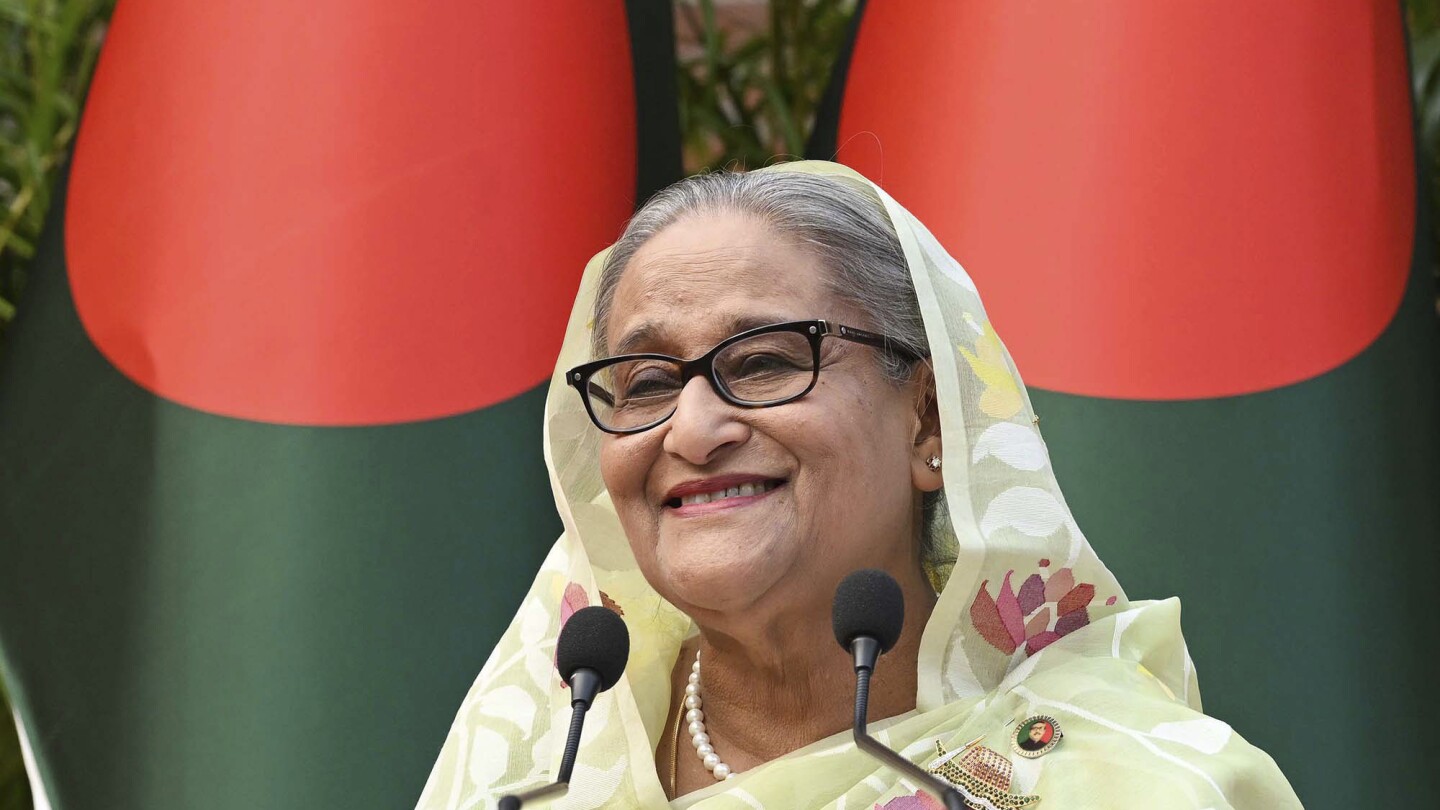
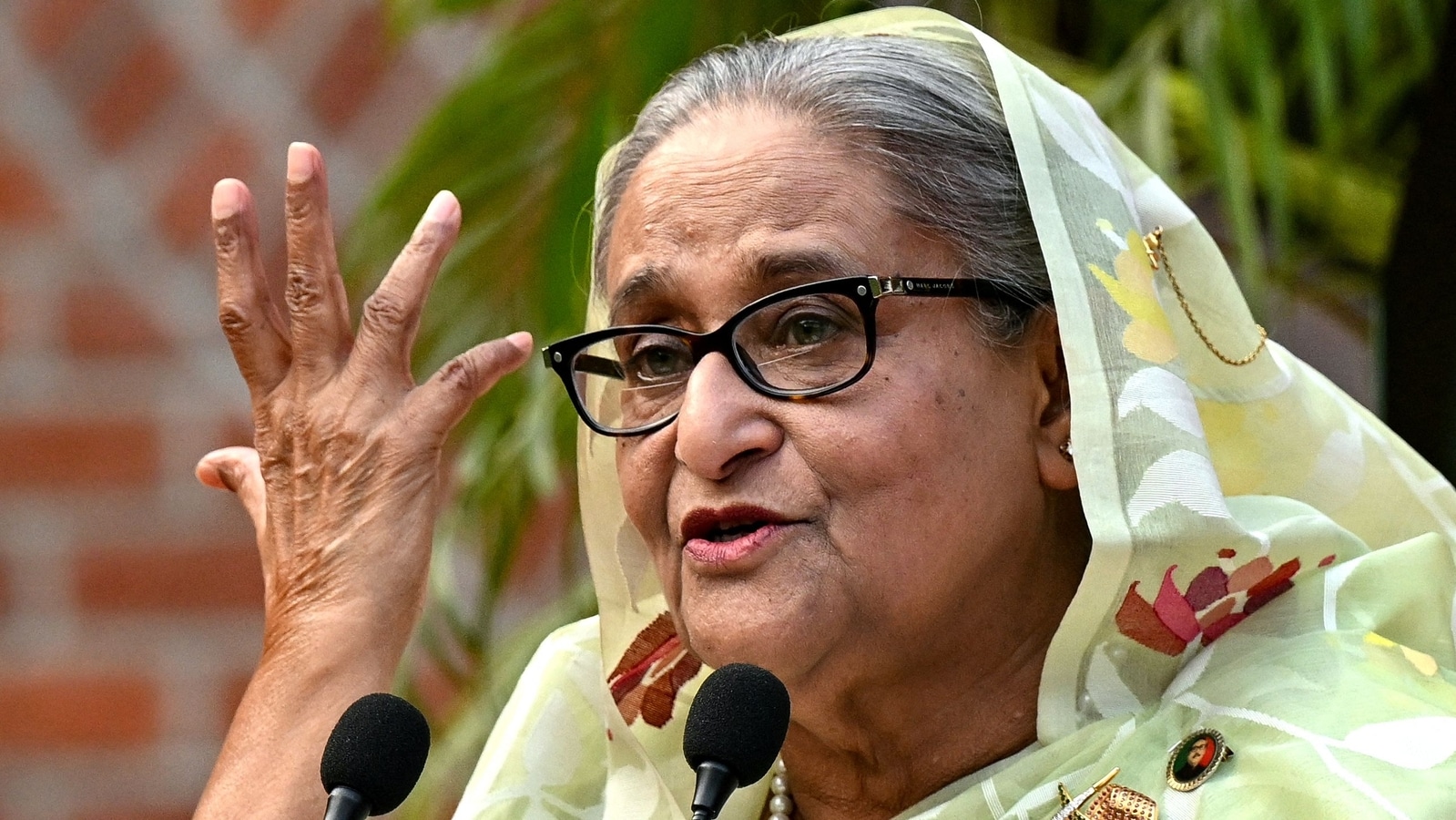
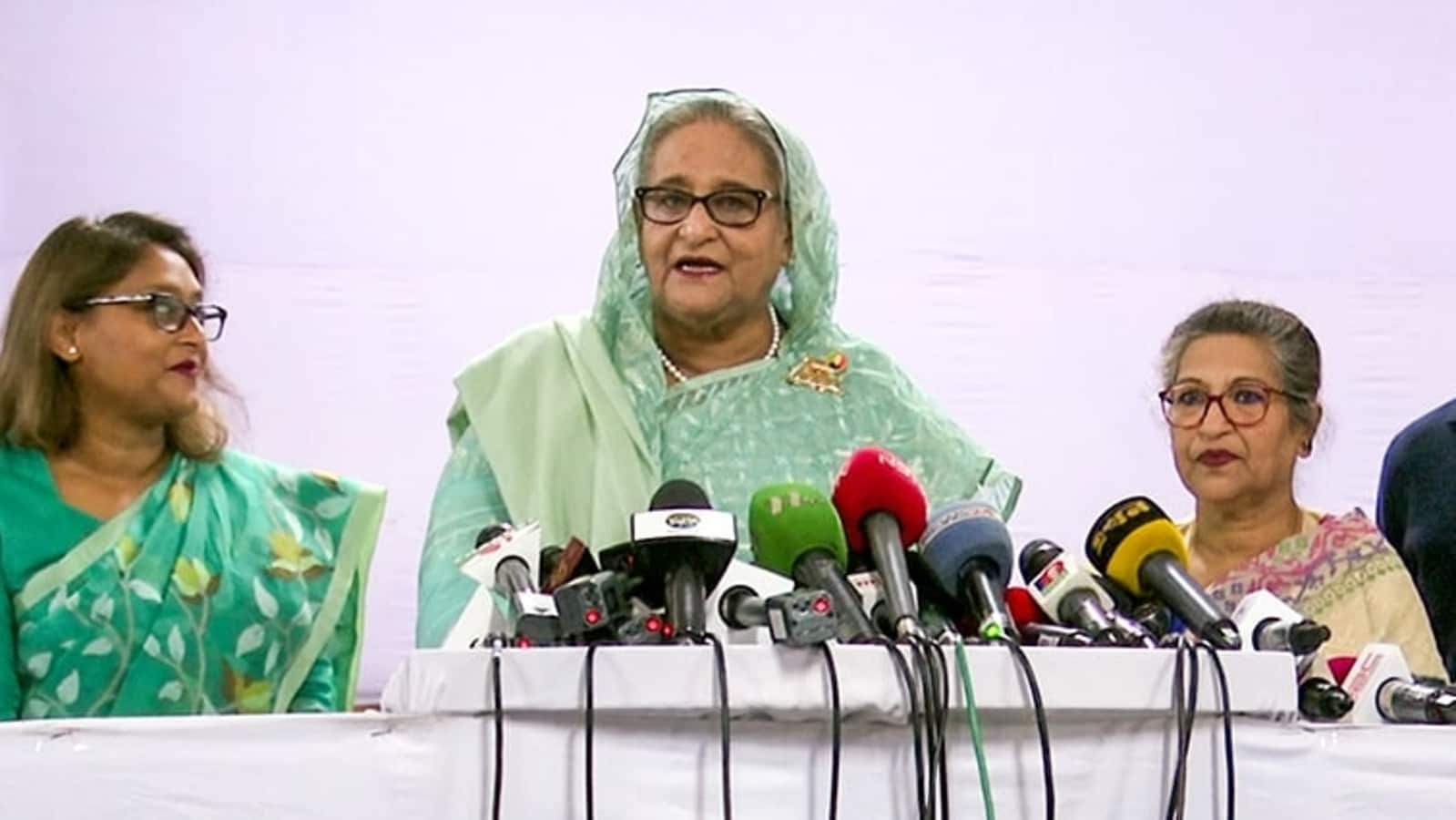
Bangladesh Prime Minister Sheikh Hasina, in response to a question comparing her with other great women prime ministers, emphasized that she focuses on serving her people with motherly affection and does not let her gender hinder her work. She expressed humility by stating that she considers herself a common person and not as great as leaders like Indira Gandhi, Sirimavo Bandaranaike, or Golda Meir. Hasina highlighted her commitment to serving her country and people, attributing her success to the support of the Bangladeshi people.
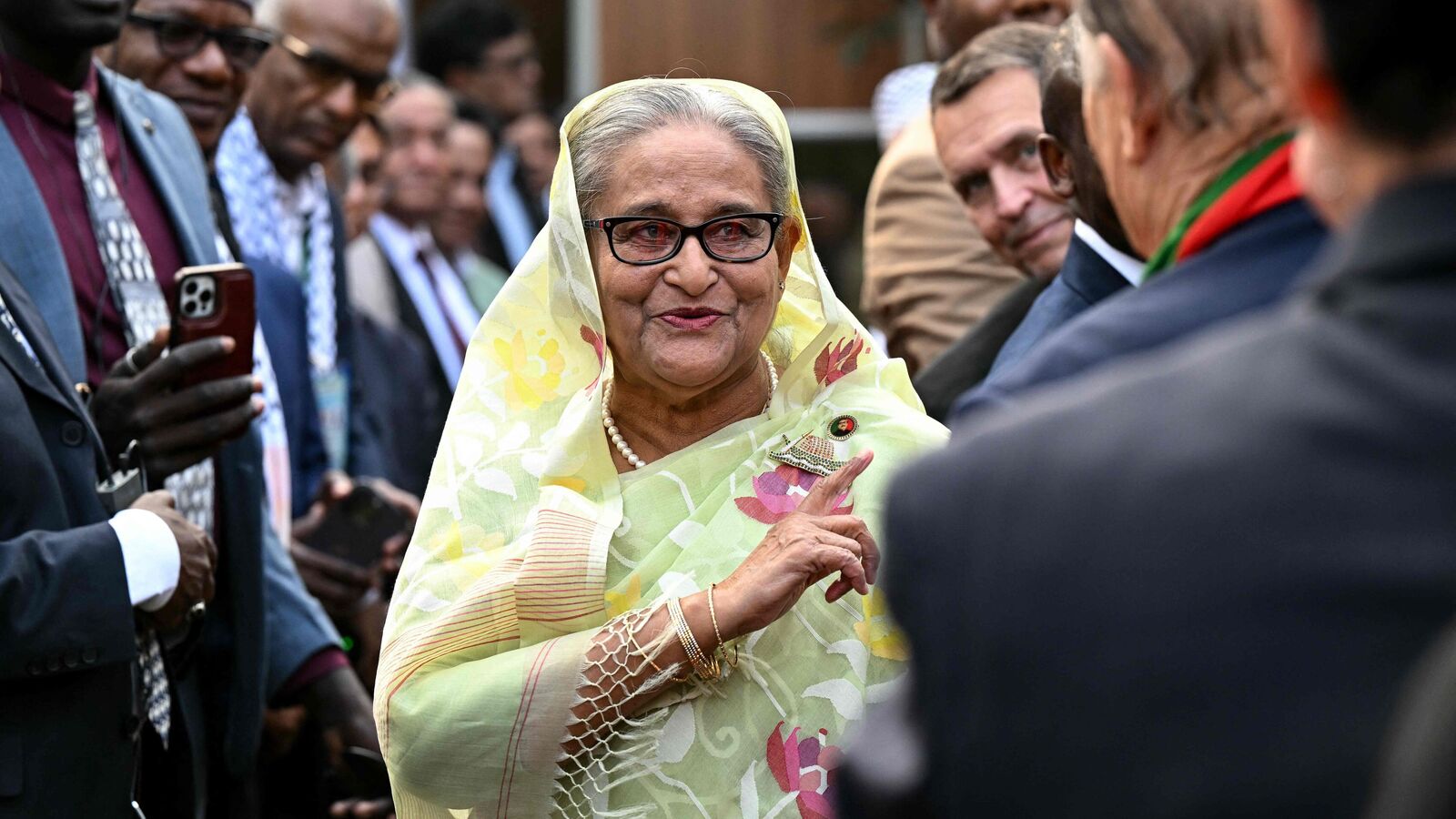
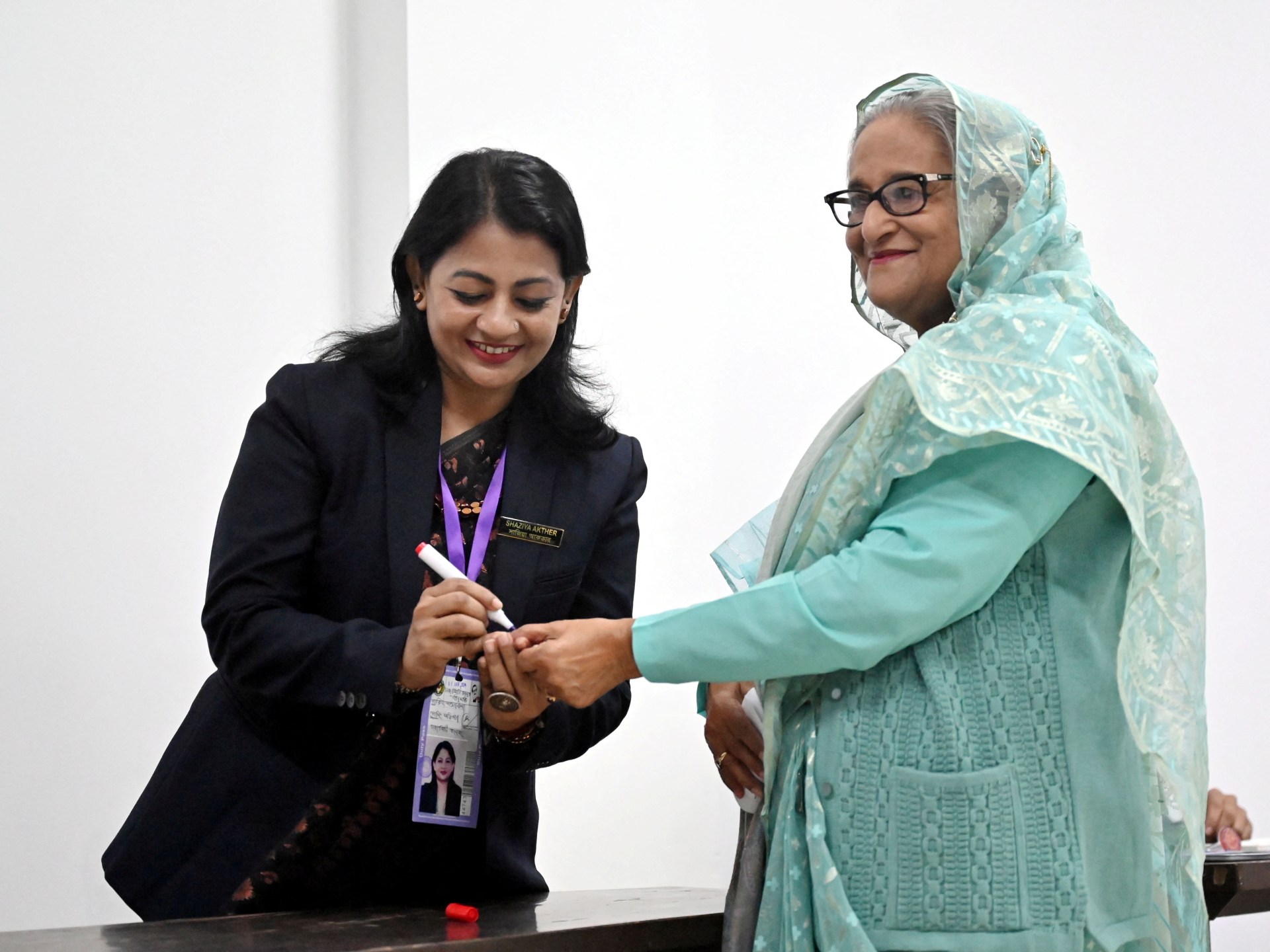
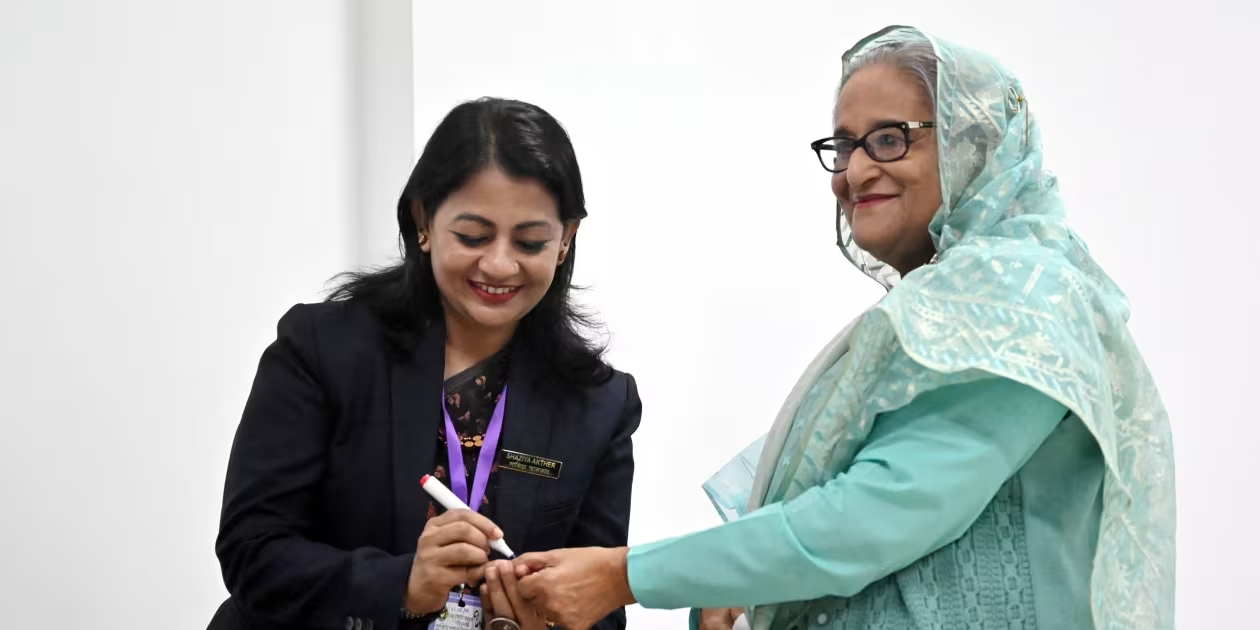
Bangladesh's Prime Minister Sheikh Hasina secured her fifth term in office after her party, the Awami League, won 223 of 299 seats in the national elections, which were boycotted by opposition parties. Indian Prime Minister Narendra Modi congratulated Hasina on her victory and emphasized India's commitment to strengthening its partnership with Bangladesh. Hasina, in turn, expressed gratitude towards India for its support and highlighted the historical significance of their relationship, particularly during the Bangladesh Liberation War in 1971. She also reiterated her focus on economic progress and fulfilling her election promises, emphasizing her commitment to serving the people of Bangladesh.
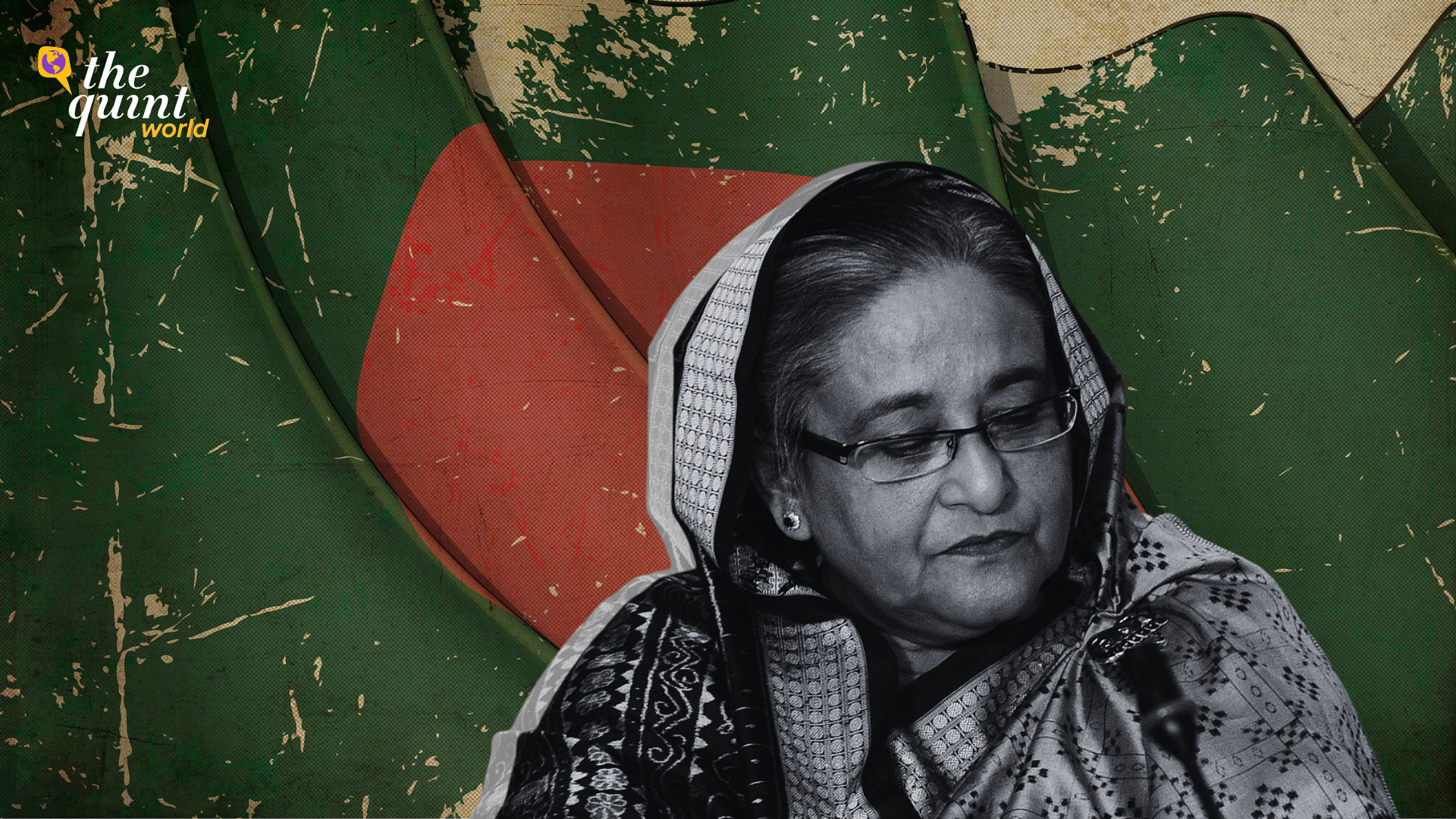
Sheikh Hasina, once a democracy icon, has been criticized for her increasingly autocratic rule marked by arrests of opposition leaders, crackdowns on free speech, and suppression of dissent. Despite leading Bangladesh through economic growth and receiving international acclaim for her handling of the Rohingya refugee crisis, her intolerance towards dissent has led to resentment at home and concern from Western powers. With her recent election win, the spotlight is on how she will uphold democracy and tackle economic challenges in her next term.
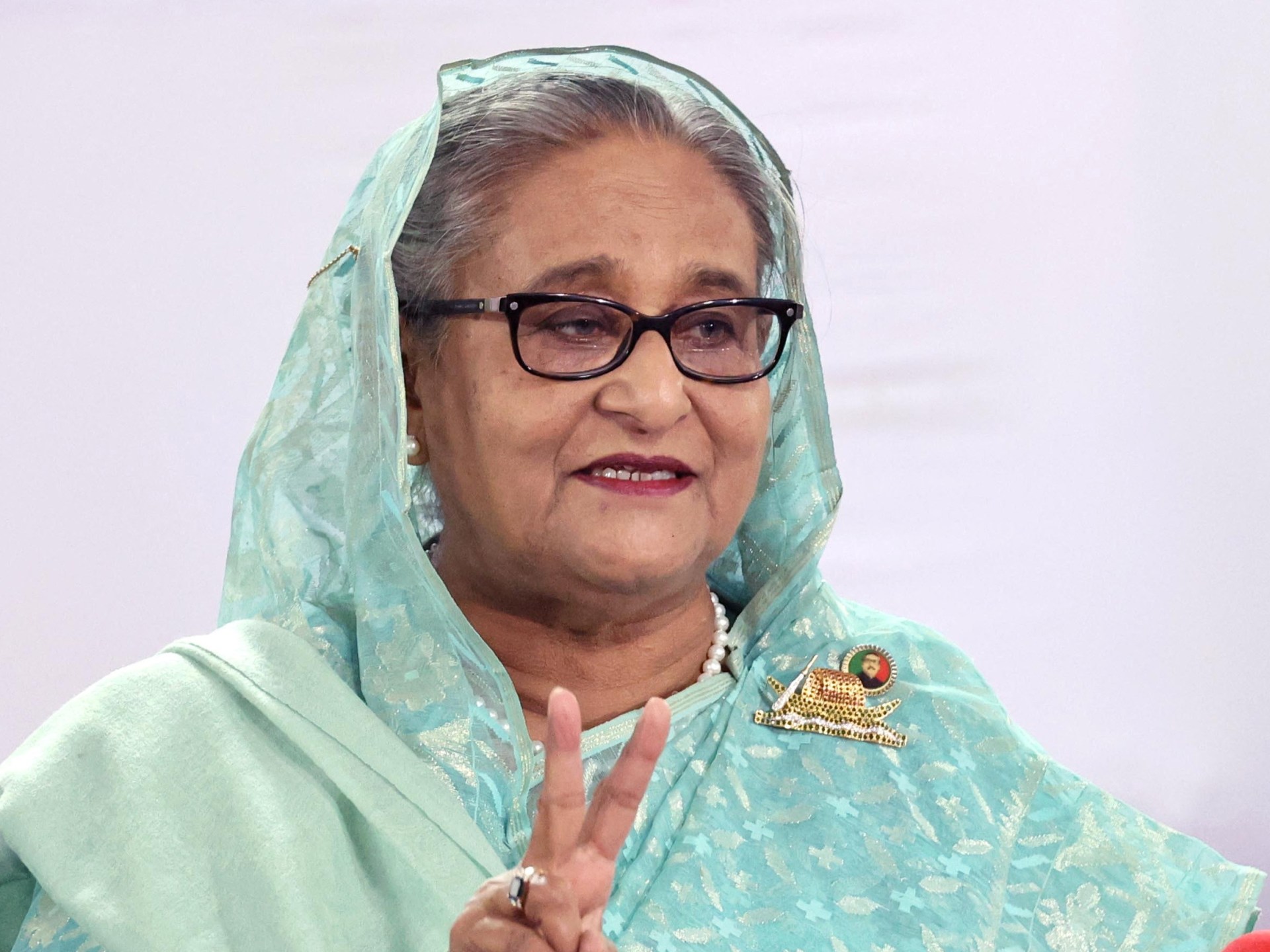
Prime Minister Sheikh Hasina has been re-elected for a historic fifth term in office after her Awami League Party secured an absolute majority in the Bangladesh general elections, despite low voter turnout and a boycott by the opposition party. The election saw the Awami League win 216 out of 224 seats, making Hasina the world's longest-serving female head of state. The opposition party, led by former PM Khaleda Zia, boycotted the election after Hasina refused to step down, and there were reports of pre-election violence.
Sheikh Hasina has won her fifth term as Bangladesh's prime minister in an election marred by controversy over voter turnout and the absence of a strong parliamentary opposition. Independent candidates secured the second highest number of seats, leading to concerns about the legitimacy of the election. The Election Commission's claim of a 40 percent turnout has been met with skepticism, with opposition leaders alleging that most polling booths were empty. While the election was relatively peaceful, questions remain about its fairness and the credibility of the results.
Bangladesh's ruling Awami League and Prime Minister Sheikh Hasina secured a fourth consecutive term in a Sunday election marked by an opposition boycott, allegations of rigging, violent incidents, and low voter turnout, with the ruling party securing 223 out of 299 seats.
Sheikh Hasina, the Prime Minister of Bangladesh, is poised to win a fifth term amid controversy over election fairness and her refusal to appoint a caretaker government. Her tenure has seen significant economic growth, transforming Bangladesh into South Asia's second-largest economy, but has been marred by allegations of human rights abuses and suppression of democracy. Critics describe her governance as an "iron fist in a velvet glove," with the last two elections criticized for irregularities and the opposition weakened. Despite surviving 19 assassination attempts, Hasina remains determined to lead her nation towards upper-middle-income status by 2031.