Tag

Shakealert

All articles tagged with #shakealert

"30 Years After: The Evolution of Earthquake Science and Preparedness"

Originally Published 2 years ago — by Los Angeles Times

Featured image for "30 Years After: The Evolution of Earthquake Science and Preparedness"
Source: Los Angeles Times

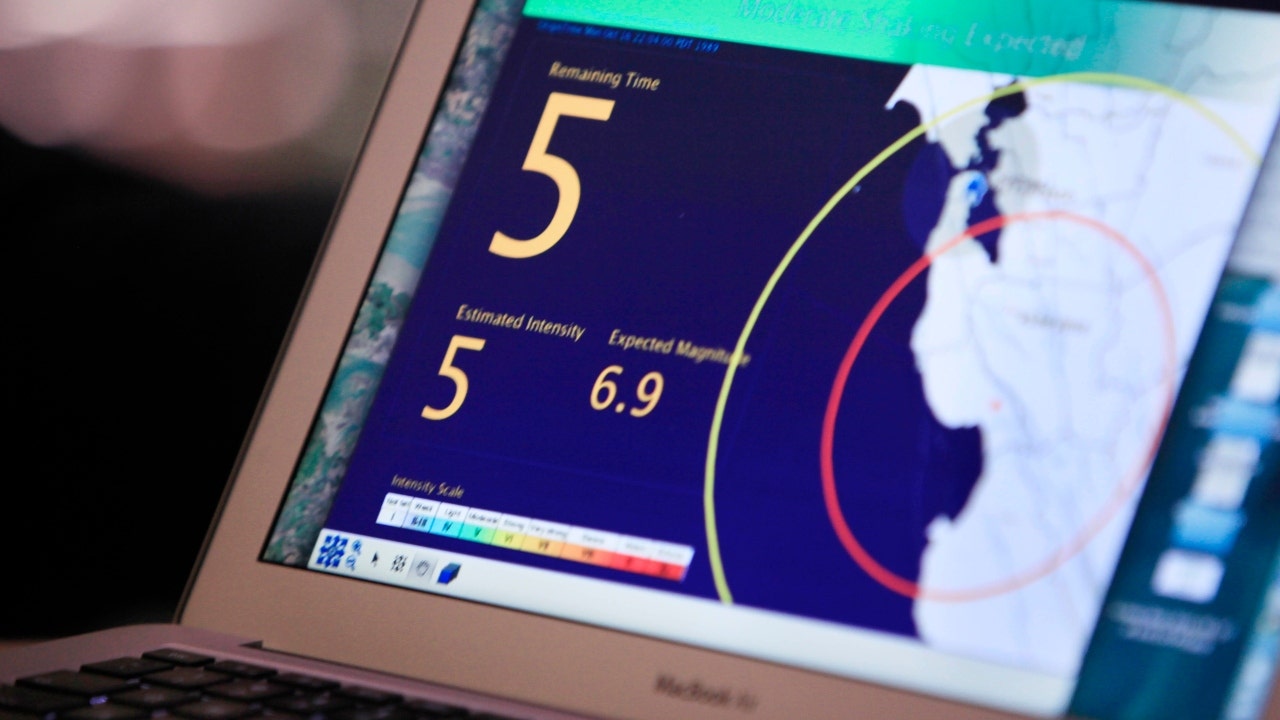
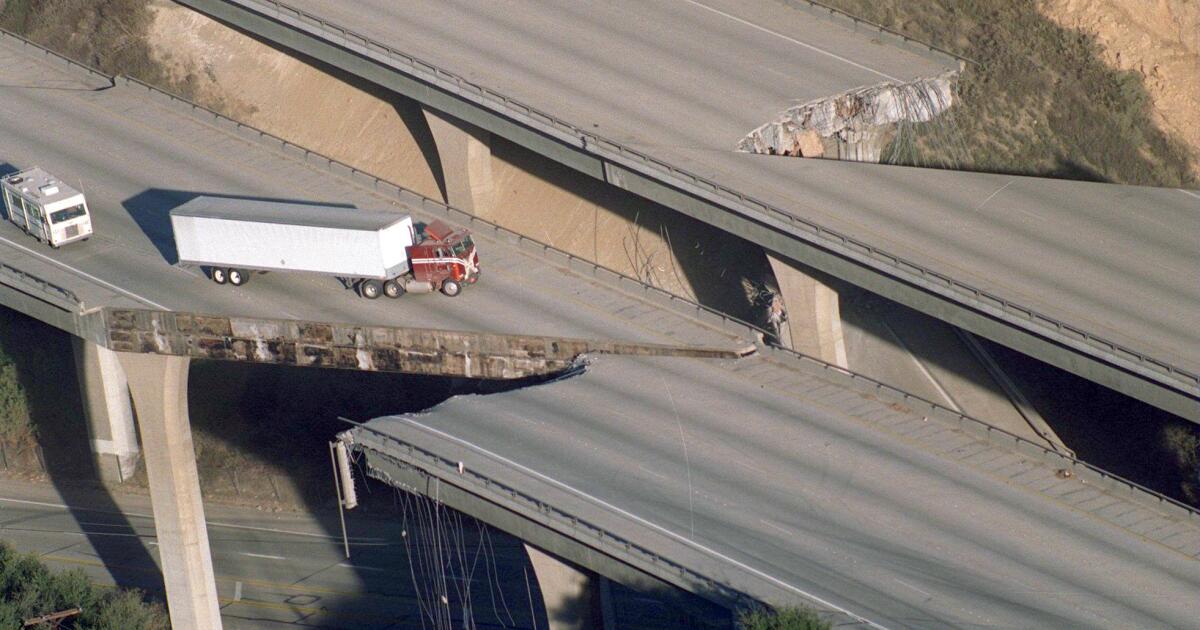
The 1994 Northridge earthquake led to significant advancements in earthquake science and technology, including the development of ShakeMap for tracking ground motion, the establishment of the ShakeAlert early warning system, and the expansion of seismic monitoring networks. These advancements have improved earthquake response and preparedness efforts, but challenges remain in engaging the public, improving early warning systems, and fostering community resilience in the face of future earthquakes.


"4.1 Magnitude Quake Rattles Lytle Creek, Shaking Southern California"

Originally Published 2 years ago — by The Associated Press

Featured image for "4.1 Magnitude Quake Rattles Lytle Creek, Shaking Southern California"
Source: The Associated Press

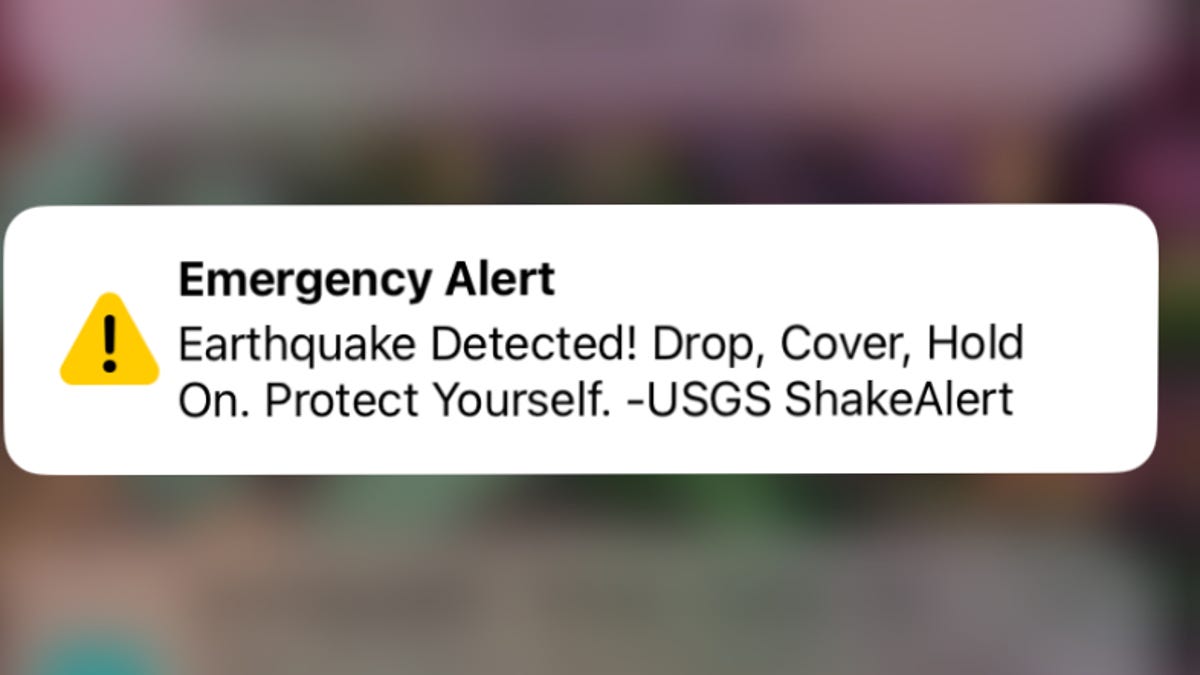
Southern California experienced a 4.1 magnitude earthquake centered near Lytle Creek in the San Gabriel Mountains, with no immediate reports of significant damage or injuries. The quake was felt across several counties, including downtown Los Angeles. The ShakeAlert system sent out alerts due to an initial higher magnitude estimate. Local officials and seismologists are assessing the impact, and there have been minor incidents of falling objects but no structural damage or injuries reported.

"Southern California Rattled by Series of Earthquakes, No Injuries"

Originally Published 2 years ago — by ABC News

Featured image for "Southern California Rattled by Series of Earthquakes, No Injuries"
Source: ABC News

Southern California experienced a moderate earthquake with a preliminary magnitude of 4.1, centered near Lytle Creek in the San Gabriel Mountains. There were no immediate reports of significant damage or injuries, although some minor incidents like falling rocks and a broken decorative item were noted. The quake was felt across several counties, and alerts were sent out by the ShakeAlert system. Seismologists are monitoring the situation, especially considering the quake's occurrence near the convergence of the San Andreas and San Jacinto faults.

"Startling Earthquake Alerts: Testing, Magnitude, and Misinformation Explained"

Originally Published 2 years ago — by The New York Times

Featured image for "Startling Earthquake Alerts: Testing, Magnitude, and Misinformation Explained"
Source: The New York Times

Users of the earthquake alerts app, MyShake, on the West Coast were startled when a test alert for a simulated magnitude 5 earthquake was sent seven hours early due to a time zone mix-up. The app, developed by the University of California, Berkeley, had planned to send the test alert at 10:19 a.m. Pacific time but was mistakenly sent at 3:19 a.m. Pacific time. The alert reached potentially over a million people, causing some to be jolted awake. The error does not affect the app's real-time alert system, and another test alert was sent later as planned. ShakeAlert, the system that powers MyShake, is constantly improving, and the incident serves as a reminder that earthquakes can strike at any time.

Series of Earthquakes Shake Northern California, Including Bay Area and Sacramento Region

Originally Published 2 years ago — by USA TODAY

Featured image for Series of Earthquakes Shake Northern California, Including Bay Area and Sacramento Region
Source: USA TODAY

A magnitude 4.2 earthquake struck Northern California near Isleton, triggering a "ShakeAlert" across the region. There were no immediate reports of injuries or damage. The alert, which was sent to millions of residents, caused some initial confusion as the preliminary magnitude estimates varied. Despite the alert potentially appearing bigger than the actual quake, officials emphasized the importance of prioritizing safety and being prepared for earthquakes, which can occur at any time.

"California's Earthquake Preparedness: Testing Alerts and Tools for the Big One"

Originally Published 2 years ago — by KQED

Featured image for "California's Earthquake Preparedness: Testing Alerts and Tools for the Big One"
Source: KQED

The MyShake app, developed by UC Berkeley seismologists, is conducting a test alert to simulate an earthquake warning system. The app collects data from the US Geological Services ShakeAlert system and sends alerts to phones in areas where shaking is predicted. Users who are far from the epicenter will receive the alert a few seconds before the shaking intensifies, allowing them to take protective action. If users don't receive the test alert, it may be due to disabled alerts or location services. The app also collects user experience reports and motion data for research purposes. The goal of the test alert is to encourage earthquake preparedness and practice safety measures.

"Southern California Shaken by 3.8 Magnitude Earthquake in Malibu"

Originally Published 2 years ago — by USA TODAY

Featured image for "Southern California Shaken by 3.8 Magnitude Earthquake in Malibu"
Source: USA TODAY

A 3.8 magnitude earthquake struck Southern California near Malibu, with no immediate reports of injuries. The US Geological Survey (USGS) stated that the earthquake was too small to trigger alerts to cell phones. Southern California experiences around 10,000 earthquakes annually, with most being too small to be felt. In May, a 5.5 magnitude earthquake hit Northern California, causing disruptions and 911 line outages.

Residents Awakened by Shaking from California Earthquakes

Originally Published 2 years ago — by Fox News

Featured image for Residents Awakened by Shaking from California Earthquakes
Source: Fox News

A swarm of earthquakes, including a notable magnitude 4.4, rattled communities near Santa Rosa in north-central California. The ShakeAlert system was activated, and while there were no immediate reports of damage, the seismic activity reportedly woke sleeping residents and caused dogs to bark. Geothermal activity on Cobb Mountain had recently generated earthquakes in the area, but experts say the possibility of a major earthquake is remote. California generally gets two or three earthquakes large enough to cause moderate damage to structures that are magnitude 5.5 and higher each year.