
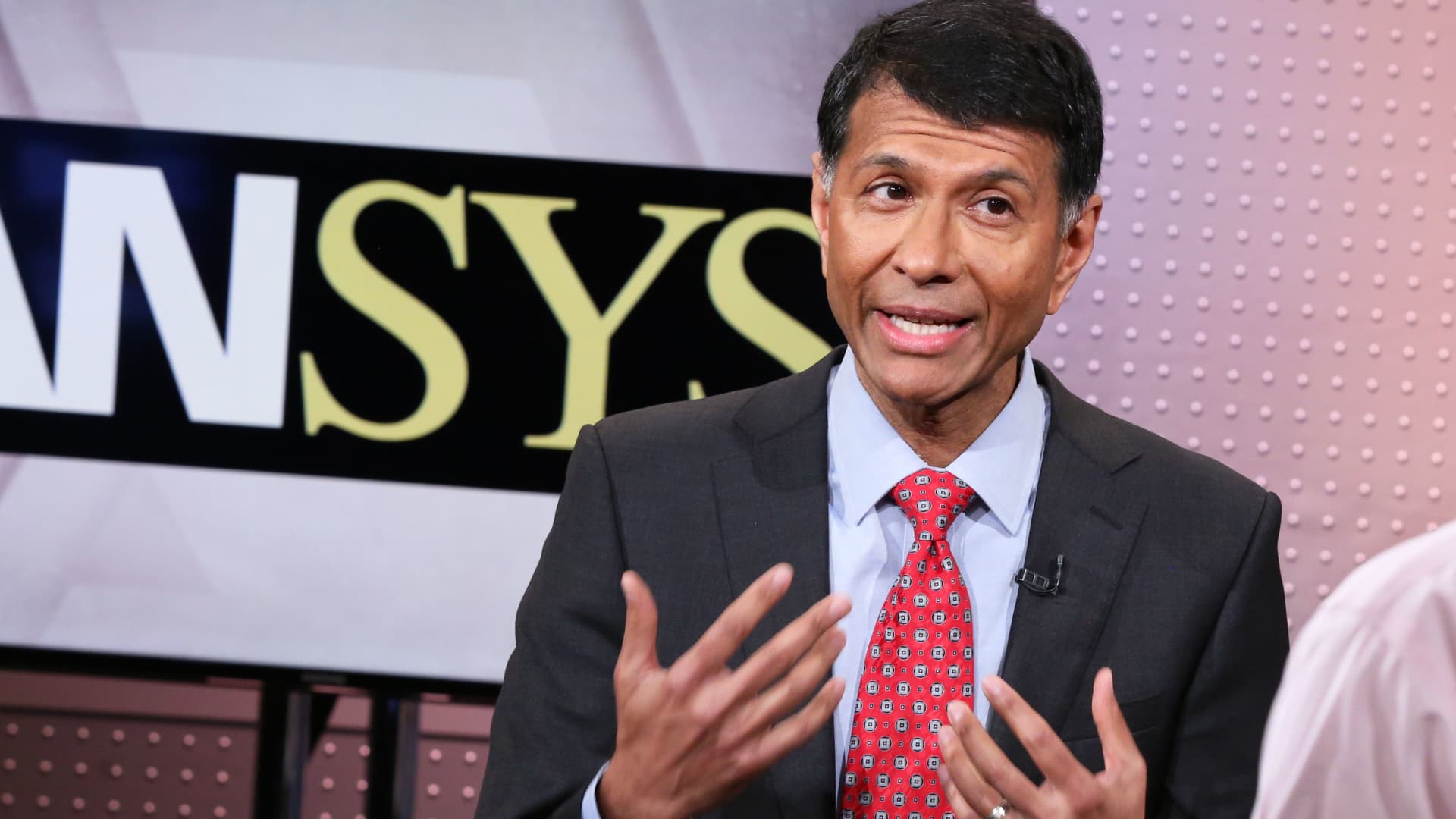
Synopsys has announced its acquisition of Ansys, an engineering and product design software firm, in a $35 billion cash-and-stock deal, with Ansys shareholders set to own 16.5% of Synopsys following the merger. The deal, expected to close in the first half of 2025 pending regulatory and shareholder approval, will be partially funded by $16 billion of debt financing and is not expected to be immediately accretive until at least a year after the deal closes. Synopsys shares were up slightly in pre-market trading, while Ansys shares slipped 4% Tuesday morning but were up more than 14% since December.

Huawei has defied US sanctions and released its 5G Mate 60 smartphone, featuring its own advances in semiconductor design with chipmaking help from SMIC. The launch coincided with a visit by US Commerce Secretary Gina Raimondo, sending a message that Huawei doesn't need the US. The Mate 60's processor is the first to utilize SMIC's most advanced 7nm technology, indicating progress in China's attempts to build a domestic chip ecosystem. The phone's specs include a 6.82-inch LTPO OLED display and a 50MP camera.
Huawei is planning a comeback in the 5G smartphone industry by the end of this year, according to research firms. The company is expected to procure 5G chips domestically using its own semiconductor design tools and chipmaking from Semiconductor Manufacturing International Co (SMIC). Huawei's consumer electronics business was severely impacted by a US ban on equipment sales, but with access to 5G chips, the company aims to regain its position in the market. However, limited chip yields and the absence of Google's Android operating system may pose challenges for Huawei's success outside of China.