Over 1,400 students had their SATs unexpectedly canceled at the Oakland Marriott Hotel due to a Wi-Fi issue. The College Board apologized and cited a shortage of traditional test centers as the reason for using non-traditional locations like hotels. Affected students will receive full refunds and the opportunity to retest.
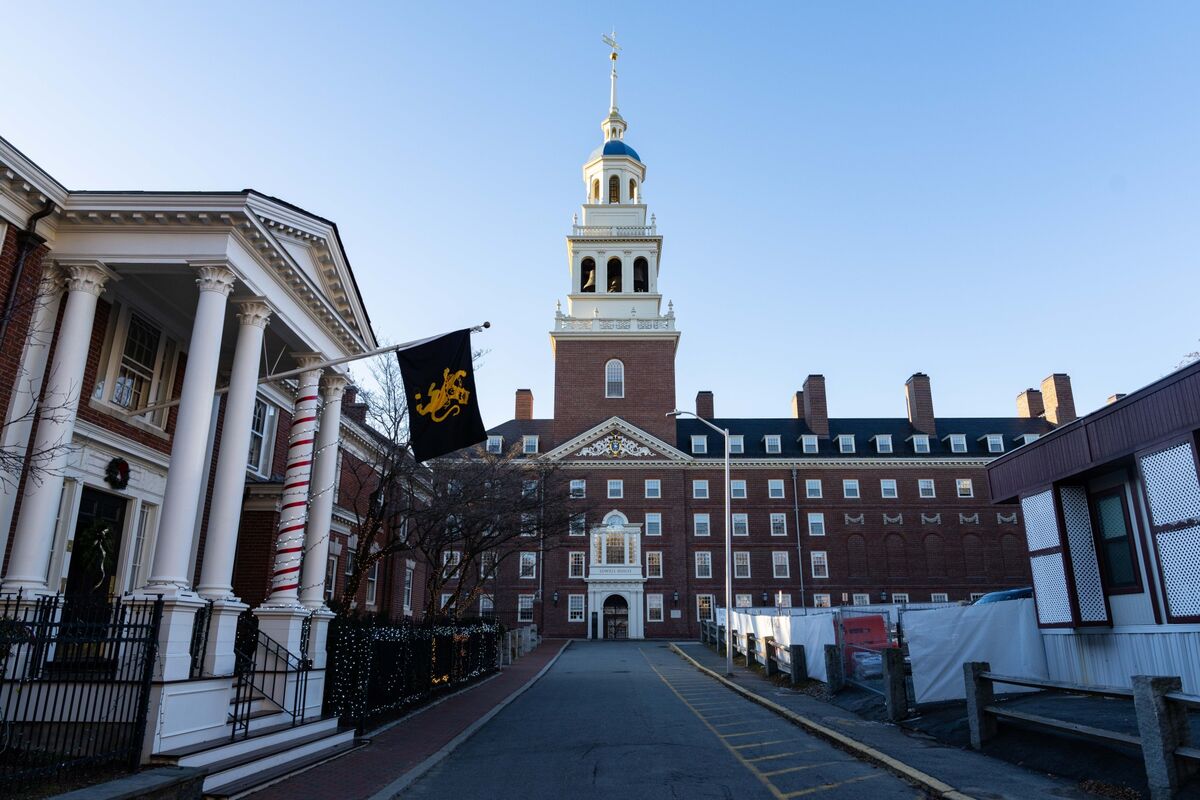
Harvard University and the California Institute of Technology will require SAT or ACT scores for admission, reversing their earlier decisions to make testing optional, with the new policy applying to students seeking admission in fall 2025 and applicants to Caltech needing to submit scores this fall, a year before its testing moratorium was set to expire.
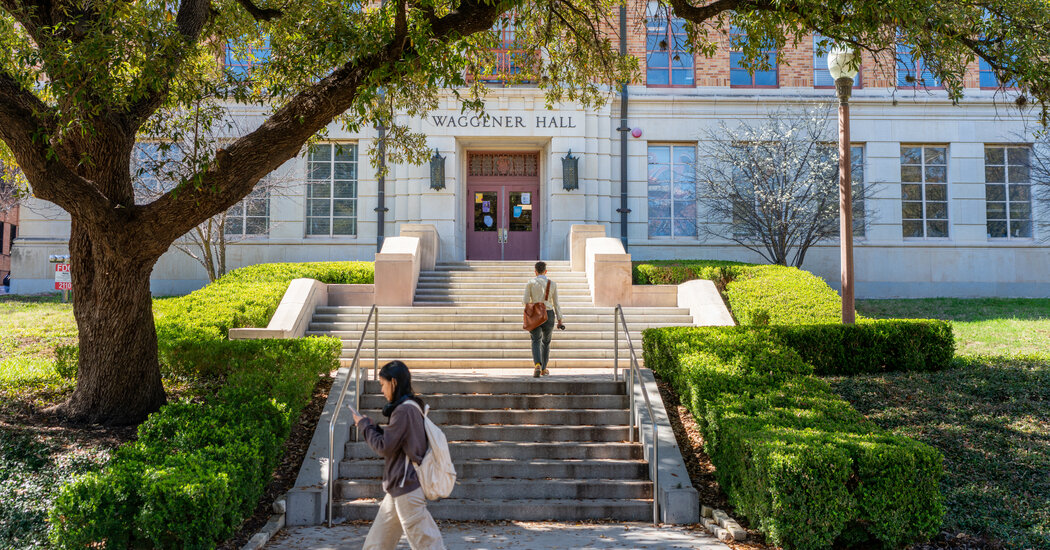
The University of Texas at Austin has announced that it will reinstate the requirement for SAT or ACT scores for fall 2025 admissions, citing the need to better place students in suitable programs and identify those who may require additional support. This decision follows a trend among selective universities, including Brown, Yale, and M.I.T., to reverse their temporary test-optional policies, with some expressing concerns that such policies inadvertently disadvantaged students from low-income backgrounds.
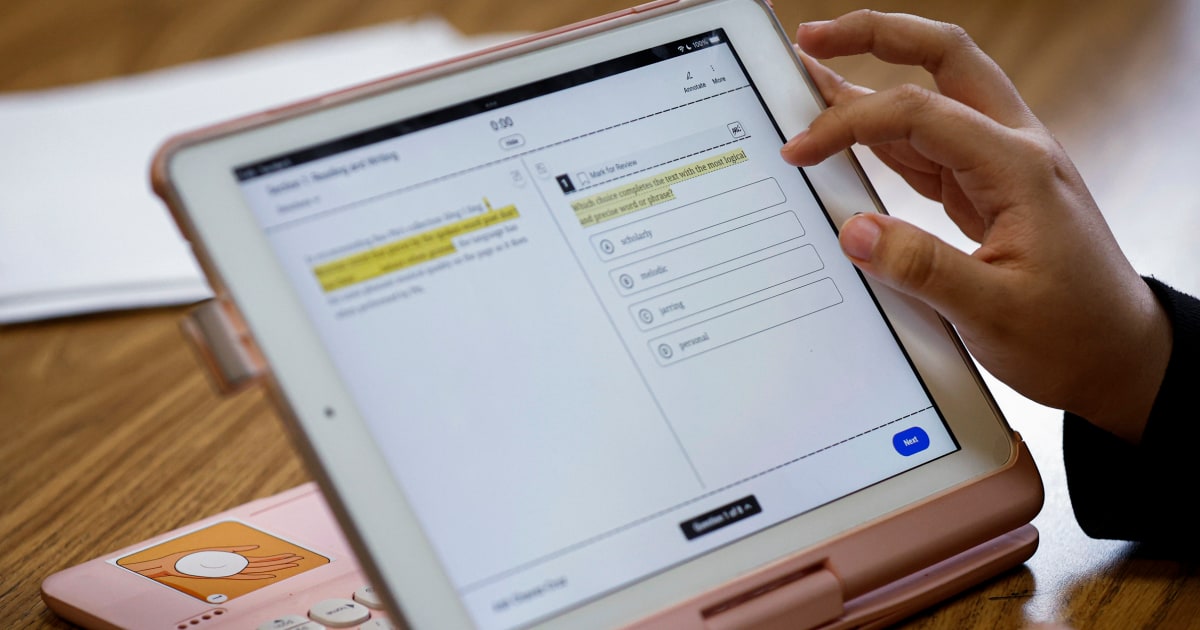
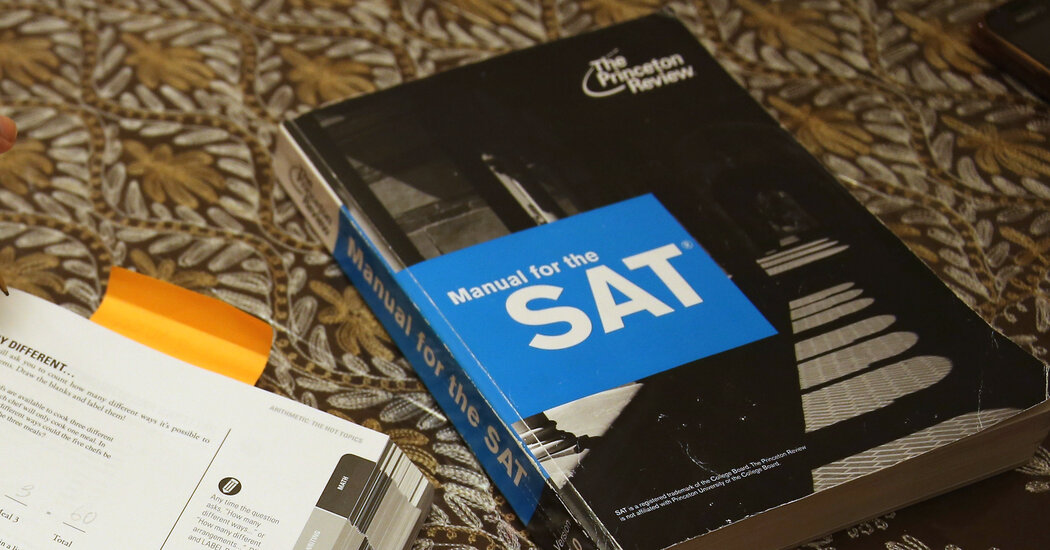
The SAT, traditionally administered on paper for 98 years, has transitioned to an all-digital format, receiving positive feedback from students despite some technical glitches. The new format, shorter and faster, allows test takers to set their own pace and is seen as more in line with the digital era. The change reflects the challenges of a generation raised in an era of higher anxiety, challenged attention spans, and remote learning, while the College Board and proponents of standardized testing maintain that the exams still play a role in determining college acceptance and aptitude.
The SAT is transitioning to a fully digital format, marking a significant shift in college admissions testing and sparking discussions about its role in the admissions process. The move aims to enhance accessibility and fairness, but has reignited debates about the test's significance.
The SAT will be administered entirely online for the first time in the U.S. this weekend, marking a significant shift from the traditional pencil-and-paper format. The move comes as colleges grapple with the role of standardized tests in admissions, with many dropping test requirements and others resuming them. While some students see advantages in taking the SAT, concerns about equity persist, as the test prep and access to resources can heavily influence scores. The digital SAT aims to address some of these concerns, but the debate around equity and standardized testing continues.
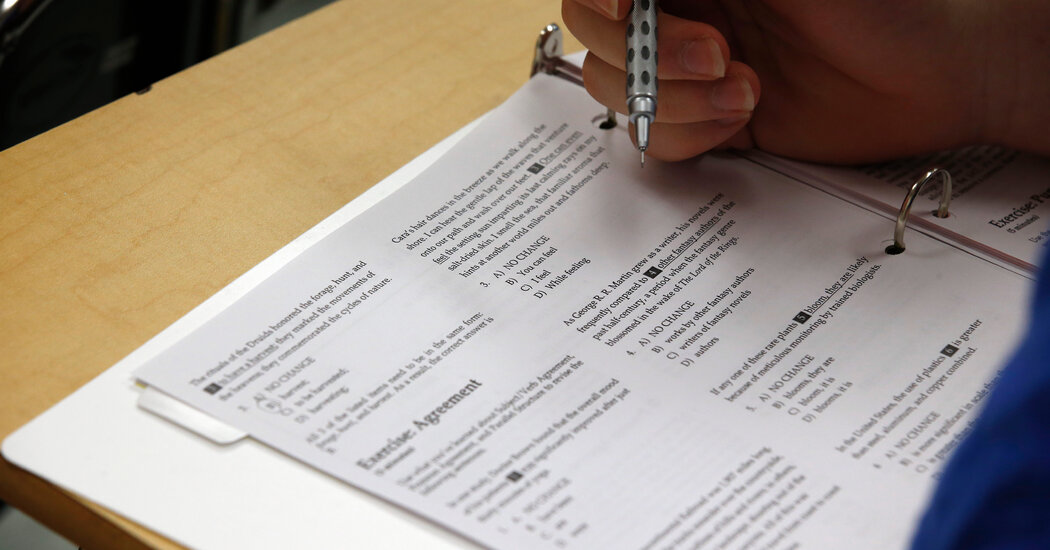
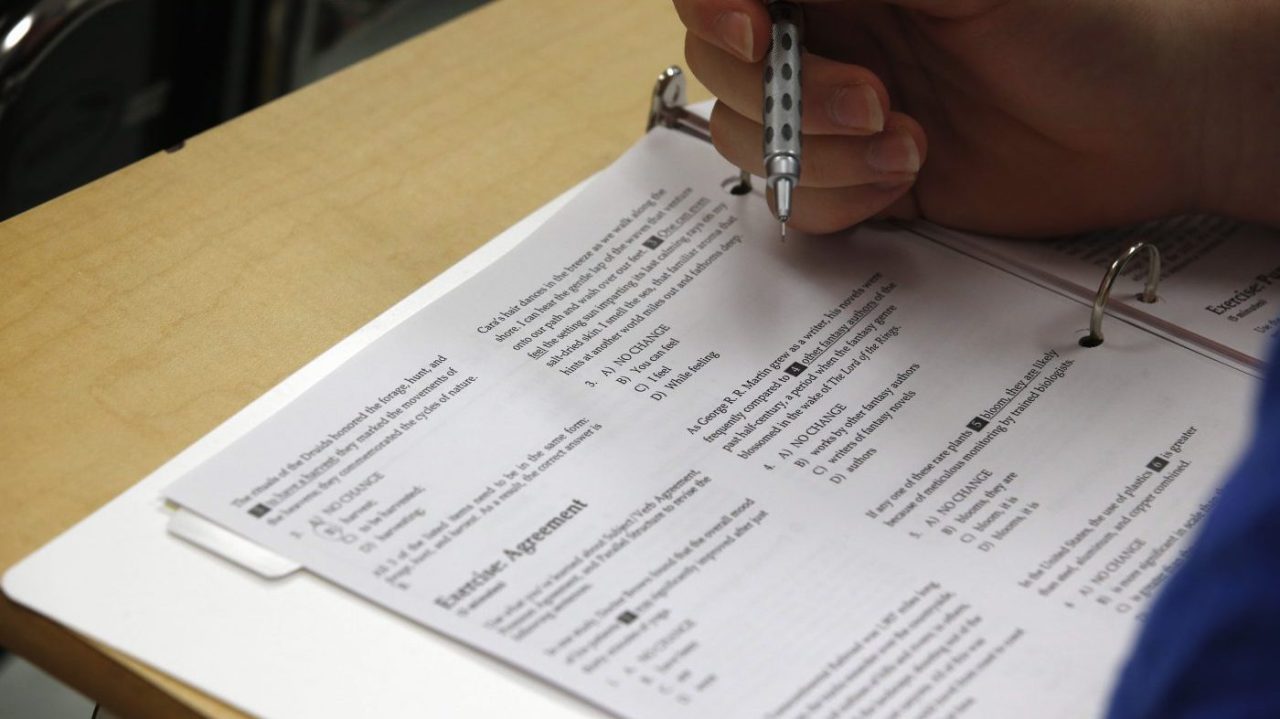
The new SAT is going digital, with shorter reading passages and one-question follow-ups. Sample questions include analyzing a passage from "Dracula," understanding affective neuroscience, identifying a quotation from "An Ideal Husband," completing a text about Richard Spikes, and emphasizing the difference between C-type and S-type asteroids based on notes.
The SAT, after 98 years of being administered on paper, will now be fully digital, with a revamped format aimed at reducing student stress and accommodating the remote-learning generation. The new digital format will cut nearly an hour out of the exam, provide shorter reading passages, and allow the use of an online graphing calculator for the entire math section. The College Board claims that the digital test is just as rigorous as the paper test but less intimidating for students, and it also reduces the possibility of cheating. However, critics argue that the switch to shorter reading passages may hinder students' development of reading stamina in the face of constant technological distractions.
Dartmouth College has decided to reinstate the requirement for SAT/ACT scores for undergraduate applicants, a move that draws attention to the role of standardized tests in college admissions. The decision comes after many schools made testing scores optional due to the COVID-19 pandemic, leading to a surge in applications for some institutions. Research has shown that standardized tests can disadvantage less wealthy students, but some argue that the tests can predict post-college success. Dartmouth aims to address discrepancies in access by increasing financial aid opportunities for admitted students, acknowledging the inequality reflected in the testing system.
Dartmouth College will reinstate the requirement for applicants to submit standardized test scores, starting with the class of 2029, after making test scores optional in 2020 due to the pandemic. A study conducted by the college found that test scores could benefit less advantaged students and help bring in students from high schools without a track record of sending students to Dartmouth. This decision challenges the criticism that standardized tests disadvantage students from marginalized backgrounds, and comes amid a broader movement to make test requirements optional at colleges and universities across the U.S.
Florida's public university system has become the first state to approve the Classic Learning Test (CLT) as an alternative to the SAT for college admissions. The CLT, backed by Christian schools and conservative groups, is already accepted by over 250 American colleges and universities. The $59 online test assesses verbal reasoning, grammar, writing, and quantitative reasoning. Students will receive their scores on the same day. The decision allows applicants to Florida's public universities to submit ACT, SAT, or CLT scores, and CLT scores can also be used for the Florida Bright Futures Scholarship Program. The move was met with dissent from one board member who raised concerns about the test's quality compared to the ACT and SAT.
The Board of Governors for Florida's public universities is expected to vote on whether to accept the Classic Learning Test (CLT) as an alternative to the SAT and ACT for college admissions. If approved, Florida would become the first state university system to accept the CLT. The CLT is a three-section, two-hour exam that focuses on verbal reasoning, grammar and writing, and quantitative reasoning. It draws on sources from ancient to modern times, distinguishing itself from the SAT and ACT. This vote is part of an ongoing conflict between Florida Governor Ron DeSantis and the College Board, which administers the SAT and AP classes. New College of Florida has already signaled acceptance of the CLT pending board approval.
The Florida Board of Governors is expected to vote on whether to accept Classic Learning Test (CLT) scores for admissions to Florida's public universities, making it the first state to do so. The CLT, created as an alternative college entrance exam rooted in a teaching model emphasizing humanities and classical literature, has gained popularity among Christian schools and conservative groups. This move follows a dispute between Florida Governor Ron DeSantis and the College Board over an Advanced Placement African American history course. Proponents of the CLT argue that it offers an alternative to progressive influence in education, while critics question its methodology and relevance in today's world.
The Classic Learning Test (CLT), an alternative to the SAT and ACT, could gain more visibility and market access in Florida thanks to provisions in a broad education bill passed by the state's House of Representatives. The bill would allow students to use CLT scores to qualify for Florida's Bright Futures college scholarship program and authorize school systems to provide the CLT to 11th-graders. The CLT is accepted at more than 200 colleges and universities, many with Christian ties, and uses passages from classic literary and historical texts.
Florida lawmakers are allocating $2.8 million to develop a state-run program to rival the College Board's Advanced Placement (AP) courses and exams, and are also considering allowing students to take the Classic Learning Test (CLT) in lieu of the SAT or ACT. These moves come after Gov. Ron DeSantis criticized the College Board for including courses on queer theory and intersectionality in an emerging course surrounding Black history. The proposed legislation would allow students to take the CLT to qualify for the state's Bright Futures Scholarship and school districts to offer the CLT for free to grade 11 students.