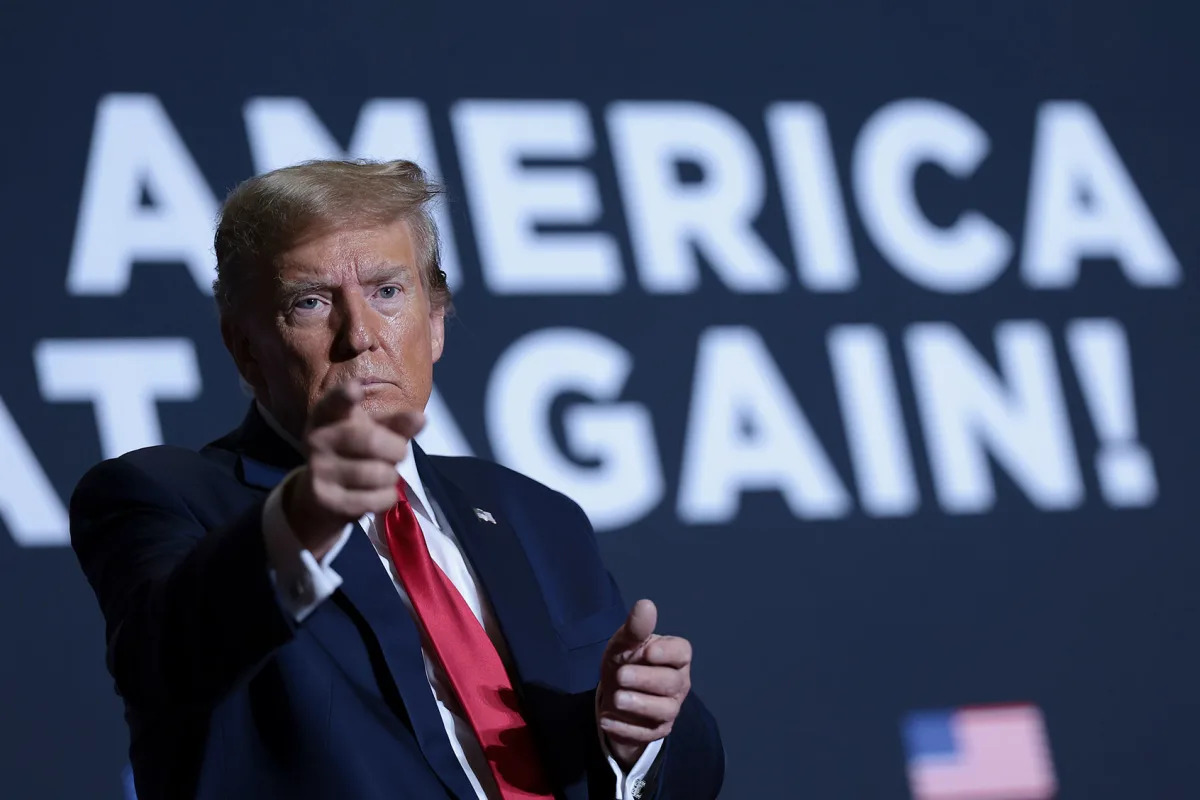
Former President Donald Trump claimed that his mix-up of Nikki Haley and Nancy Pelosi was intentional, stating that he meant to "interpose" their names as a sarcastic remark. Critics pointed out that Trump also incorrectly used the word "interpose" in his explanation. Trump's comments came over a month after he falsely claimed Haley was in charge of security during the Jan. 6 Capitol attack, despite the House Speaker not having such authority.
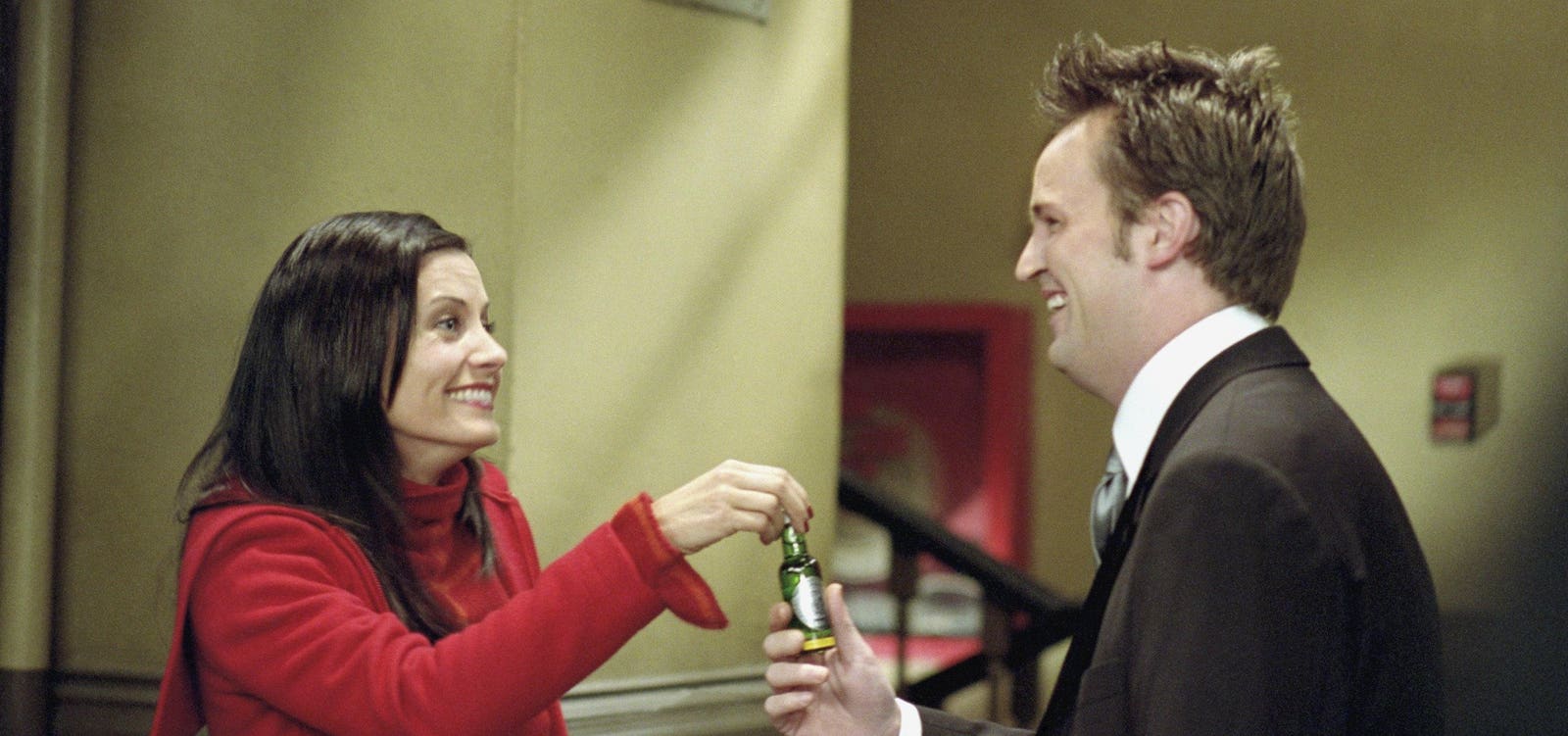
Sarcasm, often misunderstood as mere cynicism, possesses an undeniable allure that draws people in. Research indicates that it is a sign of creativity and intelligence, fosters resilience, and can help individuals find their sardonic soulmate. However, mental health experts caution against using sarcasm due to its ambivalent and often passive-aggressive nature, emphasizing the need to wield it with intellect, empathy, charm, and care.
Dakota Johnson discusses her sarcastic sense of humor, reflecting on her viral Ellen interview and recent comments about sleep, expressing frustration at how her humor is often misunderstood by journalists and acknowledging that she may need to be more literal in her statements.
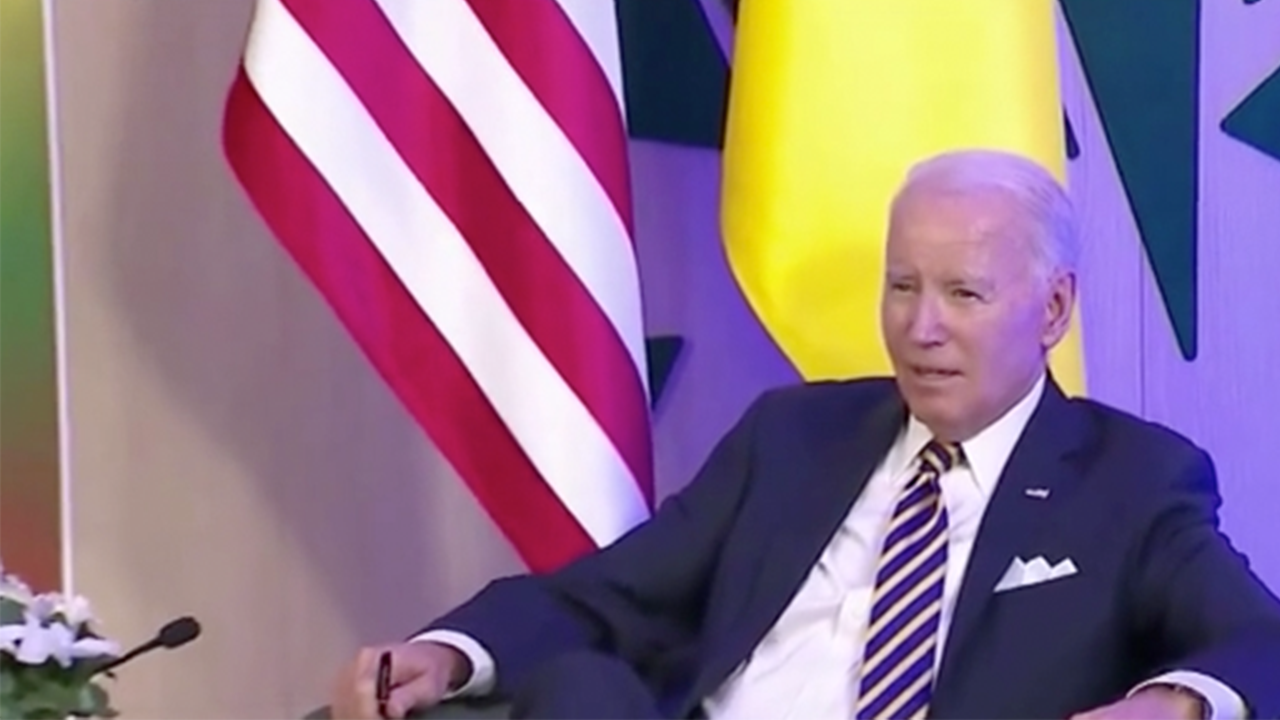
President Biden displayed his annoyance with reporters during a NATO meeting with Ukraine President Zelenskyy, making sarcastic comments as they were ushered out of the room. Biden assured Zelenskyy of Ukraine's eventual admission into NATO and then sarcastically responded to reporters' questions, stating, "You guys ask really insightful questions!" This incident adds to a pattern of Biden belittling reporters throughout his presidency.
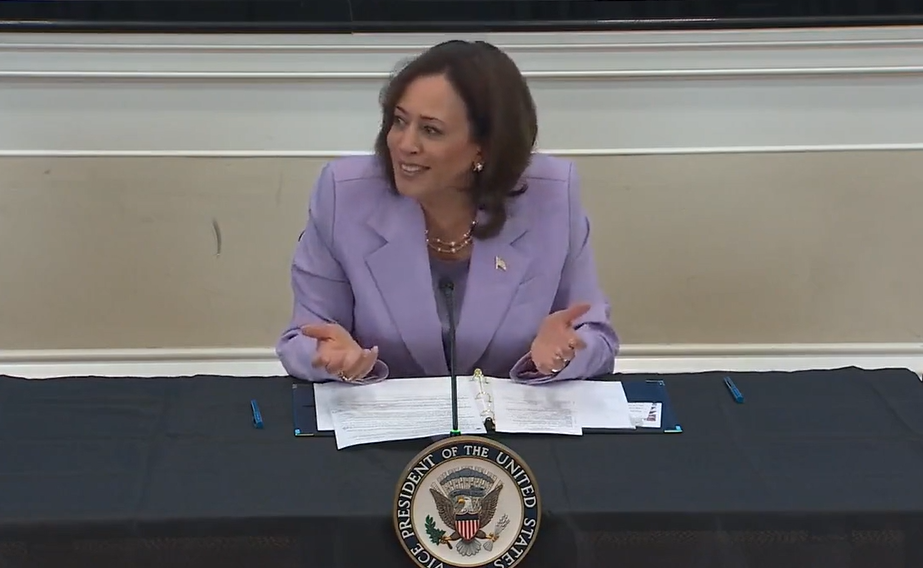
Vice President Kamala Harris faced criticism and sarcasm after making a seemingly obvious statement about transportation accessibility during a roundtable discussion. Many conservatives on Twitter mocked her remarks, questioning her public speaking abilities and sarcastically praising her as if she had shared profound wisdom. Harris has been previously criticized for making redundant statements, leading to further ridicule.