In 2025, Wear OS saw significant updates with new hardware like Pixel Watch 4 and Galaxy Watch 8, improvements in health features, and better third-party support, though some brands like Mobvoi and OnePlus faced delays and setbacks. Google and Samsung made notable strides, but overall, the platform's ecosystem remains fragmented with ongoing update and hardware challenges.
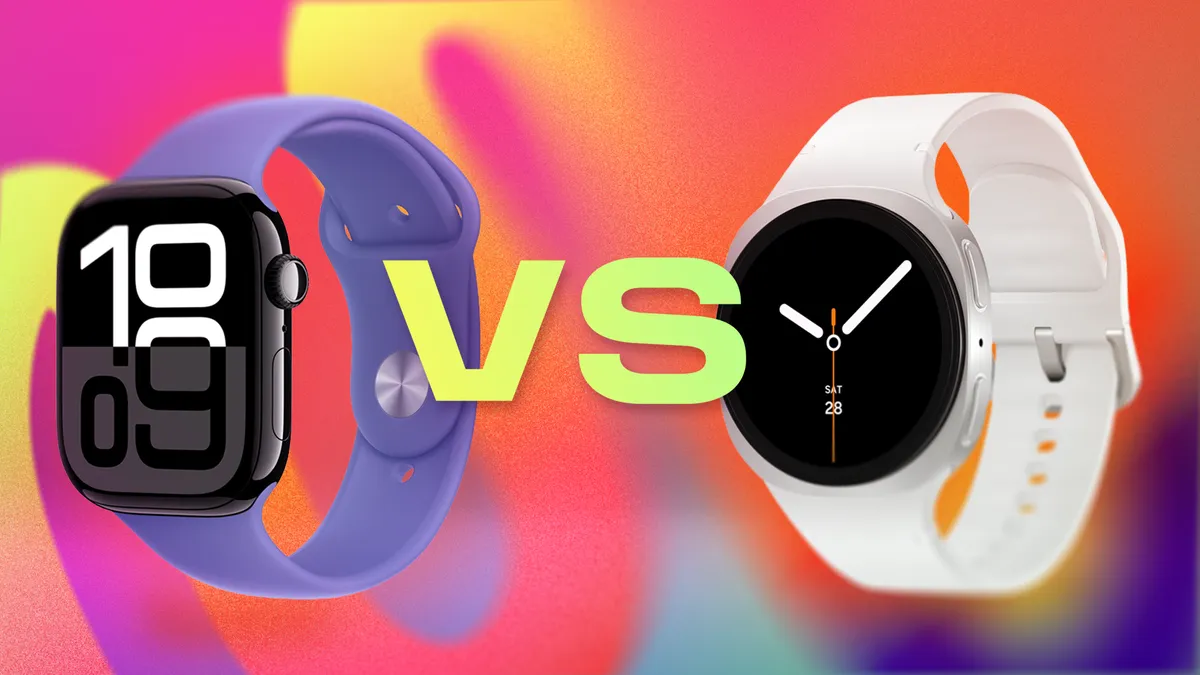
The Apple Watch Series 11 and Samsung Galaxy Watch 8 are flagship smartwatches with distinct designs and features. The Series 11 offers health updates like hypertension alerts and Sleep Score, with a rectangular display and premium finishes, priced starting at $399. The Galaxy Watch 8 features a circular display, advanced health metrics, and a more traditional watch look, costing around $350. Both provide over 24 hours of battery life, with differences in ecosystem compatibility and specific health and safety features, making the choice dependent on user preferences for design, ecosystem, and health tracking capabilities.
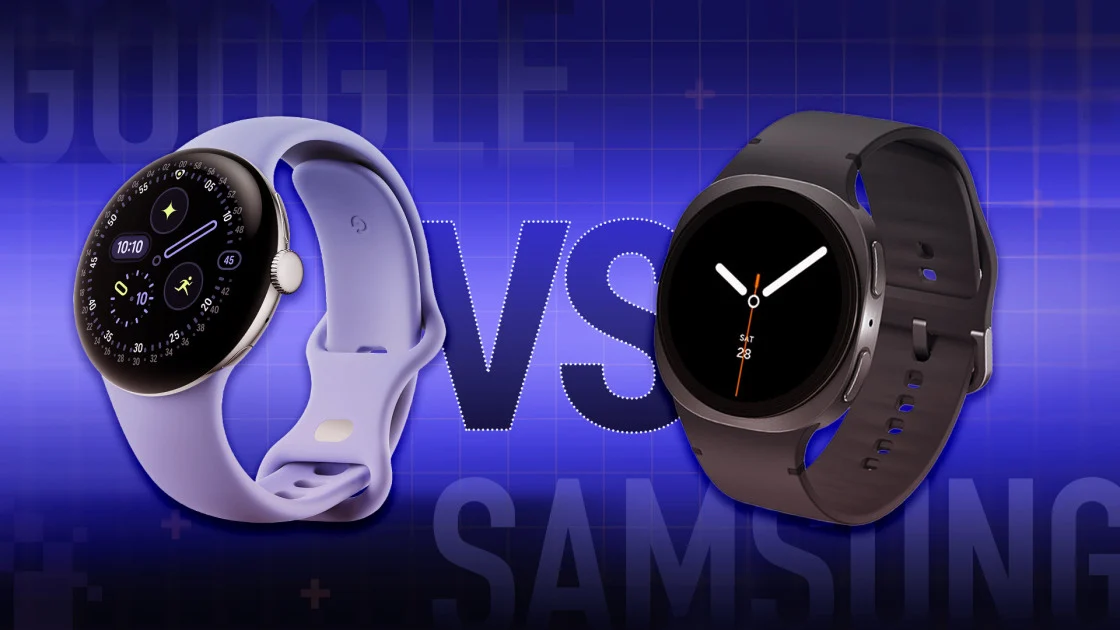
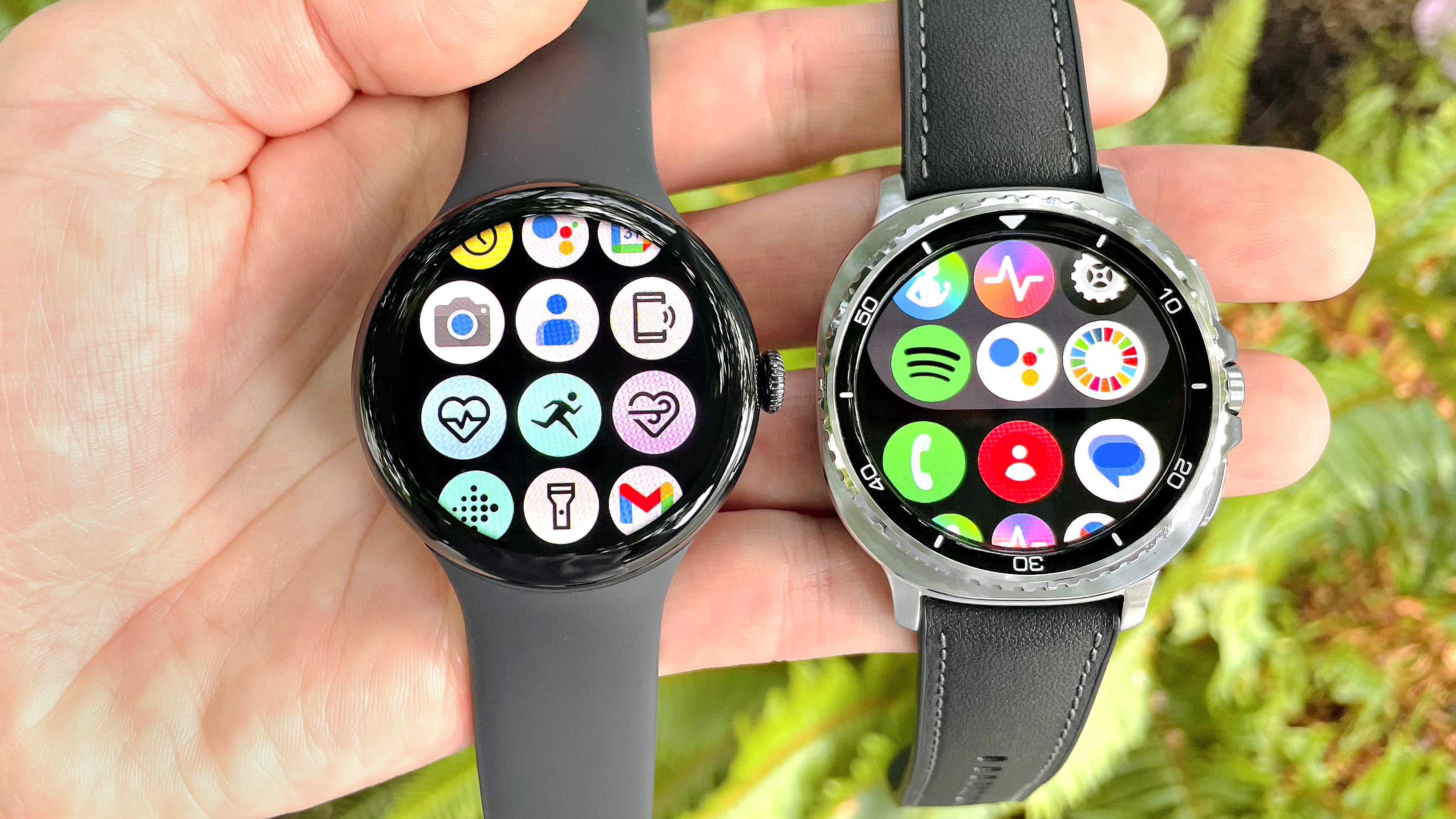
The Google Pixel Watch 4 and Samsung Galaxy Watch 8 are top contenders in the Android smartwatch market, with the Pixel Watch 4 offering a sleek curved display, longer battery life, and advanced health tracking, while the Galaxy Watch 8 features a more rugged design, MIL-STD-810H durability, and comprehensive health capabilities including AI-powered coaching. Both watches run Wear OS and support extensive fitness and lifestyle features, but the Galaxy Watch 8 currently holds the title of best Android smartwatch due to its durability and health features, despite the Pixel Watch 4's superior design and battery life potential.
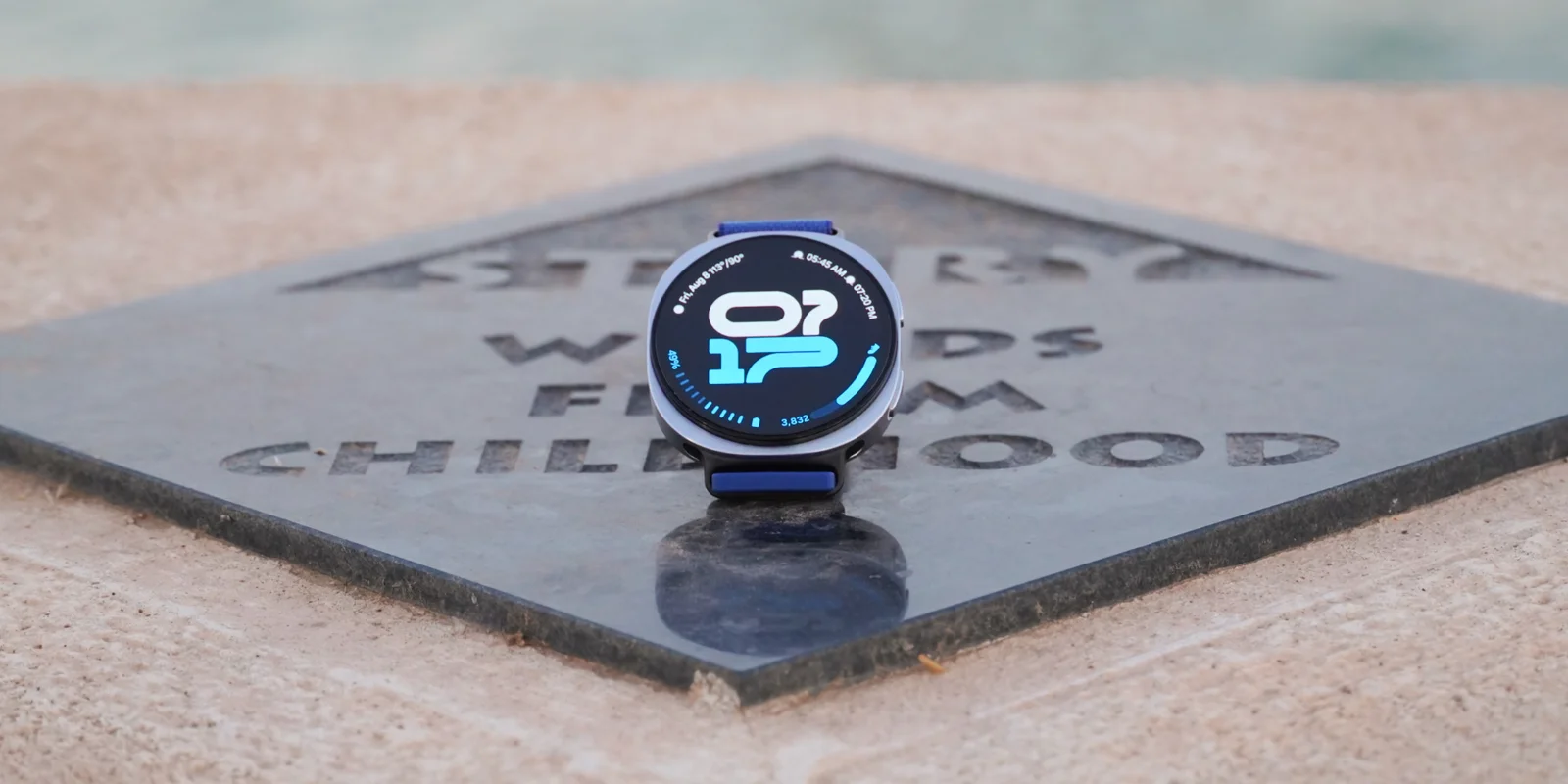
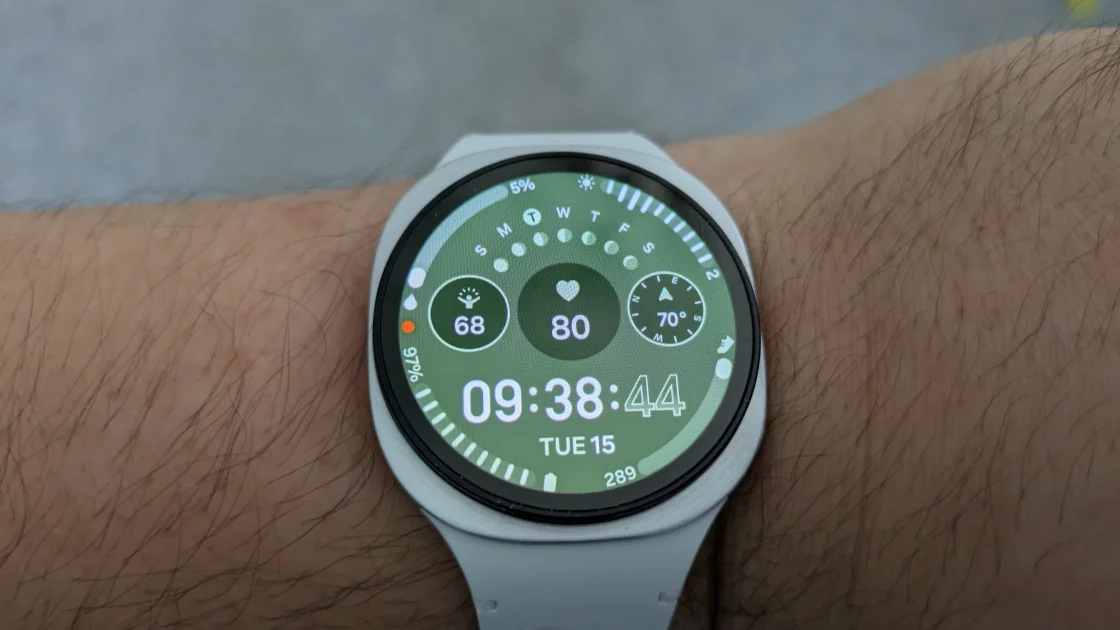
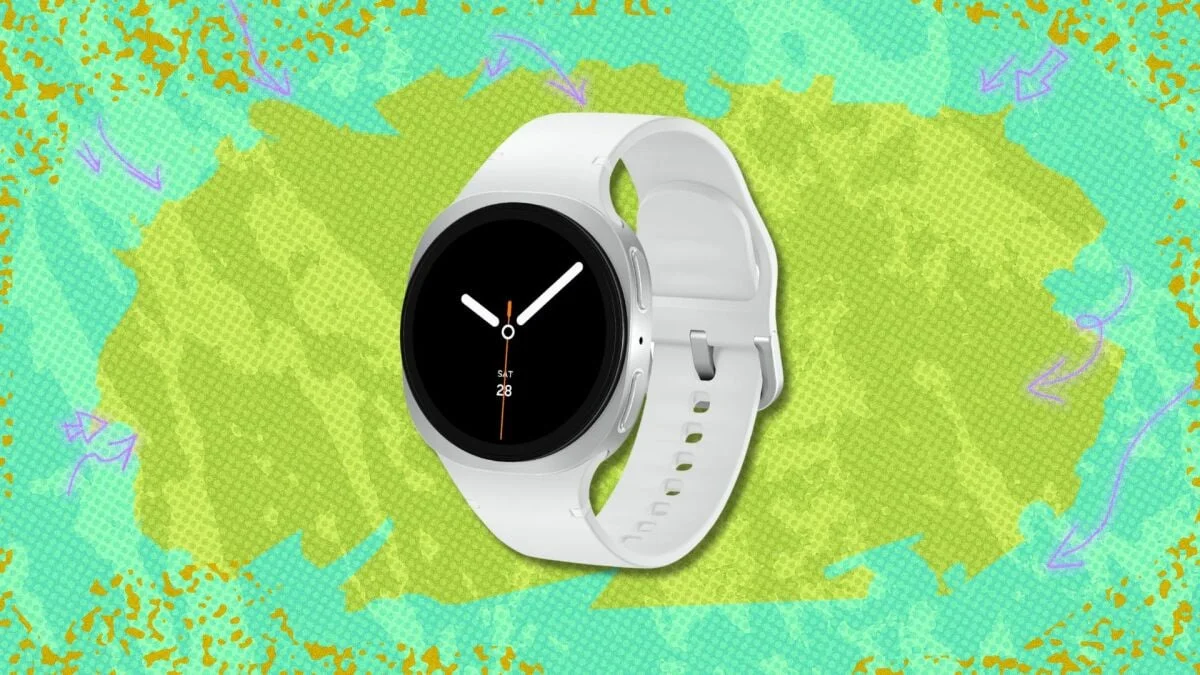
The Samsung Galaxy Watch 8 features a sleek, thin design with a cushion shape, offering comfortable wear and useful health insights, but struggles with battery life and navigation. It is ideal for Samsung phone users seeking a stylish, lightweight smartwatch with robust software support, though those needing longer battery life may consider alternatives.
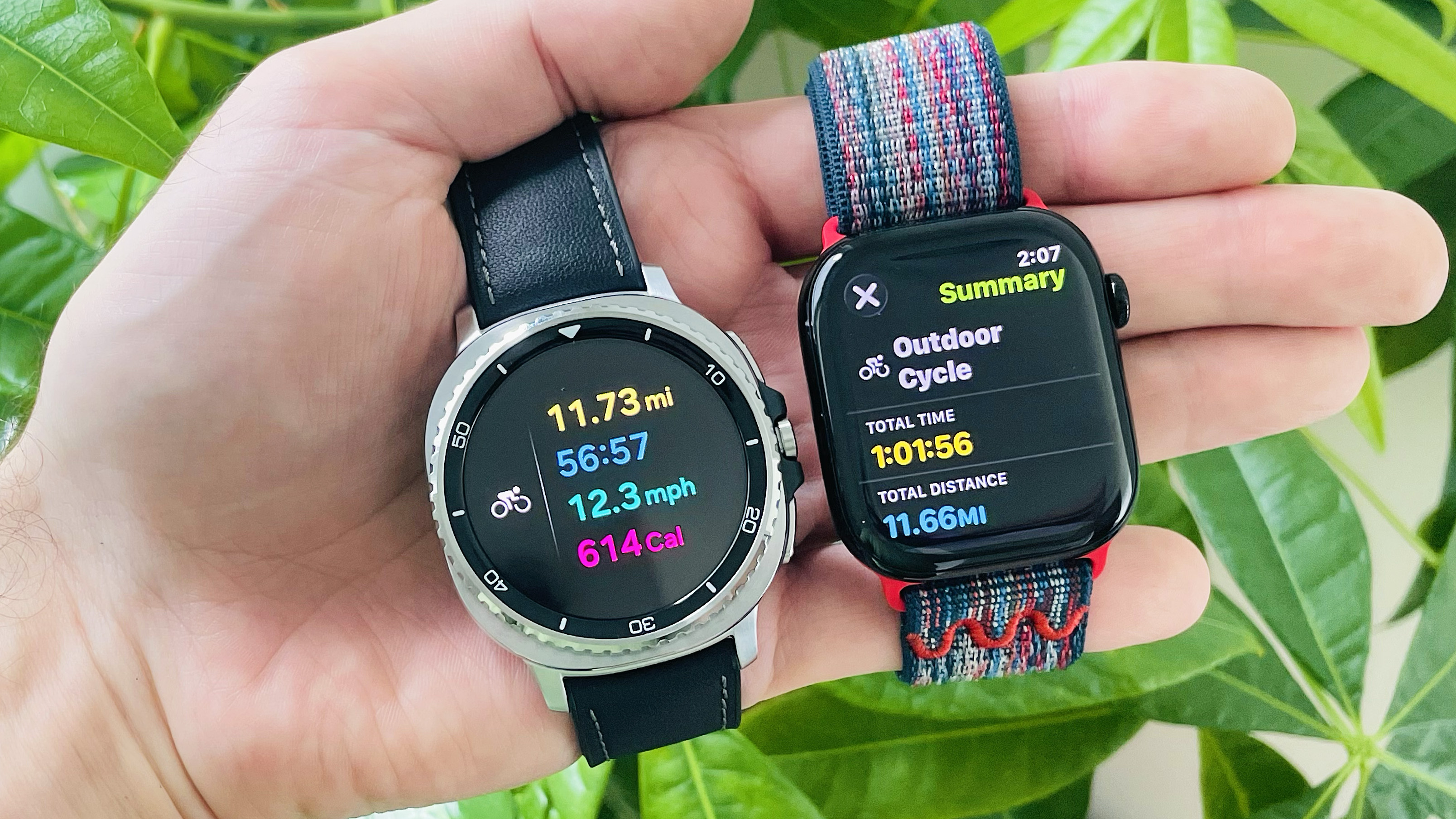
A test comparing the Apple Watch Series 10 and Samsung Galaxy Watch 8 during a 12-mile bike ride found that the Apple Watch provided more accurate workout tracking data, despite expectations that the Galaxy Watch 8's multi-band GPS would outperform it. Both devices tracked distance, speed, heart rate, and calories closely, but the Apple Watch was slightly more precise in elevation gain and overall data accuracy, making it the better choice for biking fitness tracking in this test.
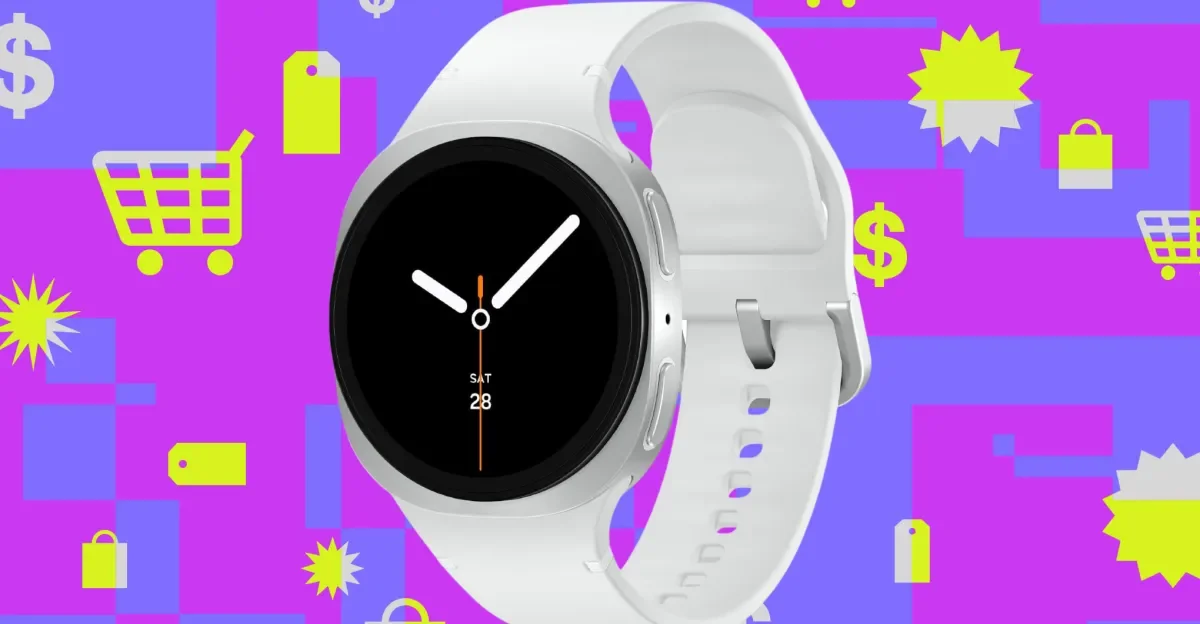
Samsung's Galaxy Watch 8 is now available with a $50 discount, offering a new squircle design, access to Google Gemini AI, and enhanced health features like an Antioxidant Index and Running Coach, making it a compelling upgrade for Android smartwatch users.
The Samsung Galaxy Watch 8 offers a dependable, incremental upgrade over its predecessor with a new squircle design that some may dislike but grows on others, priced at $350, and features Samsung's Gemini platform, though it doesn't significantly advance Android smartwatches.
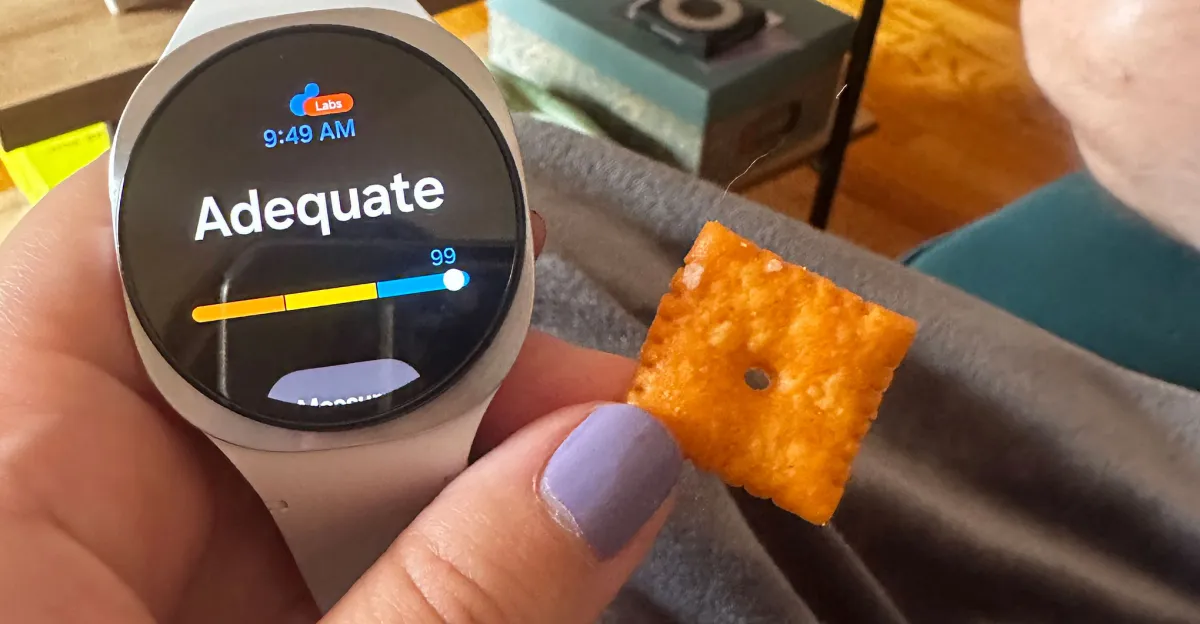
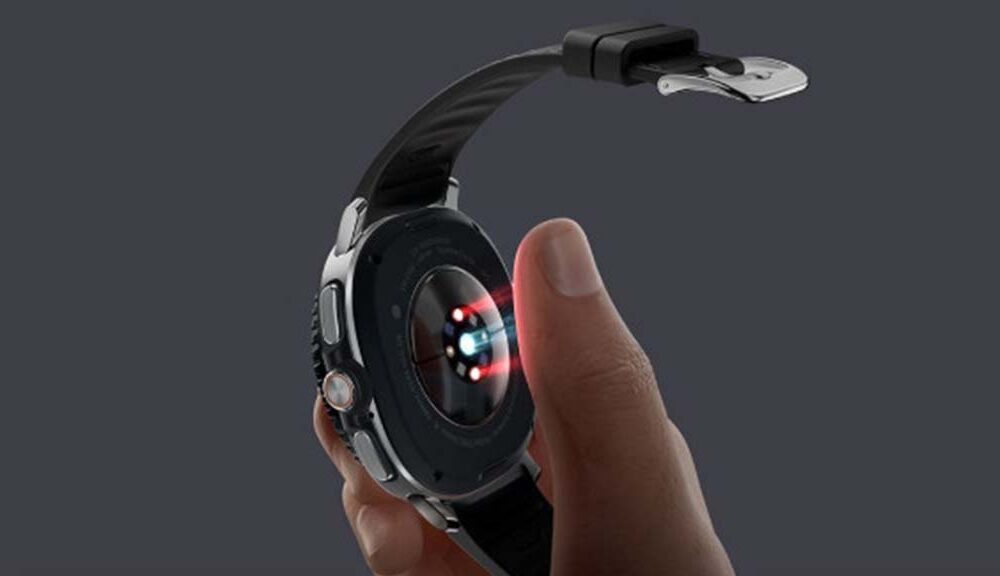
Victoria Song humorously tests Samsung's new Antioxidant Index feature on her skin and various objects, revealing that the watch's sensor can be fooled by artificial colors, leading to inaccurate antioxidant level readings.
A test comparing the Pixel Watch 3 and Samsung Galaxy Watch 8 over 4,000 steps found both devices to be highly accurate, with the Pixel Watch 3 slightly edging out the Galaxy Watch 8 in step count accuracy, making it the winner of this walk test.
The Samsung Galaxy Watch 8 is a feature-rich smartwatch with advanced health and AI capabilities, including antioxidant measurement and personalized coaching, offering improvements over its predecessor despite modest battery life and a higher price, and earning our Editors' Choice for Android-compatible smartwatches.
The article highlights new tech gadgets including Samsung's thin and expensive Galaxy Z Fold 7, Galaxy Watch 8, Nothing Phone 3, and headphones, along with game remakes and updates on Reddit app developer Christian Selig's projects and interests, emphasizing the latest in mobile tech and community-driven apps.
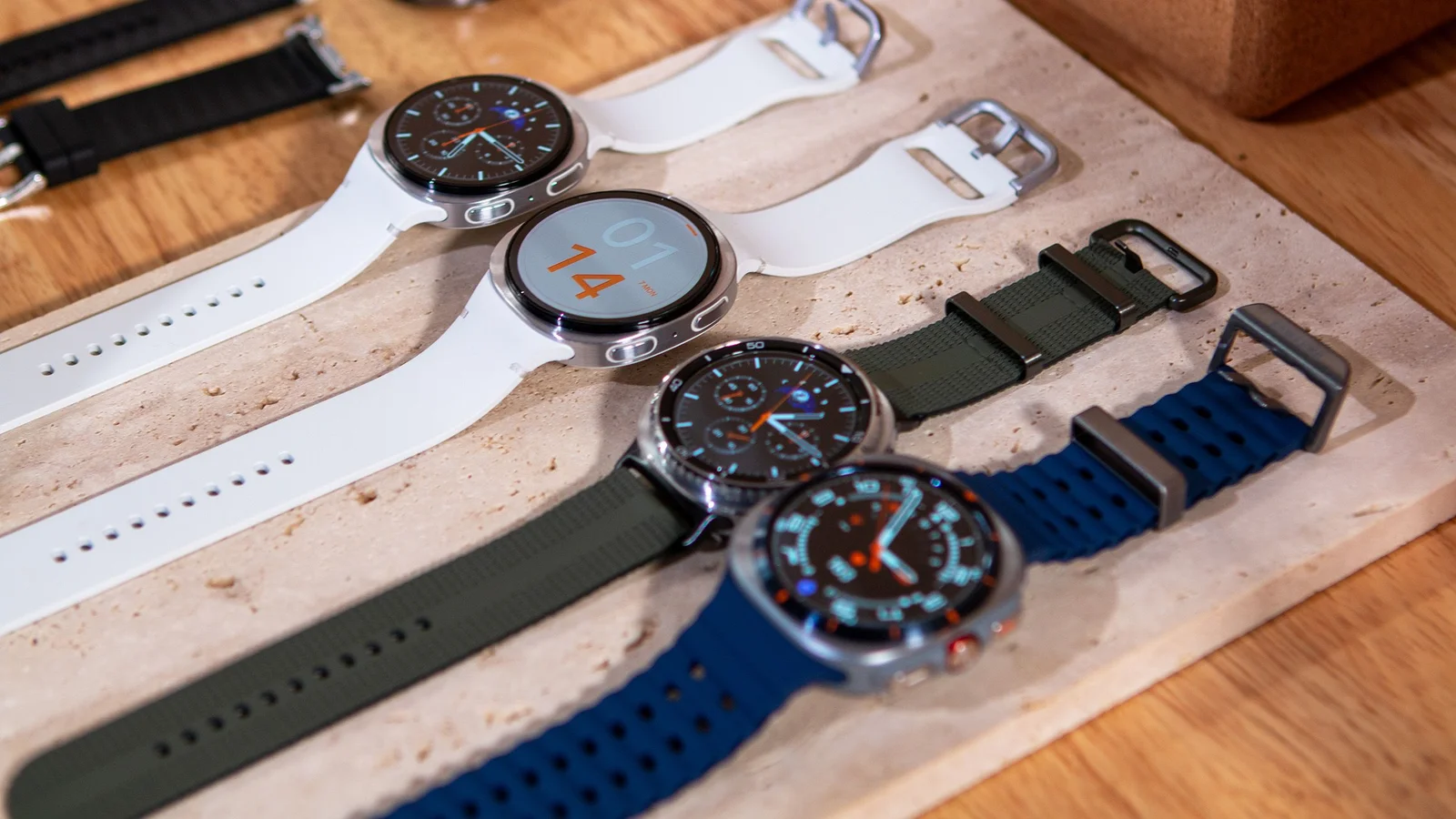
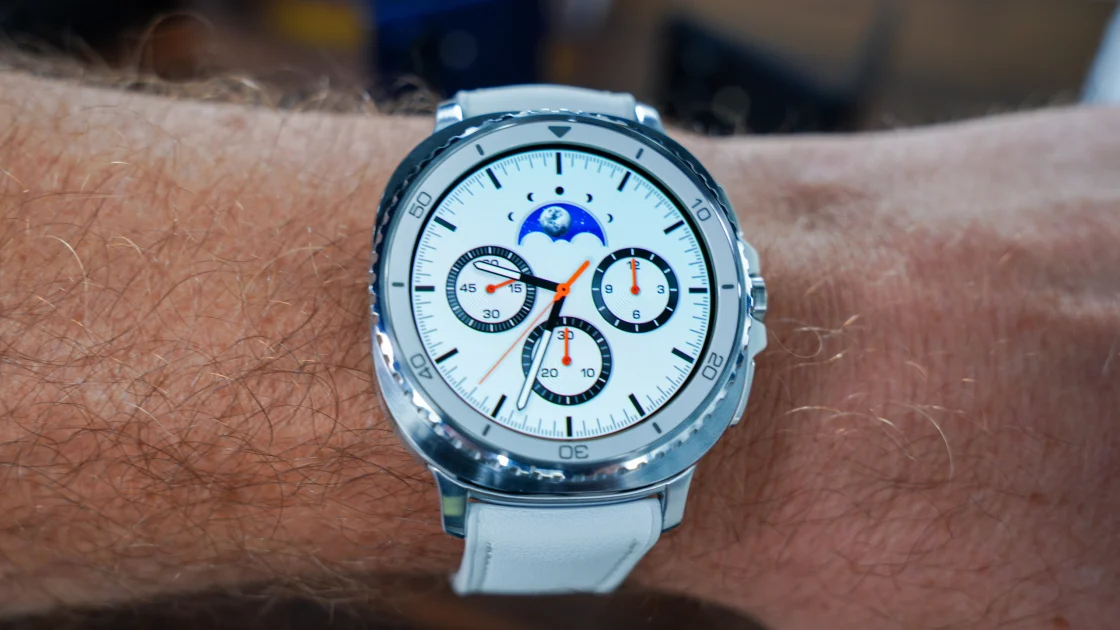
Samsung's Galaxy Watch 8 and Watch 8 Classic feature a return of the rotating bezel, new health tools like antioxidant and vascular load indices, improved sleep and running coaching, and the integration of Google's Gemini AI, with availability starting July 25.
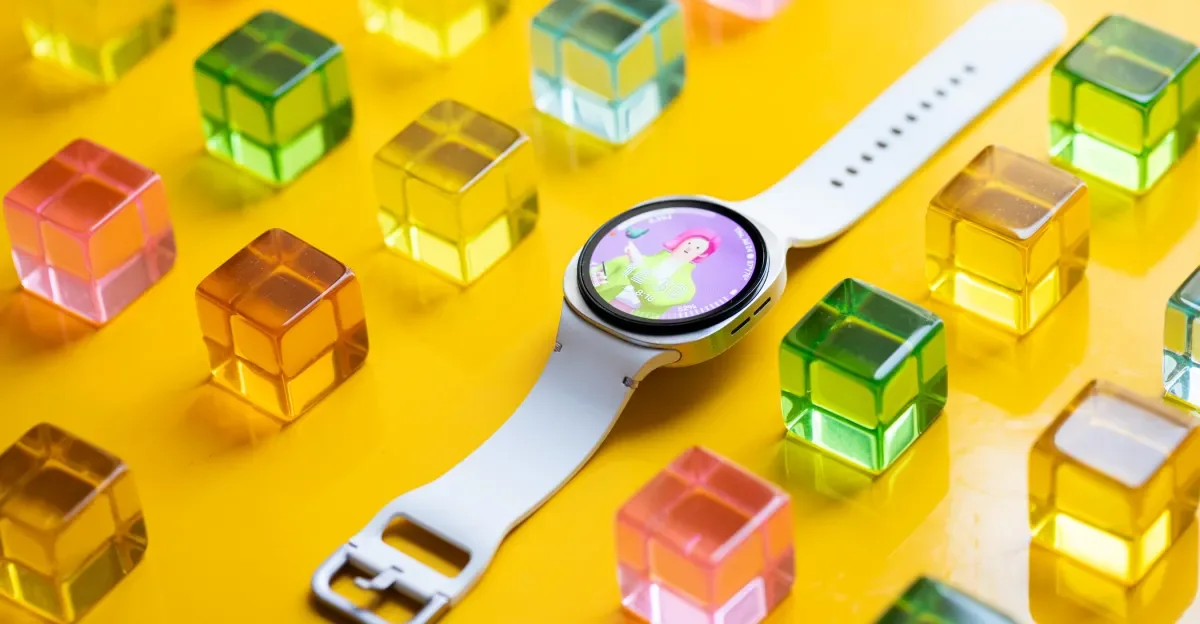
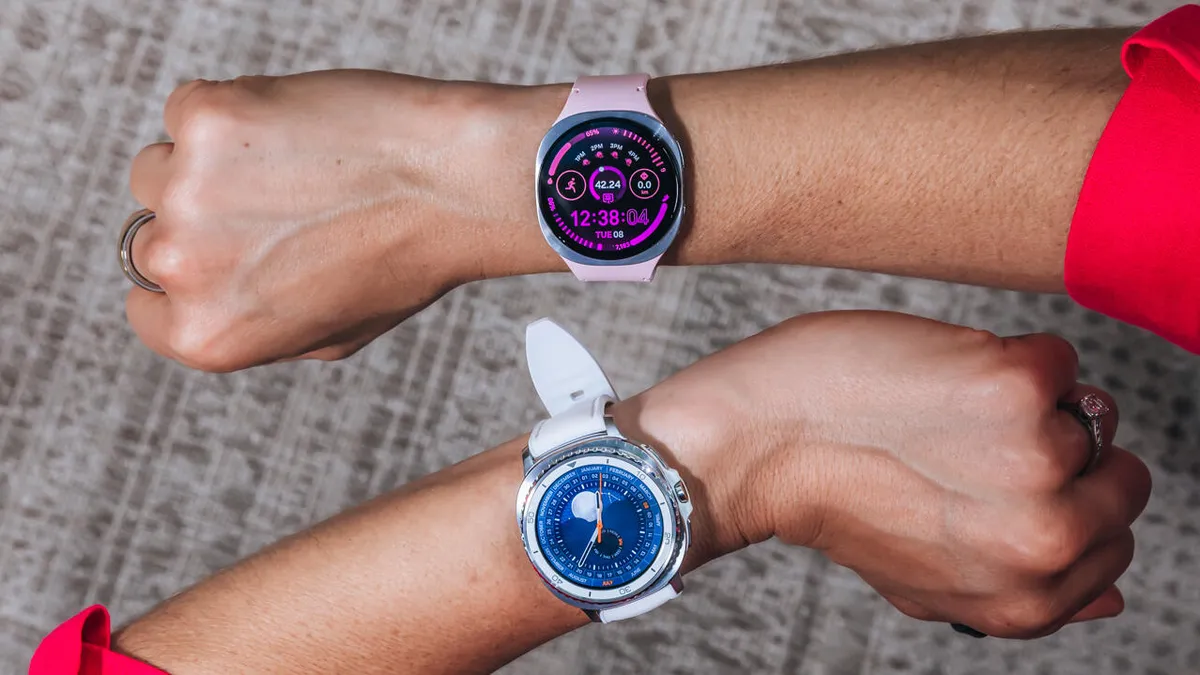
The Samsung Galaxy Watch 8, launched alongside the Classic and Galaxy Z foldables, features a thinner design, larger battery, and advanced AI health guidance including antioxidant detection, personalized fitness plans, and improved sleep coaching, with prices starting at $349.99. The Classic model retains a rotating bezel and offers a more traditional look, while both models emphasize AI-driven health insights and software upgrades, making them notable upgrades for health-conscious users.
Samsung is set to unveil its Galaxy Watch 8, Ultra 2025, and new foldable phones at Unpacked 2025, alongside updates to One UI 8, Wear OS 6, and Android 16, with collaborations involving Google and celebrity promotions, and a focus on foldable device innovation and ecosystem enhancements.
Samsung is set to launch the Galaxy Watch 8 on July 9, with new watch faces revealed through an APK teardown of the Galaxy Watch 7 Manager, showcasing a variety of styles including minimal, digital, sporty, heritage, and interactive designs, hinting at the upcoming smartwatch's customizable options.