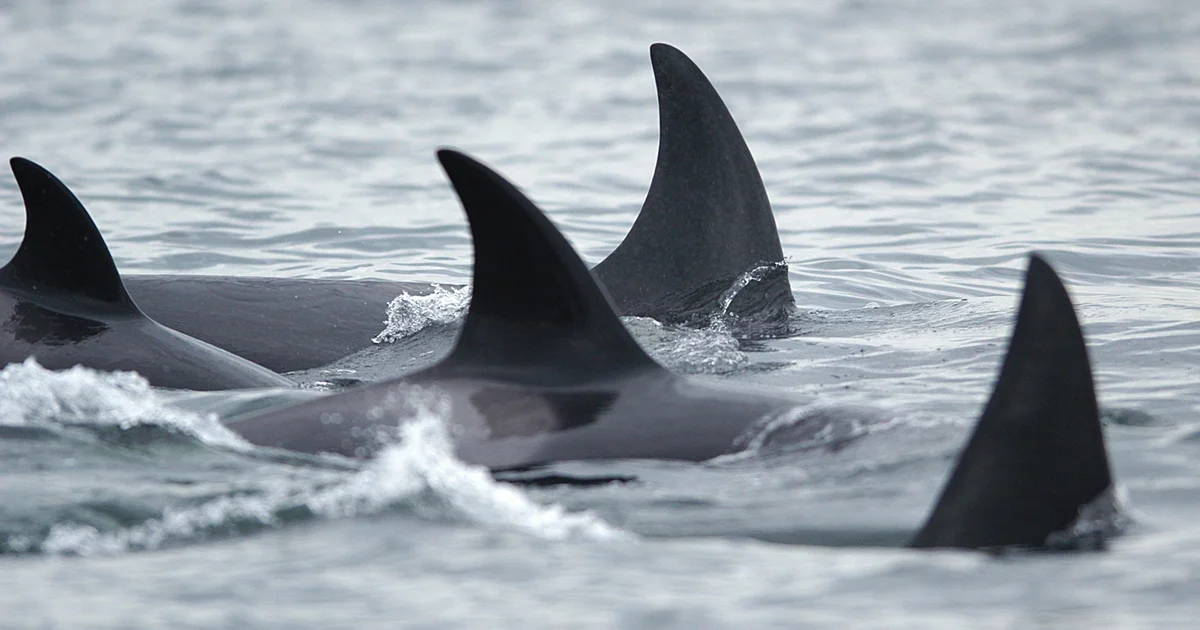
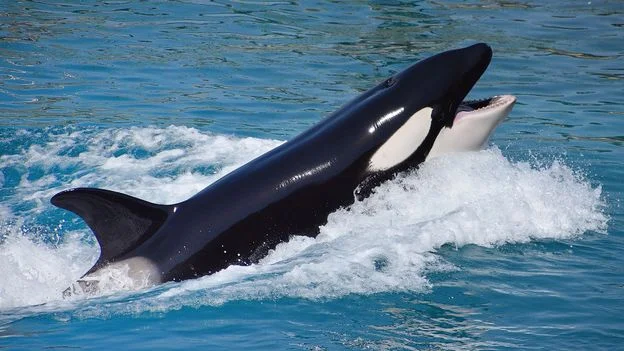
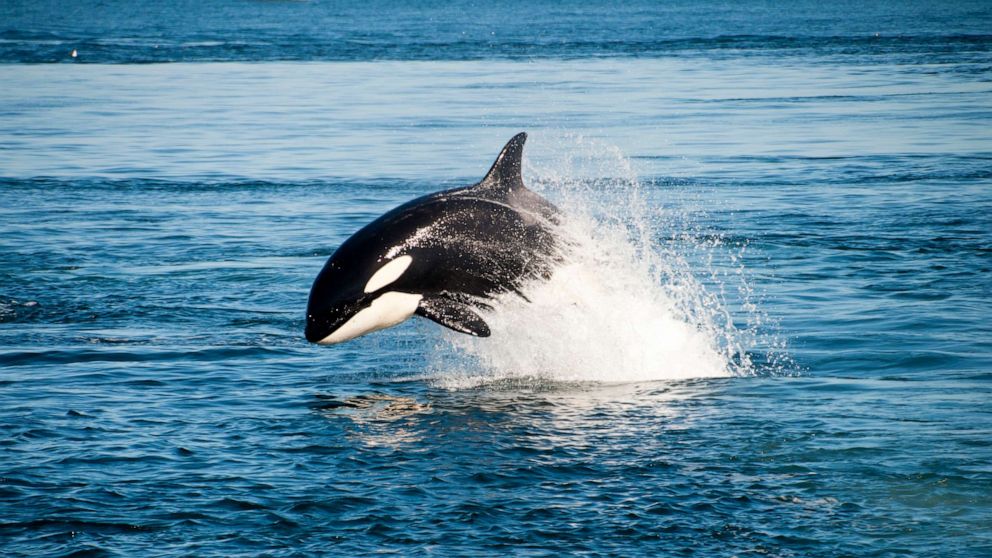
Two sailboats were attacked by orcas off the Portuguese coast near Lisbon, prompting rescue operations that saved all crew members, amid a rising pattern of orca interactions with vessels in the region.
Orcas living in the waters around the Iberian Peninsula have developed a new behaviour of chasing sailboats and breaking their rudders, which has baffled scientists and sailors. The orcas appear to be playing a risky game, pushing the rudders with their noses until they break. The phenomenon has been spreading, with 207 interactions reported in 2022, up from 52 in 2020. Scientists are still trying to understand the motivation behind this behaviour, with two hypotheses being the "fun or fashion hypothesis" and the "trauma hypothesis". There is no sure-fire way of preventing or shortening the interactions, but sailors are advised to avoid the areas where the orcas are and to leave the area quickly if they encounter them.
Orcas may be teaching each other new ways to strike boats, observers say. Sailors have reported a series of "coordinated" attacks by a group of orcas, including a May 22 strike on a 26-foot vessel sailing off the coast of Cape Spartel, near the Strait of Gibraltar. Scientists said spikes in aggression may have been started by female orca whom scientists have named "White Gladis." According to a study in Biological Conservation, a peer-reviewed journal, "sophisticated learning abilities" have been found to exist in orcas, with imitation found to be particularly significant.