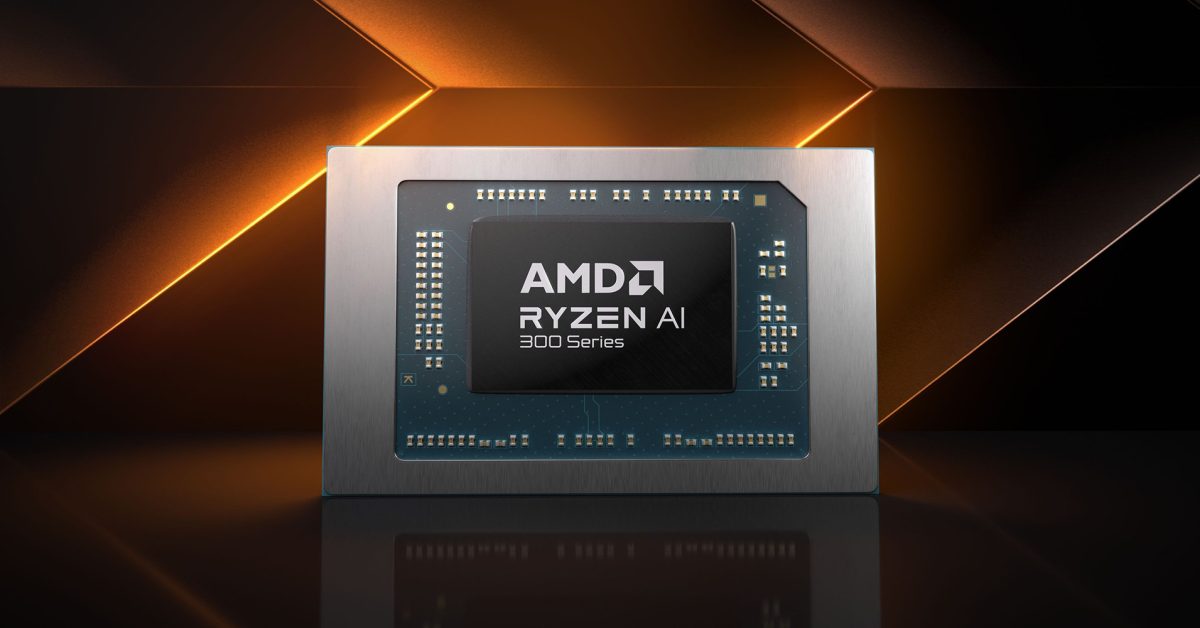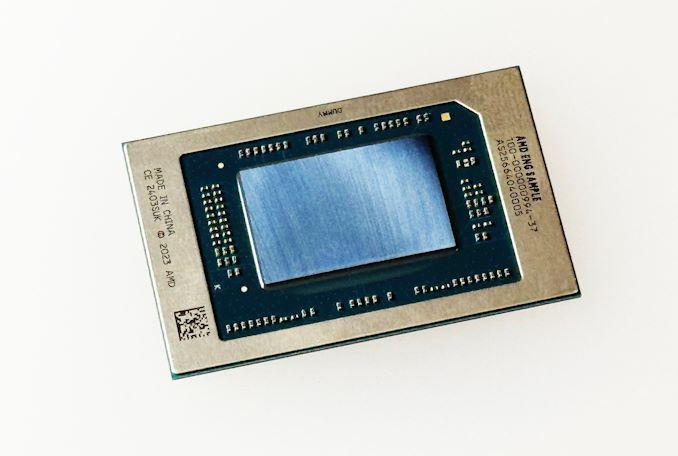
AMD has unveiled its new Zen 5 microarchitecture, powering the Ryzen AI 300 series for mobile and Ryzen 9000 series for desktops. The Zen 5 architecture offers significant improvements in performance and efficiency, including a 16% increase in instructions per cycle (IPC) over Zen 4. The Ryzen AI 300 series features the XDNA 2 NPU for enhanced AI capabilities, while the Ryzen 9000 series supports the AM5 platform and introduces new overclocking features. Both series aim to deliver better performance and power efficiency across various computing tasks.
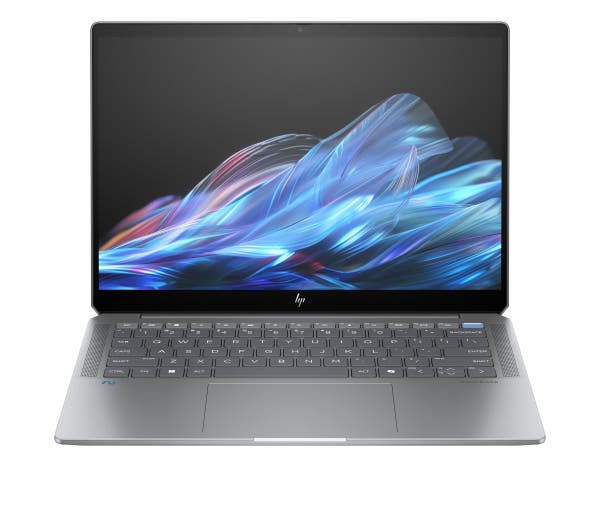
HP has introduced the OmniBook Ultra, touted as the "world's highest-performance AI PC," thanks to a deep co-engineering partnership with AMD. The 14-inch laptop, set for an August release, features AMD's Ryzen AI 300 series processors, pushing the neural processing unit (NPU) to 55 trillion operations per second (TOPS). This performance is 45% higher than Apple's M4 chip and significantly outpaces Qualcomm's Snapdragon X processors. The OmniBook Ultra also boasts up to 21 hours of battery life, an AI-enabled high-resolution camera, and HP's Wolf Security software.
AMD's new Ryzen AI 300 series chips surpass Qualcomm's Snapdragon X Elite in AI processing power, achieving 50 TOPS compared to Snapdragon's 45 TOPS. These chips, built on AMD's "Zen 5" architecture, are designed for high-performance laptops and qualify as Copilot+ PCs with Microsoft's advanced features. The new Ryzen chips will be featured in upcoming laptops from brands like Asus, HP, Lenovo, and MSI.