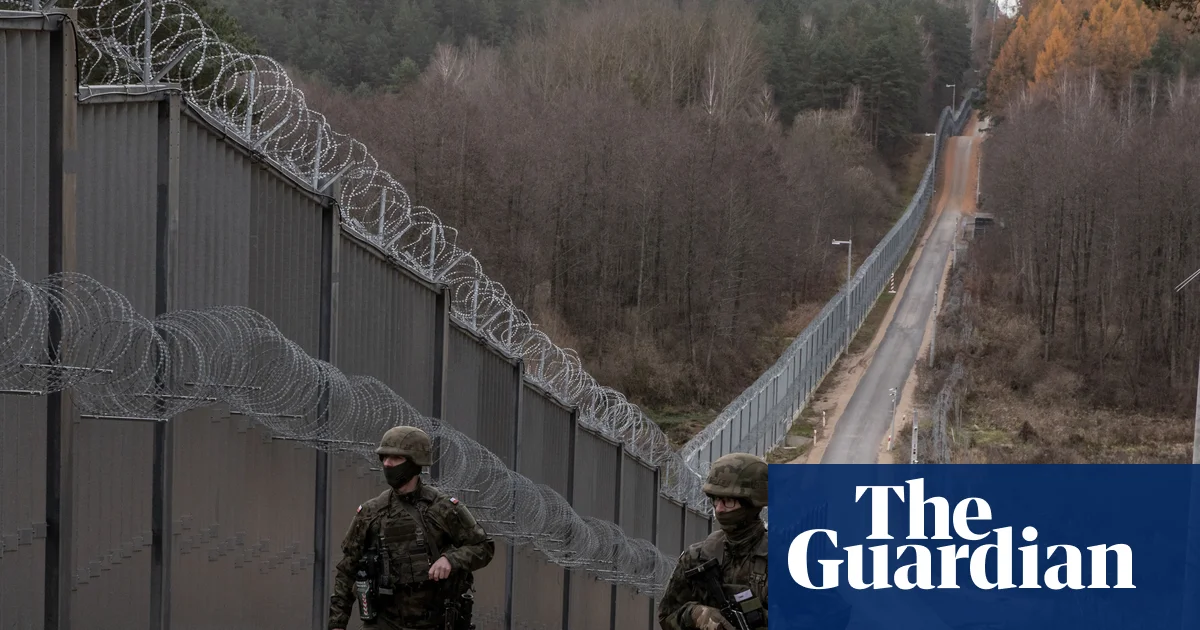
Poland is investing over €2bn in anti-drone fortifications along its eastern border to counter Russian aerial threats, following recent drone incursions, with plans to complete the system within two years, amid heightened tensions and increased defense spending.
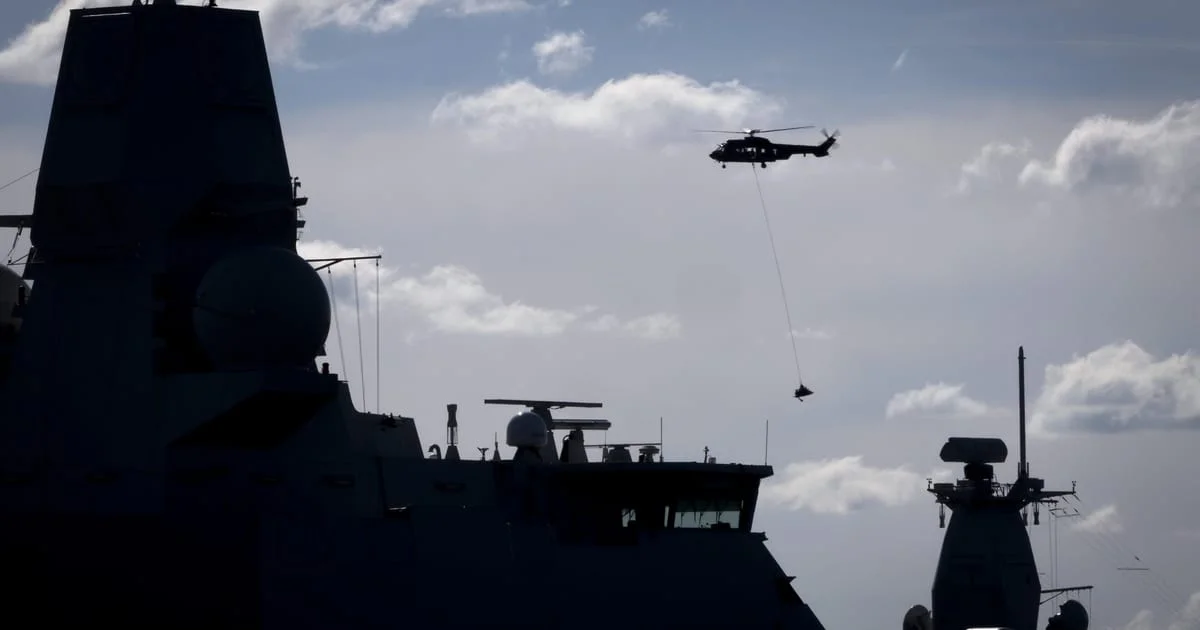
NATO is concerned about vulnerabilities in its air defenses amid increasing Russian threats, while discussions between Zelenskyy and Trump focus on Ukraine's air defense support. Other geopolitical issues include Gaza aid, Dutch political security threats, and drone threats to EU weapons production.
Calls for increased military spending in Europe are growing amidst concerns over Russian aggression and Donald Trump's reluctance to defend the continent. However, the economic realities of European countries, including stagnant economies, budgetary constraints, and deindustrialization, raise doubts about the feasibility of such plans. Despite pressure to meet NATO's 2% GDP defense spending target, the disconnect between rhetoric and budgetary constraints remains a significant challenge, with leaders seemingly detached from these economic realities.
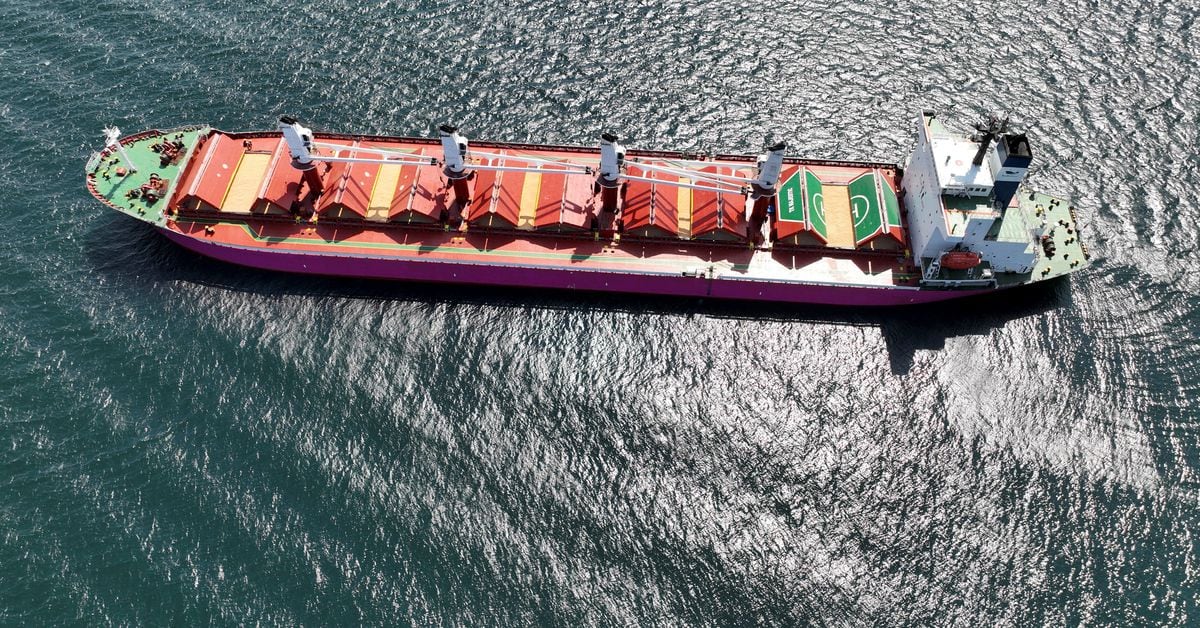
Ukrainian Deputy Prime Minister Oleksandr Kubrakov denied reports that the Black Sea export corridor had been suspended, stating that all available routes established by the Ukrainian Navy are valid and being used by civilian vessels. However, Ukrainian and British firms reported a possible threat from Russian warplanes and sea mines, leading to a temporary suspension of vessel traffic to and from the ports. The corridor was launched in August as a "humanitarian corridor" to circumvent a de facto blockade in the Black Sea after Russia quit a U.N.-brokered deal. Since its inception, about 700,000 tons of grain have been shipped via the new route.