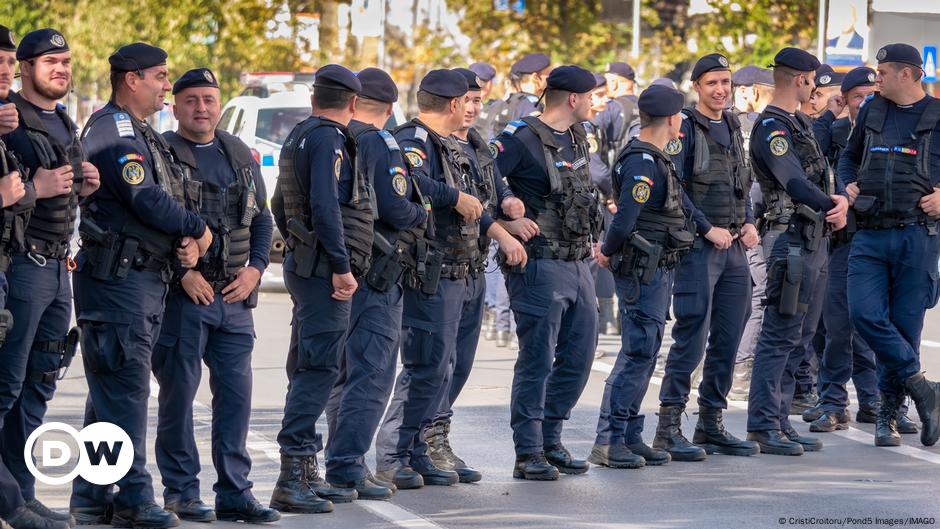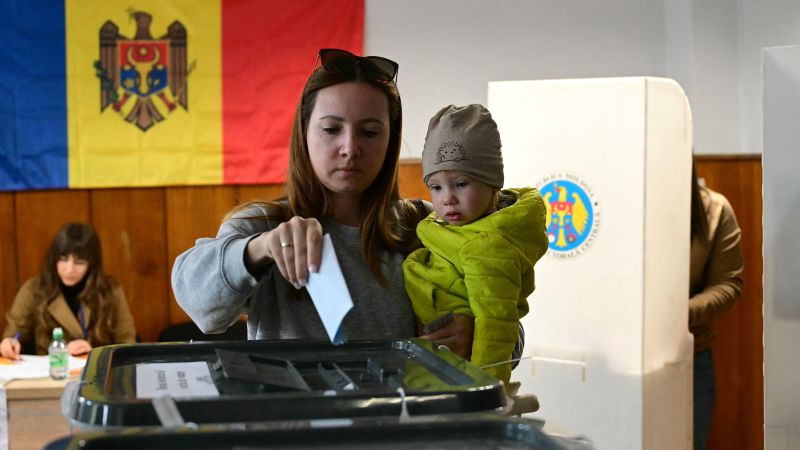
Moldova's tense parliamentary election, marked by claims of Russian interference, pits pro-Western parties against Russia-friendly opponents, with the outcome potentially shaping the country's future alignment with the EU or Moscow amid geopolitical tensions and external threats.
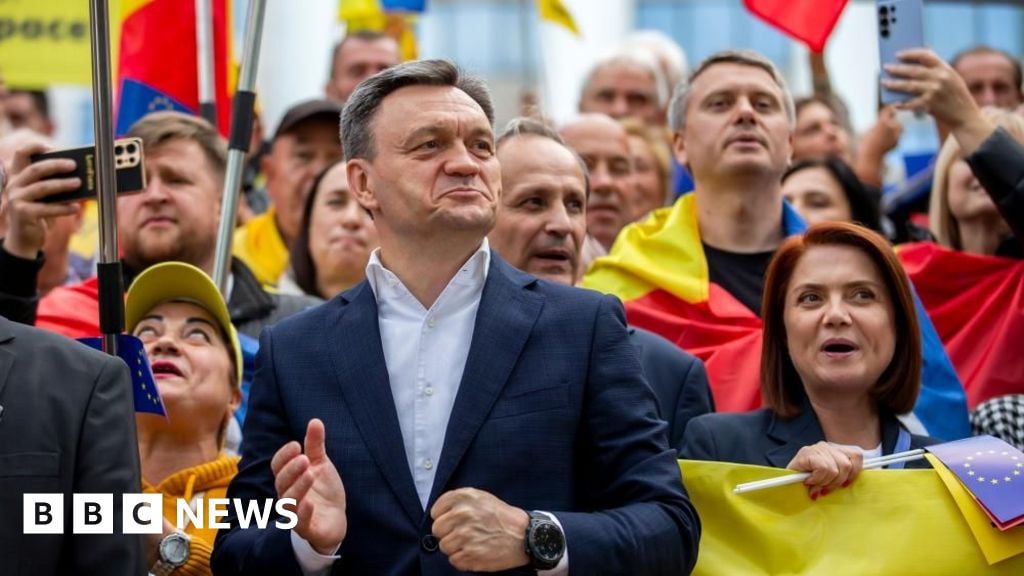
Moldova's upcoming election is heavily influenced by fears of Russian interference, including vote-buying, disinformation, and plots for unrest, as the country shifts towards EU integration and faces pressure from Russia to maintain influence.
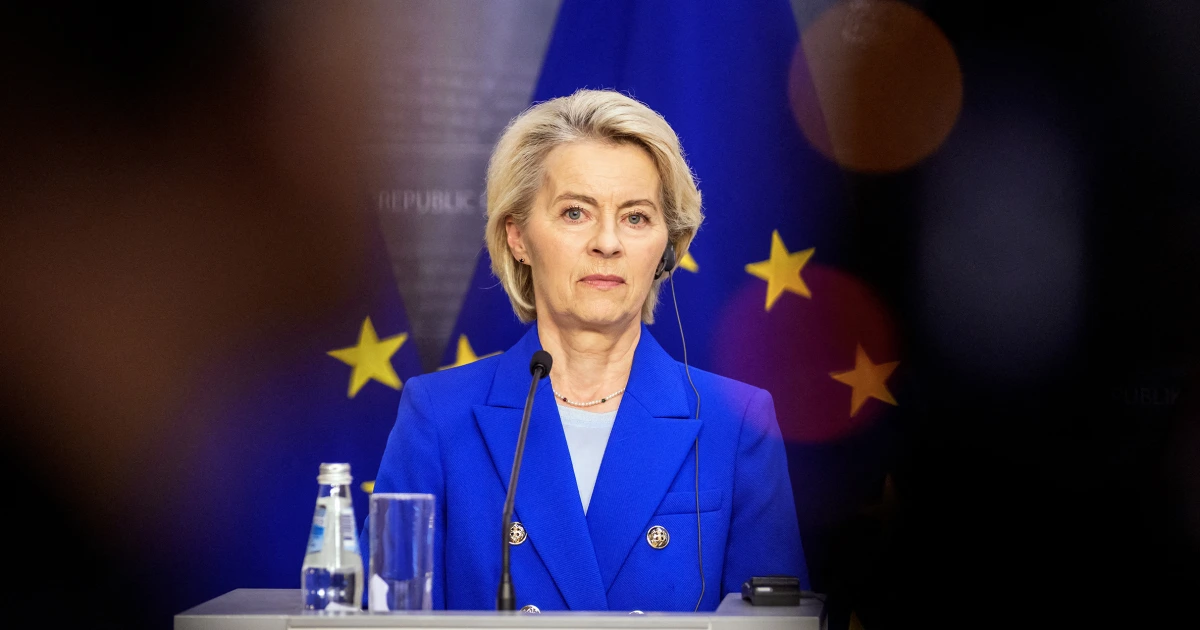
European Commission President Ursula von der Leyen's plane experienced GPS jamming over Bulgaria, suspected to be caused by Russian interference, highlighting ongoing security threats as she tours EU countries bordering Russia and Belarus.
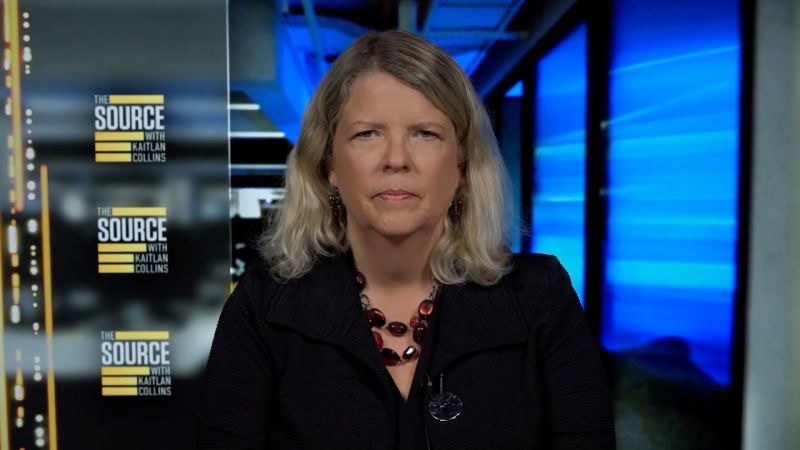
Retired CIA official Susan Miller defends the 2017 intelligence report on Russian election interference, refuting Tulsi Gabbard's claims that the report was fabricated and asserting its credibility and independence from political pressure, while criticizing Gabbard's accusations as politically motivated.
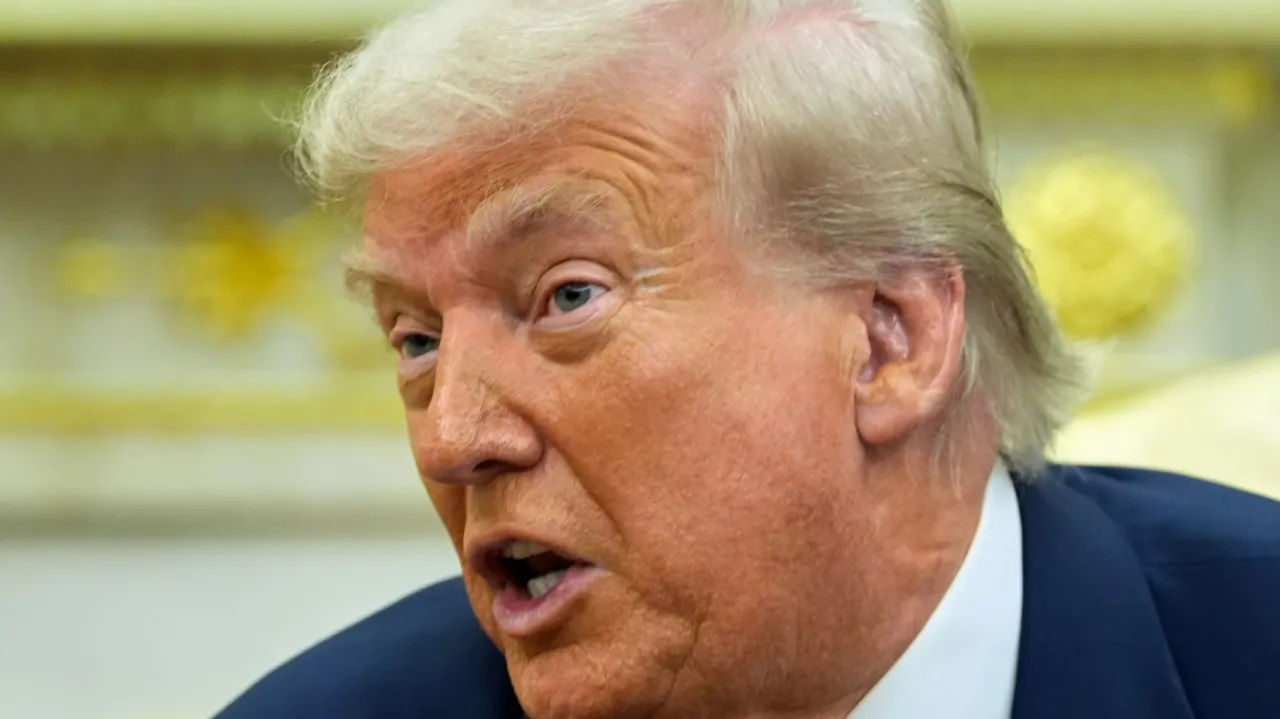
President Trump called for the Department of Justice to target former President Obama over allegations of manipulating intelligence related to Russian interference in the 2016 election, claiming Obama was the 'ringleader' in a supposed treasonous conspiracy, and emphasized the need for accountability for actions he describes as criminal.
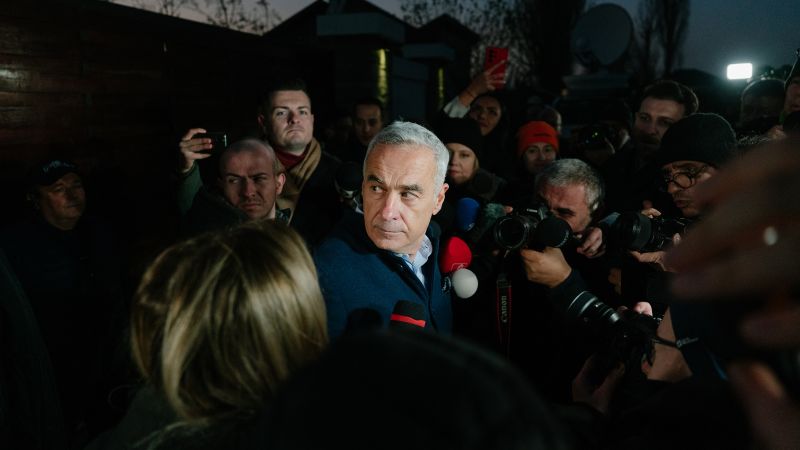
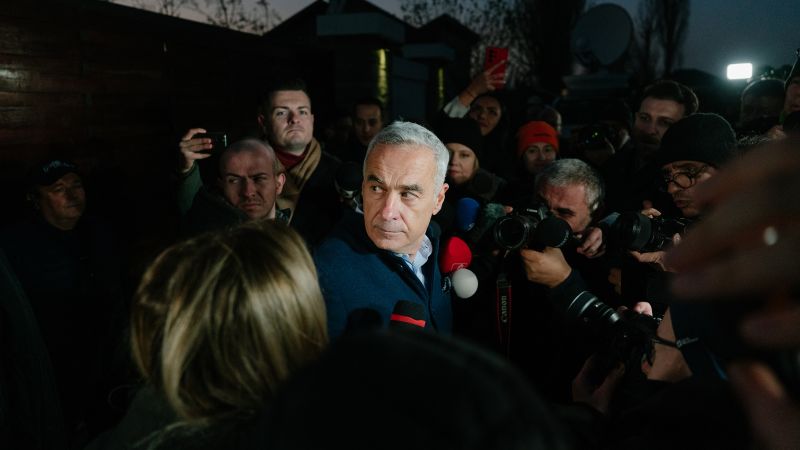
Romania's top court annulled the first-round presidential election results due to alleged Russian interference and vote manipulation, prompting police raids in Brasov. The investigation focuses on illegal campaign funding linked to far-right candidate Calin Georgescu, who unexpectedly won the vote. The annulment delays the second-round vote, with a new election date pending. Georgescu, who opposes Romanian support for Ukraine, denies wrongdoing, while Russia denies meddling.
Romania's constitutional court has annulled the first round of the 2024 presidential election, which was narrowly won by far-right candidate Calin Georgescu, due to allegations of Russian interference. The decision, based on ensuring electoral integrity, cancels the planned runoff against centrist Elena Lasconi and requires a restart of the electoral process. This follows reports of Russian cyber attacks and manipulation on social media, raising concerns from the US about Romania's political direction and its implications for Western alliances.
Romania's constitutional court has annulled the first round of the 2024 presidential election, which was narrowly won by far-right candidate Calin Georgescu, due to allegations of Russian interference. The decision halts the scheduled runoff between Georgescu and centrist Elena Lasconi and requires a restart of the electoral process. The annulment follows a recount order and concerns over cyber-attacks linked to Russia, prompting warnings from the US about potential impacts on security cooperation with Romania.
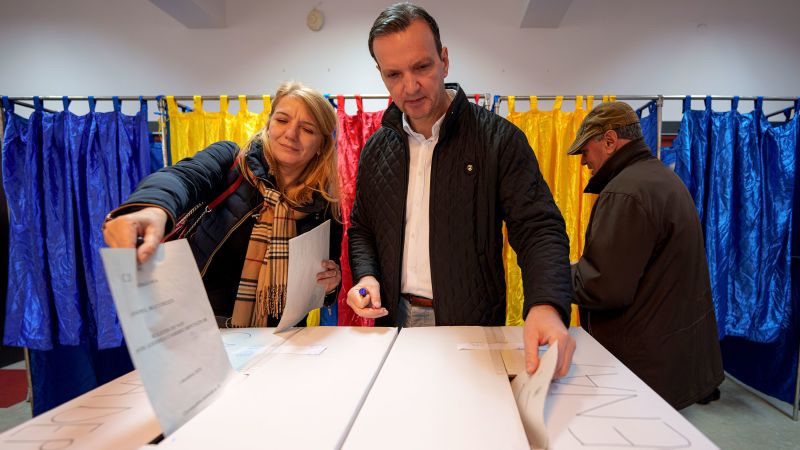
Romanians are voting in a parliamentary election amid allegations of Russian interference in the recent presidential race, where far-right populist Calin Georgescu unexpectedly led the first round. His rise, attributed to TikTok popularity, has sparked protests and concerns about a shift towards populism. The election will determine the new government and prime minister, with major parties like the Social Democratic Party and National Liberal Party facing challenges from far-right and anti-establishment parties. Observers worry about potential instability and the influence of Russian actions.
French police are investigating potential Russian interference after five coffins draped with the French tricolour were placed at the Eiffel Tower, inscribed with "French soldiers in the Ukraine." Three men, including a Bulgarian, a German, and a Ukrainian, have been arrested in connection with the incident. The investigation is also exploring links to recent vandalism of a Holocaust memorial in Paris and possible coordination by the Russian FSB intelligence agency.