
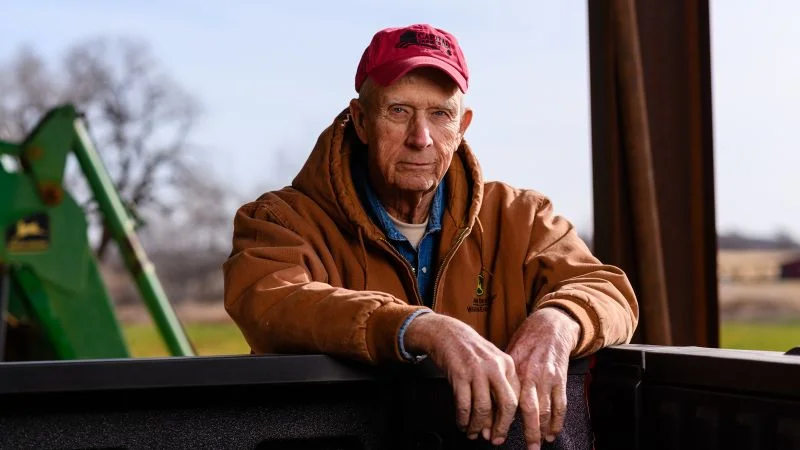
Rural cancer care hinges on miles, scarcity, and local lifelines
Rural Americans face longer journeys for cancer care due to sparse oncologists, hospital closures, and rising drug costs. In Wellington and nearby Childress, Texas, a local infusion center began delivering chemotherapy so patients could stay close to home, a model that contrasts with the nation’s trend of shrinking rural services (448 rural hospitals halted chemo from 2014–2024) and a shortage of rural oncologists. Policy efforts and grants aim to expand access (telehealth, incentives for foreign-trained clinicians), but Medicaid changes and coverage gaps threaten to worsen outcomes, underscoring how distance and capacity shape rural cancer survival.