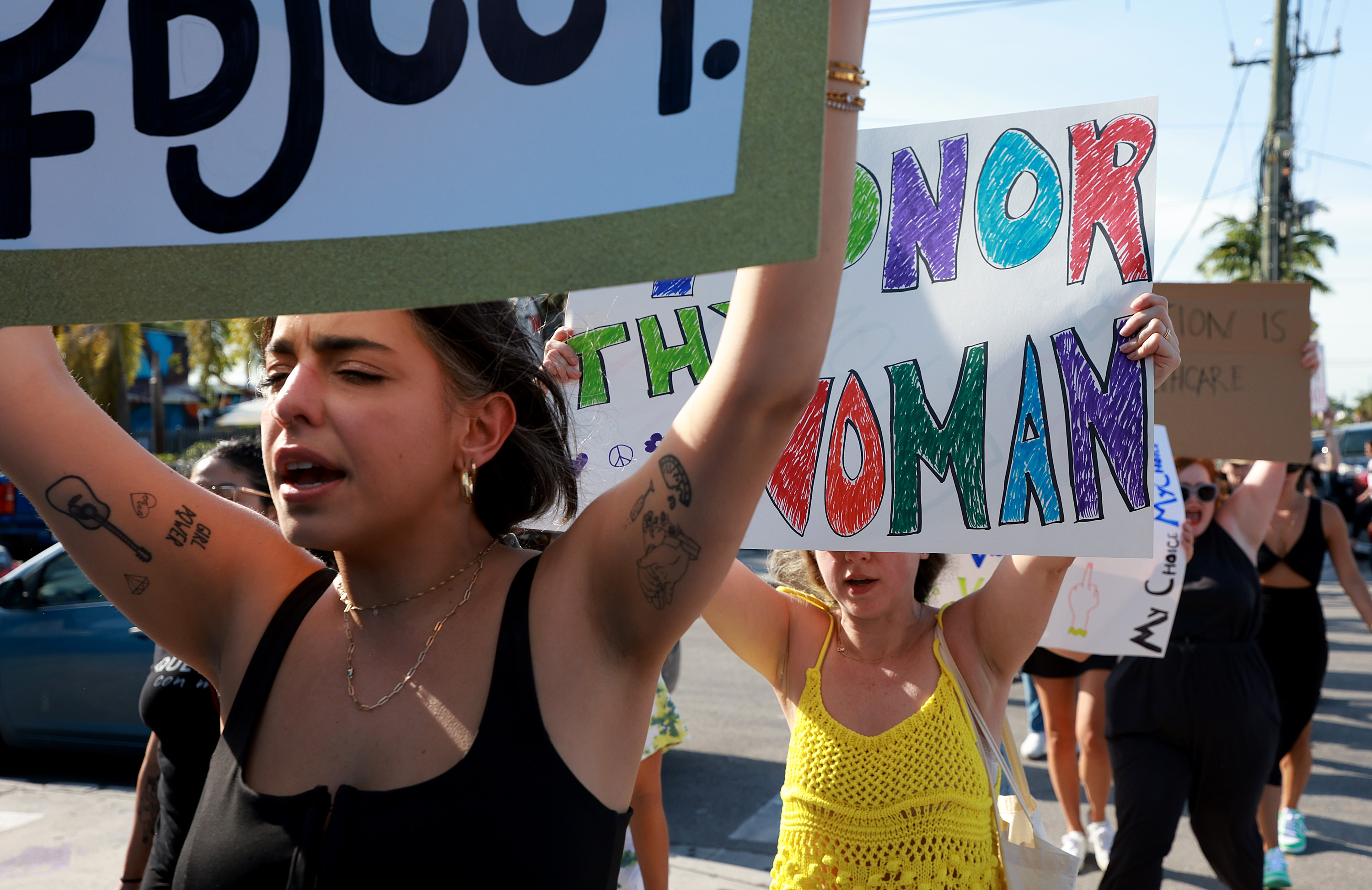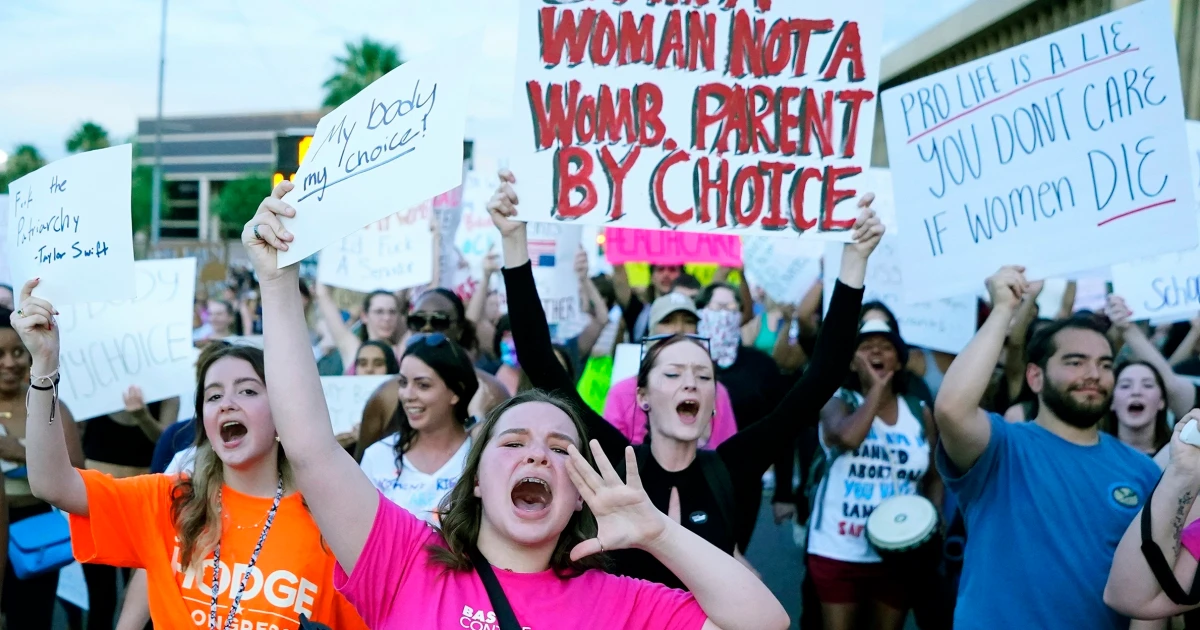
In recent state elections, seven out of ten states passed constitutional amendments to protect or expand abortion rights, while three states—Florida, Nebraska, and South Dakota—rejected similar measures. Arizona and Missouri approved initiatives to protect abortion rights until fetal viability, while other states like Maryland and New York enshrined existing rights. Nebraska approved a measure limiting abortion to the first trimester, aligning with its current 12-week ban. The defeats in Florida, Nebraska, and South Dakota mark the first failures for pro-abortion-rights measures since Roe v. Wade was overturned.
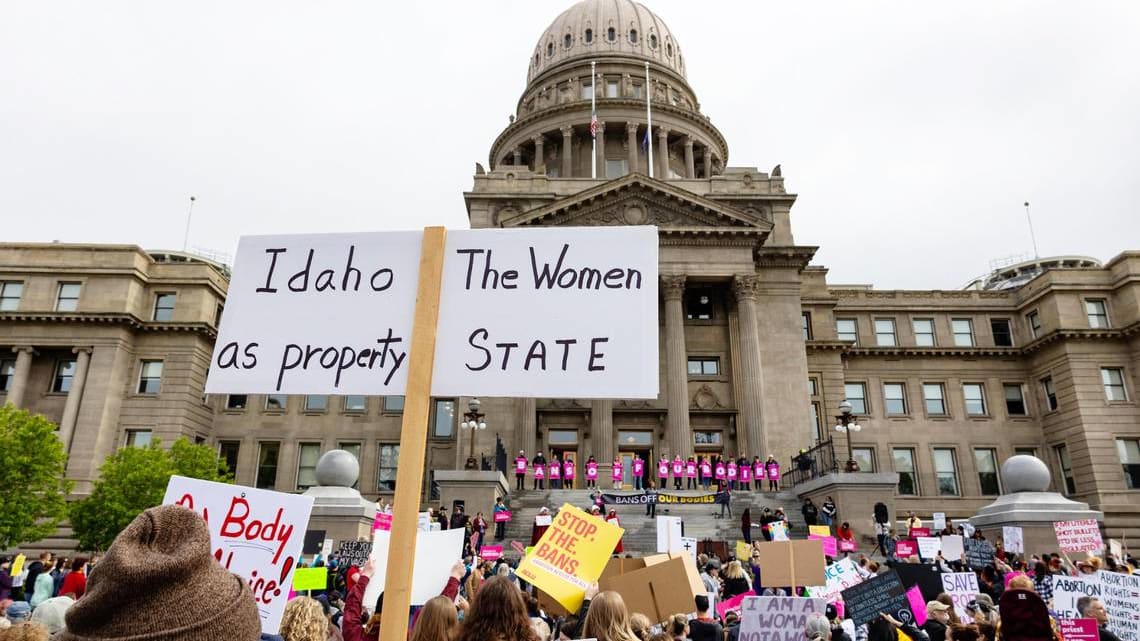
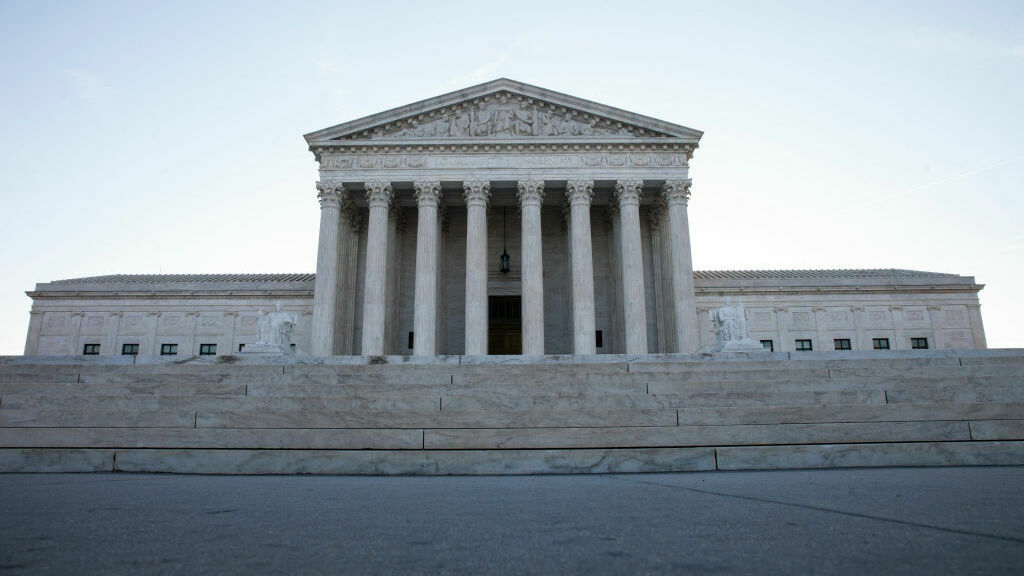
The Supreme Court has permitted Idaho to enforce its near-total abortion ban while agreeing to hear an appeal in April. This decision allows the state to penalize doctors who perform abortions in emergency situations, despite opposition from the Justice Department. The law, which was enacted in 2020, came into effect following the overturning of Roe v. Wade and had some provisions previously halted by a federal judge. Now, Idaho can enforce the law in its entirety until the Supreme Court further examines its compatibility with federal law.
President Joe Biden criticized the Supreme Court's decision to allow Idaho's strict abortion ban to take effect, emphasizing that it undermines women's access to emergency abortion care and contravenes federal law. He reiterated his and Vice President Harris's stance that health care decisions should be made by women with their doctors, not by politicians. Biden urged Congress to act to restore the protections previously afforded by Roe v. Wade, highlighting the significant impact on women's health care across the United States.
The U.S. Supreme Court has permitted Idaho's near-total abortion ban to be enforced, marking the first intervention in state abortion laws since the overturning of Roe v. Wade. The Idaho law criminalizes abortion except to save the life of the mother, a standard that conflicts with federal law requiring emergency medical care for conditions threatening a mother's health. The Biden administration had previously blocked the law, arguing it violated federal protections. The Supreme Court will hear an appeal on the case in April, potentially influencing other states to enact stricter abortion laws.
Florida abortion rights advocates have successfully gathered enough signatures to place a constitutional amendment on the 2024 ballot that would protect abortion until about 24 weeks of pregnancy. This initiative follows similar successful measures in other states like Ohio and comes as a challenge to recent restrictions imposed by Florida Republicans, including a 15-week abortion ban. The measure faces opposition from the state Attorney General and conservative groups, with a Supreme Court hearing set for February 7 to address claims that the ballot language is misleading. If passed, the amendment would require 60 percent voter approval and could significantly impact abortion access in the southern United States.
A federal appeals court has upheld Texas' ability to enforce a total ban on emergency abortions, countering federal guidance from the Biden administration that argues such abortions are protected under a 1986 law requiring hospitals to provide stabilizing treatment in emergencies. This decision follows the Supreme Court's reversal of Roe v. Wade and continues the legal battle over abortion rights in the United States.