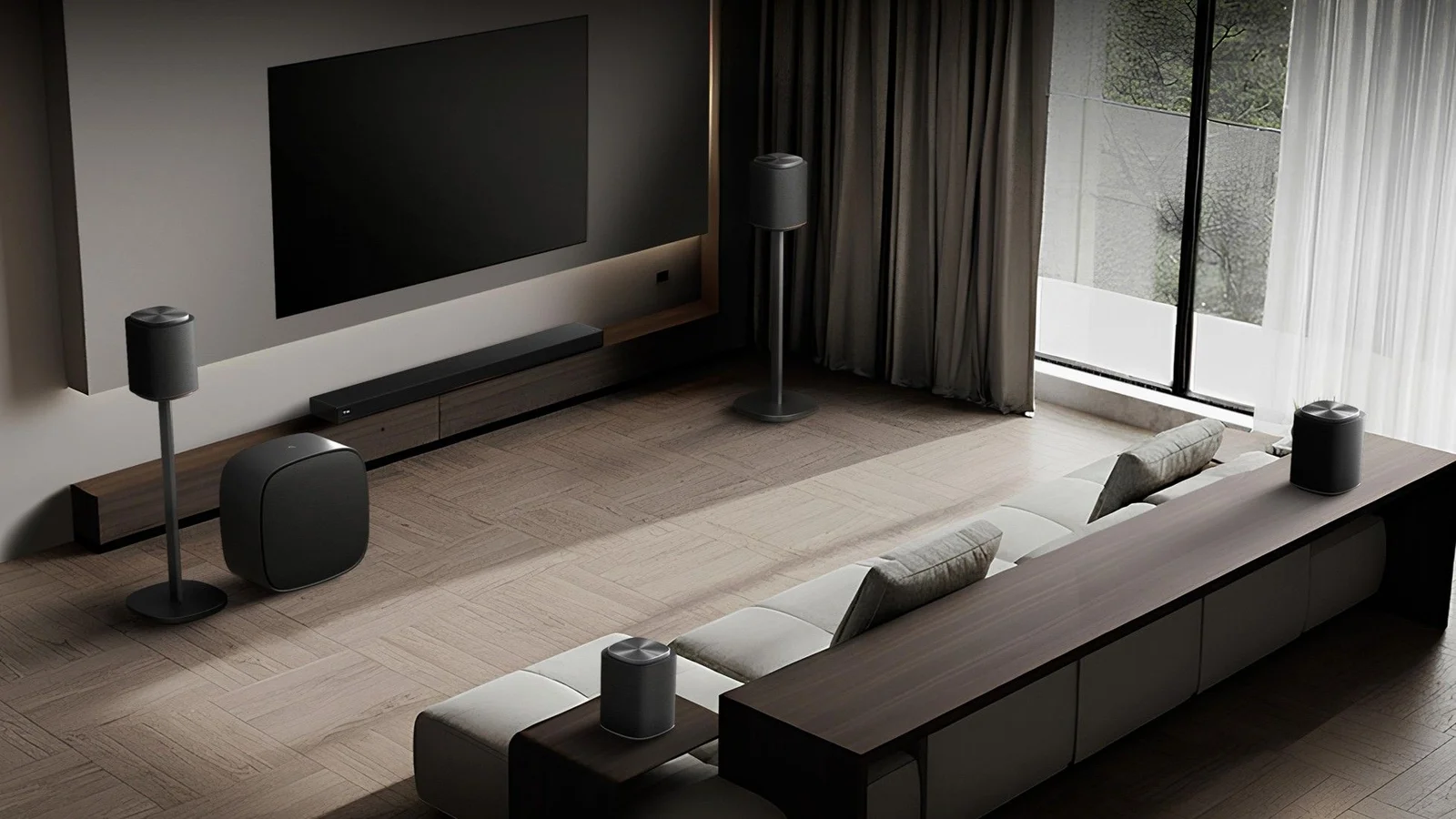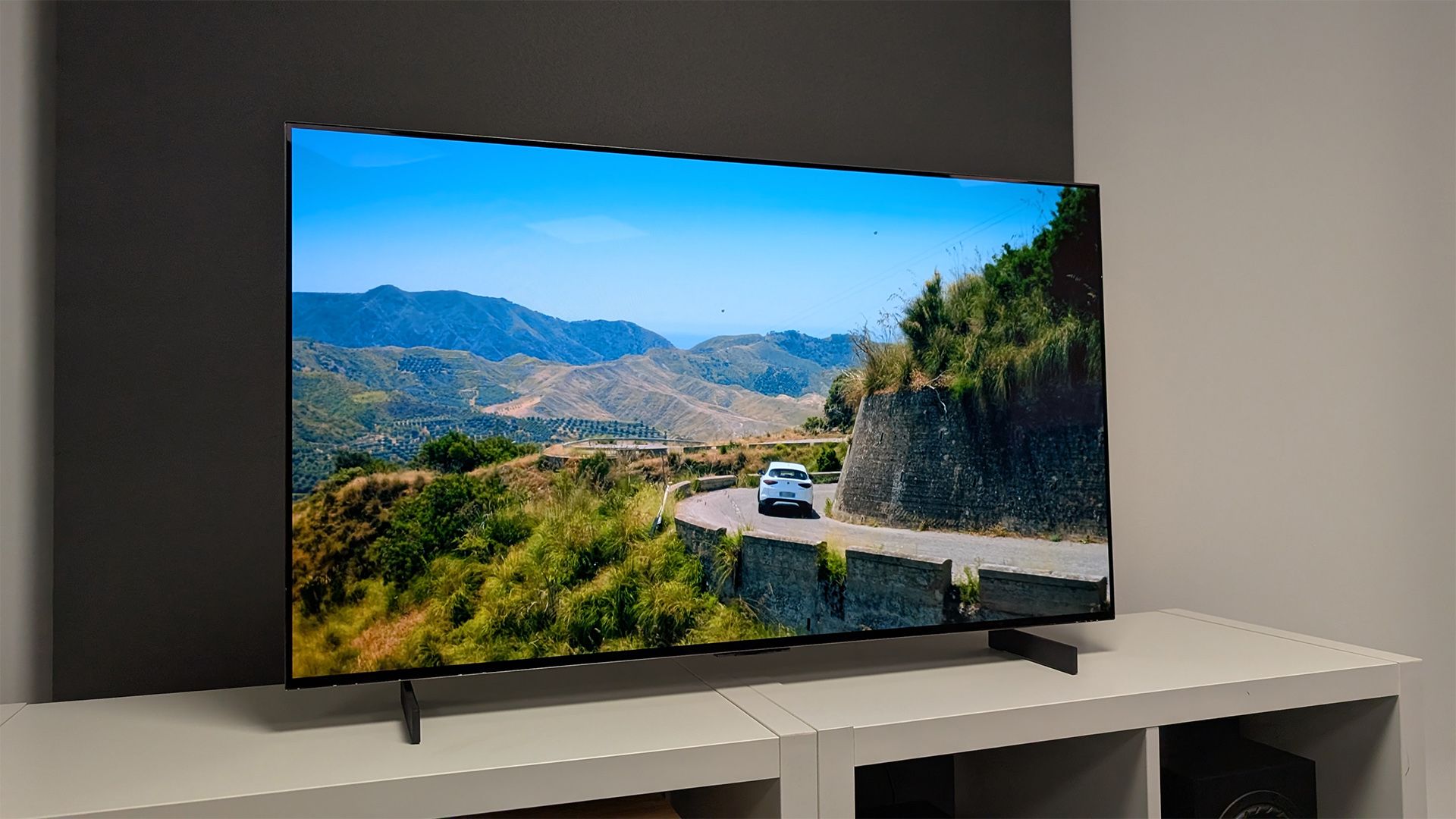
LG's 2026 TV lineup introduces three new models: the RGB Mini LED MRGB95, the ultra-thin W6 Wallpaper OLED with wireless Zero Connect, and the Gallery TV designed to resemble a picture frame. The lineup features advanced technologies like second-generation Primary RGB Tandem OLED panels, Hyper Radiant Colour Technology, and support for Dolby Atmos FlexConnect, but notably, LG will not support Dolby Vision 2 in 2026. The new models aim to enhance brightness, contrast, and design aesthetics, competing with other premium TVs and offering innovative features for different consumer needs.
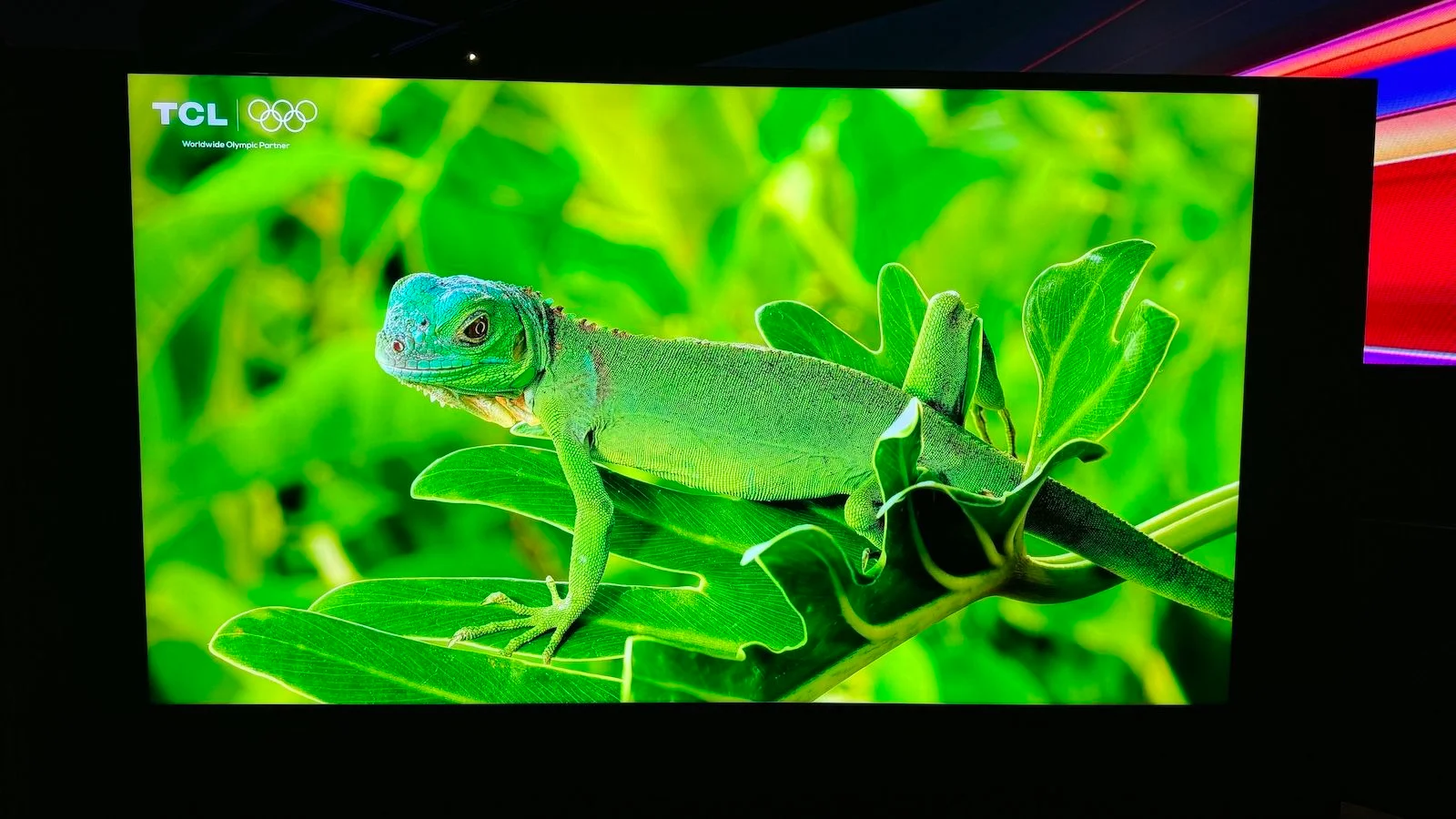
TCL's first RGB Mini LED TV, the RM9L, impressed with its vibrant colors, high brightness, and good viewing angles during a CES 2026 hands-on, though it falls slightly short of TCL's flagship X11L in brightness and sharpness. The TV features a premium design, advanced local dimming, and supports high-end HDR formats, promising a strong performance that has tech enthusiasts eager for a full review.
LG is preparing for an innovative 2026 with new RGB Mini LED TVs featuring advanced backlight technology, multiple OLED models likely including the G6 and M6, and a new Dolby Atmos sound system that offers flexible home theater configurations, all aimed at maintaining its leadership in display and audio tech.
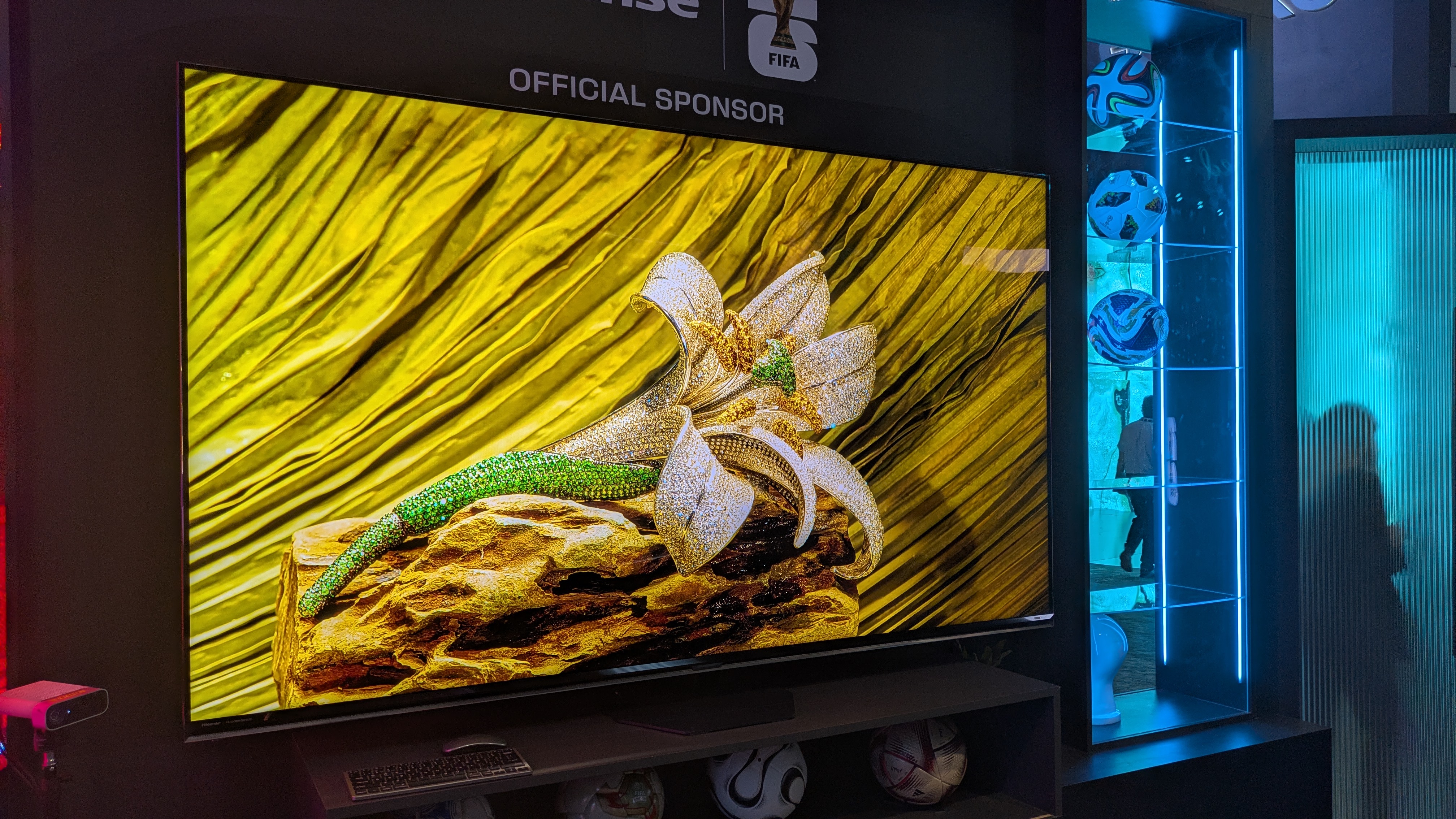
Hisense has unveiled an 85-inch RGB mini-LED TV at IFA 2025, offering vibrant colors, deep blacks, and high brightness comparable to OLEDs, with plans for a launch next year and a more affordable price point, signaling a potential shift in high-end TV technology.
RGB Mini-LED is an emerging TV display technology that offers brighter images, better contrast, and a wider color gamut, potentially surpassing OLEDs in color accuracy. Major brands like Samsung, Hisense, and Sony are developing their own versions, with prices currently very high due to large sizes, but future smaller, more affordable models are expected. This technology could revolutionize TV displays by providing superior color and brightness.
Sony's upcoming Sony Bravia 10, set for 2026, features innovative RGB Mini-LED technology that could surpass OLEDs in color volume, contrast, and brightness, potentially revolutionizing TV displays. Despite its promising tech, high pricing may limit its market impact, but it could challenge existing OLED and MicroLED options.