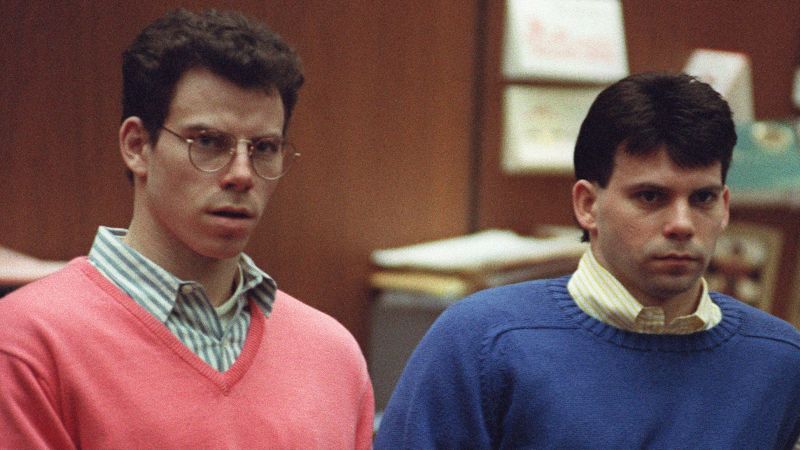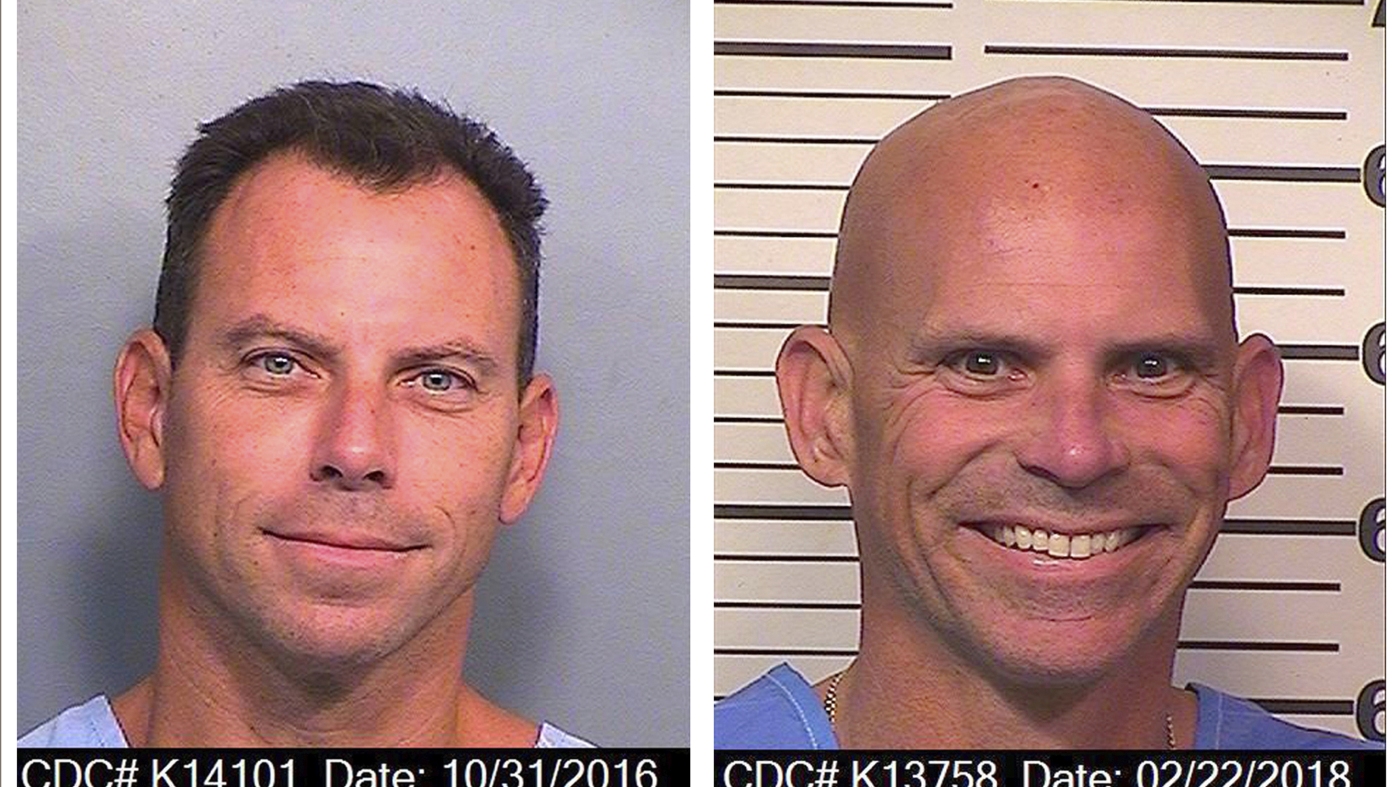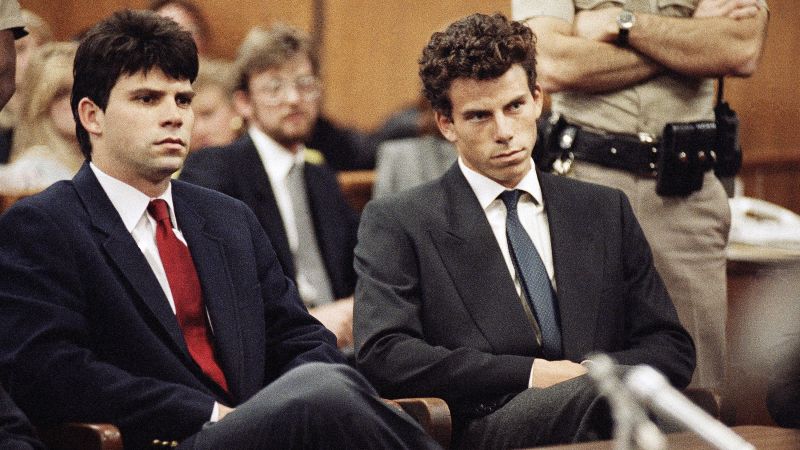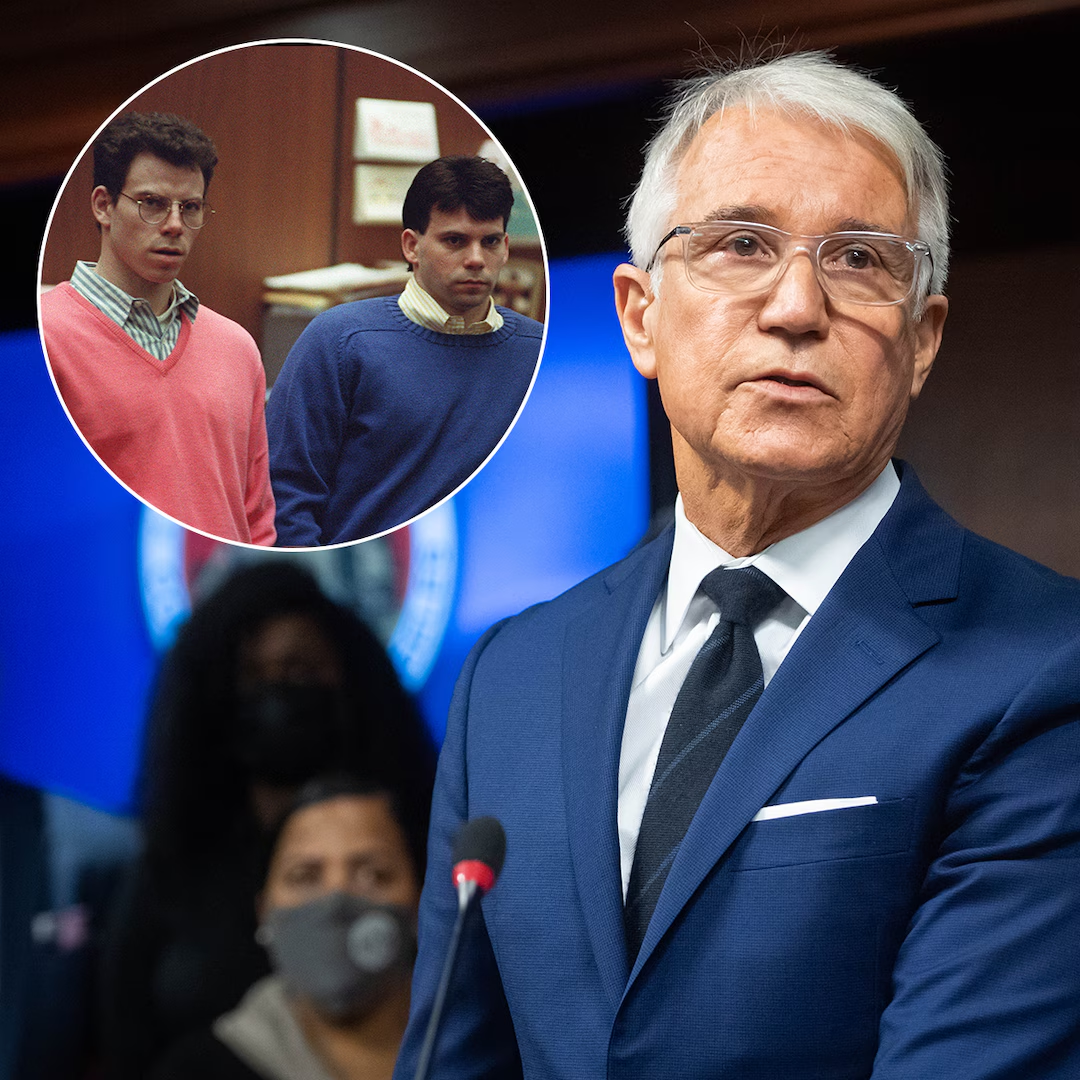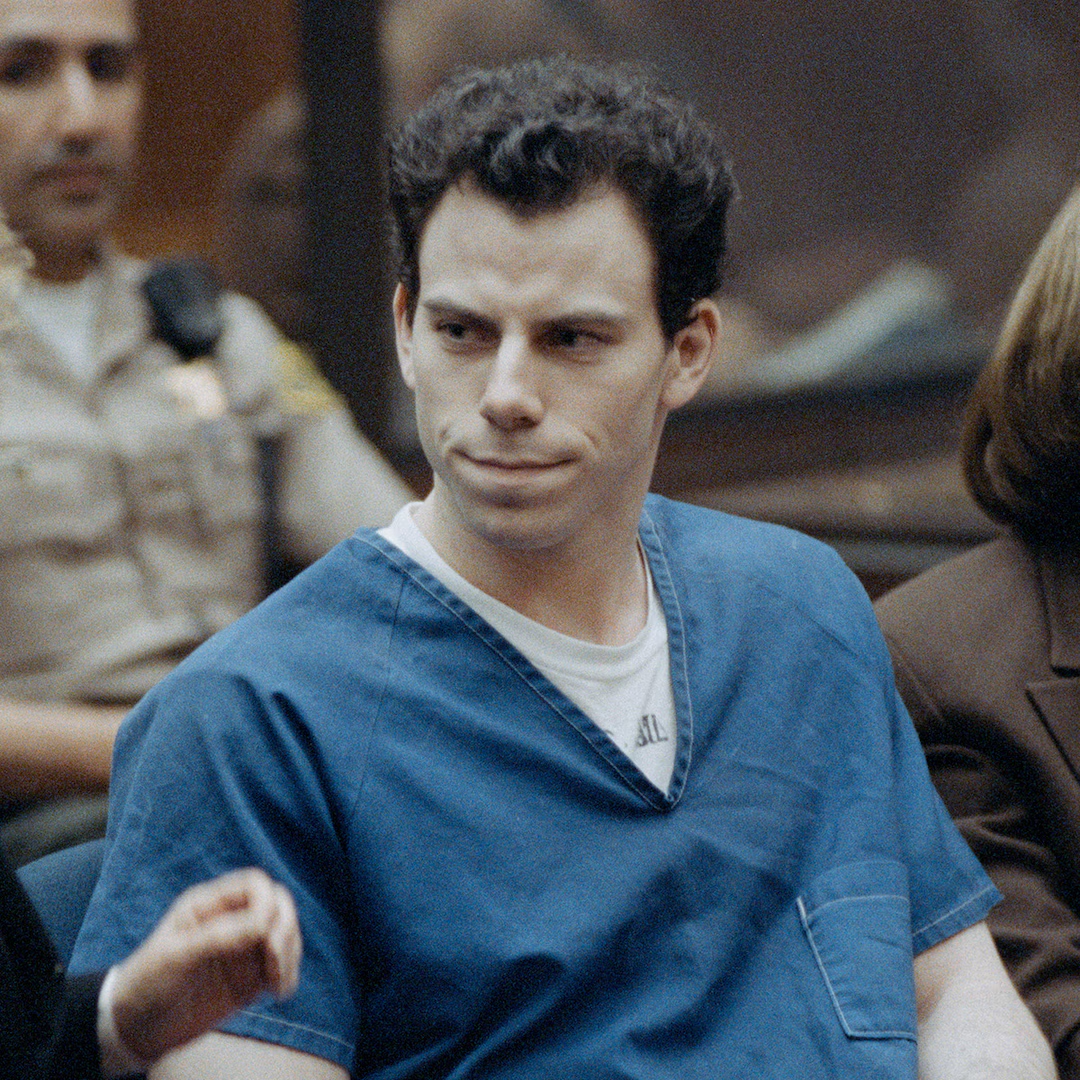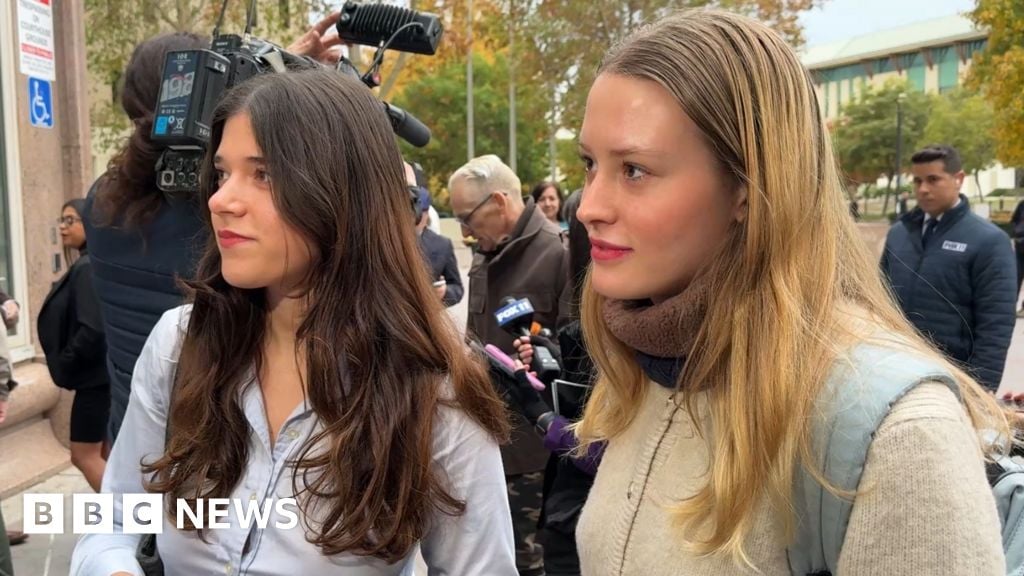
The Menendez brothers' case has reignited public interest, turning a Los Angeles courthouse into a sought-after venue as the brothers seek release after over 30 years in prison. A mix of new evidence, a Netflix docuseries, and political changes have fueled the frenzy, with only 16 public seats available for the hearing. The judge postponed the resentencing decision until January, pending review by the new district attorney. Enthusiasts, including tourists and students, participated in a lottery for a chance to witness the proceedings, likening the experience to winning a 'golden ticket.'
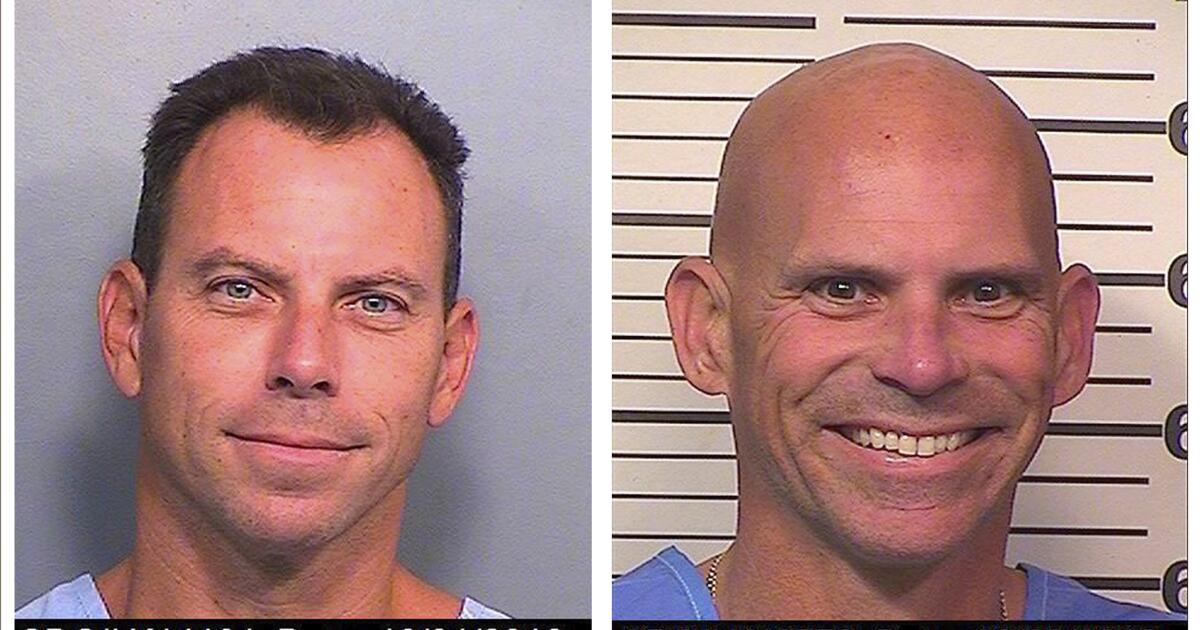
The Menendez brothers, Lyle and Erik, who were sentenced to life without parole for the 1989 murder of their parents, are seeking resentencing with support from their aunts, who claim the brothers were sexually abused by their father. A Los Angeles judge has delayed the hearing to January to allow the new district attorney to review the case. Outgoing DA George Gascón had recommended resentencing, citing new evidence of abuse, but the incoming DA, Nathan Hochman, plans to conduct his own review. The brothers' potential release would ultimately depend on the parole board and Governor Gavin Newsom.
The resentencing hearing for Erik and Lyle Menendez, convicted of murdering their parents in 1989, has been postponed to January 2025. A Los Angeles judge delayed the hearing to allow incoming District Attorney Nathan Hochman time to review the case. The brothers' attorney, Mark Geragos, is seeking to reduce their conviction from first-degree murder to voluntary manslaughter, which could make them eligible for parole. The case has gained renewed attention due to recent media portrayals and new evidence of alleged abuse by their father.
Erik and Lyle Menendez, serving life sentences for the 1989 murder of their parents, are seeking to have their convictions vacated based on new evidence of alleged sexual abuse by their father. Their defense argues that this evidence, including a letter and a declaration from a former boy band member, supports their claims and could lead to their release or resentencing. The case is being reviewed by Judge Michael V. Jesic, with outgoing L.A. County D.A. George Gascón supporting a new sentence that could make them eligible for parole. The brothers' case has drawn significant public and media attention over the years.
Lyle and Erik Menendez, convicted of murdering their parents in 1989, are set to appear in court for the first time in 28 years as they seek resentencing. The Los Angeles District Attorney has recommended they be resentenced, potentially allowing for their release, following new abuse allegations against their father. The case has gained renewed attention due to a recent docuseries and shifting public perceptions of abuse. A resentencing hearing is scheduled for December 11, with the possibility of clemency also being considered.
A judge is set to decide whether new evidence of sexual abuse warrants a re-examination of the Menendez brothers' convictions for the 1989 murders of their parents. The brothers, who have been serving life sentences without parole, have filed a habeas corpus petition citing new evidence, including a letter from Erik Menendez and allegations from former Menudo member Roy Rossello. Prosecutors have recommended resentencing, which could make them eligible for parole. The decision on the abuse evidence will be addressed before a resentencing hearing in December.
California Governor Gavin Newsom has put the clemency consideration for the Menendez brothers on hold until Nathan Hochman, the newly elected Los Angeles County District Attorney, takes office on December 3. Hochman has prioritized reviewing the Menendez case, which could lead to a resentencing hearing on December 11. The brothers, convicted of murdering their parents in 1989, have gained renewed attention due to recent media portrayals and new evidence of alleged abuse by their father.
The election of Nathan Hochman as Los Angeles County District Attorney has introduced uncertainty regarding the potential resentencing of Lyle and Erik Menendez, convicted of murdering their parents nearly 30 years ago. Hochman, who defeated progressive DA George Gascón, plans to review the case thoroughly before deciding on the resentencing motion filed by Gascón, which cited new evidence of abuse by the brothers' father. Legal experts suggest the case may not be a priority for Hochman, and the decision could ultimately rest with the state parole board or a clemency request to Governor Gavin Newsom.
Nathan Hochman, the incoming Los Angeles County district attorney, may request a delay in the resentencing hearing for Erik and Lyle Menendez, who were convicted of murdering their parents in 1989. Hochman, who takes office on December 2, needs time to review the case before the December 11 hearing. His predecessor, George Gascón, had sought to resentence the brothers to life with parole, citing new evidence of abuse and their rehabilitation. Gascón also supported their clemency bid, which could lead to their immediate release.
The recent election loss of Los Angeles County District Attorney George Gascón to Nathan Hochman may impact the resentencing case of the Menendez brothers, who are serving life sentences for the 1989 murders of their parents. Gascón had recommended resentencing them to 50 years with parole possibility, influenced by new evidence and media attention from a Netflix series. Hochman criticized the timing of Gascón's decision and has not yet stated his position on the case, leaving the brothers' future uncertain.
Tammi Menendez, wife of Erik Menendez, has expressed disappointment over the Los Angeles District Attorney's decision to recommend resentencing Erik and his brother Lyle to 50 years to life, making them eligible for parole. The brothers, convicted in 1996 for the 1989 murders of their parents, have maintained claims of abuse by their father. The resentencing recommendation, which requires a judge's approval, follows new evidence and increased public interest due to a Netflix series. Tammi hopes Erik will be released in time for his birthday on November 27.
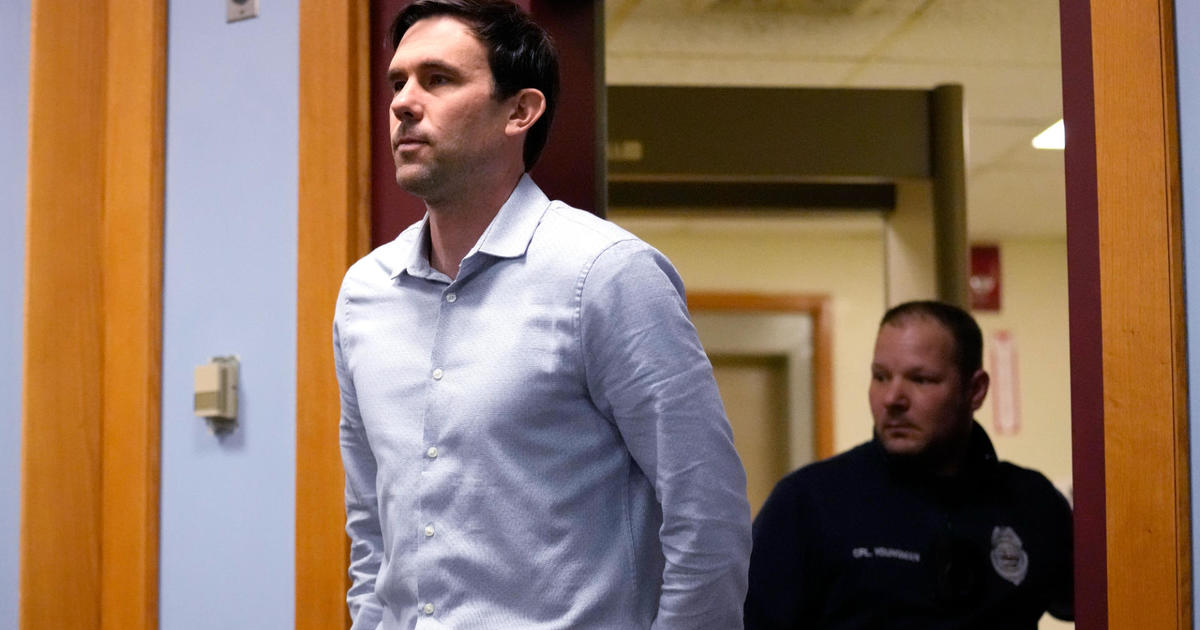
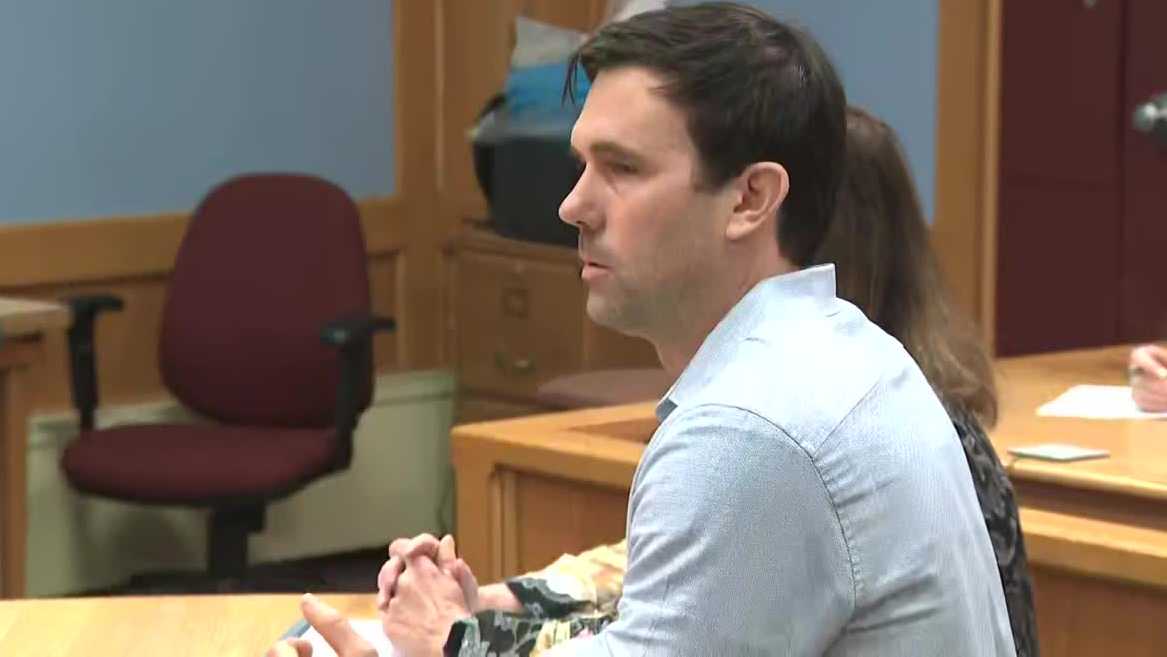
James Parker, who was convicted of participating in the 2001 murder of two Dartmouth College professors, has been granted parole after spending over 20 years in prison. Parker, who was 16 at the time of the crime, expressed deep remorse during his parole hearing, stating that he knows there's nothing he can do to change or alleviate the pain he caused. His accomplice, Robert Tulloch, is scheduled for a resentencing hearing in June after a 2012 U.S. Supreme Court ruling deemed mandatory life imprisonment without parole for juvenile offenders unconstitutional.
James Parker, who was sentenced to 25 years to life in prison for the 2001 murders of two Dartmouth College professors, has been granted parole. He and his friend posed as students conducting a survey before stabbing the Zantops to death. Parker admitted to intending to kill someone that day and expressed remorse during the hearing. He described the killings as part of a plan to rob the couple and acknowledged the pain caused to the victims' loved ones. The parole board ordered him to have no contact with the families, continue mental health treatment, and remain free of disciplinary action. Meanwhile, his co-defendant, Robert Tulloch, is scheduled for a resentencing hearing in June due to a 2012 U.S. Supreme Court ruling on juvenile offenders.
Two women convicted in connection with a Minnesota man's murder were released early from prison after their sentences were reduced under a new state law that redefines aiding and abetting murder, allowing for retroactive application. The women were resentenced on lesser charges and released after serving over six years. The victim's family expressed disappointment with the decision, while attorneys and officials defended the change as a means to ensure appropriate consequences for major participants in a murder.
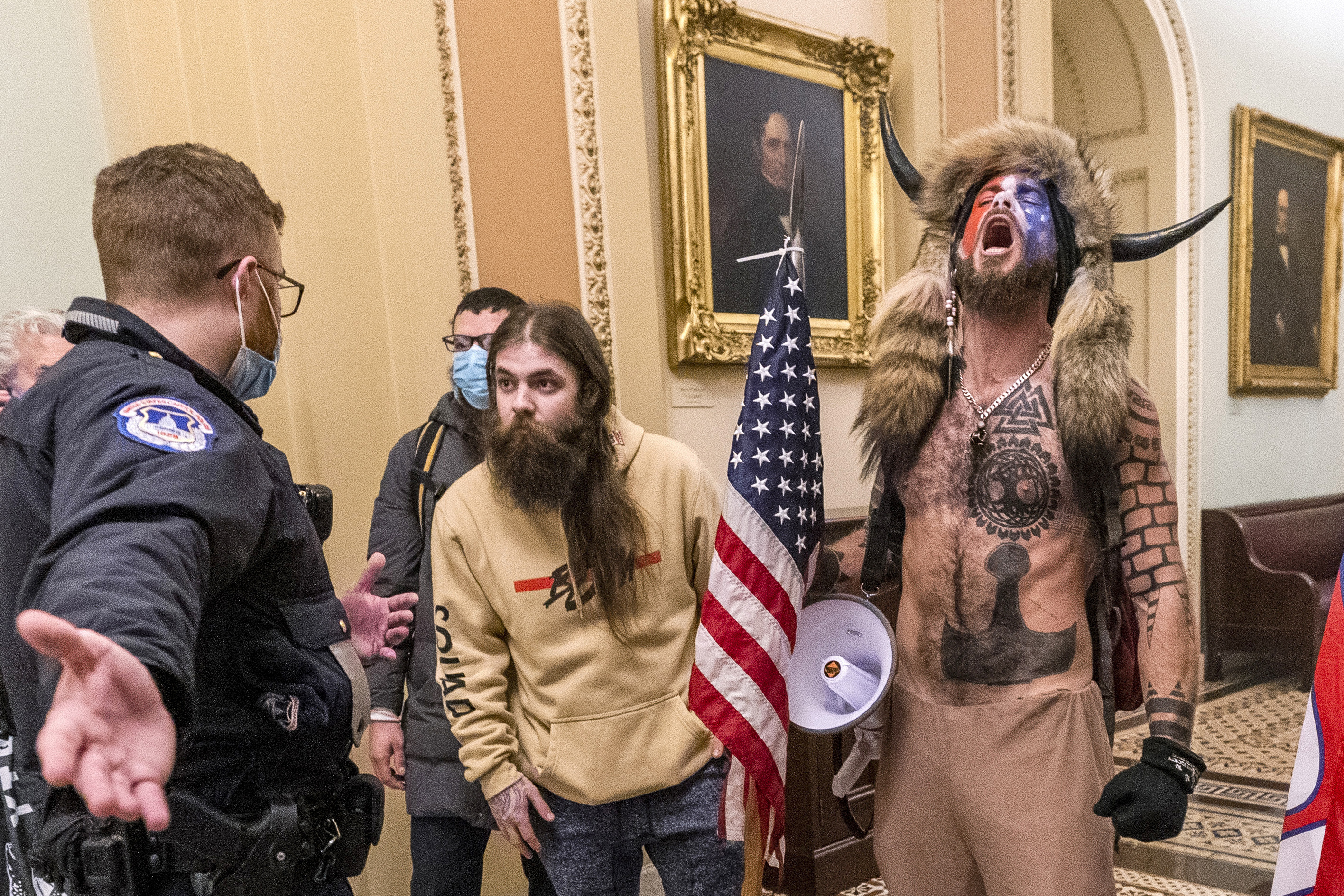
Jacob Chansley, also known as the "QAnon shaman," is requesting to be resentenced for his role in the Jan. 6 insurrection, claiming his former lawyer provided "ineffective assistance" by failing to investigate video footage that could have supported his defense. Chansley's new attorney filed a motion arguing that his previous lawyer should have postponed his sentencing to obtain all video evidence of Chansley from inside the Capitol. The motion suggests that the video footage undermines prosecutors' claims that Chansley intended violence when he entered the Capitol. Chansley pleaded guilty to obstruction of an official proceeding and was sentenced to almost three-and-a-half years in prison.