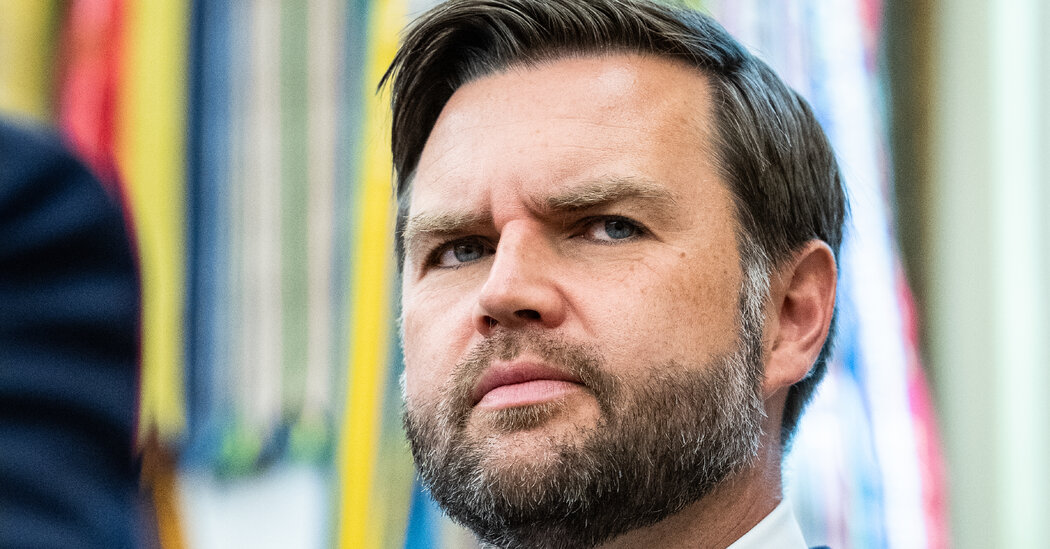
Vice President JD Vance urged Republican donors to work hard for the 2026 midterms in honor of Charlie Kirk, a close friend and right-wing activist who was recently killed, emphasizing the importance of the upcoming elections and the legacy of Kirk in inspiring political efforts.
Eight House Republicans who voted to oust former Speaker Kevin McCarthy are facing blowback, with donors withdrawing support, primary opponents lining up, and some being ex-communicated from caucuses on Capitol Hill. Reps. Nancy Mace and Bob Good are facing serious primary threats, while Rep. Matt Rosendale is facing headwinds in GOP circles. McCarthy allies are quietly working to recruit potential challengers, and there are signs that the current Republican leadership team will support the "Gaetz Eight" in their reelection races.
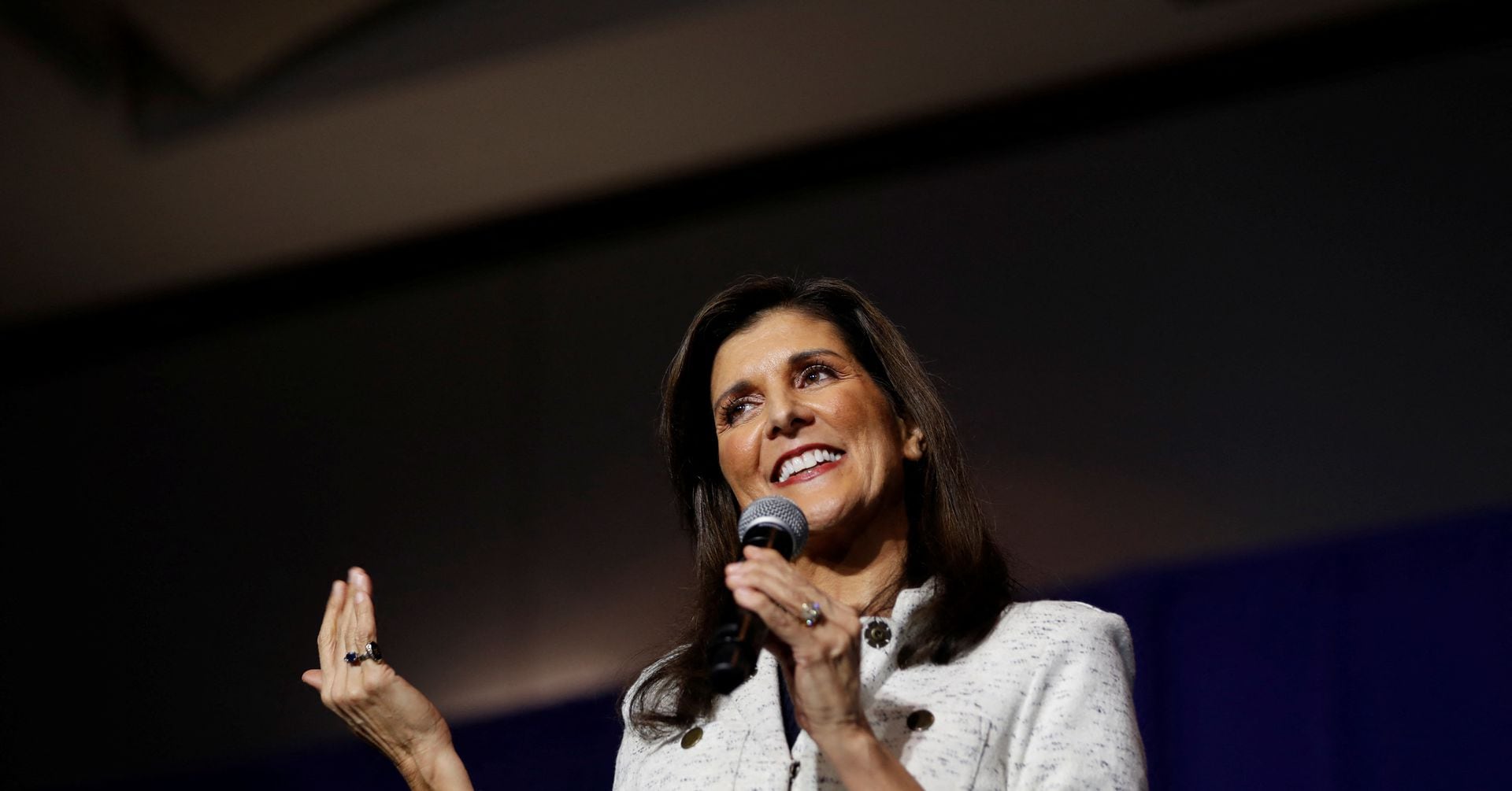
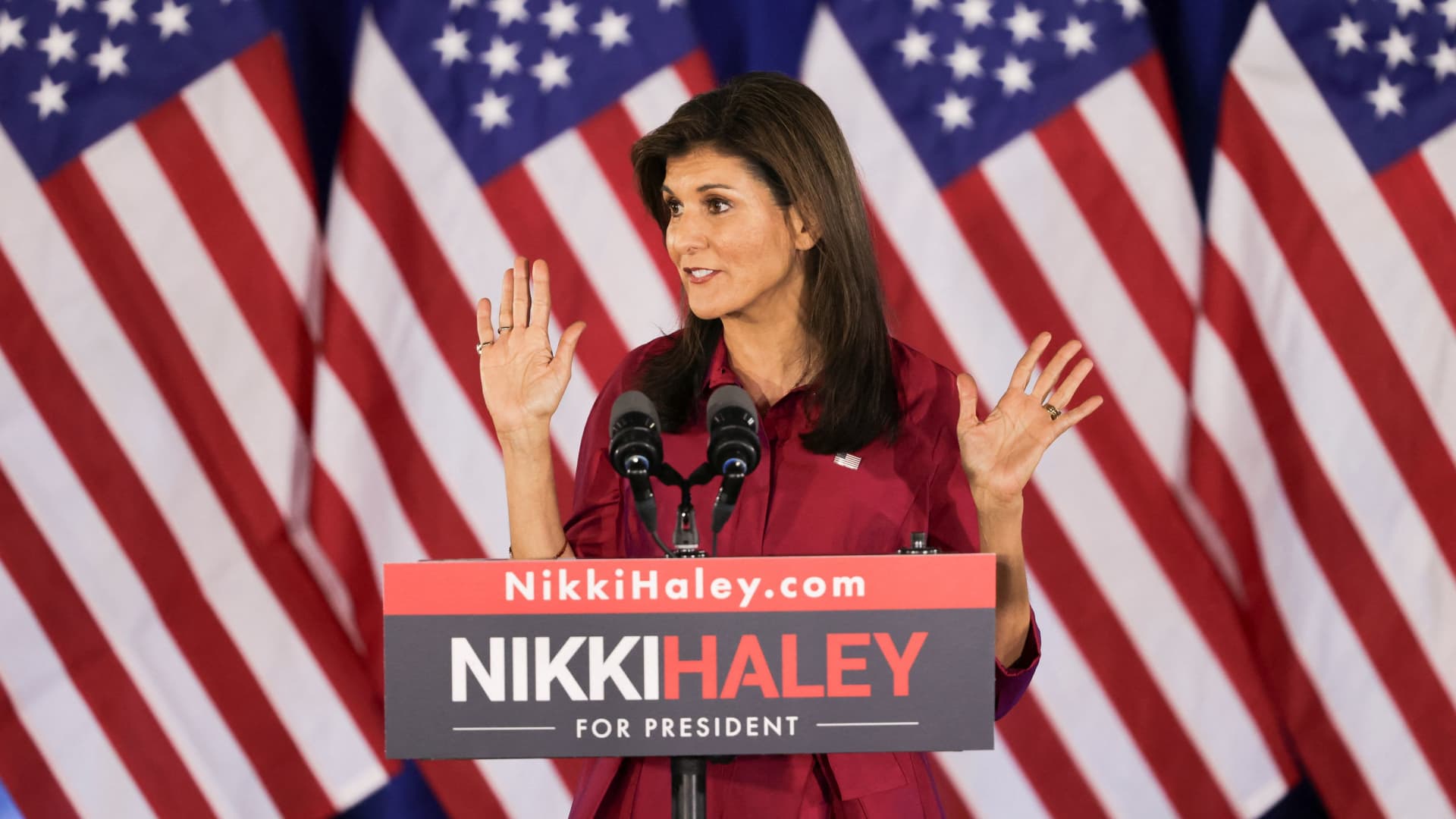
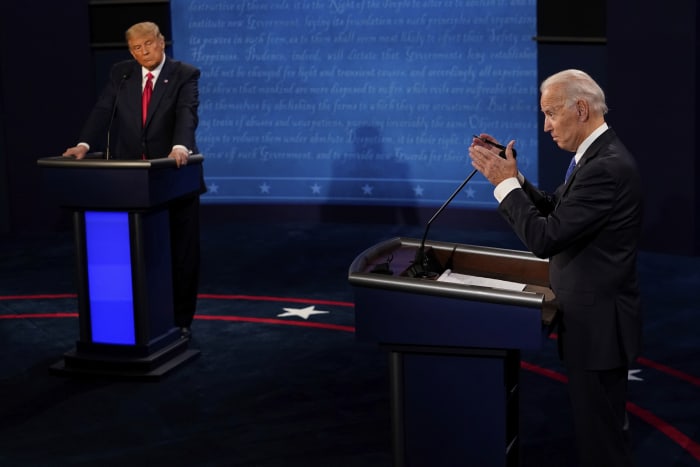
Some major GOP donors, previously resistant to Donald Trump, are beginning to show openness to supporting him, as reflected in a meeting of the American Opportunity Alliance. Despite Nikki Haley's fundraising efforts, some Republican donors are conceding that she has little chance of overtaking Trump and are ready for the contest to end in order to focus on President Biden. Billionaire hedge-fund executive Kenneth Griffin, who had initially supported Gov. Ron DeSantis, has now donated $5 million to Haley's super PAC, praising her foreign policy credentials and policy priorities.
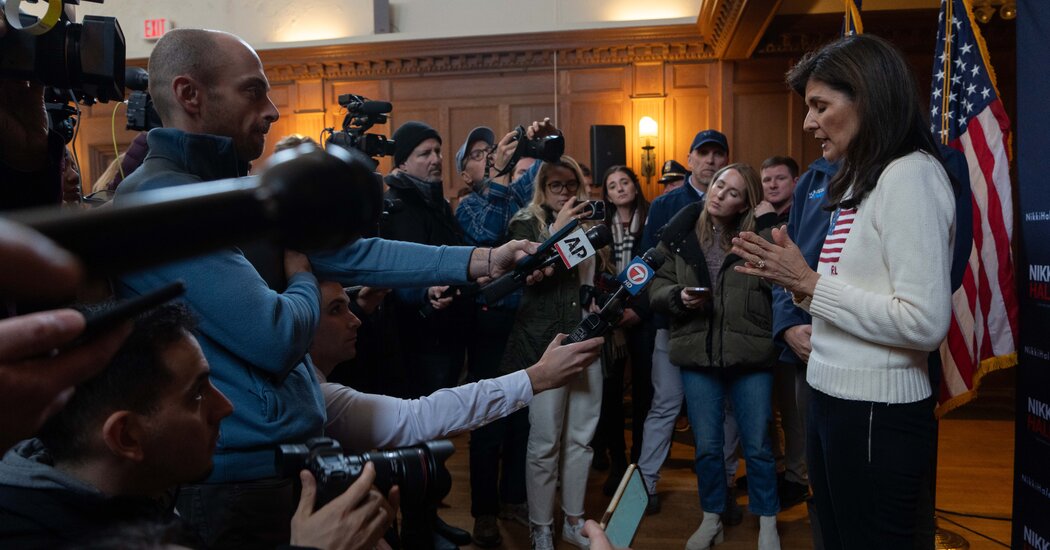
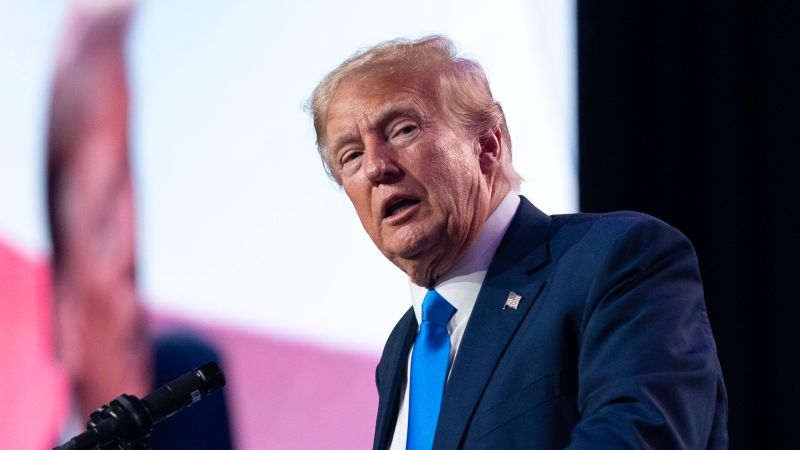
Republican presidential candidate Nikki Haley's campaign has raised $1 million since Donald Trump warned her donors to stop funding her, following her failure to win the New Hampshire primary. Despite losing at least one prominent benefactor, Haley's increased criticism of Trump has prompted some donors to reconsider their decision, while others have brushed off Trump's threat. Trump's team is pressuring Haley to quit using tactics such as courting donors and promising one-on-one meetings with Trump, but negative headlines about donors dropping Haley could impact her momentum and fundraising efforts.
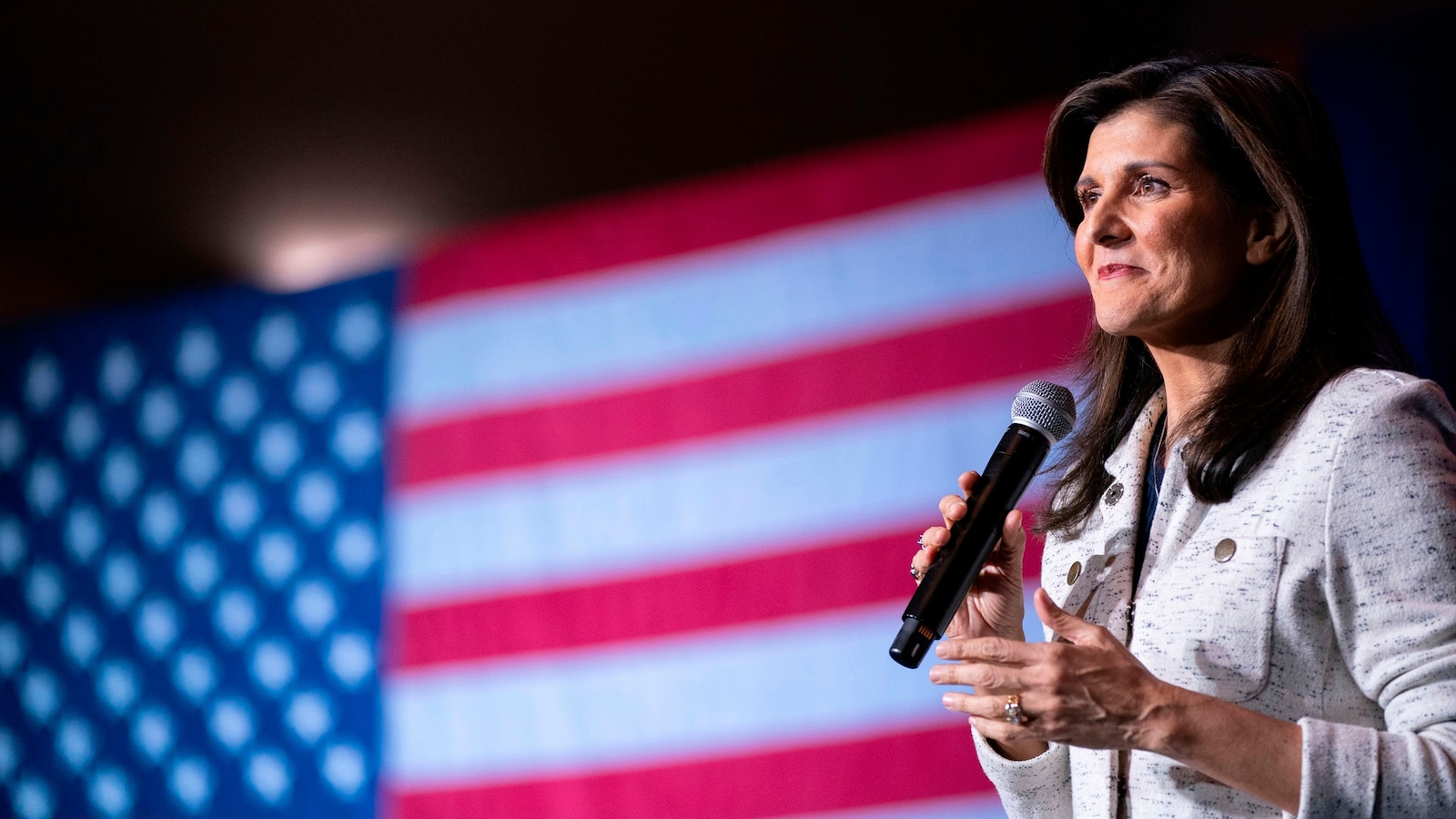
Republican Nikki Haley plans to hold at least 17 fundraisers across five states, including South Carolina, as she gears up for the upcoming primary against former President Donald Trump. Despite recent losses in New Hampshire and Iowa, Haley's campaign has raised $50 million and received $2 million in donations since then. Trump's declaration to bar Haley donors from the MAGA camp has caused some GOP donors to defect, but Haley's team remains confident and is actively fundraising to support her candidacy.
Nikki Haley is facing pressure from top fundraisers to defeat Donald Trump in the upcoming New Hampshire primary after finishing third in the Iowa caucus. Some donors are considering supporting Trump if Haley doesn't perform well in New Hampshire. Winning or coming very close to Trump in New Hampshire is seen as critical for Haley's campaign to continue, as she also faces a significant polling gap in her home state of South Carolina. Despite significant ad spending, polls indicate Trump's strong lead in both New Hampshire and South Carolina.
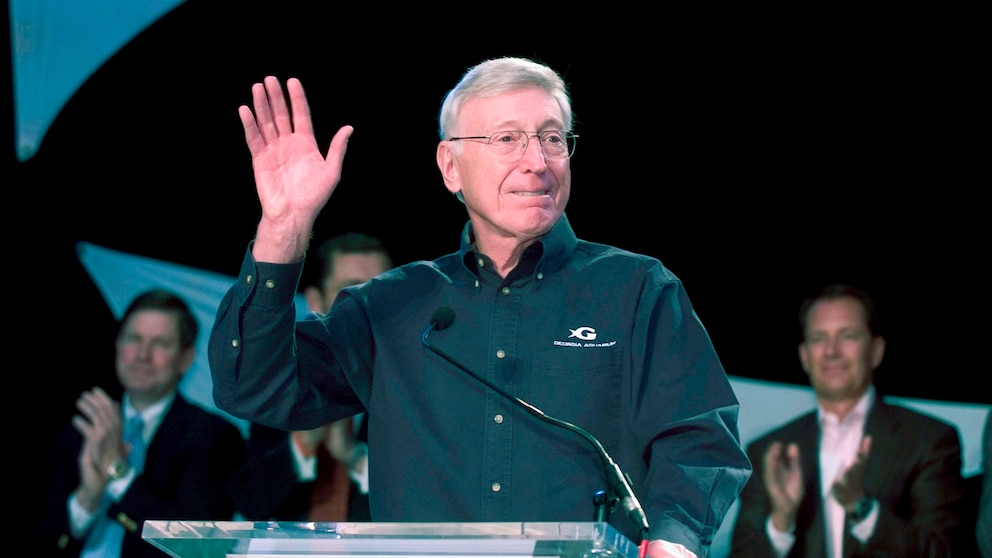
Bernie Marcus, a major Republican donor and co-founder of Home Depot, expressed in an interview with ABC News that he is not "happy" that former President Donald Trump is leading the race for the GOP presidential nomination in 2024. However, Marcus is still doing "everything" he can to get Trump elected because he believes the country needs him. Marcus also mentioned his support for other potential candidates like Nikki Haley and Ron DeSantis, but he believes that Trump is unlikely to be beaten for the nomination. Despite criticizing Trump's personality and handling of the January 6th riot, Marcus defended his economic and foreign policies. He plans to donate to Trump's campaign, although not as a key supporter, and hopes his endorsement will sway undecided voters. Marcus, who has been one of Trump's biggest donors, had originally planned to focus on philanthropy but returned to politics due to his concerns about the Biden administration.
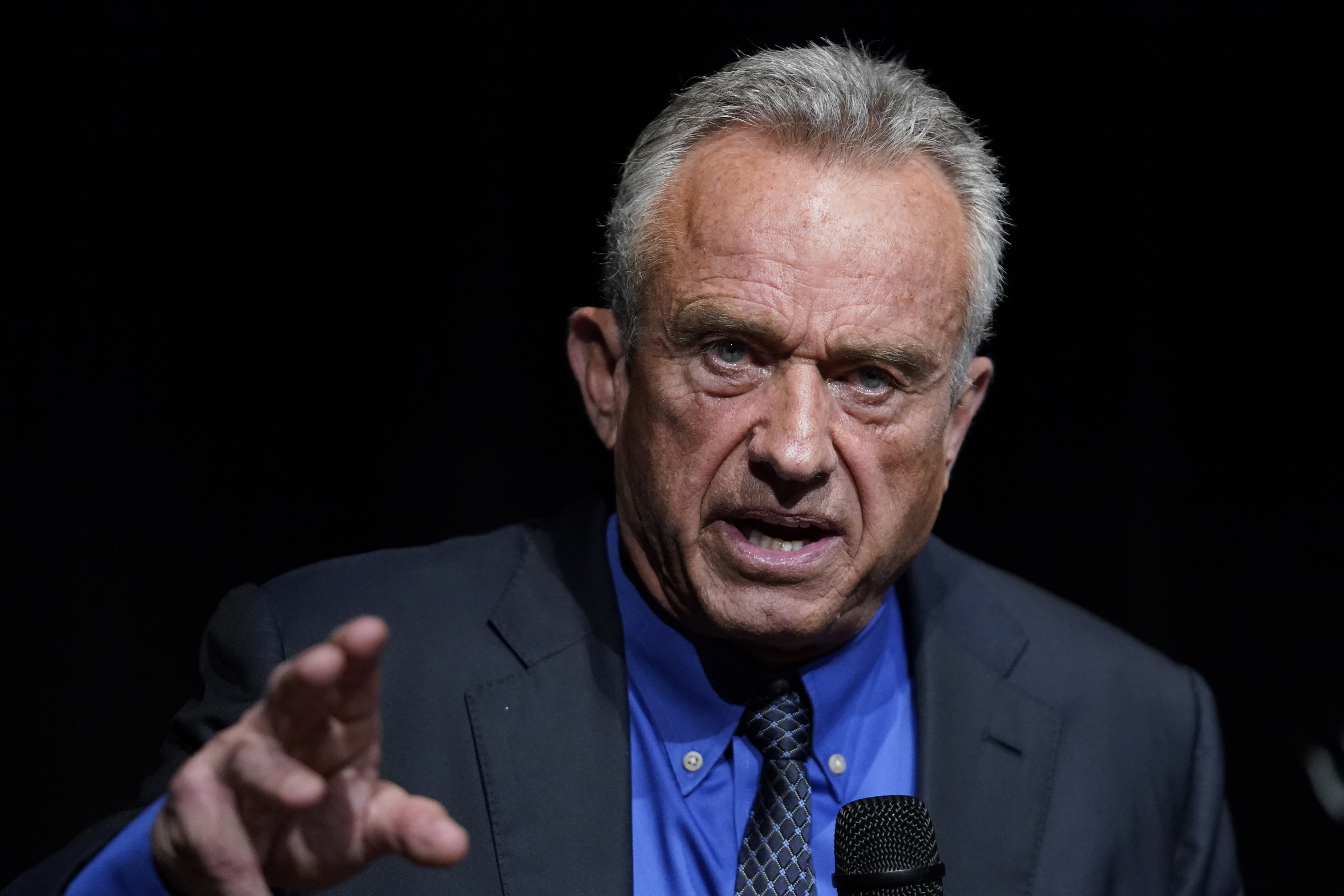
Independent presidential candidate Robert F. Kennedy Jr. is attracting more large-dollar donors with a Republican lean than those who previously contributed to Joe Biden, indicating he may draw more support from the Republican electorate. Kennedy's campaign has raised millions of dollars from donors who did not contribute during the last two presidential elections, suggesting he is activating disenchanted voters from both major parties. While both parties downplay Kennedy's impact, there is clear anxiety among Republicans, as his donor base leans Republican and polling suggests he may attract more support from Republican-leaning voters. Kennedy's appeal to both the GOP and those without a clear political affiliation makes him an unpredictable threat to the establishment.
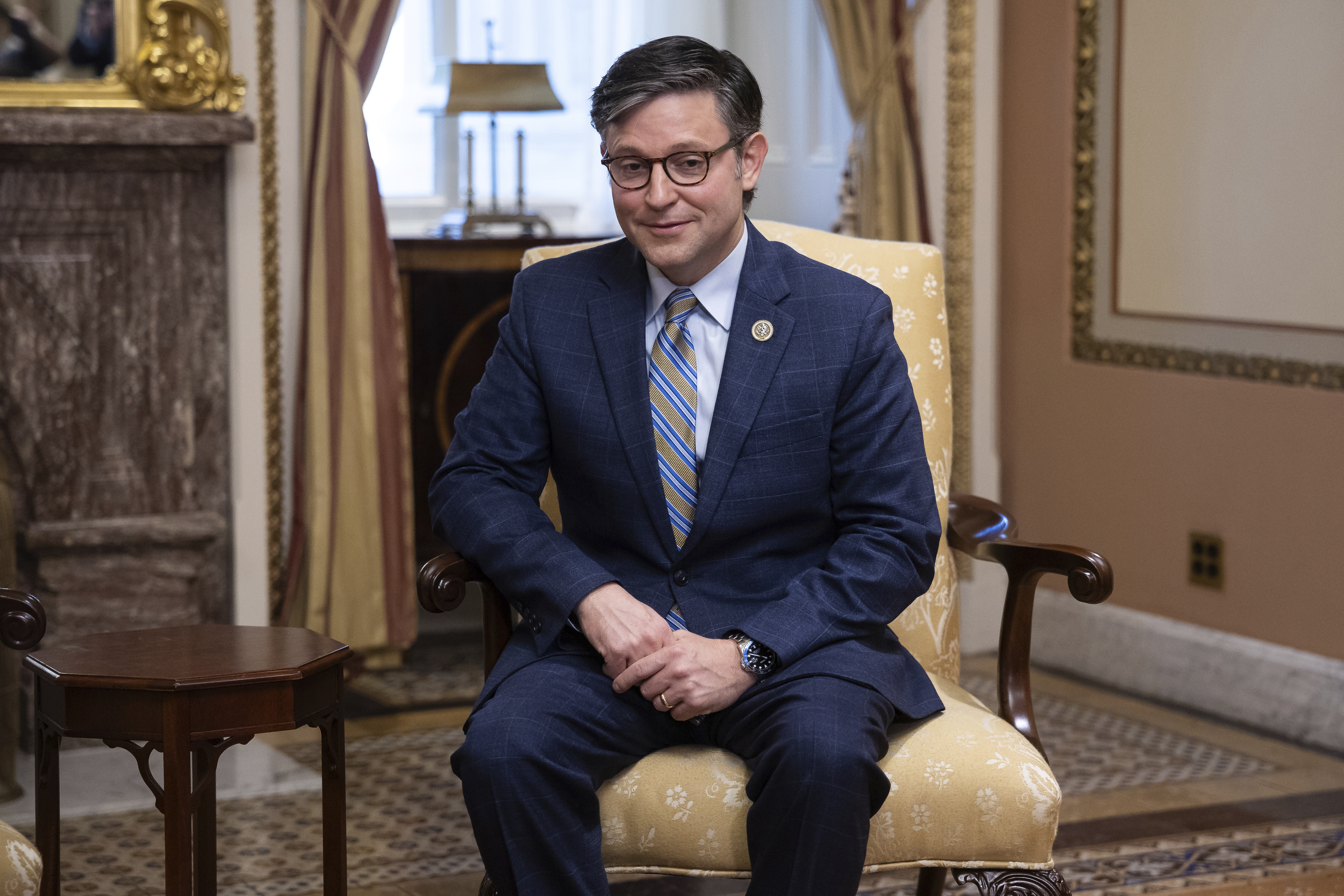
House Speaker Mike Johnson has announced his endorsement of the Congressional Leadership Fund (CLF), a powerful super PAC aligned with House Minority Leader Kevin McCarthy. Johnson plans to invest significant time and energy in fundraising for the group, signaling continuity in a major campaign entity for Republican donors. CLF, which spent over $250 million in the 2022 elections, will retain its president, Dan Conston, who has extensive fundraising experience and personal relationships with key donors. Johnson's decision to embrace CLF's existing infrastructure and team demonstrates his reliance on the group's proven success in helping Republicans win House races.
The possibility of a Trump vs. Biden rematch in the 2024 presidential election is not guaranteed, as both Republicans and Democrats are expressing concerns and seeking alternative candidates. Republican donors are intensifying their search for a Trump alternative, with Virginia Gov. Glenn Youngkin being courted by high-profile donors. Meanwhile, prominent Democrats are voicing concerns about Biden's candidacy and ability to get reelected, citing polling and approval rating issues, as well as concerns about his age and Vice President Kamala Harris. However, it may be too late for Democrats to come up with a plan B, as Biden currently has no challengers for the nomination.
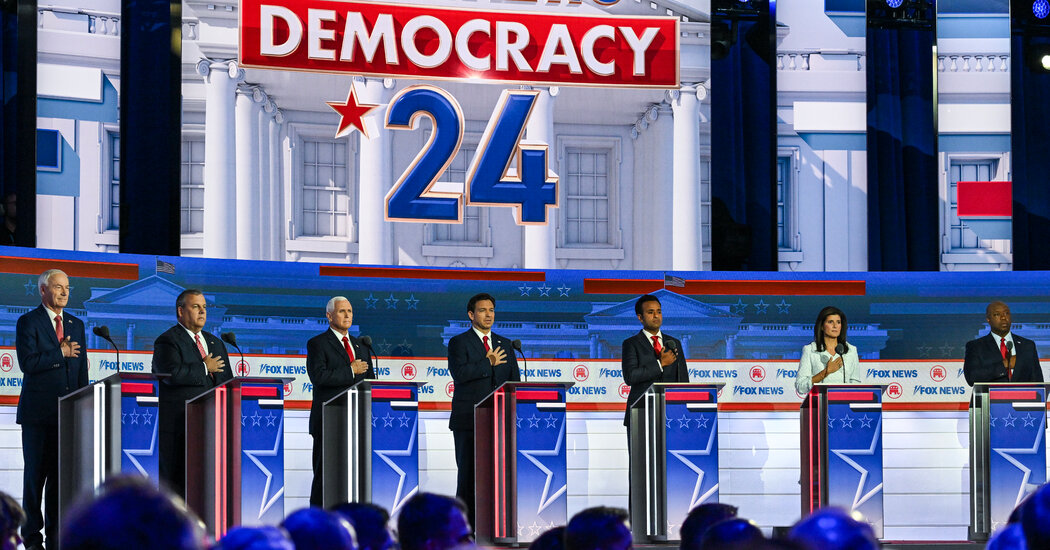
The second Republican presidential debate, without Donald Trump, will be crucial in determining whether the 2024 field of Republicans will consolidate around a single Trump alternative. Governor Ron DeSantis of Florida, who has been the chief challenger to Trump, is facing a downward slope in the polls, providing an opportunity for other candidates to emerge as the main contender. Republican donors are closely watching the debate to decide who to support financially. However, Trump's large lead in the polls and his ability to raise money online give him an advantage over the rest of the field. The debate criteria set by the Republican National Committee will also play a role in shaping the size of the field.
Republican donors are expressing concern over the size of the field and the growing difficulty of overcoming former President Donald Trump's lead in the polls as the second GOP presidential debate approaches. Some donors worry that the window for a Trump alternative to emerge is narrowing, highlighting the divide between the Republican base's populism and the pragmatic view of longtime party donors. While some donors have opposed Trump and spent millions on anti-Trump advertising, they are hesitant to join any anti-Trump faction in the general election. The upcoming debate is seen as an opportunity for candidates to persuade donors of their viability, but many donors remain uncertain about backing a single Trump rival.
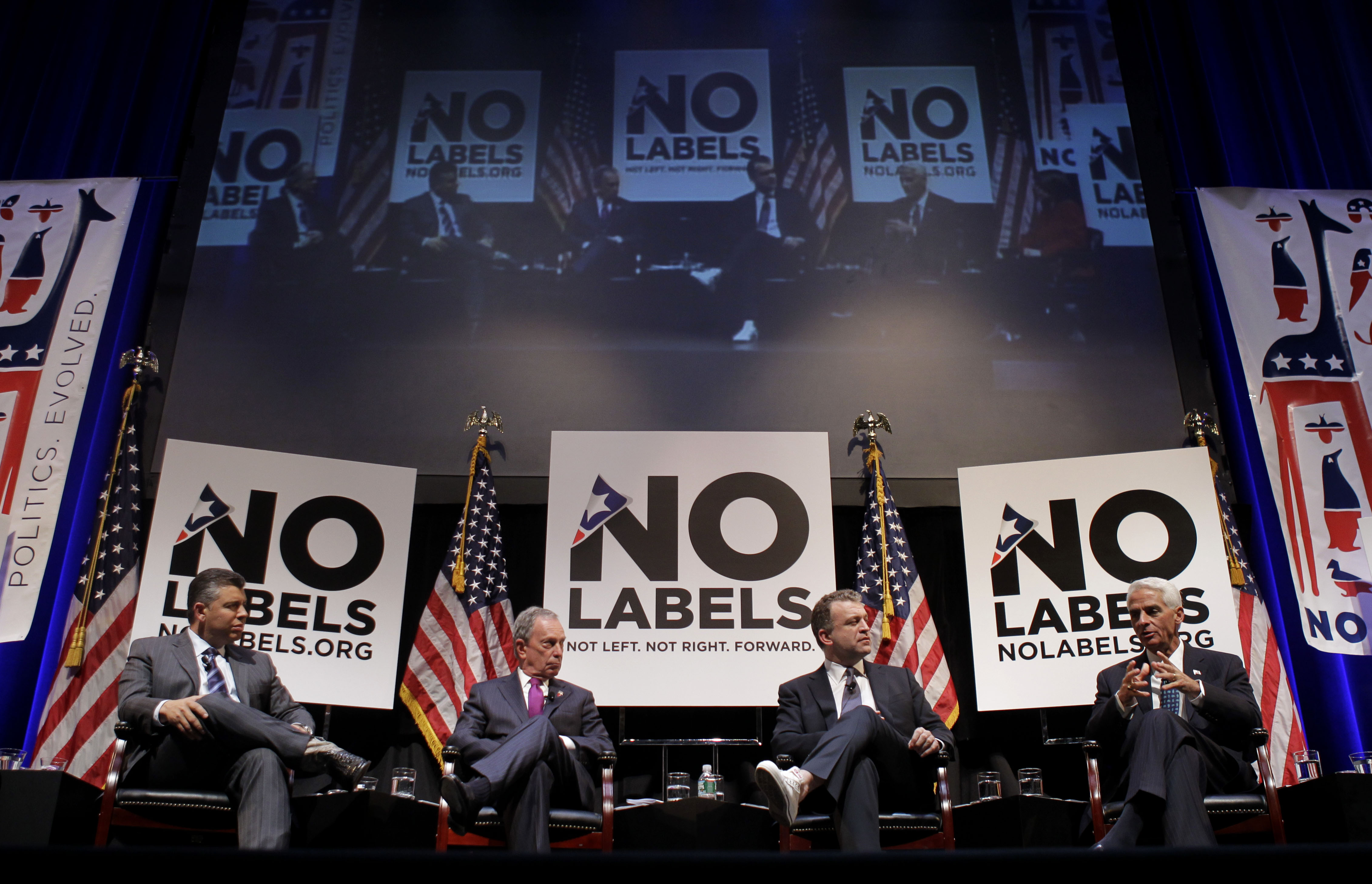
Centrist group No Labels is targeting Republican donors disenchanted with Donald Trump, offering its unity ticket as an alternative to funding entities supporting President Joe Biden. The strategy could have significant political consequences, diverting funds away from candidates challenging Trump and potentially complicating the Republican primary and future general elections. Democrats are concerned that No Labels' presidential ticket could harm Biden, despite the group's claims that it won't act as a spoiler. The group has not yet settled on a candidate, but some potential donors are skeptical of its ability to secure Electoral College votes.
Harlan Crow, a Dallas real estate magnate and friend of Supreme Court Justice Clarence Thomas, denies any wrongdoing in their relationship and criticizes media coverage as a "political hit job." Crow has a long history of financially supporting conservative efforts, including donating millions to Republican candidates and groups. He describes himself as "pro-choice," while Thomas opposes abortion rights. Crow also defends his collection of historical artifacts, including a signed copy of Mein Kampf, and denies inheriting his wealth from his father, Trammell Crow.