

An engineering team is developing a liquid-vapor heating and cooling system for space habitats, aiming to create a more efficient and lightweight solution. Currently being tested on the International Space Station, the system utilizes two-phase liquid-vapor flow, which transfers heat more effectively than traditional one-phase systems. The team is designing models that can operate under different levels of reduced gravity, as space vehicles and habitats experience microgravity, lunar gravity, or Martian gravity. If successful, this technology could be used to maintain comfortable temperatures in future space habitats on the Moon, Mars, and beyond.
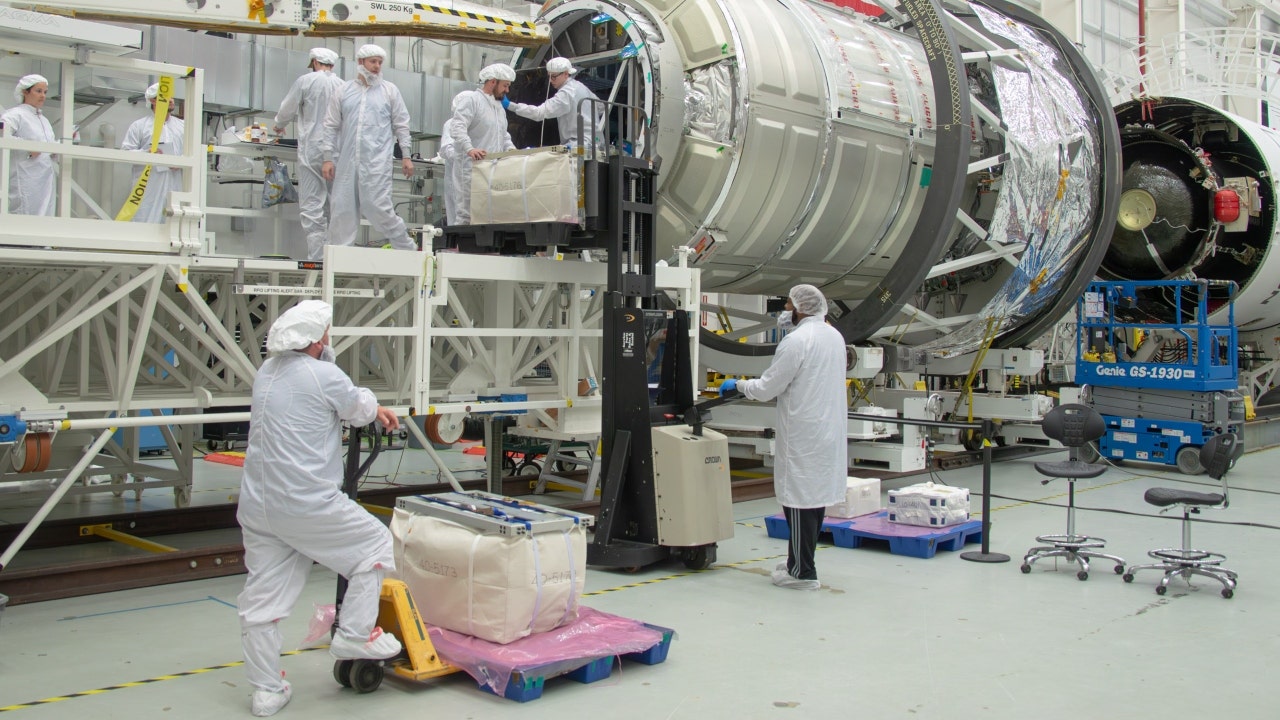
An experiment conducted on the International Space Station (ISS) aims to understand how heating and air conditioning systems can operate in reduced gravity and extreme temperatures experienced on the moon and Mars. The experiment, called the Flow Boiling and Condensation Experiment (FBCE), is being conducted by scientists and engineers from Purdue University and NASA's Glenn Research Center. By studying the effects of reduced gravity on boiling and investigating how condensation works in a weightless environment, the research could provide valuable insights for future human colonies in space and enable longer-distance space travel and in-orbit refueling.
Purdue University has sent an experiment to the International Space Station to study how reduced gravity affects condensation, with the aim of enabling heat and air conditioning systems for long-term space habitats. The experiment, called the Flow Boiling and Condensation Experiment (FBCE), will investigate the behavior of condensation in a reduced-gravity environment. The research could have implications for future space exploration, including living on the moon or Mars, as well as improving spacecraft capabilities for longer journeys and refueling in orbit.