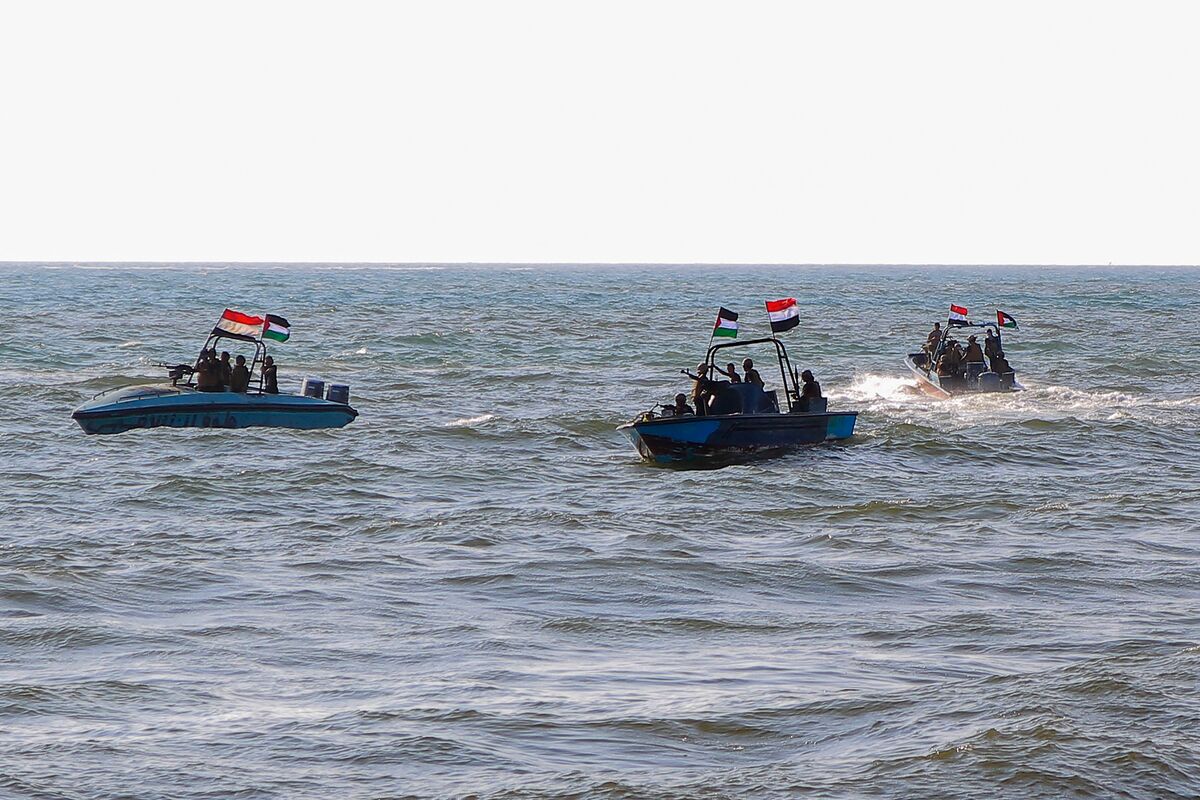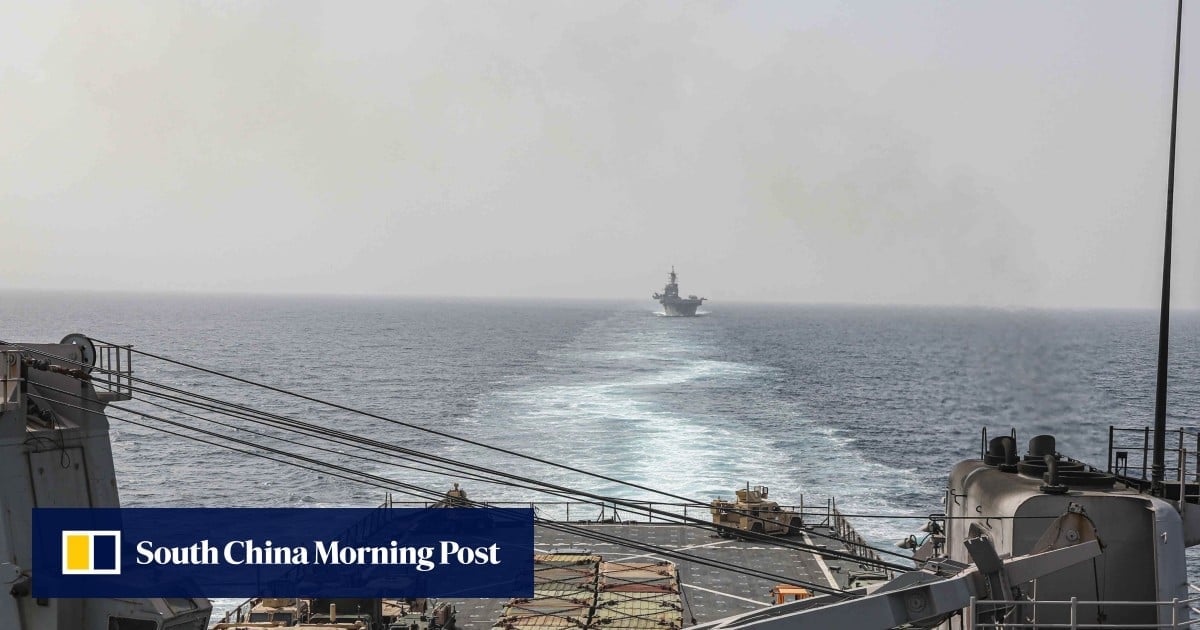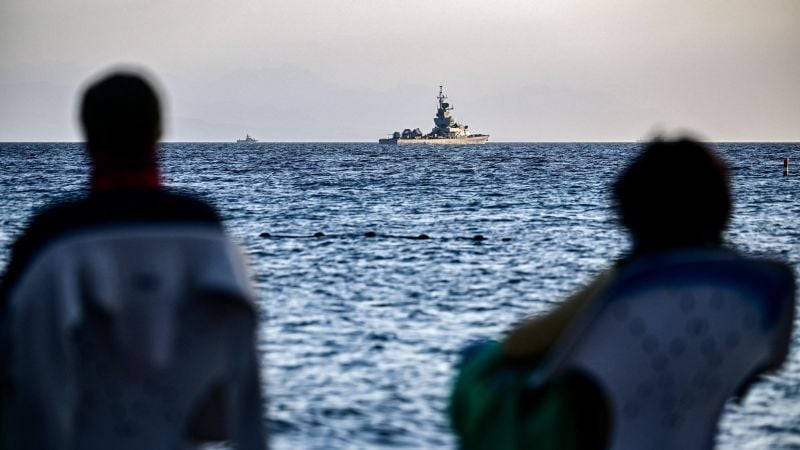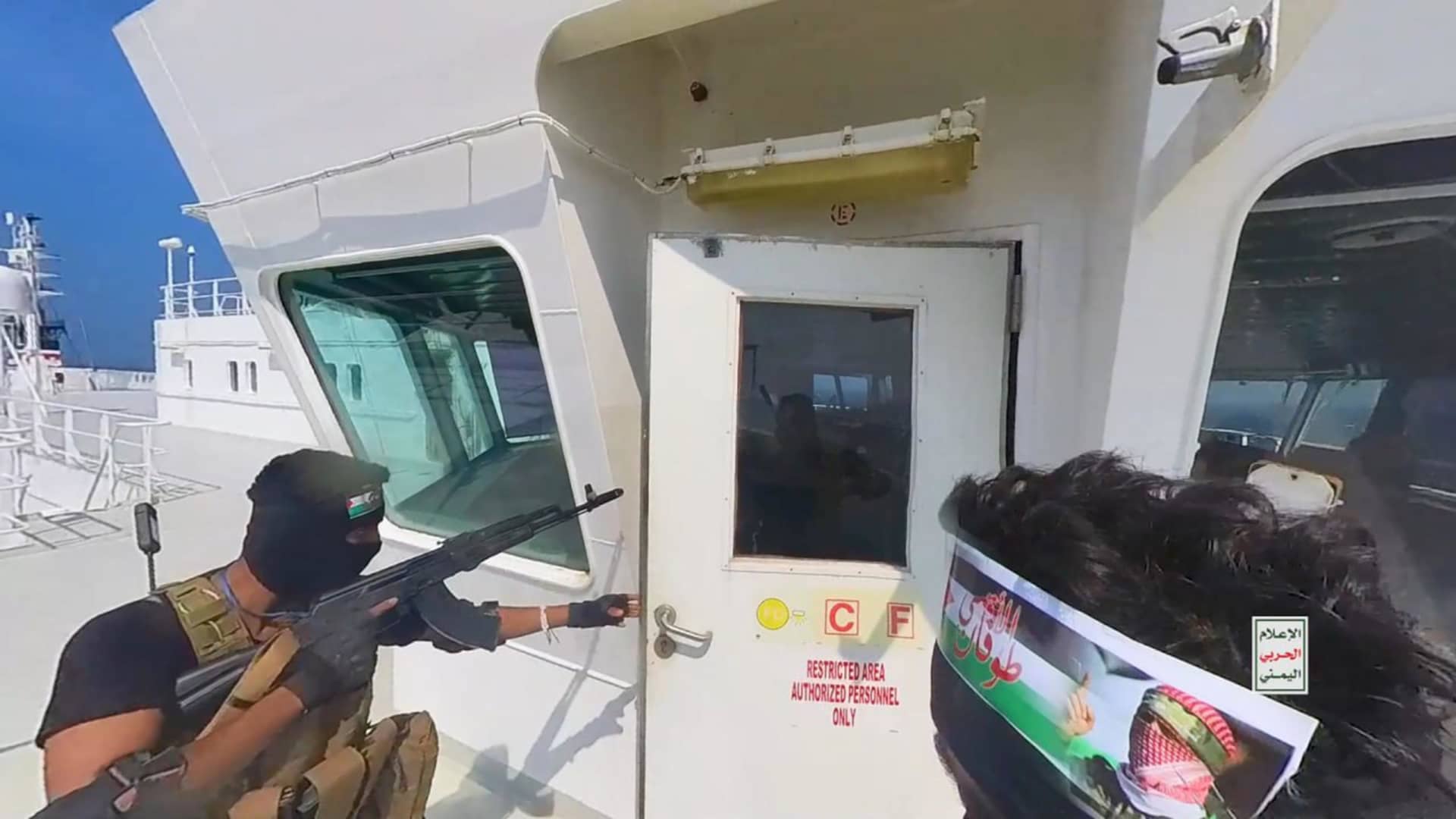
A merchant vessel was approached by six small craft near Yemen, as reported by the UK Maritime Trade Operations (UKMTO), but no harm came to the vessel or crew. The incident occurred amid heightened tensions in the Red Sea, where Houthi militants have increased attacks on commercial shipping in response to Israel's actions in Gaza. In a related event, a U.S. ship downed a drone launched from Yemen, with CENTCOM stating the action was in self-defense. The Houthis have threatened further attacks, including against U.S. warships, if they are targeted.
Shipping companies are facing a dilemma due to attacks by Houthi militia on vessels in the Red Sea, with the choice of risking these attacks or taking a longer, more costly route around Africa. This situation has led to increased insurance premiums and could result in higher consumer prices for goods. Some companies have already altered their routes, and the industry is bracing for potential impacts on the global supply chain, especially with the upcoming Lunar New Year export surge. The U.S. has initiated a multinational operation to protect ships in the Red Sea, but the threat persists, and the Panama Canal's reduced capacity due to drought is further complicating shipping routes.
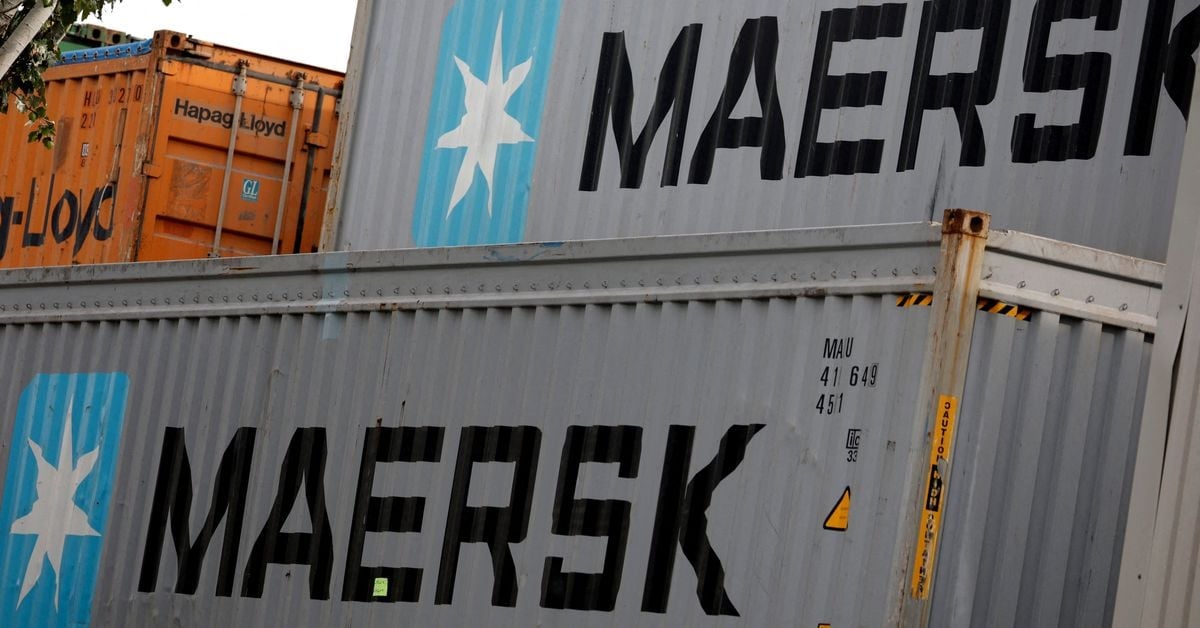
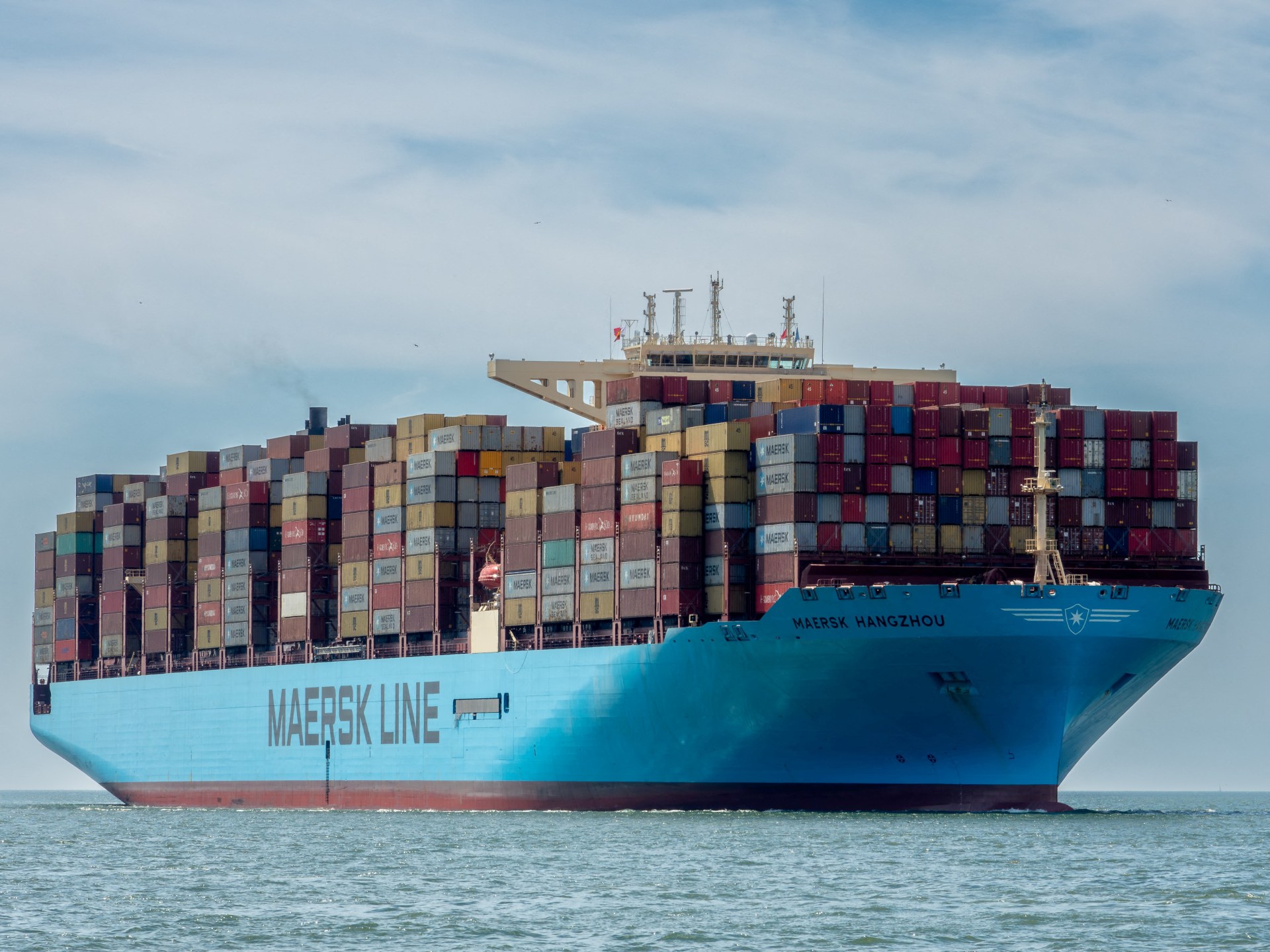
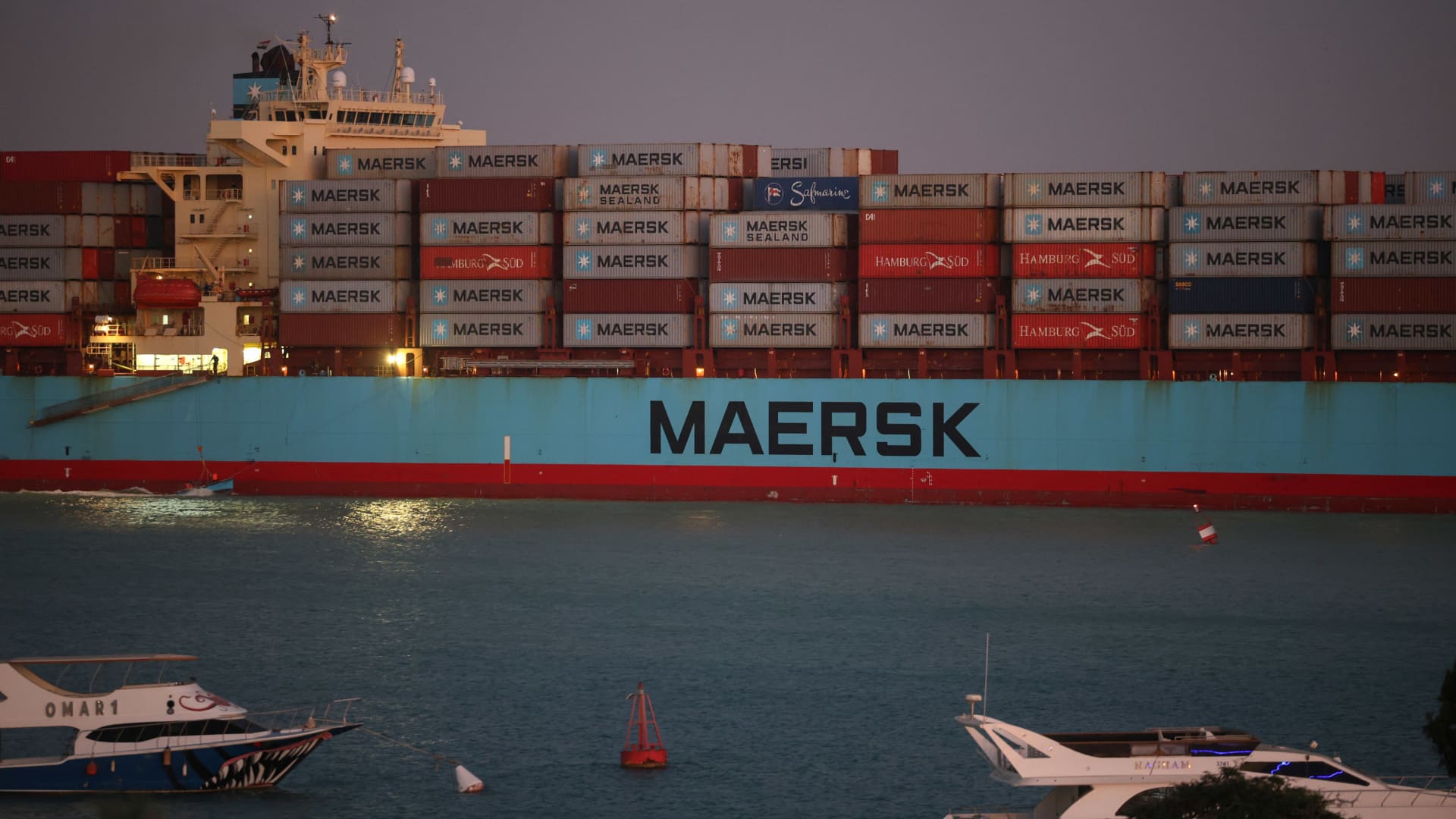
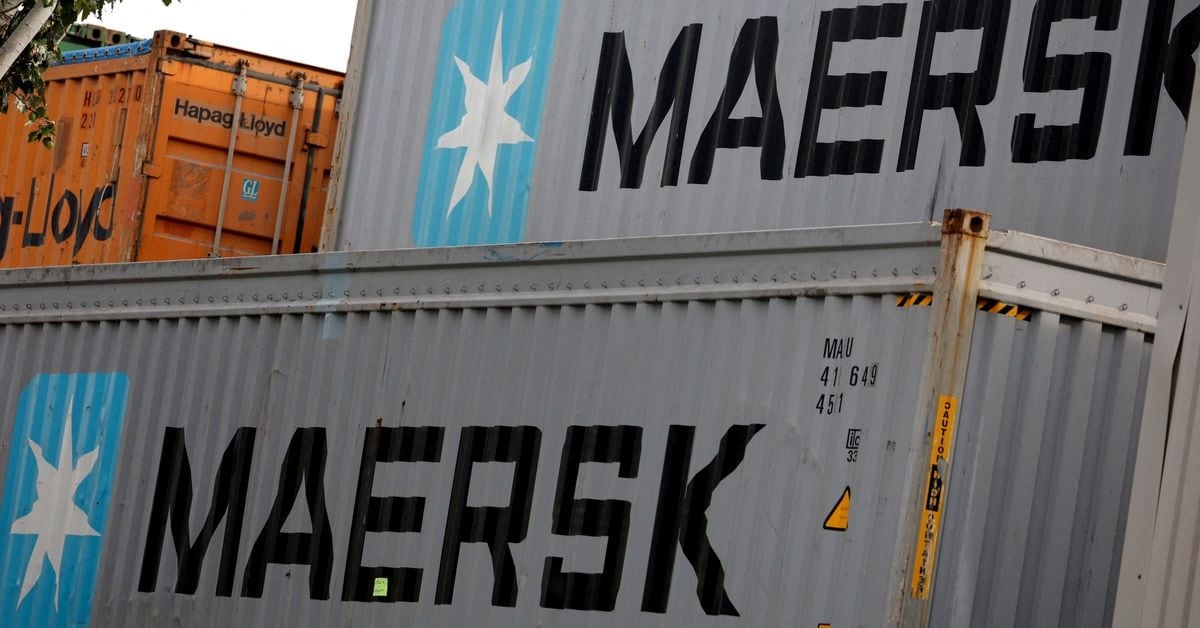
Maersk, a leading global shipping company, is diverting its container vessels away from Red Sea routes due to increased attacks by Houthi militants, which has led to significant disruptions and higher shipping costs. This decision follows an attack on a Maersk ship and is expected to add about 10 days to journey times, increasing fuel and crew costs. The rerouting is causing concerns about prolonged disruptions in the delivery of goods and a potential resurgence in inflation, with Goldman Sachs raising its euro-area core inflation forecast. Despite efforts by the United States to safeguard Red Sea commerce, many companies continue to divert ships, with Hapag Lloyd reporting substantial costs from recent diversions. The situation is contributing to a rise in shipping stocks but also stoking fears of inflationary pressures in the global economy.
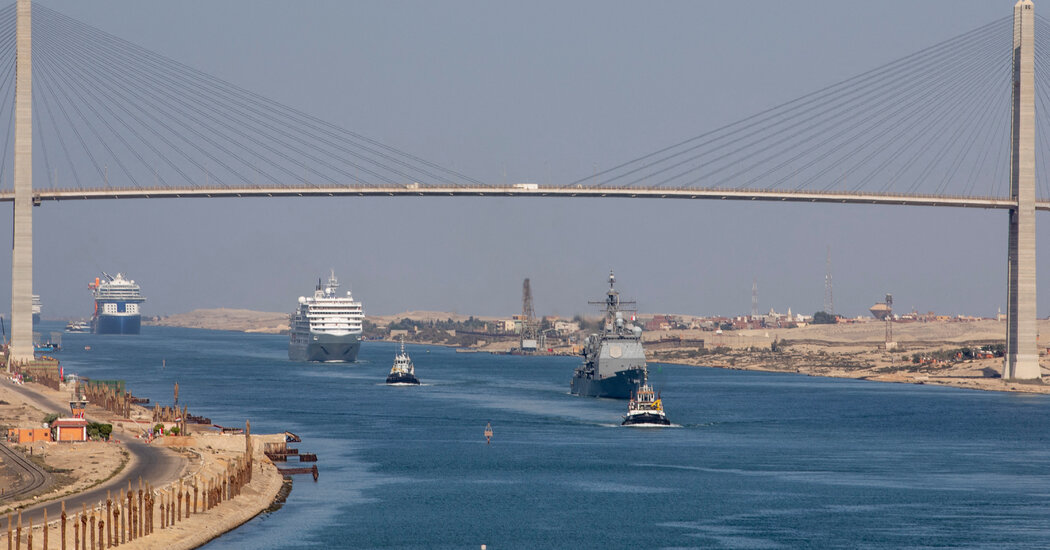
Oil tanker operators are facing a dilemma due to attacks by Houthi rebels in the Red Sea: risk the dangerous passage or face financial losses. Despite the threats, global oil reserves have kept prices stable, and the industry is adapting by rerouting some tankers or sending cargoes to Asia. A U.S.-led coalition is increasing naval presence to ensure safe passage through the Suez Canal, which remains a key route for oil to European markets. The market remains unshaken by these events, with the perception that there is sufficient oil and natural gas supply to counter any disruptions.
The United States and its allies have issued a warning to Yemen's Houthi militants to stop their attacks on shipping in the Red Sea or face consequences, hinting at possible military strikes. Experts caution that such action could escalate tensions in the region. The Red Sea is a vital maritime trade route, and continued aggression by the Houthis has prompted this stern response, with the US-led coalition emphasizing the group's accountability for any further disruptions.
Maersk, a leading container shipping company, has decided to reroute its vessels around Africa, bypassing the Red Sea and the Suez Canal due to ongoing Houthi attacks in the region. This decision, aimed at ensuring the safety of their ships and crew, will result in longer journey times and increased shipping costs due to the additional distance, fuel, and crew time required. The rerouting comes after a series of attacks on commercial vessels in the area, despite a multinational operation led by the United States to protect maritime trade. The Red Sea is a critical trade route, accounting for about 12 percent of global trade.
Maersk, a global leader in shipping, has decided to reroute its ships away from the Red Sea for the foreseeable future. This strategic move comes as container rates have seen a significant increase. The decision is likely a response to various factors, including geopolitical tensions, piracy risks, or other operational challenges that could affect the safety and efficiency of their shipping routes. This rerouting could have implications for global trade and logistics, potentially affecting delivery times and costs.
Maersk, a Danish shipping giant, has decided to continue rerouting its vessels away from the Red Sea due to ongoing security threats from Houthi militants, impacting the traditional Suez Canal route between Europe and Asia. This decision aims to provide more predictability for customers despite expected delays. The rerouting has led to increased ocean freight rates as ships take longer journeys, such as the Cape of Good Hope route. Other companies, like Hapag-Lloyd, are also avoiding the Red Sea for safety reasons, and European firms are warning of product delays due to these supply chain disruptions.
The Houthi militia in Yemen launched an armed unmanned surface vessel (USV) in the Red Sea, which came close to U.S. Navy and commercial ships before detonating. This incident occurred shortly after the U.S. and allied nations issued a final warning to the Houthis to stop such attacks or face military action. The USVs are believed to be assembled in Yemen with Iranian-made components. The U.S. has accused Iran of supplying the Houthis with advanced weapons and support for attacks on shipping lanes. An international coalition has warned of consequences if the Houthis' aggression continues, and the U.S. has initiated Operation Prosperity Guardian to protect commercial shipping in the region.
A Houthi drone boat loaded with explosives detonated in the Red Sea without causing damage or casualties, following a joint statement by 12 countries, including the US, warning of consequences if Houthi attacks did not cease. The Iran-aligned Houthis have been targeting commercial vessels, disrupting international shipping and prompting some companies to reroute around Africa. The US-led Operation Prosperity Guardian, with contributions from 22 countries, has been defending against these threats, downing missiles and drones, and sinking hostile boats. The US has signaled a strong stance against further attacks, while the Houthis claim to target vessels linked to Israel. The situation has escalated tensions and called for a decisive response to maintain regional stability and the safety of international maritime routes.
The Houthi rebels launched an armed unmanned surface vessel (USV) towards U.S. Navy and commercial ships in the Red Sea, which detonated a few miles away, following a "final warning" from the White House and allies to stop such attacks. This incident marks the first use of a USV by the Houthis since the Israel-Hamas conflict, although they have a history of using such tactics. The USVs are believed to be assembled in Yemen with Iranian components. In response to ongoing Houthi aggression, the U.S. initiated Operation Prosperity Guardian to protect commercial shipping through the Bab el-Mandeb Strait, with support from international partners. Despite the operation, the Houthis have persisted in their attacks, risking potential targeted military action.
Maersk has rerouted four of its container ships back to the Suez Canal and around Africa's Cape of Good Hope to avoid the risk of Houthi militant attacks in the Red Sea. This decision comes after disruptions in maritime trade and concerns over global inflation due to increased shipping rates. The rerouting involves additional costs and delays, with Maersk imposing surcharges to offset these. The Suez Canal is a critical maritime route, and diverting ships significantly increases fuel costs and journey times.
The Houthi rebels have launched an unmanned surface drone (USV) attack against commercial shipping lanes in the Red Sea, marking the 25th such incident since November 18th. The USV was intended to cause harm but detonated without damaging any vessels or injuring crew members. The US has responded by forming a multinational coalition, Operation Prosperity Guardian, to protect these crucial shipping lanes. The coalition, now consisting of 22 countries, has intercepted several Houthi attacks. Despite the increased maritime security presence, the Houthis' actions continue to pose a threat to international shipping and have wider implications for the global economy.
Yemen's Houthi rebels launched an armed unmanned surface vessel (USV) targeting U.S. Navy and commercial ships in the Red Sea, shortly after receiving a "final warning" from the White House and allied nations to stop such attacks. The USV got close to the vessels before detonating, marking a continued threat despite the defensive Operation Prosperity Guardian aimed at protecting maritime traffic. The U.S. and partners have warned of potential military action if the Houthi assaults persist.
The recent Houthi attacks on merchant vessels in the Red Sea, amid the ongoing Israeli-Hamas conflict, pose significant risks to global markets and could exacerbate inflation. Investors are advised to pay attention to the situation as it could lead to increased economic instability and impact world economic price stability.