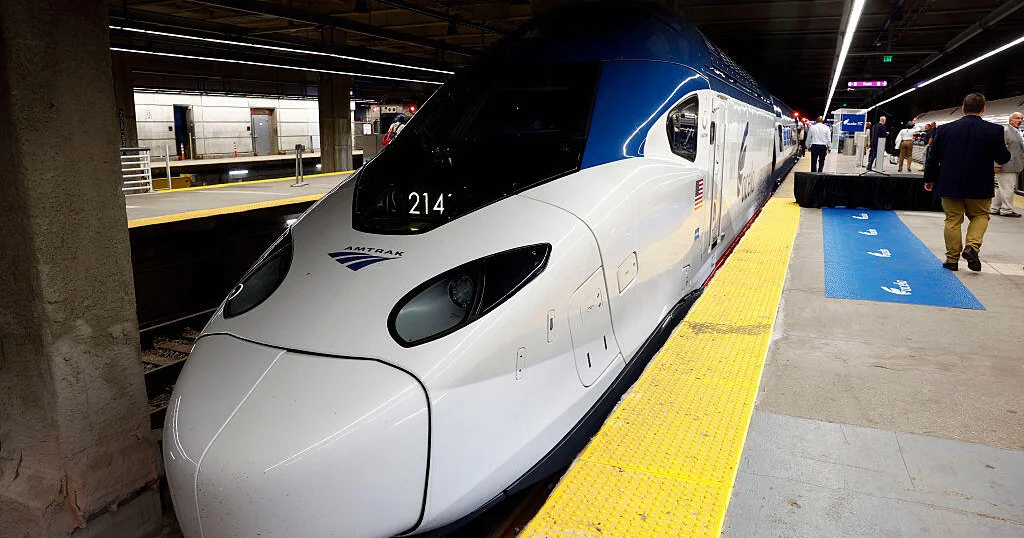
Rail travel in the US is experiencing a boom, with Amtrak gaining popularity through engaging TikTok videos showcasing its new 'next-gen' Acela trains, highlighting a European influence in American rail services.
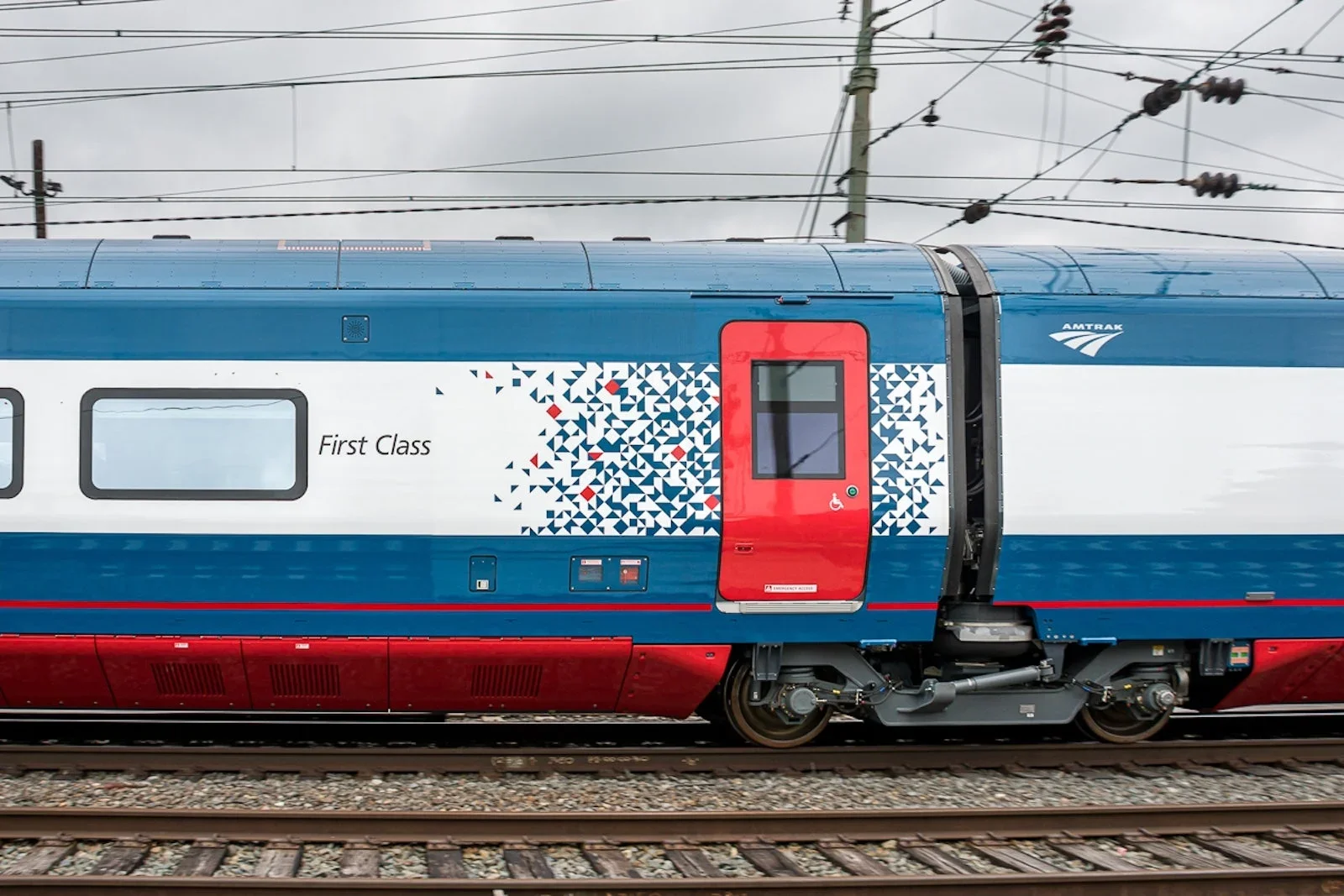
Amtrak has introduced its new NextGen Acela high-speed trains, which now reach speeds of up to 160 mph and feature upgraded amenities, promising to significantly improve rail travel in the Northeast corridor between Boston, New York, and Washington, D.C., with all units expected to be operational by 2027.
Amtrak is launching its next-generation Acela trains on August 28, featuring modernized interiors, high-speed Wi-Fi, more seats, and expanded schedules, with a limited rollout of five new trains initially, aiming to enhance the premium rail experience between Washington, D.C., and Boston.
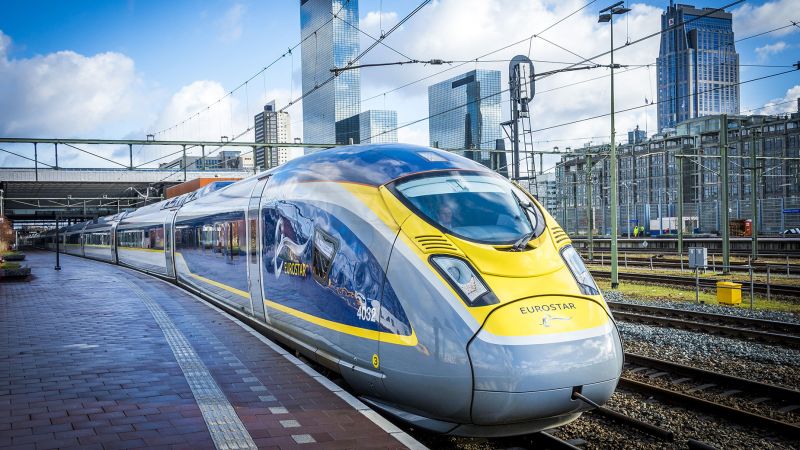
The Channel Tunnel's passenger train service, Eurostar, is facing capacity issues due to station limitations and a shortage of border control staff. However, new challengers are emerging, including startup Heuro, which plans to compete directly with Eurostar on the Amsterdam-Paris/London routes from 2028. Spanish startup Evolyn and Italian Railways' subsidiary QBuzz are also looking to challenge Eurostar on other routes. The competition could lead to more trains, lower fares, and increased choice for travelers. However, these challengers face obstacles such as procuring compatible high-speed trains and navigating complex regulations and infrastructure requirements. The expansion of high-speed rail in Europe is seen as crucial to meeting ambitious targets for increased rail usage and sustainability.
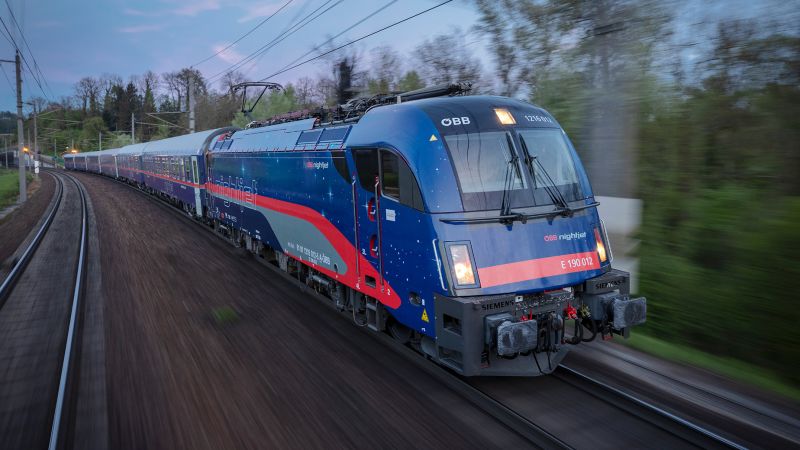
Night trains are experiencing a resurgence in Europe as travelers seek sustainable alternatives to flying. While the new wave of night trains offers the allure of adventure and the opportunity to wake up in a new city or country, there are challenges to overcome. Night trains can be expensive, prone to delays, and the quality of accommodation varies. However, the success of networks like Austria's ÖBB Nightjet has inspired other countries to revive and expand their overnight train services. Private startups are also entering the market, but they face obstacles in securing suitable rolling stock and financing. Despite these challenges, night trains can play a niche role on long-distance routes of 500 to 1,000 miles with targeted support.
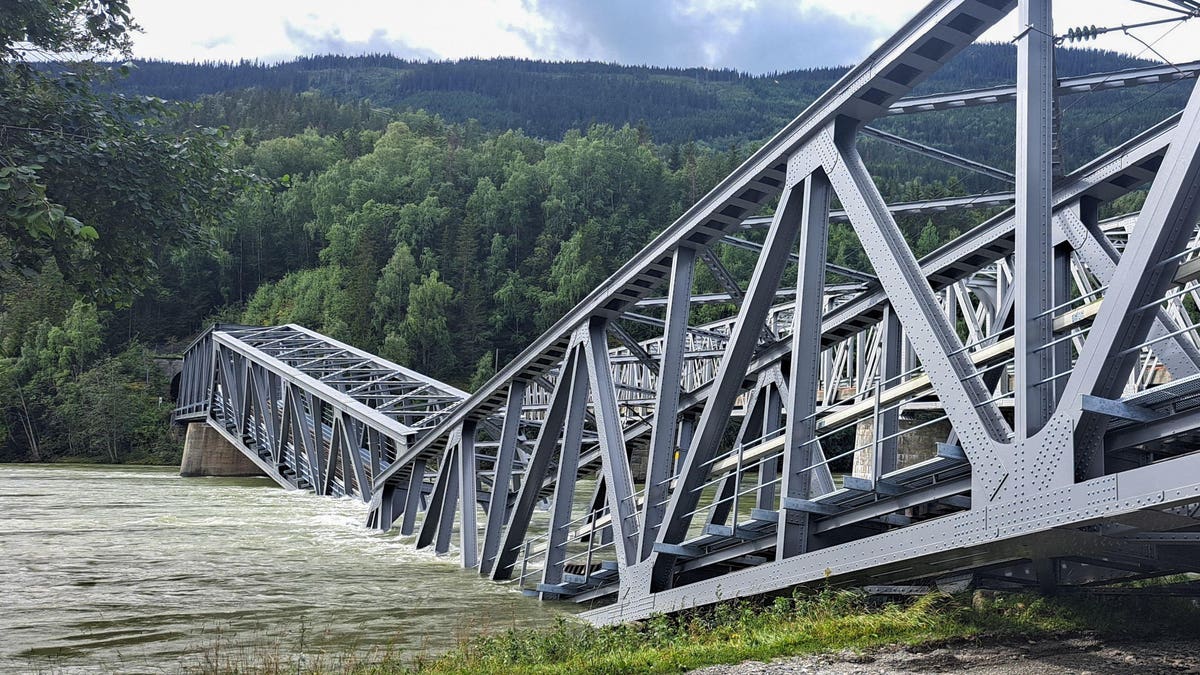
Train journeys on the Oslo to Trondheim main line railway in Norway will be disrupted indefinitely following the collapse of a key bridge in Ringebu. The Randklev Bridge fell into the water due to weakened foundations caused by floodwater. The bridge had already been closed for five days due to the risk of damage from record rainfall during Storm Hans. The closure of the bridge affects the Dovre line, impacting other rail services such as the Rauma line, Røros line, and the Nordland line to Bodø. Bus replacement services will be provided, and an emergency timetable has been implemented. The exact reopening date is unknown, as a new bridge may need to be constructed.