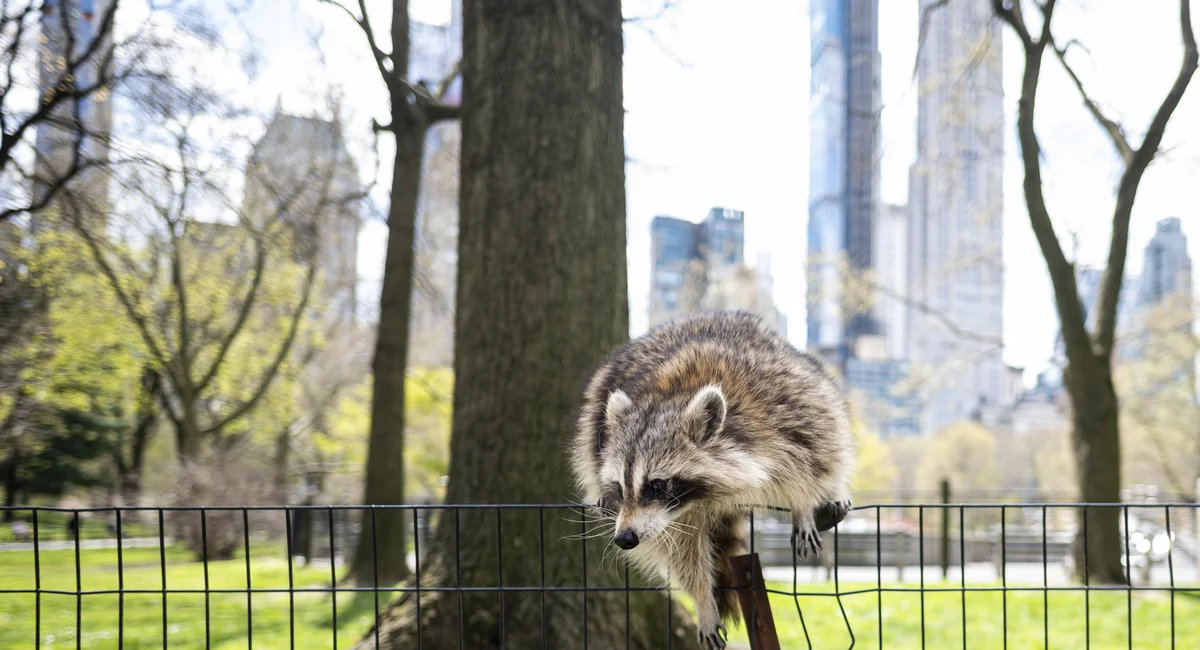
NYC is distributing fish-scented rabies vaccine baits in parks across Brooklyn, Queens, and Manhattan to control rabies among raccoons, with efforts continuing from a spring campaign, and officials advising caution and pet vaccinations.
A distemper outbreak among raccoons in Colorado is causing concern as the disease, which leads to symptoms like glowing green eyes and loss of fear of humans, is spreading rapidly. While not transmissible to humans, it poses a risk to pets. Authorities advise keeping pets and children away from raccoons, especially those acting strangely, and recommend contacting animal control if a sick raccoon is spotted. The virus is highly contagious and usually fatal for raccoons, with similar outbreaks reported in other U.S. states.
The Wisconsin Humane Society's Wildlife Rehabilitation Center has reported a significant increase in raccoons with canine distemper in Milwaukee County, with about 350 cases this year, three times the usual number. Canine distemper is highly contagious among animals but not humans, spreading through direct contact, air, or contaminated surfaces. Symptoms include nasal and eye discharge, lethargy, and odd behavior. The affected raccoons were either found deceased or euthanized. Residents are advised to report sick raccoons and ensure their dogs are vaccinated, with the Humane Society offering $16 vaccine clinics.
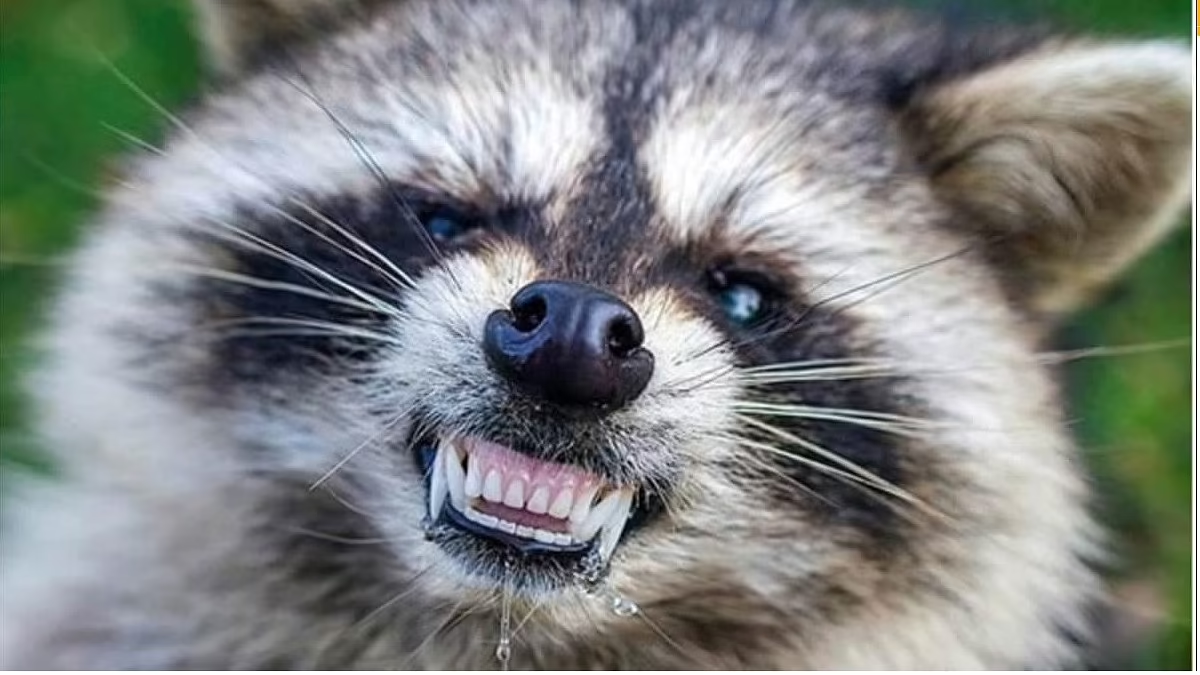
Authorities in Northampton and Easthampton, Massachusetts, are warning residents about raccoons exhibiting erratic behavior, potentially indicating rabies. Symptoms such as frothing at the mouth and disorientation have been reported, though rabies has not been confirmed. Rabies is a viral disease that can be fatal to humans if untreated, but timely vaccination can prevent death. Residents are advised to avoid wildlife showing unusual behavior, supervise children and pets, and ensure pets' vaccinations are current. Sightings should be reported to local public safety dispatch lines.
A wildlife biologist reports an increase in canine distemper cases among raccoons in Buncombe County, North Carolina, but states it is not a high concern. The disease, which can affect various wildlife species, shows symptoms similar to a cold or flu in humans and can lead to neurological issues. While there are no human health risks, pets like dogs and ferrets can be infected, so vaccination and avoiding wildlife contact are advised. The NC Wildlife Resources Commission offers a hotline for reporting unusual animal behavior.
Henderson County health officials have issued a warning following an unusual increase in raccoon encounters and attacks over the past 2-3 months. Residents are advised to take precautions to protect themselves and their pets from potential rabies exposure. The public is urged not to handle raccoons and to ensure pets are up-to-date on rabies vaccinations.
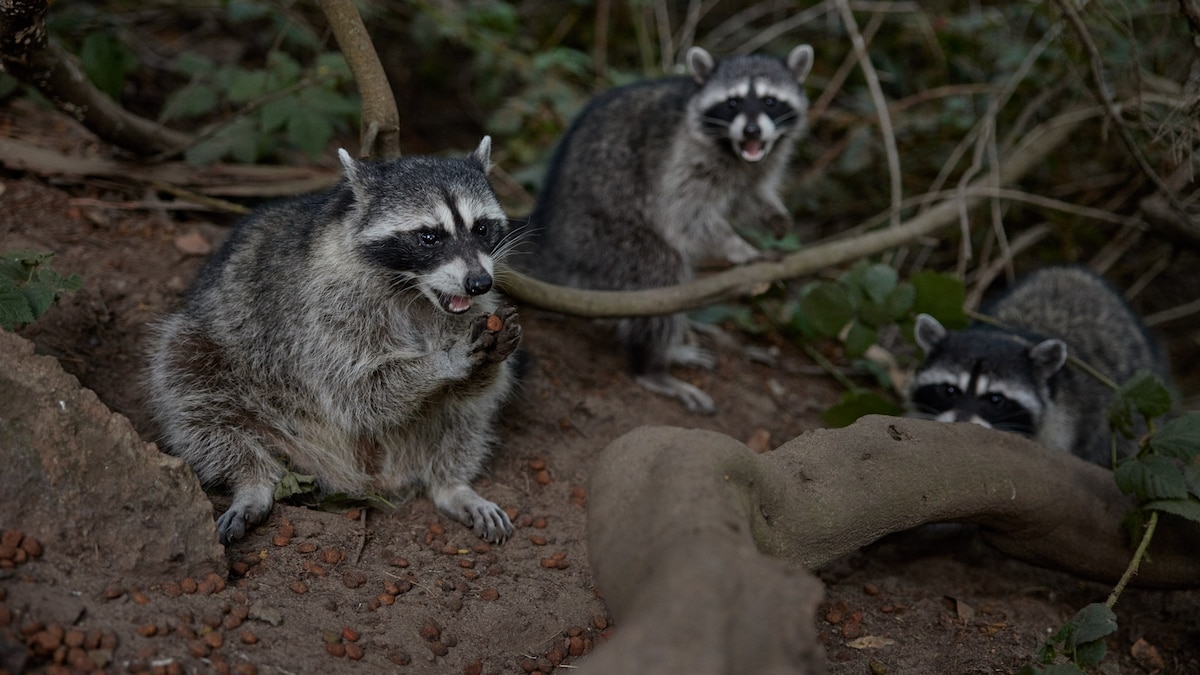
Experts warn against feeding wild raccoons, as it can lead to habituation and aggressive behavior. Raccoons carry diseases such as rabies, parvovirus, distemper, roundworm, and leptospirosis, which can be transmitted to humans and pets. Feeding wildlife also increases the risk of spreading infectious diseases among animals and can lead to aggression and injuries. Despite good intentions, feeding raccoons can do more harm than good, as they are built for survival and do not need human assistance. In cases of scratches or bites, euthanizing the animal is often necessary to determine if it has rabies.
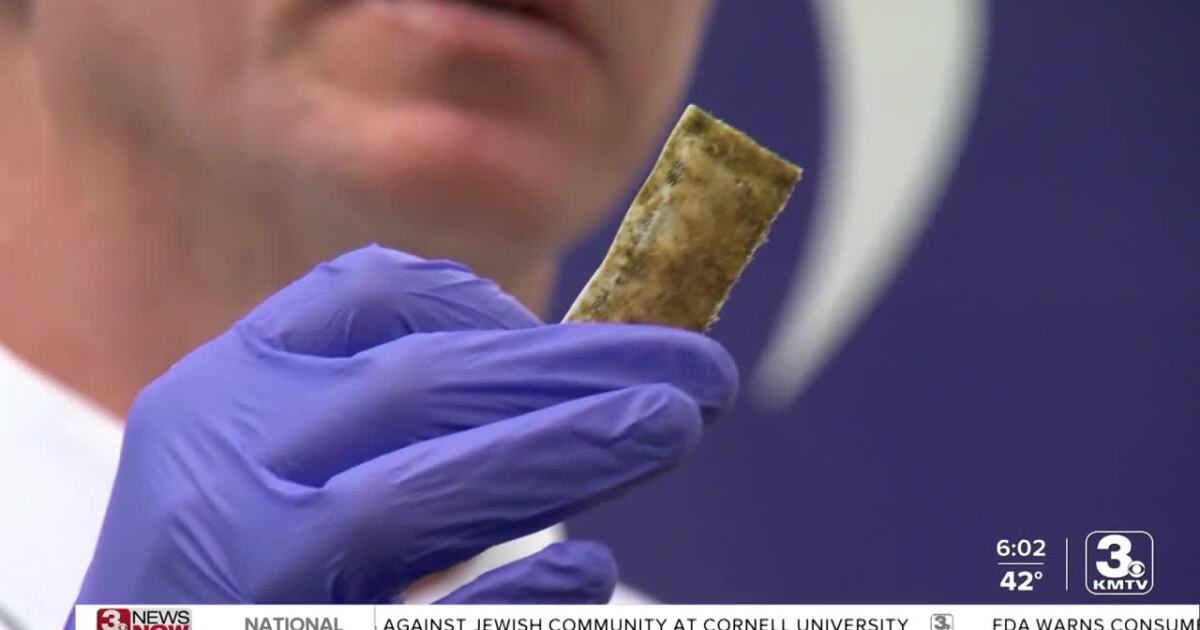
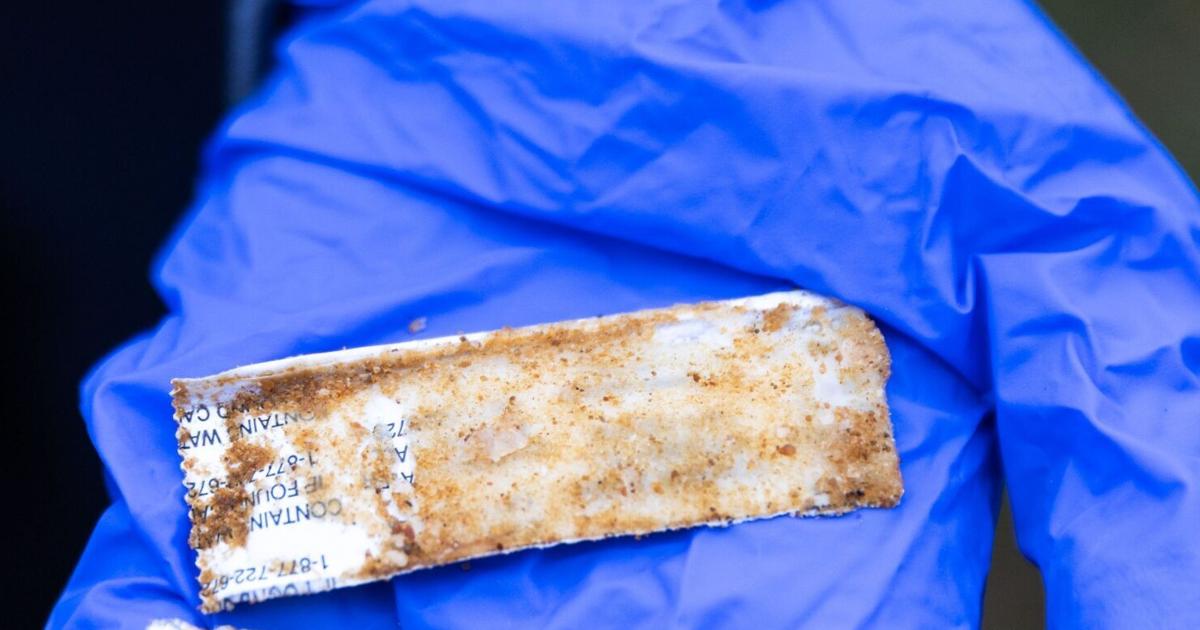
The United States Department of Agriculture (USDA) will be distributing 18,000 oral raccoon rabies vaccines in a 62-square-mile area in Omaha, Nebraska, to prevent the spread of a variant of rabies that hasn't been found in the area before. The vaccines, about the size of a ketchup packet and covered with fish meal, will be placed in yards and are safe for pets. Moving the packets is discouraged, and if done, gloves or a barrier should be used. The liquid vaccine has caused rashes in a few cases. Officials have already vaccinated nearly 600 animals and all tested negative for rabies.
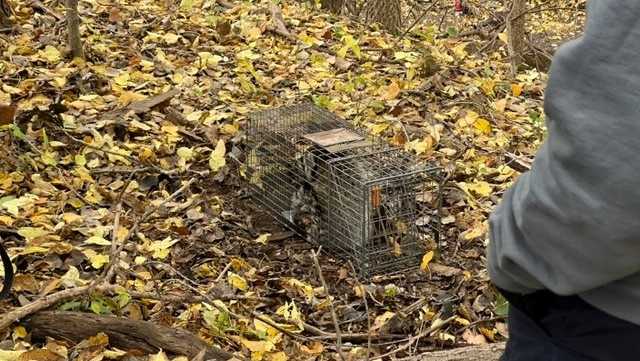
Wildlife and health officials in Omaha are distributing 18,000 sachets of oral rabies vaccine to raccoons in an effort to create herd immunity and prevent the spread of a raccoon variant of rabies. The vaccine packets, coated with a pungent fishmeal, are designed to attract raccoons. The distribution area covers a 62-square-mile radius centered on where a stray kitten was found with the raccoon variant of rabies. The ongoing initiative also involves trapping, vaccinating, and releasing raccoons. The goal is to vaccinate about 1,000 animals. The raccoon rabies variant has not been detected in the 130 deceased animals tested so far.
The Douglas County Health Department in Nebraska is partnering with federal and local agencies to distribute oral rabies vaccine baits to prevent the spread of wildlife rabies, particularly among raccoons. The baits, coated with a fishmeal attractant, will be distributed across a 62-square-mile area in the county. This is the first time such baits will be used in Nebraska, and they have been proven safe for animals, including domestic dogs and cats. Humans and pets cannot contract rabies by contacting the baits. If found, the department advises leaving the bait unless it is in an area unlikely to attract raccoons, and using gloves to move it to a thicker cover.
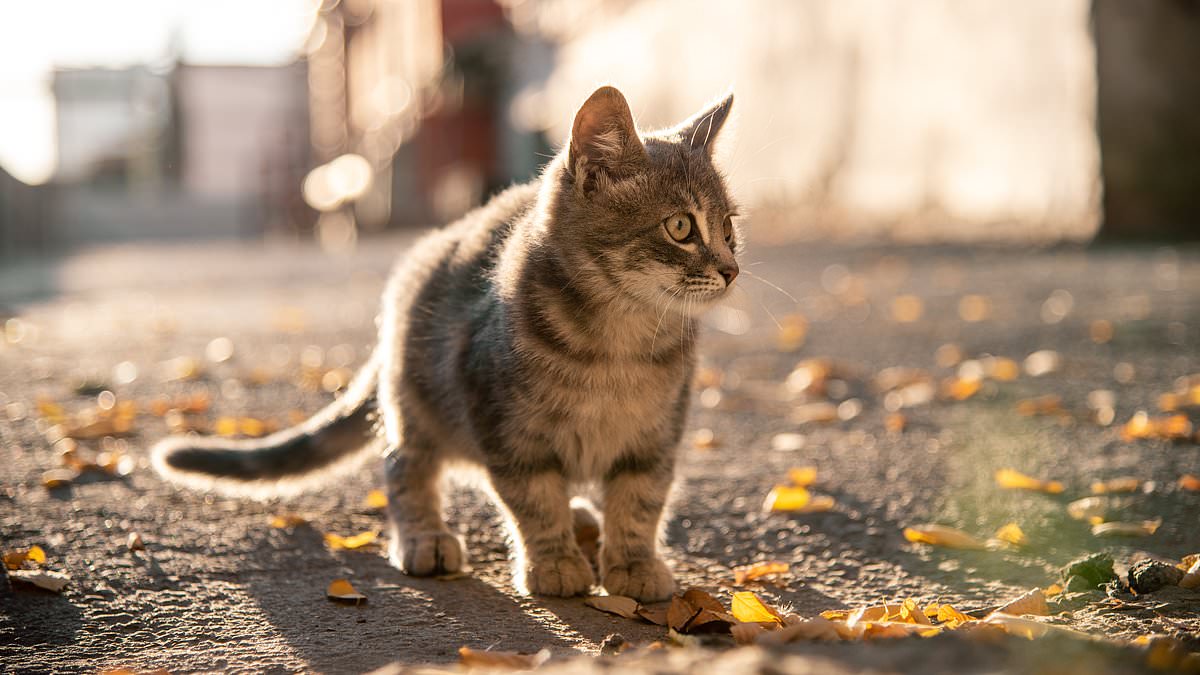
A stray kitten in Nebraska has tested positive for an unusual strain of rabies, normally associated with raccoons in the eastern United States. This has prompted health officials to launch an unprecedented public health operation to vaccinate 1,000 raccoons in the area to prevent further spread. Rabies is considered 100 percent fatal in humans if left untreated, and the presence of the virus in a cat increases the risk of transmission. All individuals who may have been exposed to the kitten have begun preventative treatment for rabies.
Five raccoons in Boston have tested positive for rabies, prompting city officials to offer free rabies vaccination clinics for pets next month. The raccoons were found in various neighborhoods, and there have been no reports of rabies exposure or injuries in humans. Officials are urging residents to remain vigilant around wild animals and to report any strange or sick behavior. They also provided tips for keeping pets safe, such as keeping them up to date on their rabies vaccinations and seeking medical care if they are bitten or scratched by a potentially rabid animal. Two free vaccination clinics will be held in September.
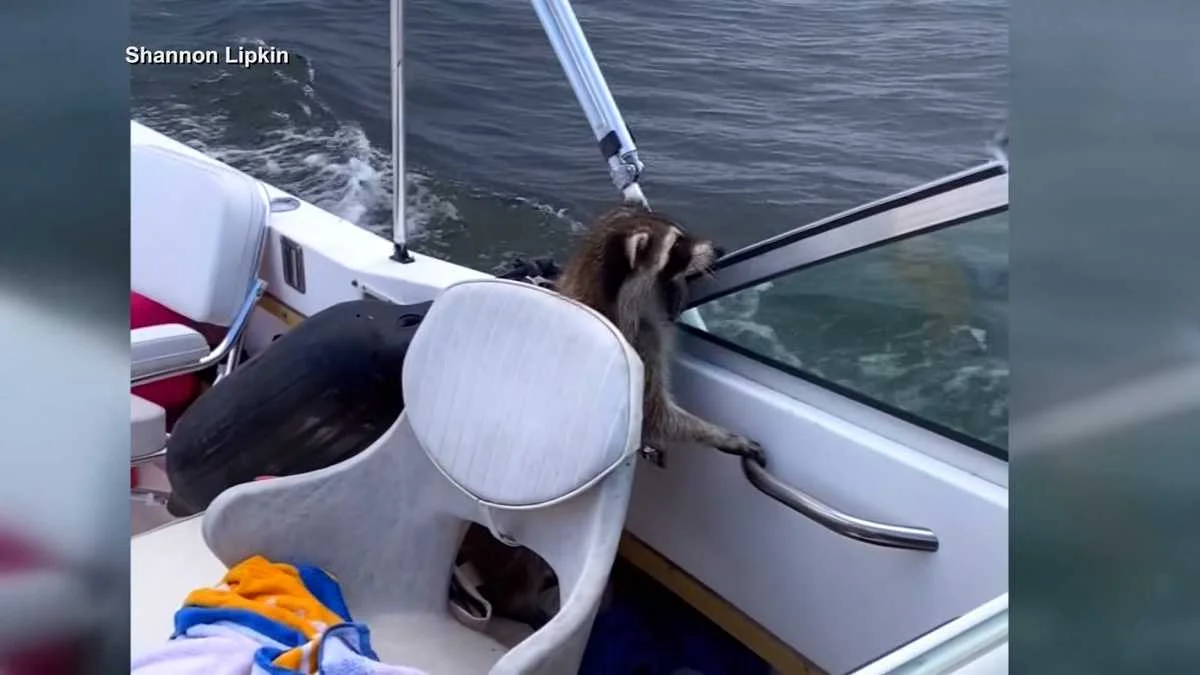
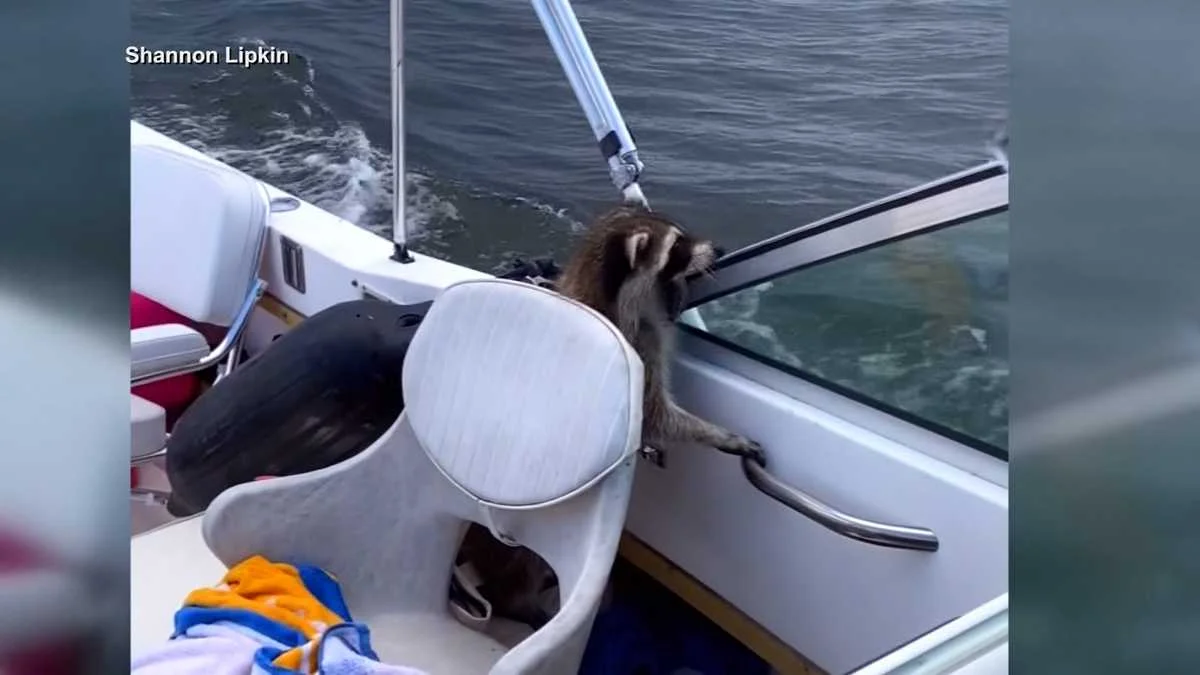
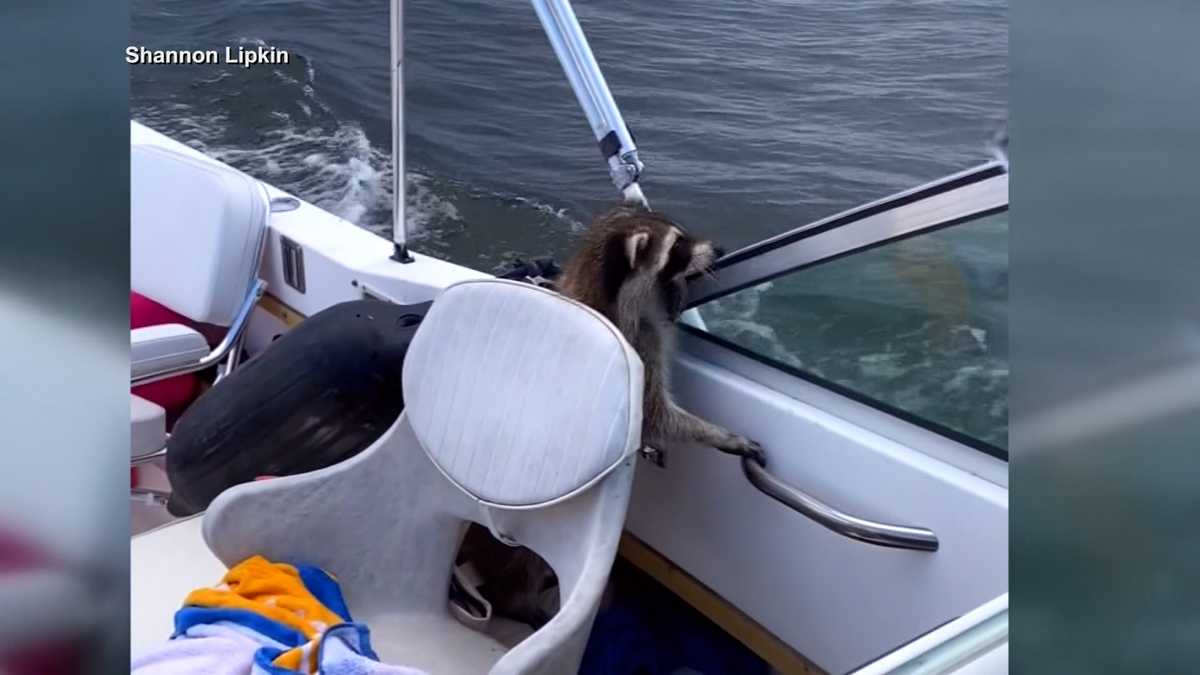
A couple in Vermont discovered two stowaway raccoons on their boat while on a joyride on Lake Champlain. The raccoons were found hiding under the seats and seemed to enjoy the ride, leaning out of the boat and enjoying the wind. Once back on land, the raccoons safely escaped.
A couple in Vermont discovered two stowaway raccoons on their boat while on a joyride on Lake Champlain. The raccoons were found hiding under the seats and seemed to enjoy the ride, leaning out of the boat and enjoying the wind. Once back on land, the raccoons safely escaped.
A couple in Vermont discovered two stowaway raccoons on their boat while on a joyride on Lake Champlain. The raccoons were found hiding under the seats and seemed to enjoy the ride, leaning out of the boat and enjoying the wind. Once back on land, the raccoons safely escaped.