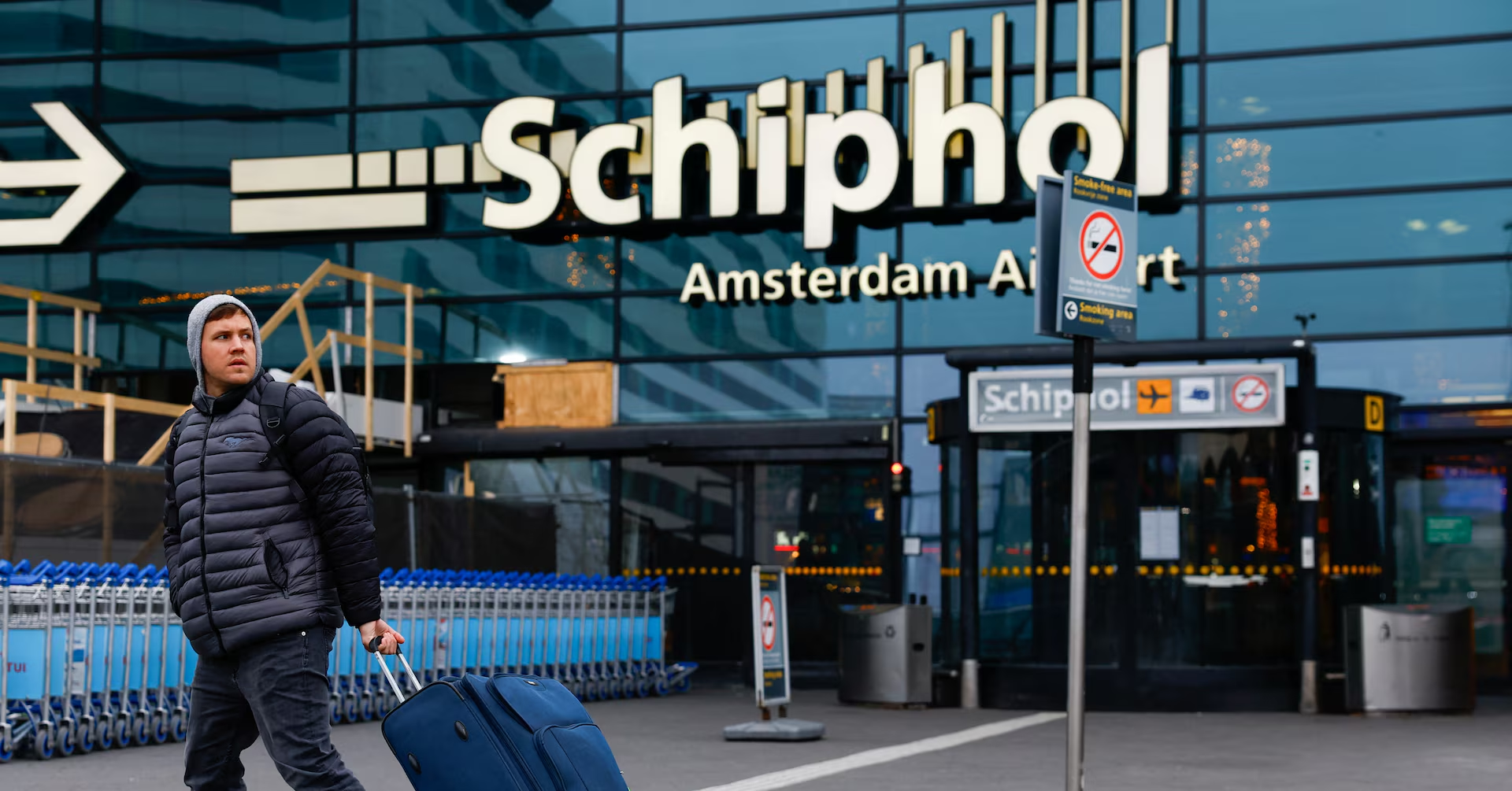
Heavy snowfall in the Netherlands caused widespread disruption to air, train, and road traffic, leading to nearly 500 flight cancellations at Schiphol Airport and no train operations around Amsterdam, with ongoing snow expected throughout the week.
The article highlights five underrated free apps worth installing: Yuka for health and cosmetics info, Transit for city public transport navigation, MyNoise for customizable ambient sounds, Listonic for smart grocery shopping, and Merlin Bird ID for bird identification, emphasizing their unique features and benefits.
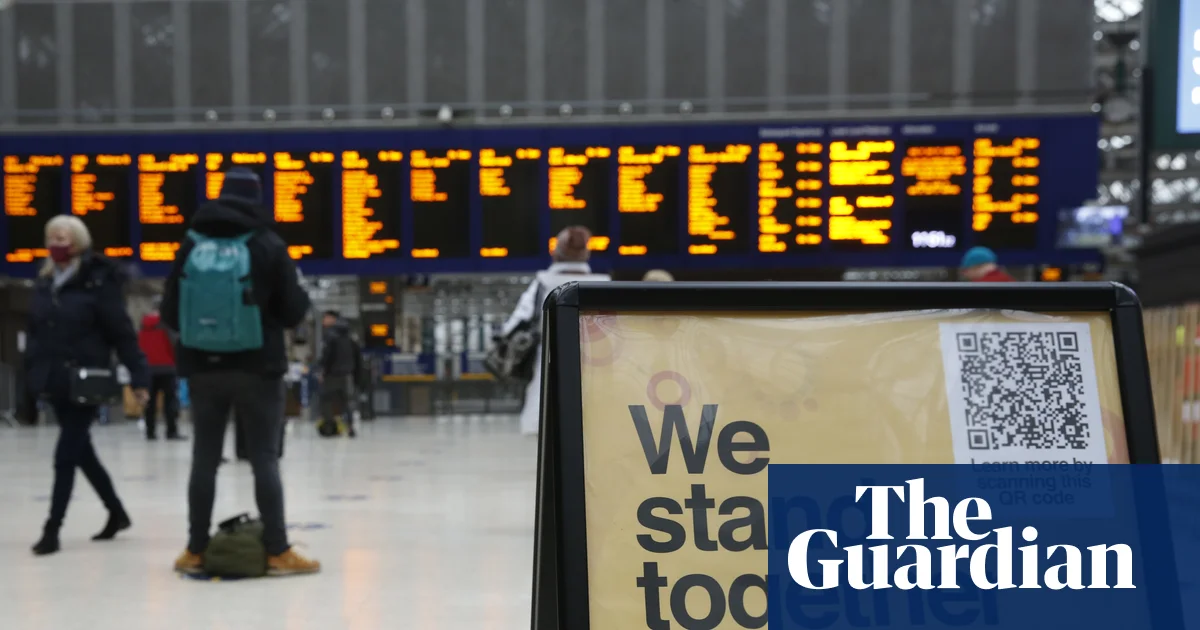
Hate crimes based on race and religion on UK public transport are increasing, with victims often feeling unsafe and community groups calling for urgent action to address the rise and improve safety measures.
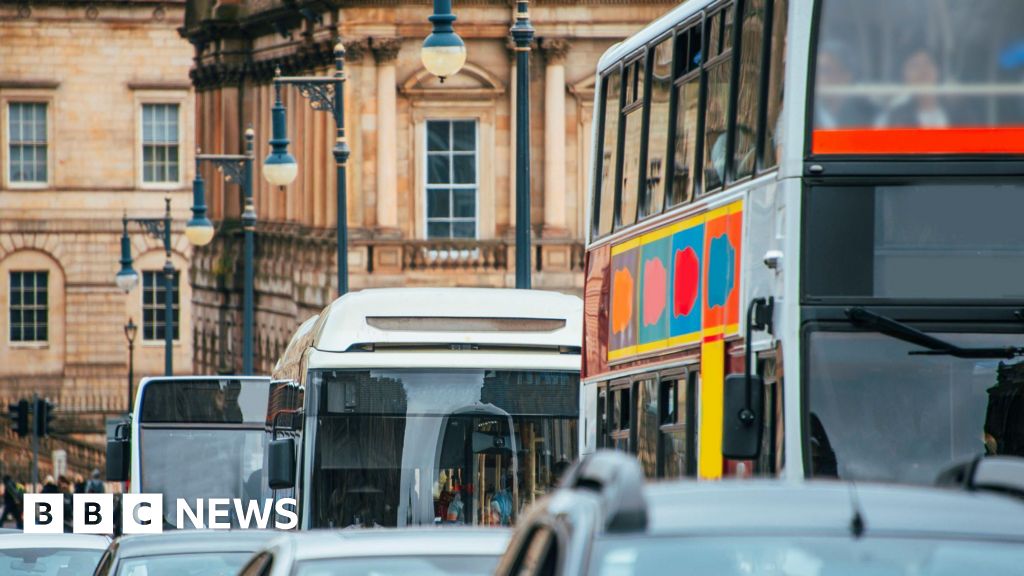
Traffic congestion in Scottish cities, especially Edinburgh, is significantly slowing bus services, reducing their attractiveness and increasing journey times, with potential solutions including bus priority measures and AI-based traffic management.
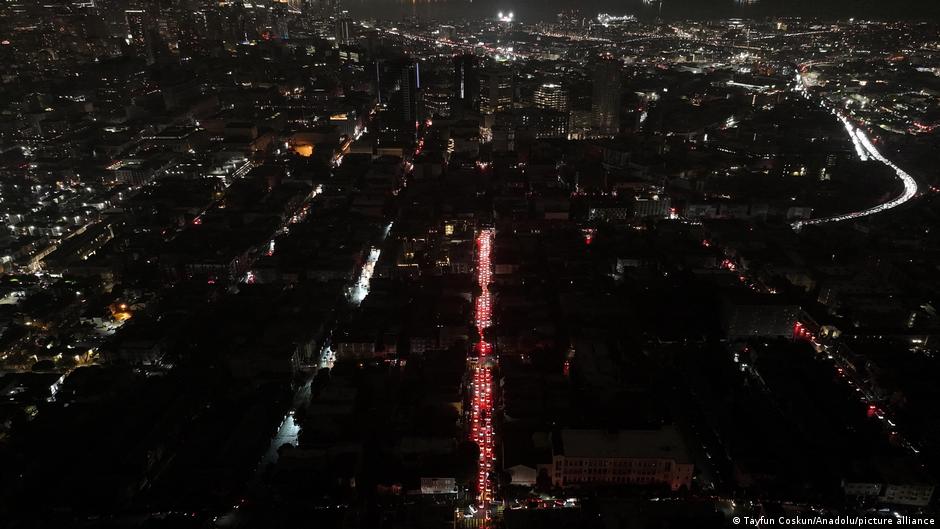
A fire at a substation caused a major power outage in northern San Francisco, leaving 130,000 people without electricity during a busy shopping weekend. Power has been partially restored, but full restoration is uncertain due to extensive damage, and residents are advised to stay home amid ongoing repairs and bad weather.
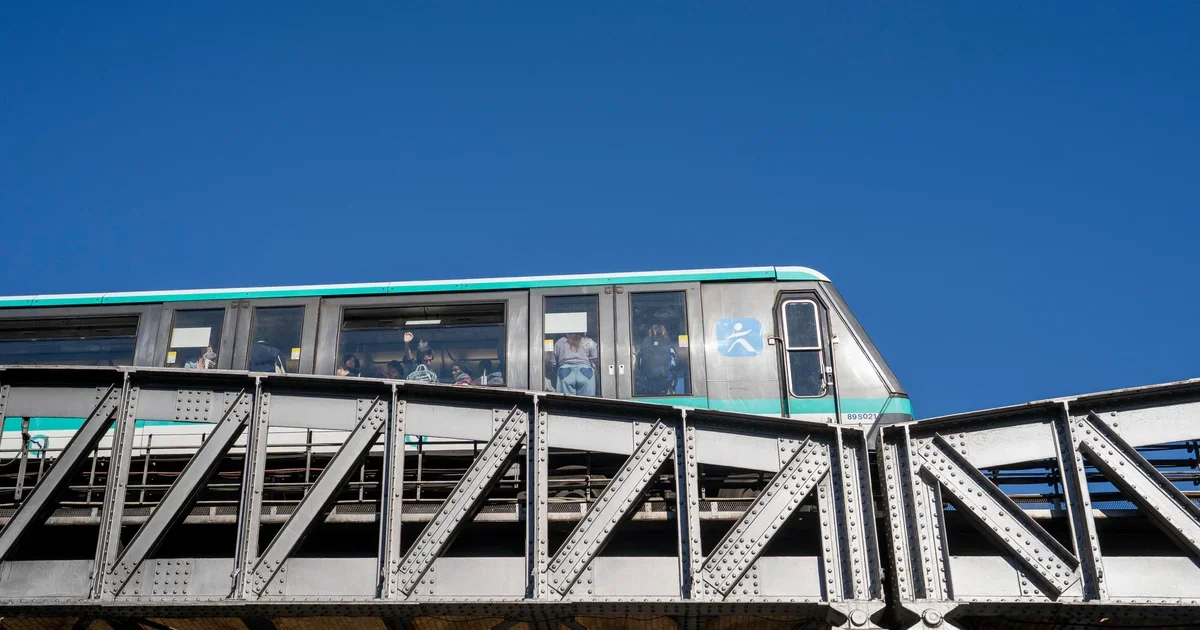
A suspect was arrested in Paris after a viral video showed an attempted sexual assault on a woman on a train, highlighting rising sexual violence on public transport in France, with the suspect claiming to be an Egyptian national and the incident prompting renewed debate on safety issues.
The article reviews the Bus Bound demo showcased at Steam Next Fest, highlighting its focus on city bus driving in Emberville, with realistic AI traffic and a laid-back vibe, but questioning its long-term appeal and depth compared to other simulation games, with a full release expected in 2026.
The 2024 Global Innovation Index ranks Switzerland as the most innovative country for the 14th consecutive year, highlighting its strong education system and tech outputs. Sweden, the US, Singapore, and the UK follow, each excelling in areas like AI, sustainability, and public transport technology. Residents and travelers in these countries benefit from innovations such as Switzerland's efficient public transport apps, Sweden's sustainable tech solutions, the US's driverless cars, the UK's smart waste management, and South Korea's AI-driven museum guides.
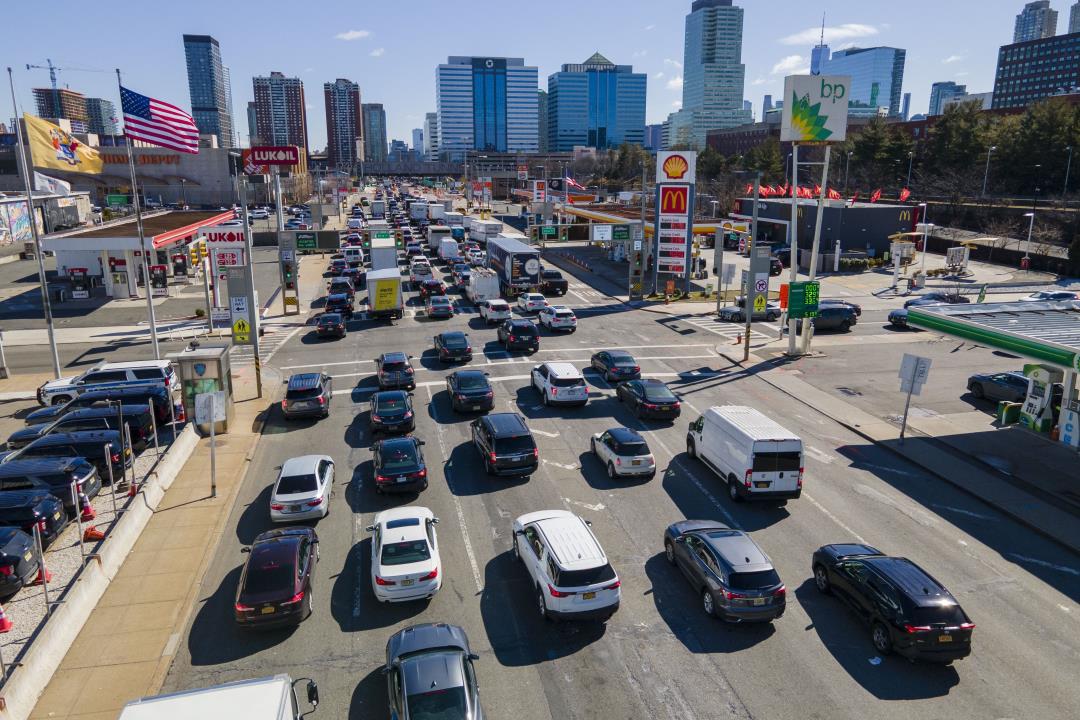
New York City's Metropolitan Transportation Authority has approved a $15 congestion toll for most drivers entering Manhattan's central business district, set to go into effect in June. The toll aims to reduce congestion, encourage public transport use, improve air quality, and raise funds for the city's subway and bus systems. Tolls will vary based on vehicle size and time of day, with exemptions for certain vehicles and low-income drivers.
New York City's Metropolitan Transportation Authority has approved a congestion pricing plan, making it the first U.S. city to implement such tolls. The plan includes a $15 fee for most vehicles entering Manhattan south of 60th Street during daytime hours, with higher tolls for larger vehicles and lower rates for late-night entries and motorcycles. Supporters believe the tolls will encourage the use of public transport, reduce congestion, speed up public buses and emergency vehicles, decrease pollution, and raise funds to improve the subway system, with the goal of generating $1 billion annually for public transit.
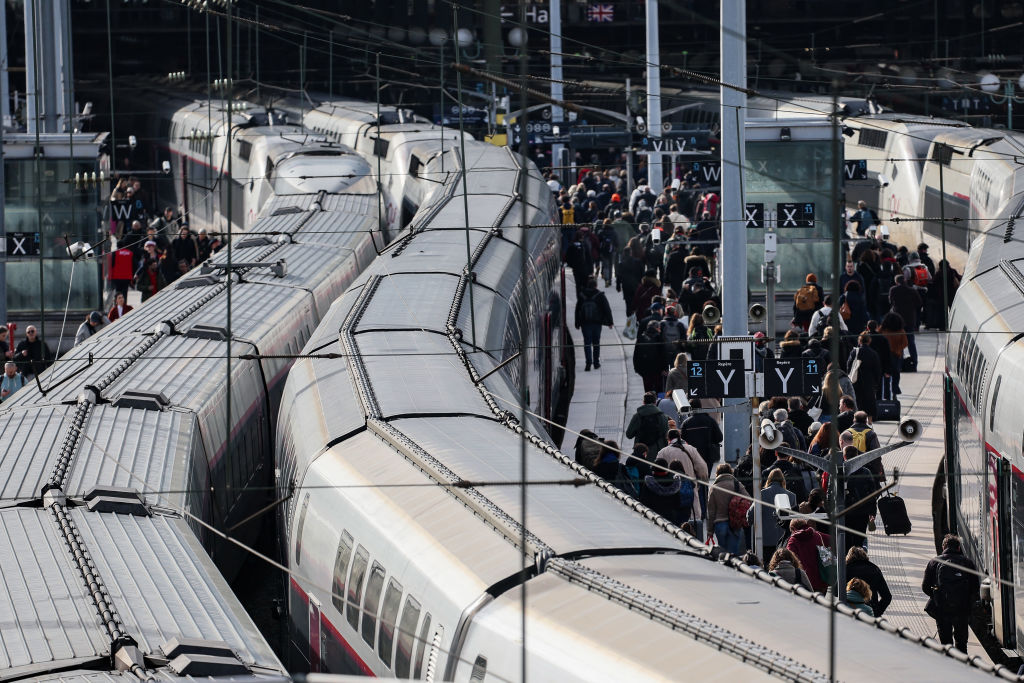
A bag reportedly containing security plans for the upcoming Paris Olympics was stolen on a train in Paris, raising concerns about potential security risks for the event. The bag belonged to a 56-year-old engineer and contained sensitive data related to Paris City Hall’s security plans for the Olympics, including the deployment of 2,000 municipal police officers. The theft is being investigated by regional transport police, and security measures for the Olympics, including a budget of 320 million euros and the deployment of 45,000 security staff on the first day, have been ramped up in response to potential security threats.
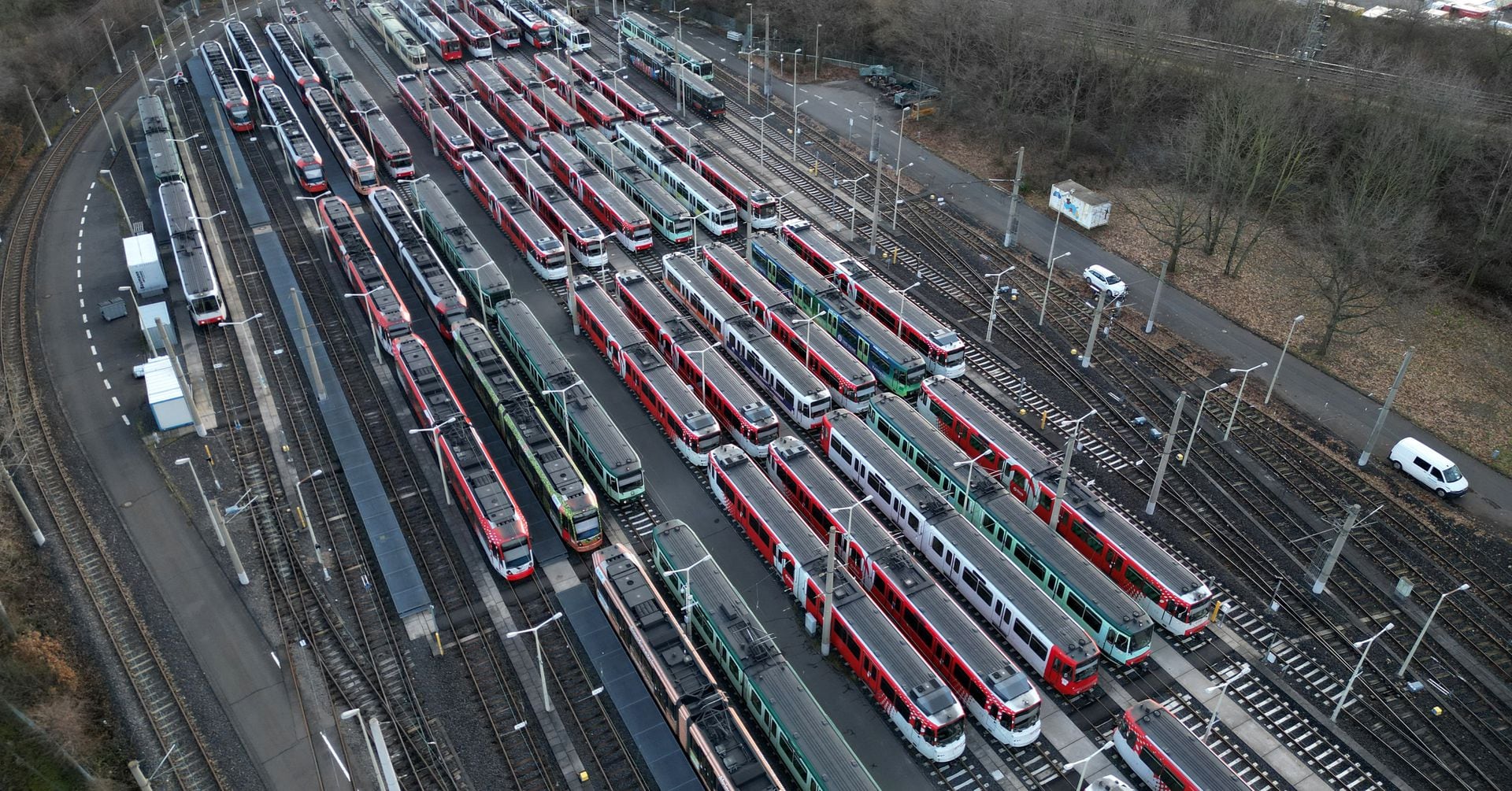
Public transport across Germany was disrupted as 90,000 workers went on strike, causing chaos for millions of commuters and travelers. The strike, called by labor union Verdi, aimed to improve working conditions, including reduced hours and increased holiday entitlement. The disruptions follow a series of industrial actions in the transportation sector, with recent strikes affecting airports and now public transport. The strike led to widespread closures of bus and tram stations, impacting passengers across the country.
Experts weigh in on the practice of changing from "outside clothes" to "inside clothes" after using public transport, with some citing concerns about potential bacteria and viruses on clothing. While studies have detected bacteria on public transit, the risk of infection from clothing is considered low by medical professionals. They emphasize the importance of hand hygiene and caution during flu season or when in close contact with unwell individuals, while also suggesting alternative ways to minimize contact with potentially contaminated surfaces.
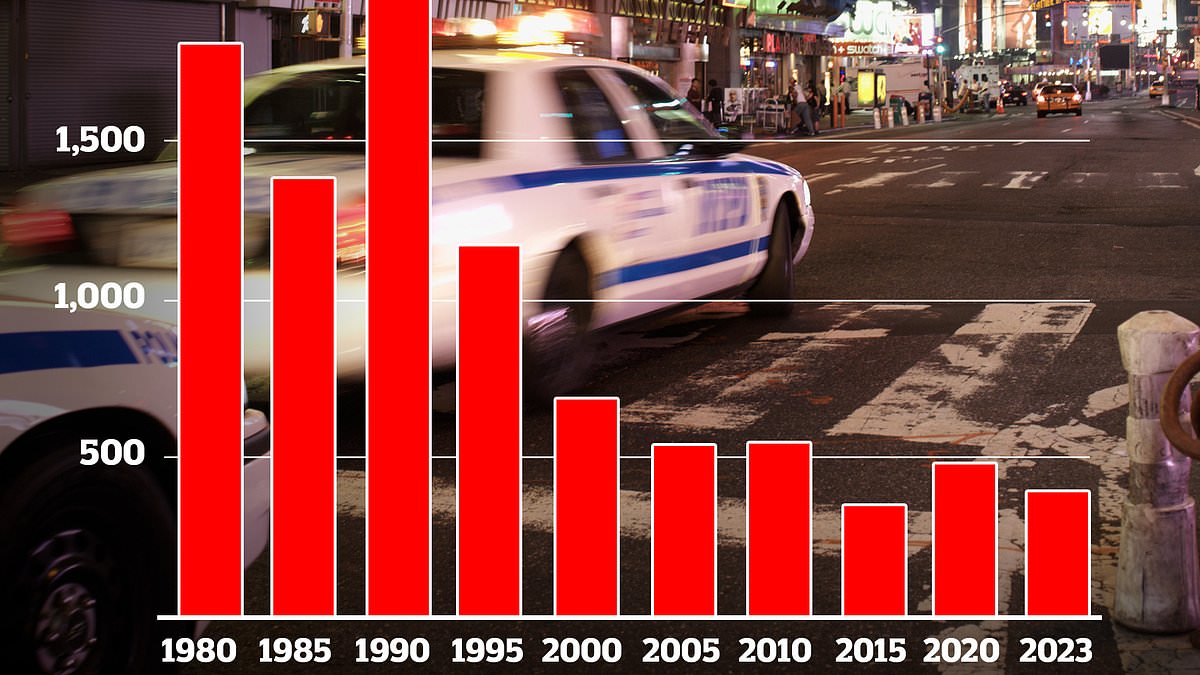
London and New York are facing similar challenges with rising crime rates, including stabbings, shootings, and homelessness. While London's murder rate is generally lower than New York's, both cities struggle with knife and gun crime. Homelessness has also increased in both cities, with high rents being a contributing factor. Additionally, crime on public transport has surged in both London and New York, raising concerns about public safety.
Hydrogen has the potential to play a significant role in greening Hong Kong's public road transport, but challenges such as safety, reliability, and cost need to be addressed for its commercialization. While hydrogen derived from fossil fuels has zero roadside emissions, its production carbon footprint remains substantial. The production of "green" hydrogen using renewable energy is expensive and requires the development of a supply chain. The mass commercialization of hydrogen vehicles in Hong Kong and other markets faces uncertainties in resolving technological and cost barriers. Supply chain challenges, including storage and transport, need to be tackled. Hong Kong is considering options such as bringing supplies from Guangdong province initially and exploring long-term solutions like long-distance piping or importing green hydrogen by tankers.