As of January 1, 2026, numerous classic works from the 1930s, including Betty Boop, Nancy Drew, early Mickey Mouse cartoons, and films like 'All Quiet on the Western Front,' have entered the public domain, allowing free use and adaptation, marking a significant moment for cultural and creative reuse.
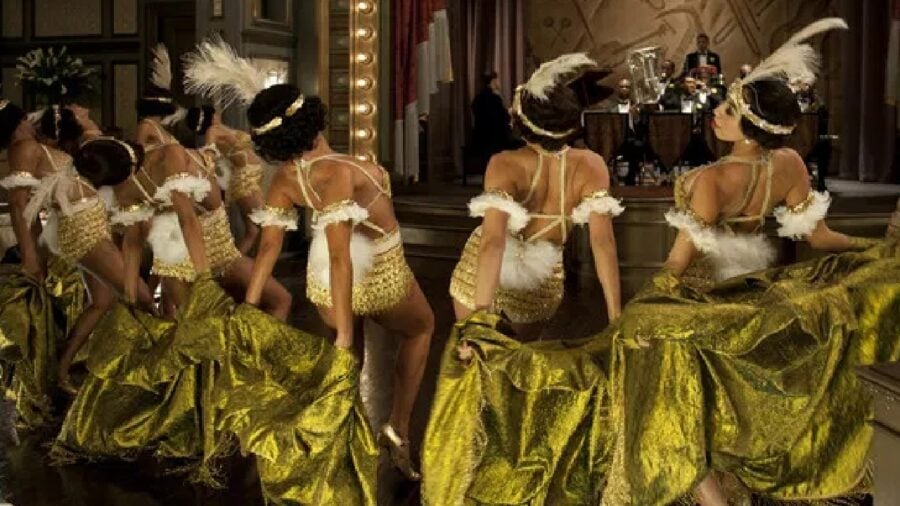
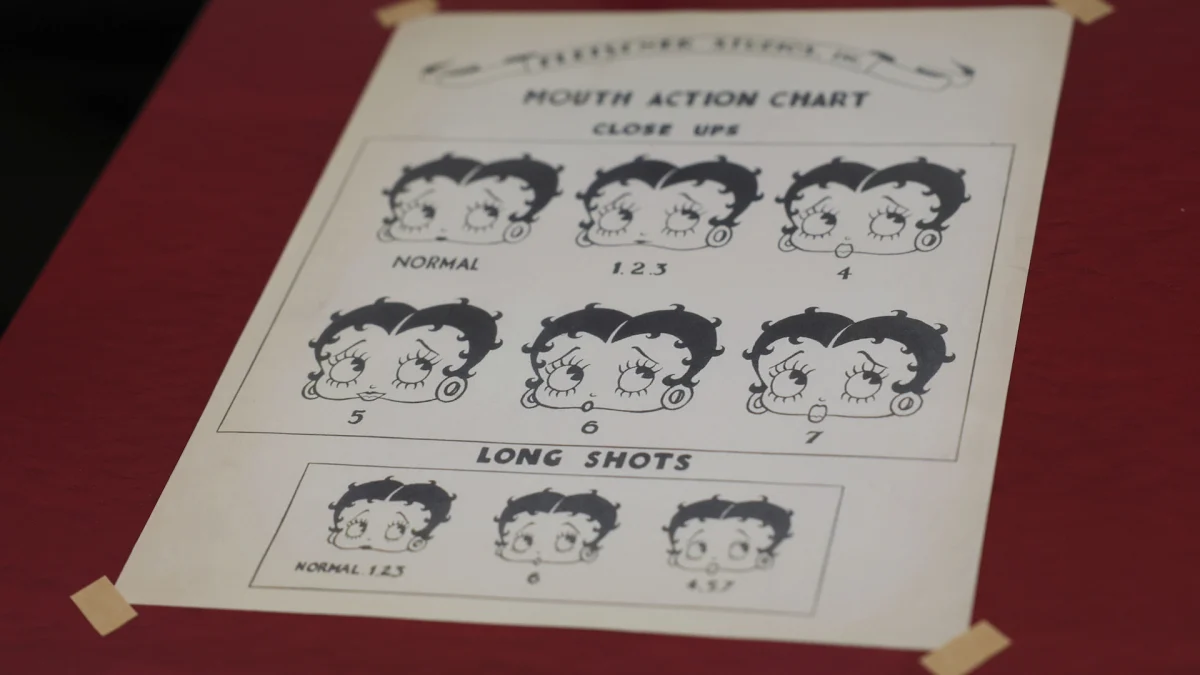
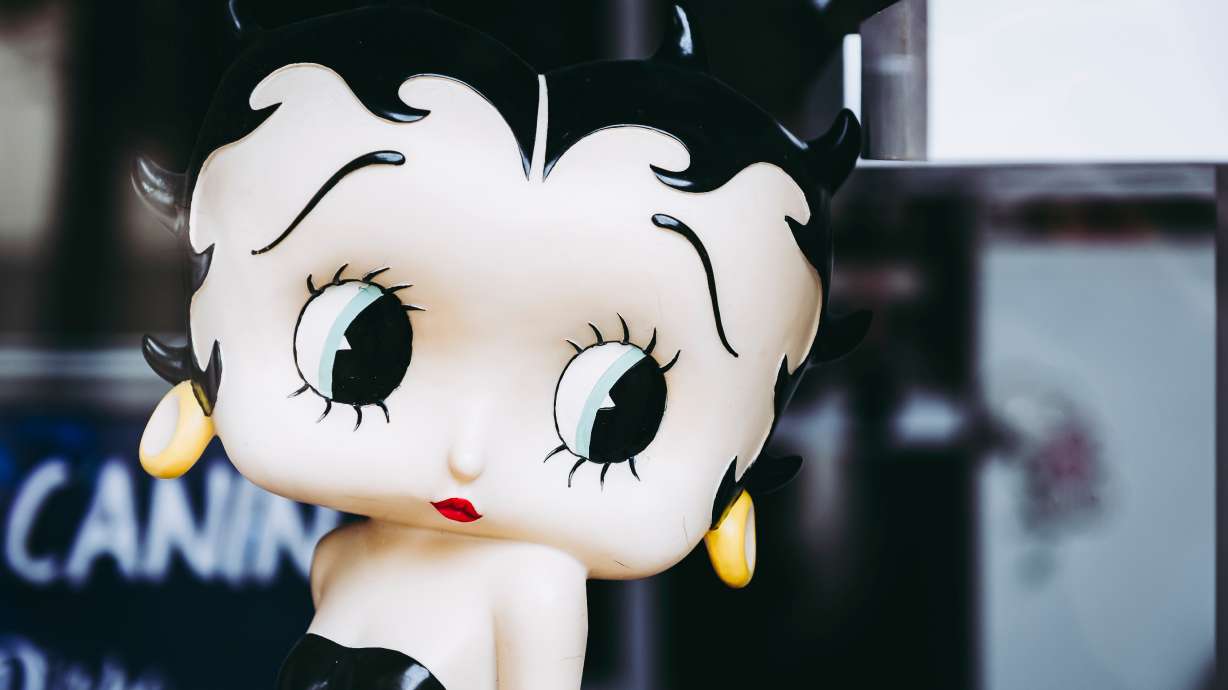
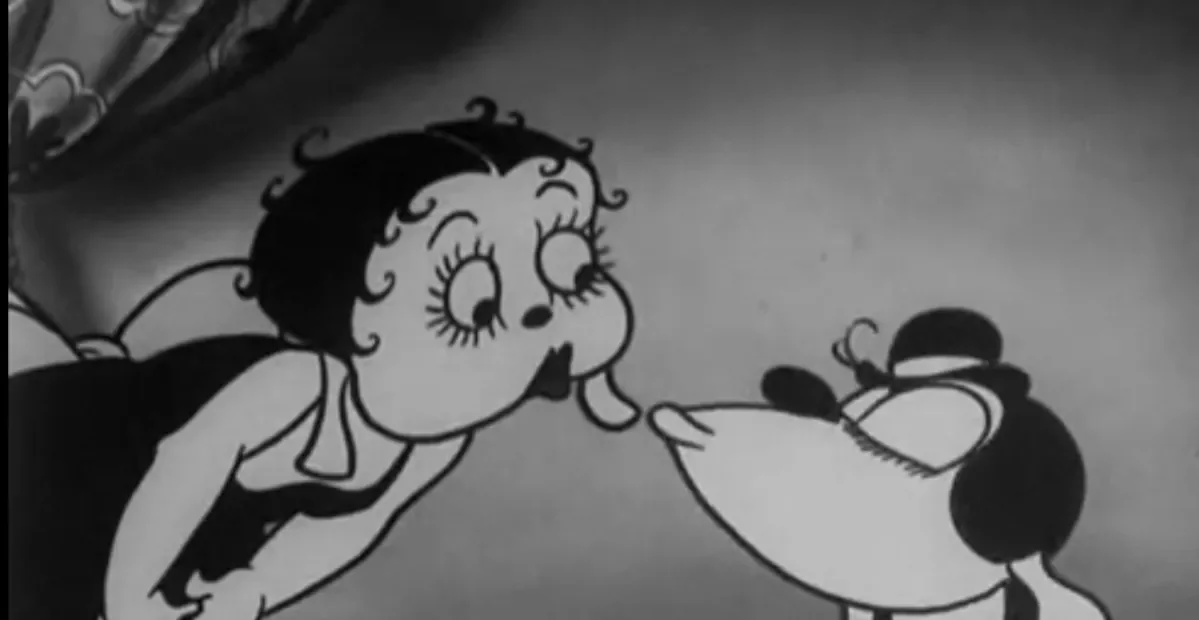
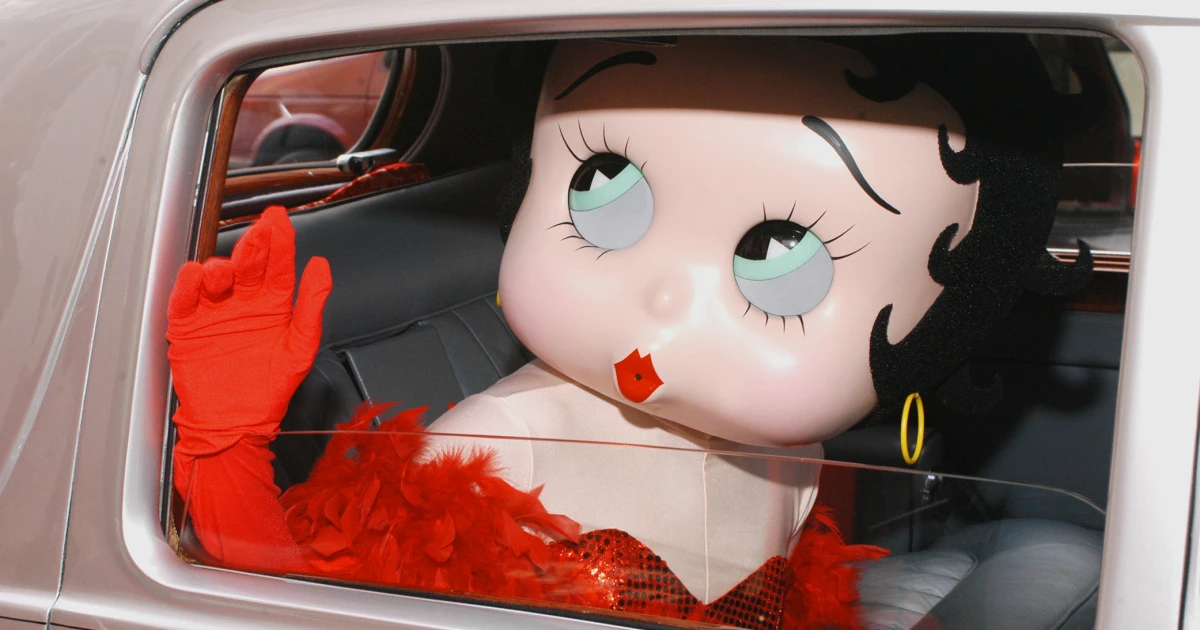
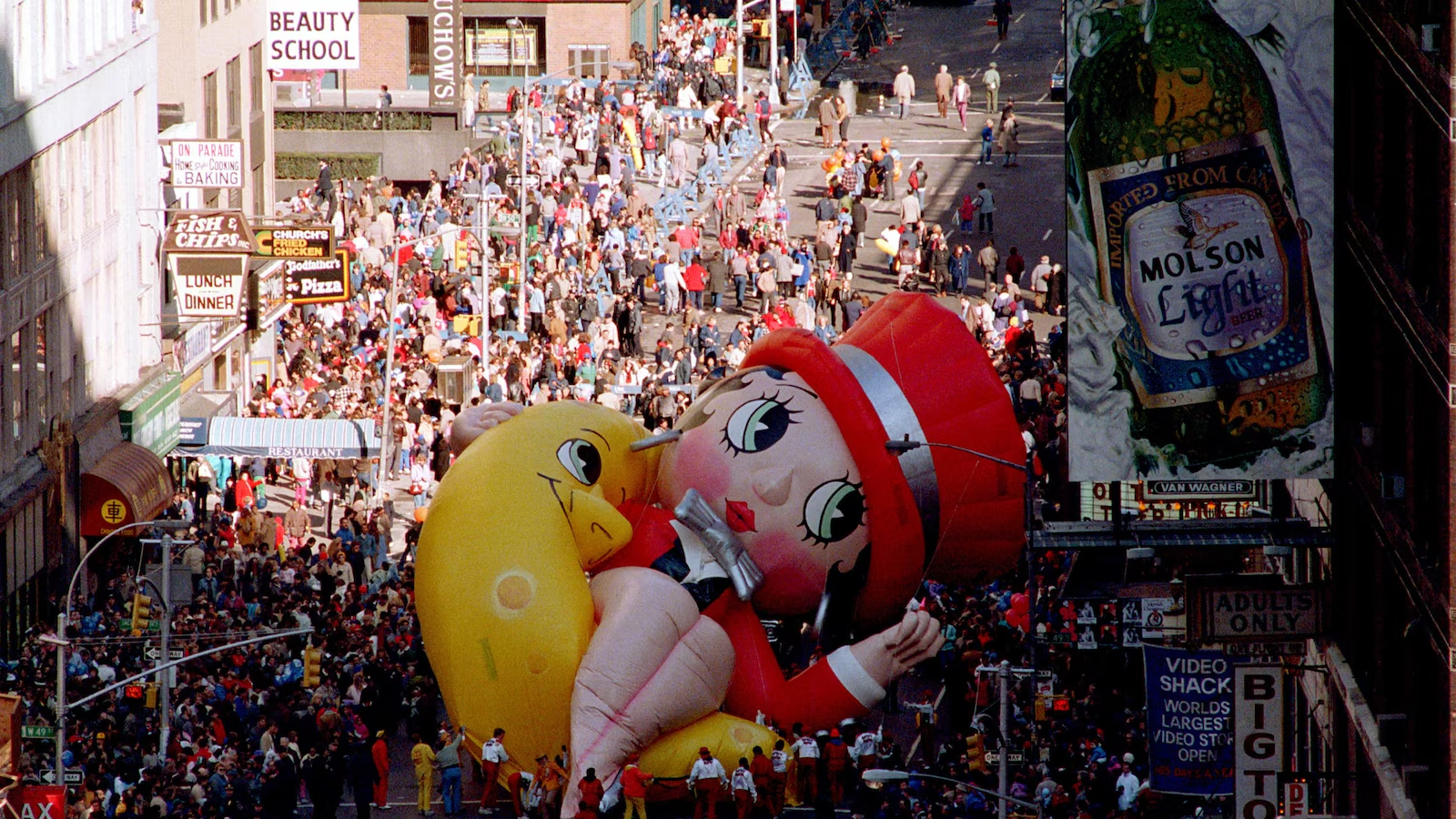
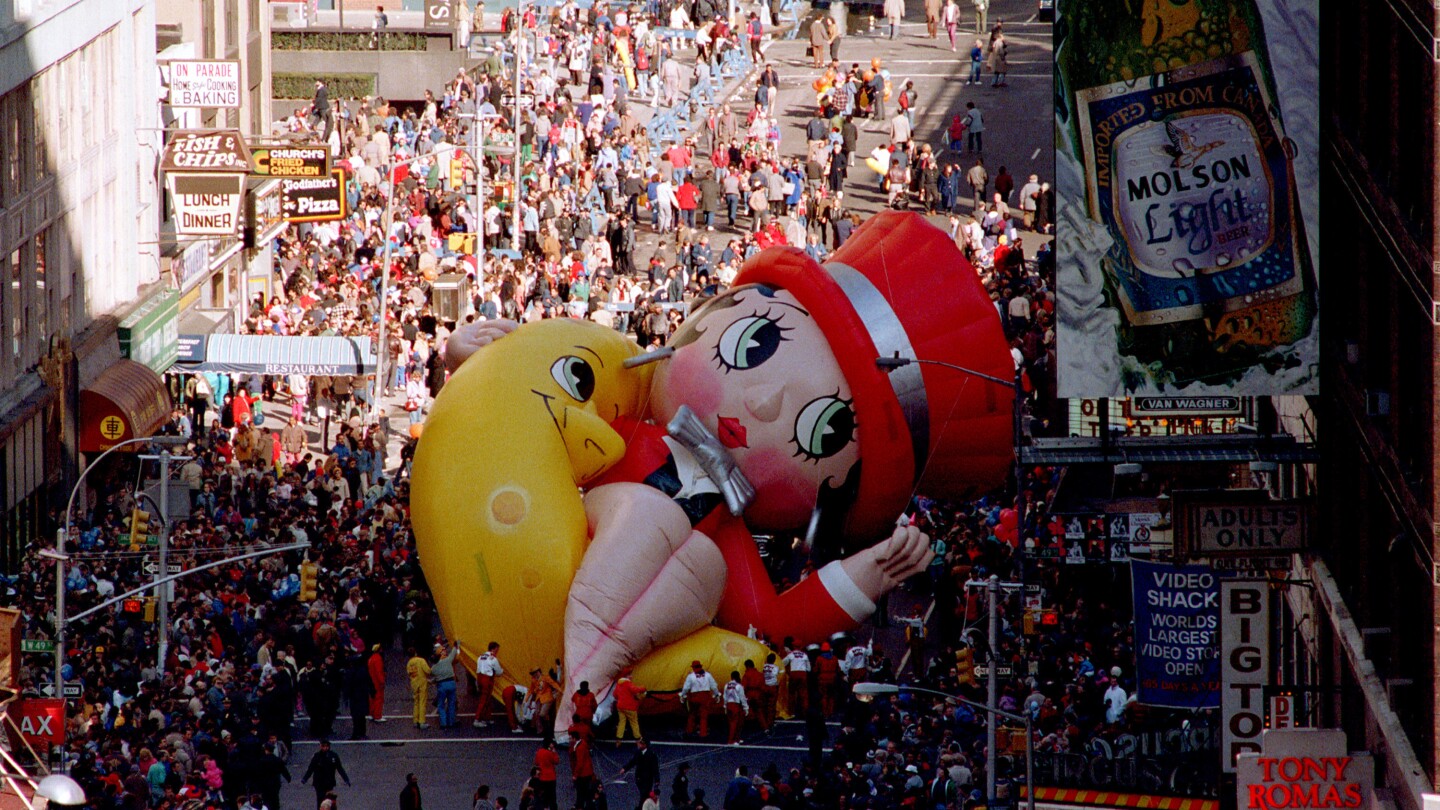
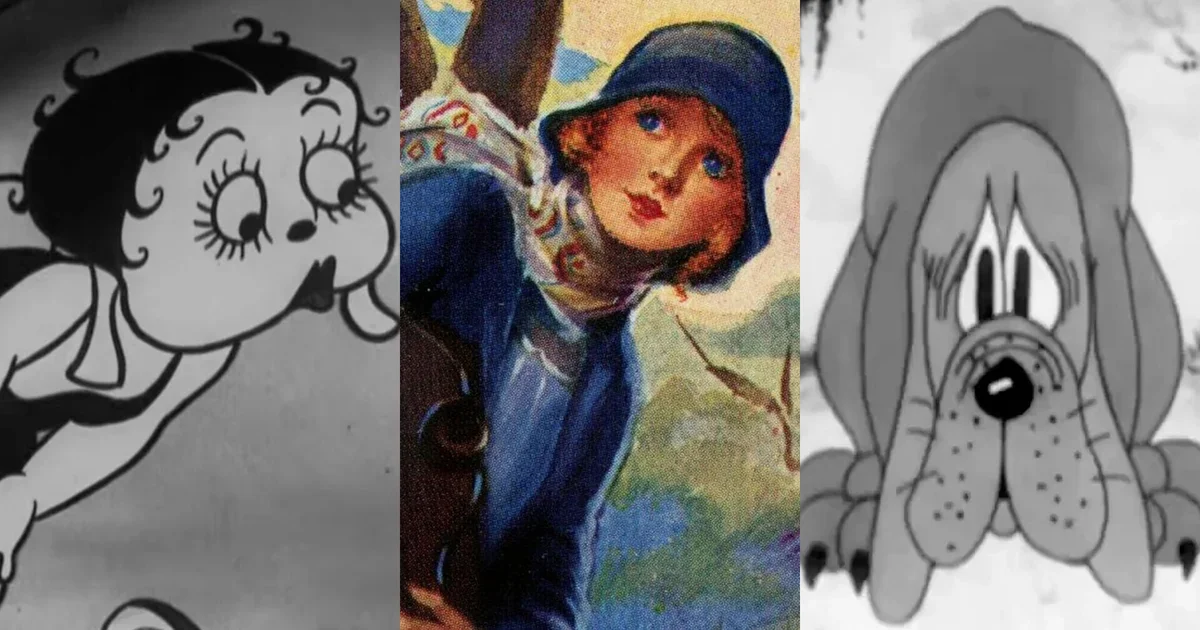
Betty Boop, the iconic 1930s animated sex symbol, is set to enter the public domain in 2026, allowing for widespread use and adaptation, though certain elements like her earrings and name remain protected. Her transition into the public domain marks a significant moment for animation history and copyright law, highlighting ongoing debates about intellectual property rights and creative freedom.
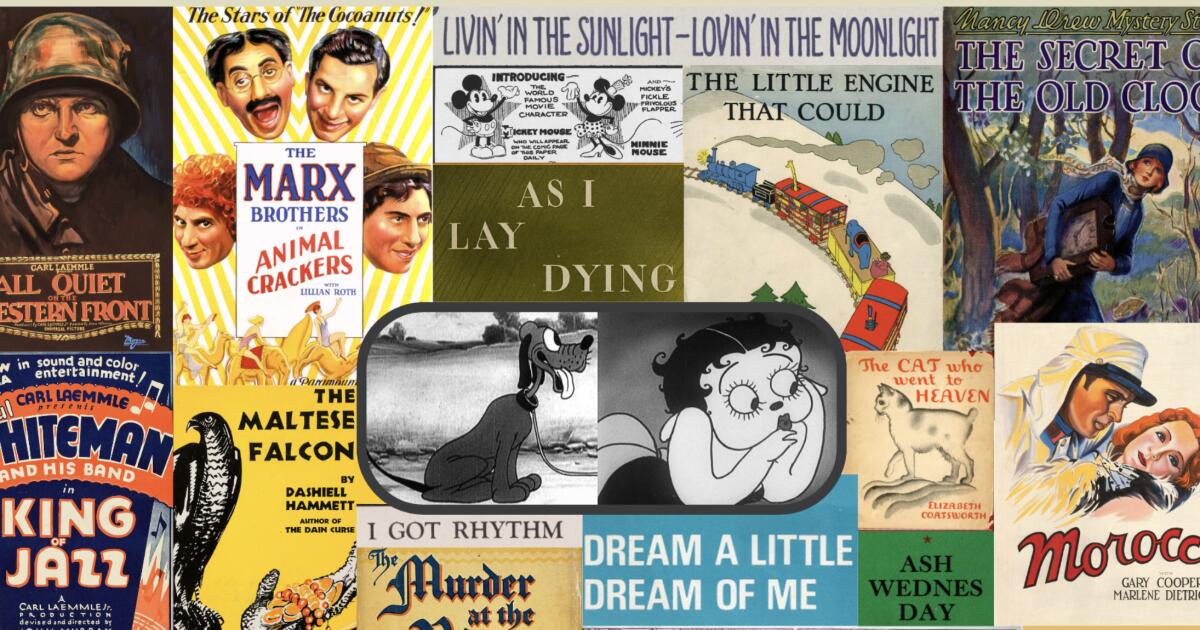
The Public Domain Day 2026 list includes early versions of Betty Boop, Disney characters like Pluto, classic films such as All Quiet on the Western Front, and literary works like Faulkner's 'As I Lay Dying,' all entering the public domain, allowing free use and adaptation, with some legal nuances to consider.
In 2026, numerous notable works from 1930, including Nancy Drew, Betty Boop, and the first Pluto cartoon, will enter the public domain, allowing for renewed access and creative reuse, especially benefiting community and independent creators.
Works created in 1930, including Betty Boop, Nancy Drew, and several iconic songs and films, have entered the public domain in the US, allowing free use and adaptation, with some nuances regarding original versions and characters.
In 2026, several iconic characters and works, including Betty Boop, Blondie, Mickey Mouse, Nancy Drew, and notable films and songs from the early 20th century, will enter the public domain, allowing free use and adaptation, marking a significant cultural milestone.
Betty Boop, Blondie, Mickey Mouse, Pluto, and several classic detective and literary characters are entering the public domain in 2026, allowing free use and adaptation, marking a significant cultural milestone with implications for creators and copyright law.
Betty Boop and Blondie will enter the public domain in 2026, along with other iconic characters, books, films, and songs from the early 20th century, allowing creators to freely use and adapt these works.
Many iconic characters and works, including Blondie, Nancy Drew, and Betty Boop, are entering the public domain in 2026 after a 95-year copyright protection period, raising questions about copyright law, cultural preservation, and creative reuse. The long extension of copyright terms has delayed public access, but this year marks a significant opportunity for rediscovery and reinterpretation of these cultural treasures.
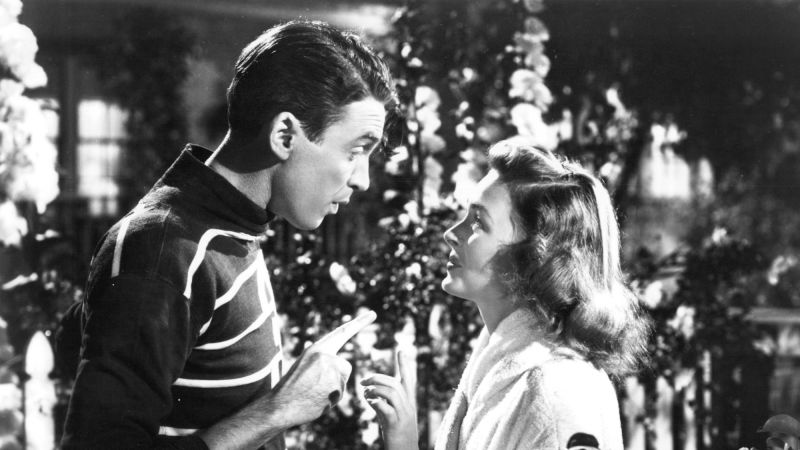
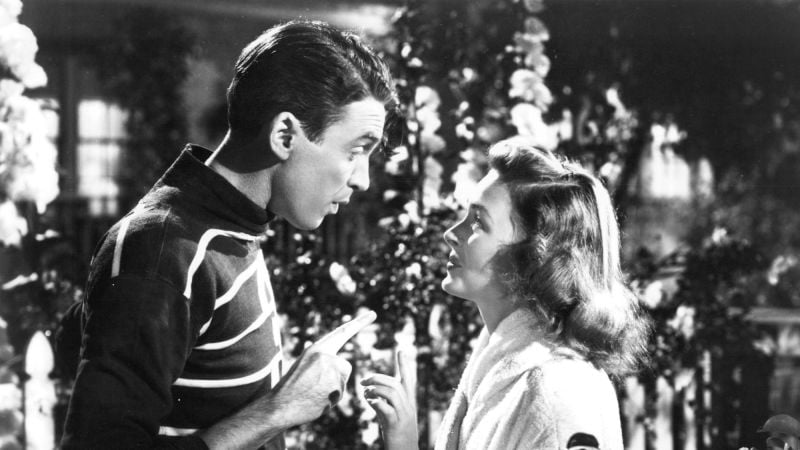
An abridged, ad-supported version of 'It’s a Wonderful Life' circulating on Amazon Prime omits the pivotal Pottersville scene due to copyright licensing issues, which is problematic since the scene is essential to the film's story. The film's complex copyright history, including its entry into public domain and subsequent licensing disputes, explains why the shorter version exists, but the original remains the superior version.
An abridged, ad-supported version of 'It’s a Wonderful Life' circulating on Amazon Prime omits the pivotal 'Pottersville' scene due to copyright issues, stemming from complex rights and copyright law interpretations, which have affected the film's broadcasting history and availability.
Every January 1, works from 1930, including films, books, and music, enter the public domain in the U.S., allowing free use and adaptation, with notable entries like Disney's 'The Chain Gang' and William Faulkner's 'As I Lay Dying.' The event fosters creative reuse, remix contests, and access to historic media, expanding the cultural landscape.
In 2026, numerous works from 1930, including Betty Boop, early Mickey Mouse cartoons, and works by Agatha Christie and William Faulkner, will enter the public domain, allowing for legal reuse and reinterpretation, though newer versions and trademarks remain protected. This shift promotes creativity but also raises legal challenges, especially with the rise of AI using copyrighted materials.
Disney is suing a law firm over its use of the earliest depiction of Mickey Mouse from 1928's 'Steamboat Willie,' which entered the public domain in 2024. The lawsuit questions whether Disney can still enforce rights over this version of Mickey Mouse, despite copyright expiration, due to trademarks and ongoing licensing. Disney's aggressive IP enforcement continues amid companies exploiting the character in various ways.
Originally Published 5 months ago — by Rolling Stone
Tom Lehrer, a renowned satirical songwriter known for his darkly humorous lyrics and influence on future musicians, has died at 97. Lehrer, who began his career in the 1950s while studying mathematics, created iconic songs like 'Poisoning Pigeons in the Park' and 'The Vatican Rag.' Despite recording only about three dozen songs, his work inspired artists such as 'Weird Al' Yankovic and Daniel Radcliffe. In 2020, Lehrer placed his entire catalog in the public domain, emphasizing his legacy and impact on comedy and music.