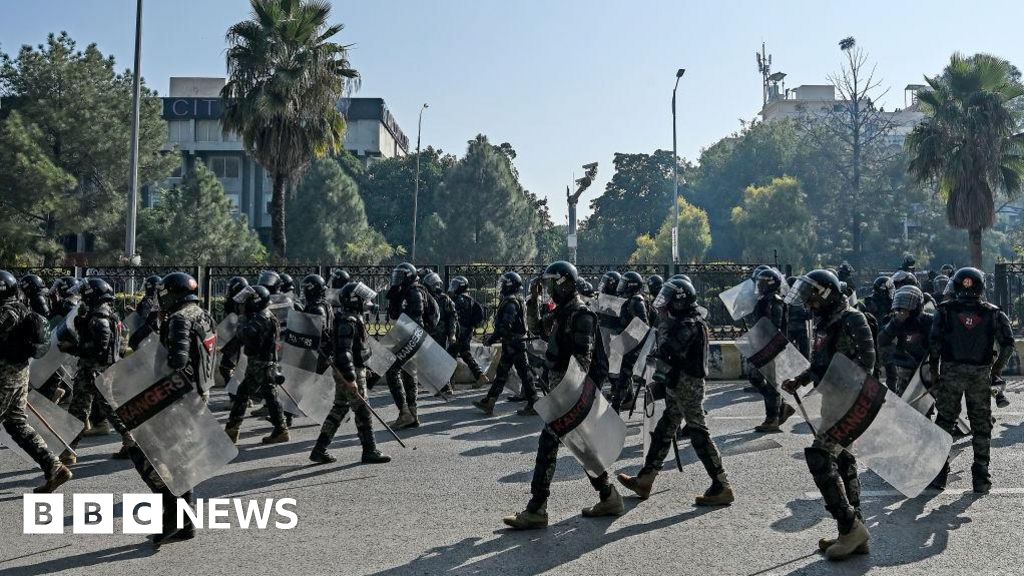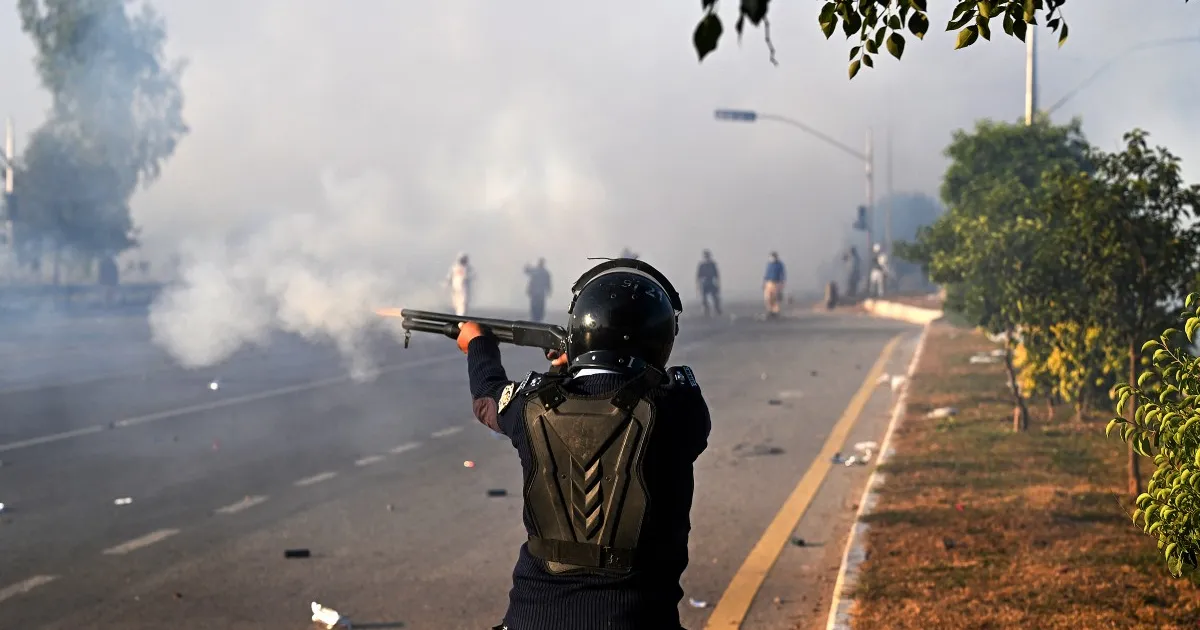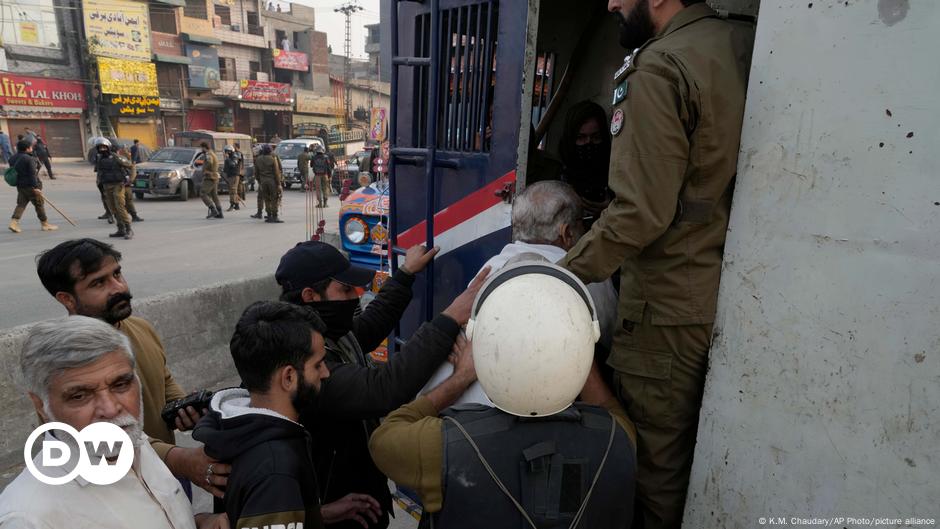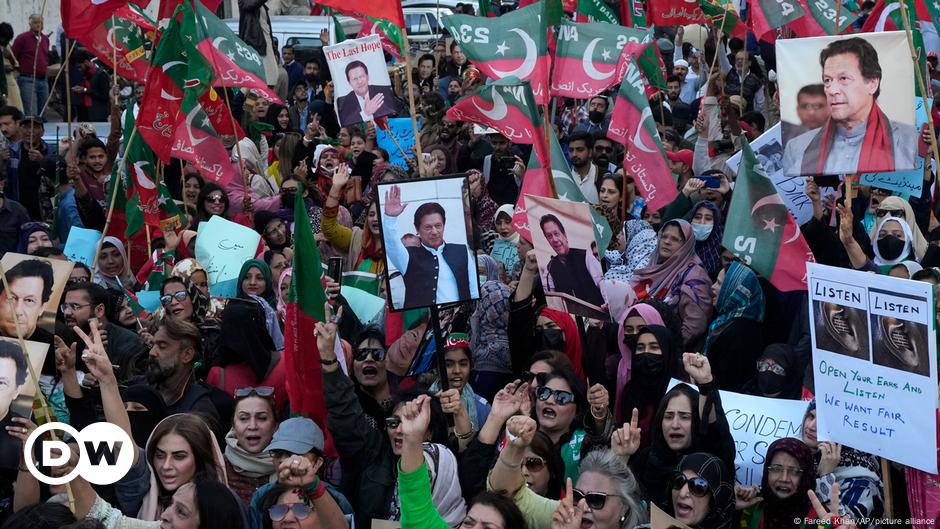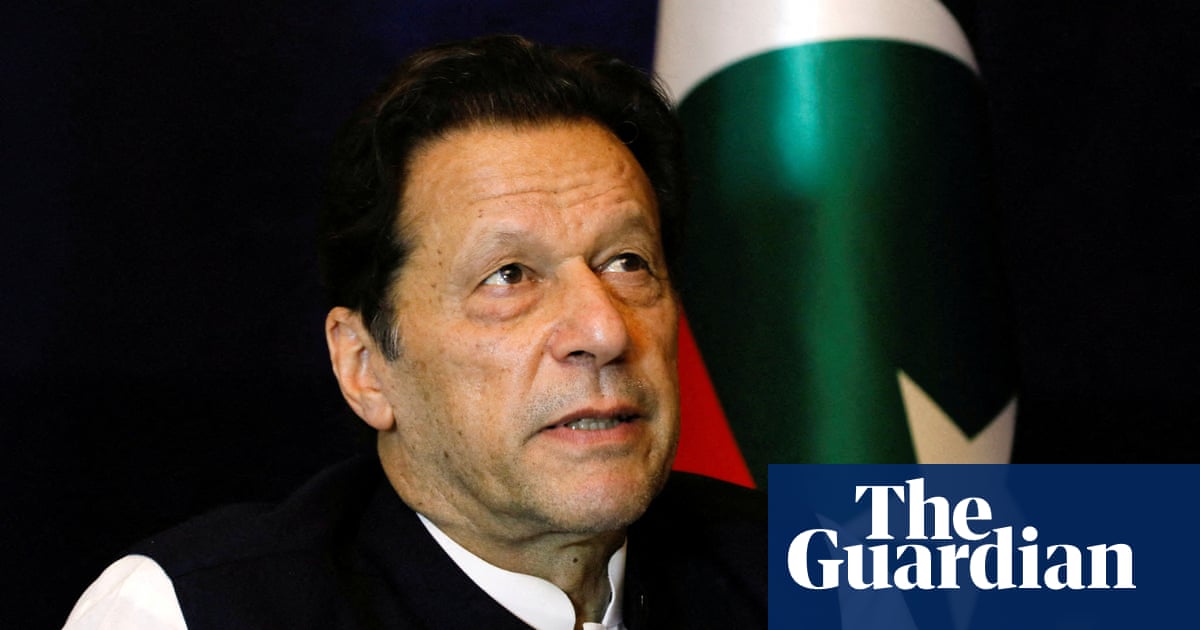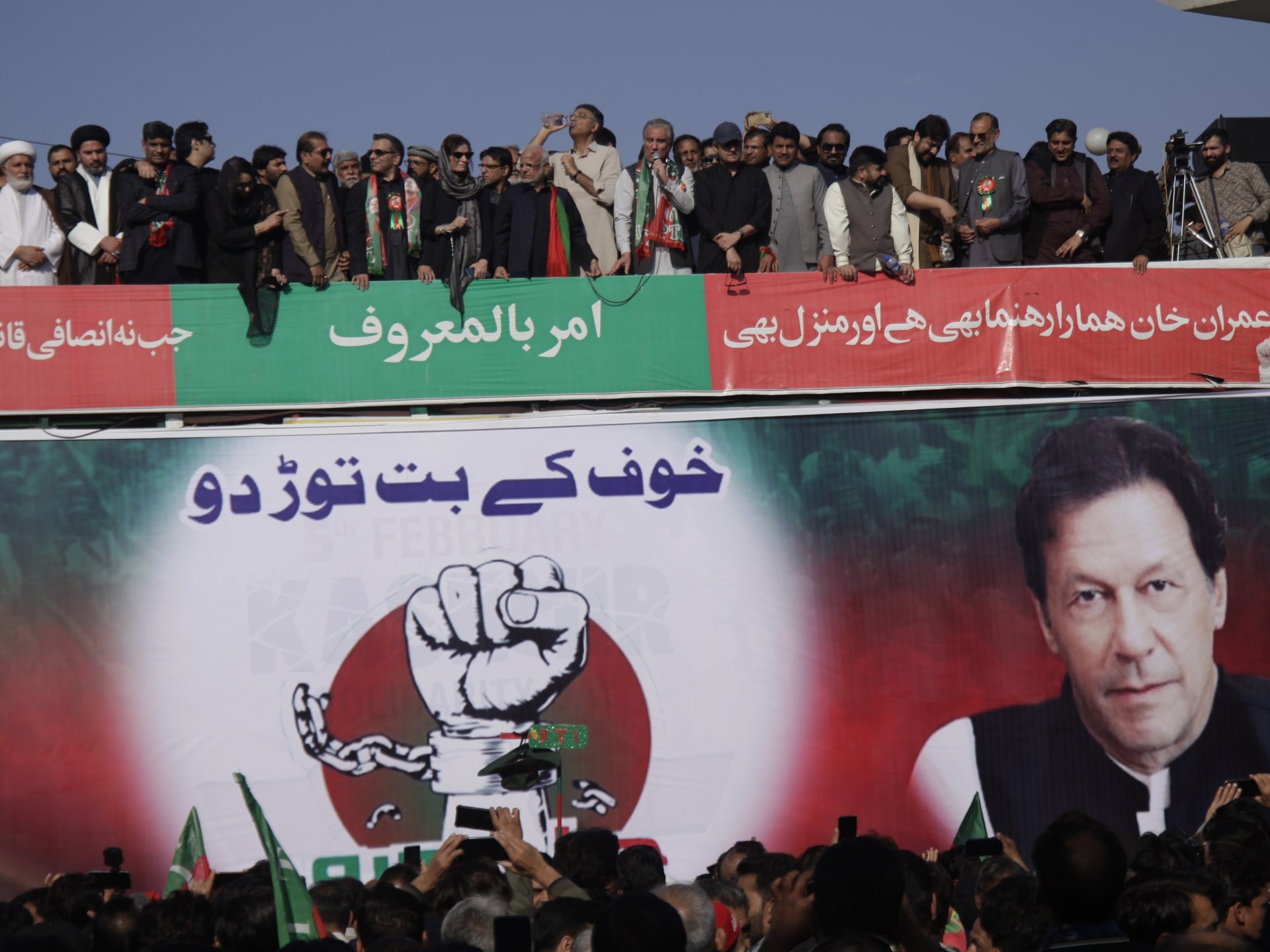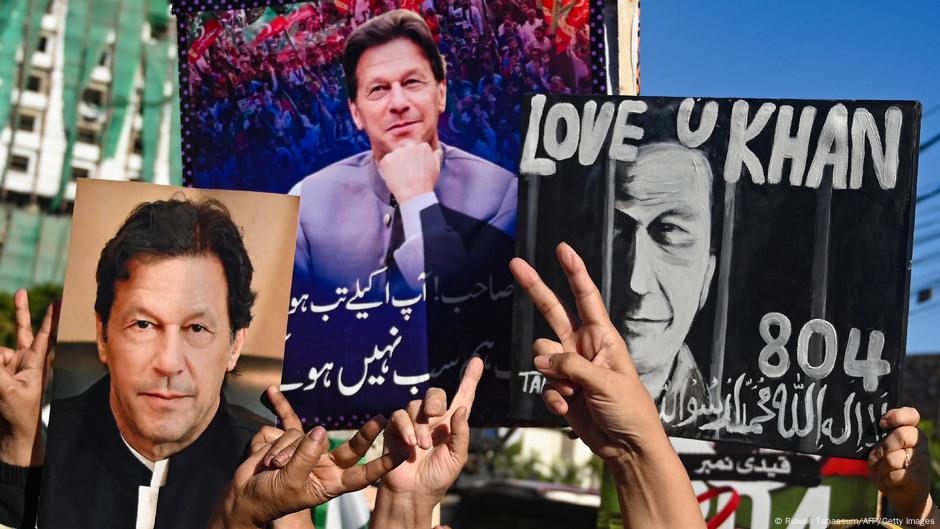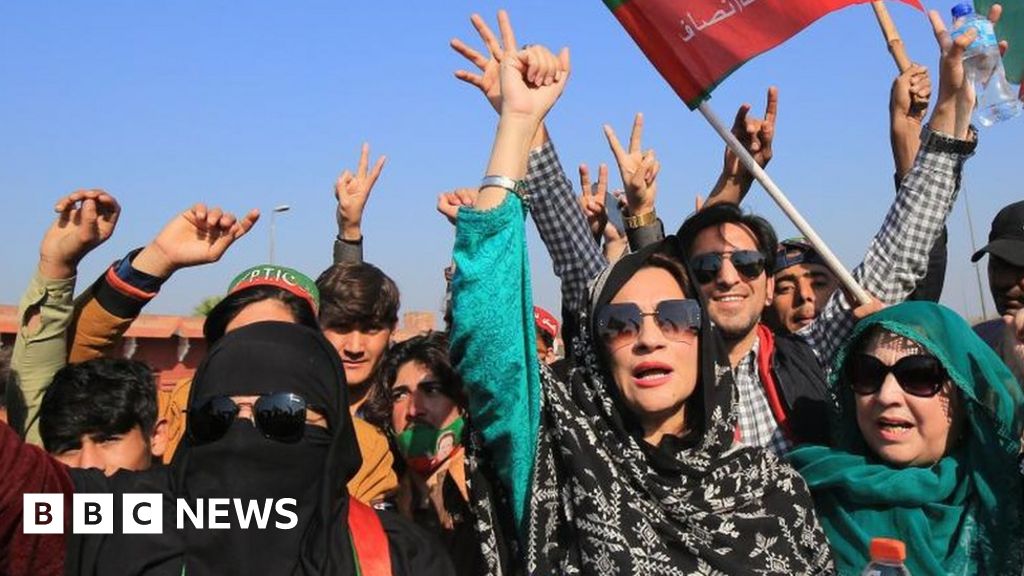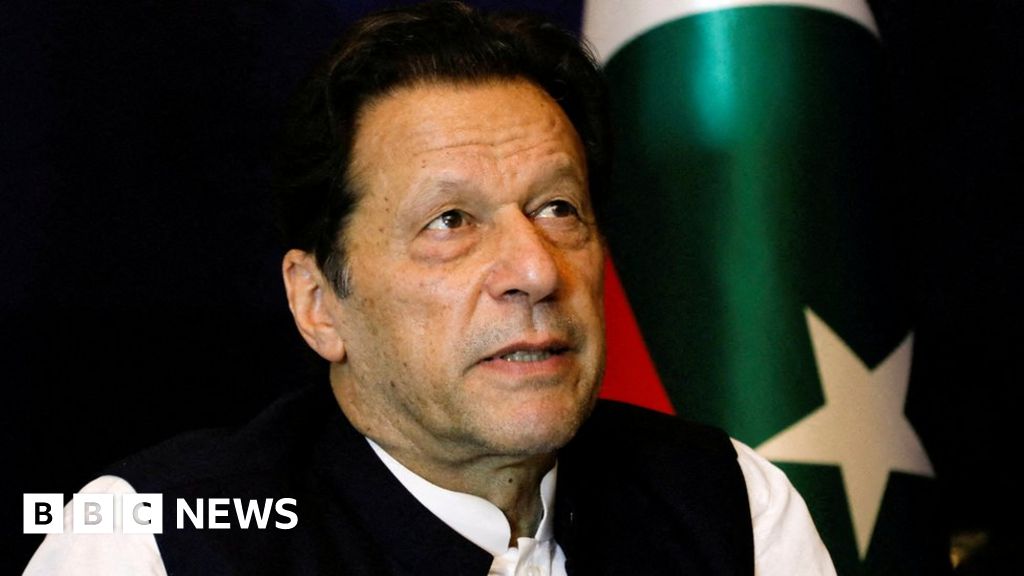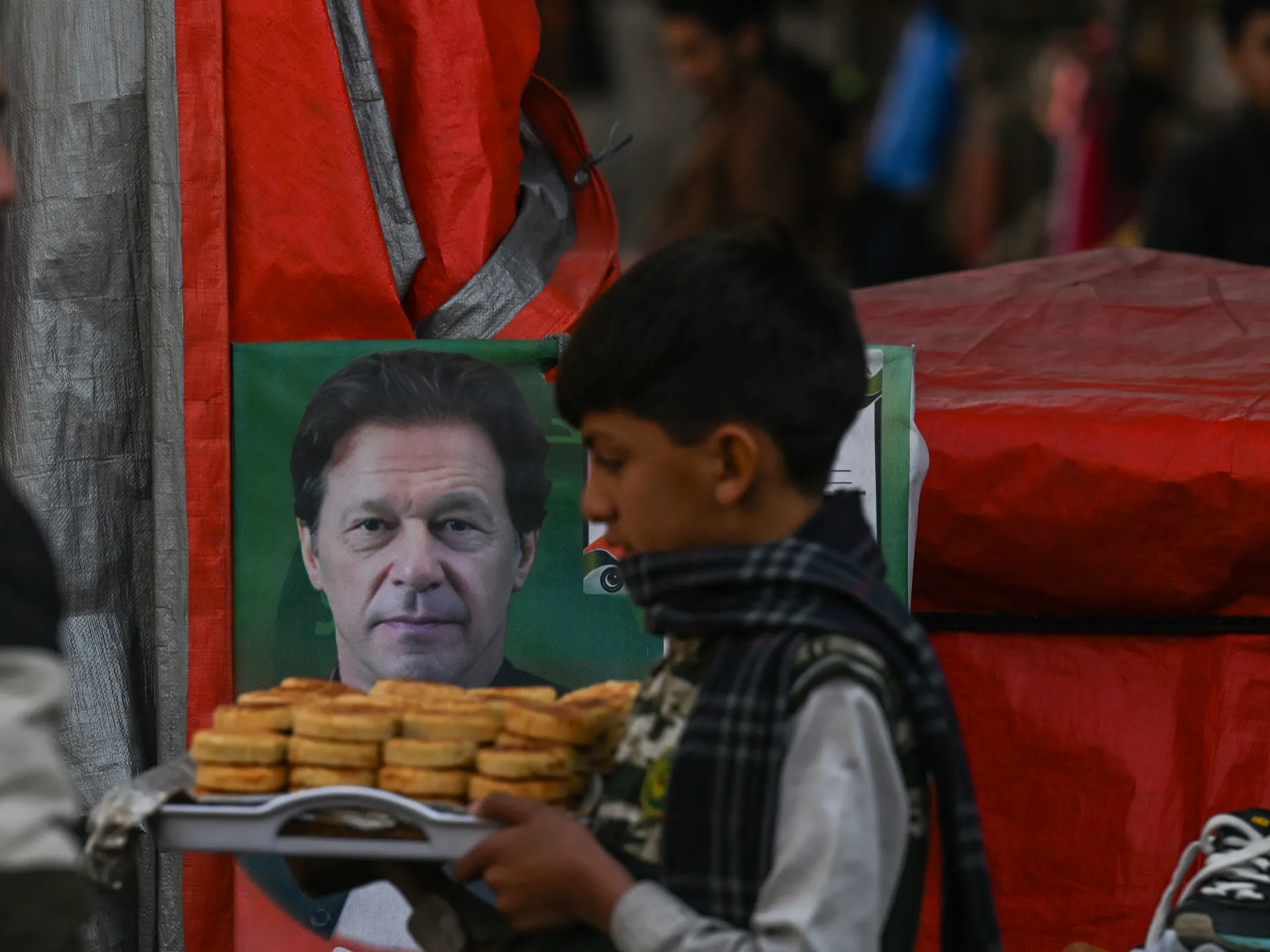
Opposition supporters in Pakistan have temporarily halted protests demanding the release of former Prime Minister Imran Khan after a police crackdown in Islamabad resulted in at least six deaths. The protests, led by Khan's party PTI, were dispersed by authorities using tear gas, and over 500 supporters were reportedly arrested. The PTI claims several of their members were killed and have called for an investigation. Despite Khan's imprisonment, he remains a significant political figure, with his party emerging as the largest bloc in recent elections, though they were unable to form a government.
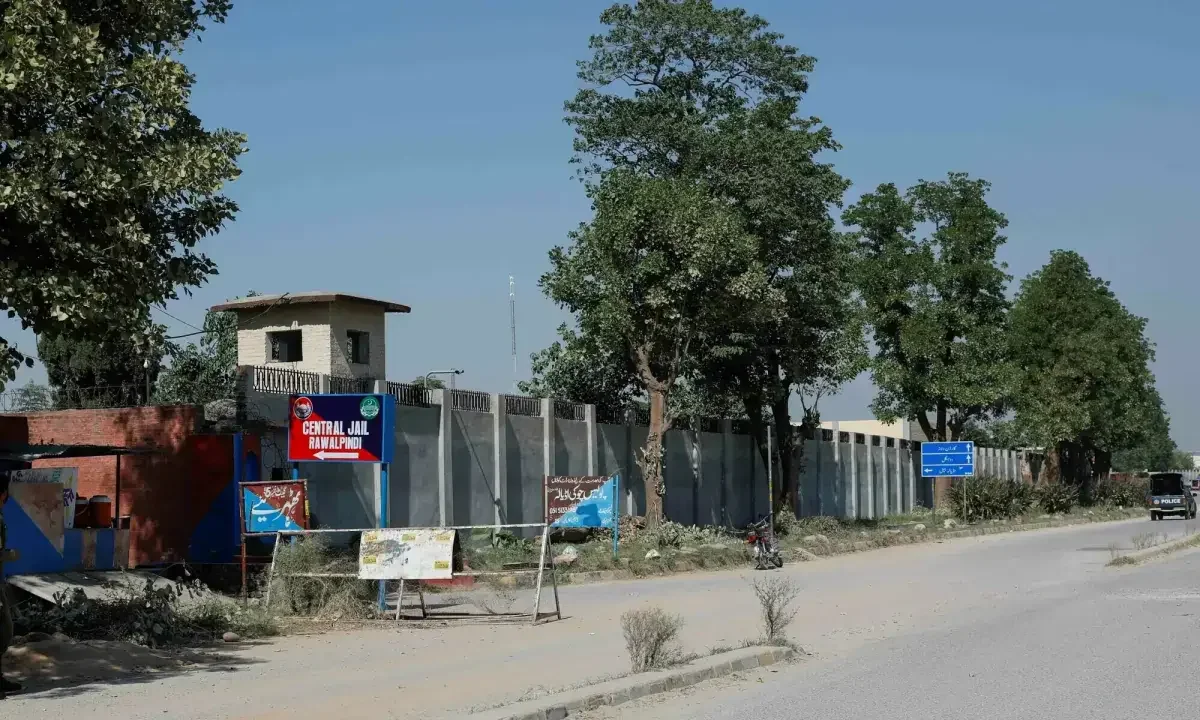
Supporters of former Pakistani Prime Minister Imran Khan clashed with police in Islamabad, breaching lockdown measures to demand his release from jail. The protests turned violent, with police using tear gas and rubber bullets, resulting in several injuries and deaths. The government threatened to use live ammunition if protesters fired weapons. Khan, facing over 150 criminal cases, has been imprisoned since August 2023. Authorities have arrested thousands of his supporters and restricted internet services to curb the unrest.
Thousands of supporters of former Pakistani Prime Minister Imran Khan have been arrested as protests erupted in Islamabad demanding his release and the resignation of the current government, which they accuse of election rigging. The government has imposed a security lockdown, suspended mobile services, and blocked highways to prevent demonstrators from reaching the capital. Despite legal bans on gatherings, Khan's supporters continue to rally, with tensions reminiscent of previous violent protests. Khan, facing numerous criminal charges, remains a significant political figure despite his imprisonment.
The Pakistani coalition government, led by Prime Minister Shehbaz Sharif, is seeking to ban Imran Khan's popular PTI party, citing various allegations against Khan. Analysts warn that this move could backfire, leading to political violence, instability, and a constitutional crisis, while potentially increasing PTI's popularity among voters.
Pakistan's government is seeking to ban the party of former Prime Minister Imran Khan, citing violence and foreign funding allegations. This follows a Supreme Court ruling that made PTI the largest party in parliament. The move has been criticized as unconstitutional and a blow to democratic norms, with claims it reflects government panic and frustration.
The Pakistani government has announced plans to ban the Pakistan Tehreek-e-Insaf (PTI) party, led by jailed former Prime Minister Imran Khan, citing allegations of antistate activities including incitement of violent protests and leaking classified information. The case will be brought to the Supreme Court.
Pakistan's government plans to ban the political party of jailed former Prime Minister Imran Khan, citing allegations of leaking state secrets and inciting riots. The move is expected to increase political instability and may be overturned by the Supreme Court. Khan, who claims the charges are politically motivated, remains in jail despite a recent court order for his release in a separate case.
Imran Khan's PTI party and its allies have secured the most seats in Pakistan's elections, but with no party winning a majority, and allegations of vote tampering, the country's political future is uncertain. The release of final results has led to protests and calls for stability, with the military standing ready to intervene if parties fail to form a coalition government. The PTI and other parties have alleged rigged results, and the formation of the next government may face delays. Analysts suggest a coalition government involving various parties, while the election results reflect a population desperate for change amidst economic crisis.
Final results of Pakistan's general election show independent candidates backed by Imran Khan's PTI party leading with 101 seats in the National Assembly, ahead of Nawaz Sharif's PMLN with 75 seats. Both parties are vying to form the next government amidst allegations of vote-rigging. The unexpected outcome has led to political instability, with concerns about a weak and unstable coalition government. Additionally, PTI-backed candidates have lodged legal challenges alleging election result alterations, while experts warn of a prolonged period of political instability in Pakistan.
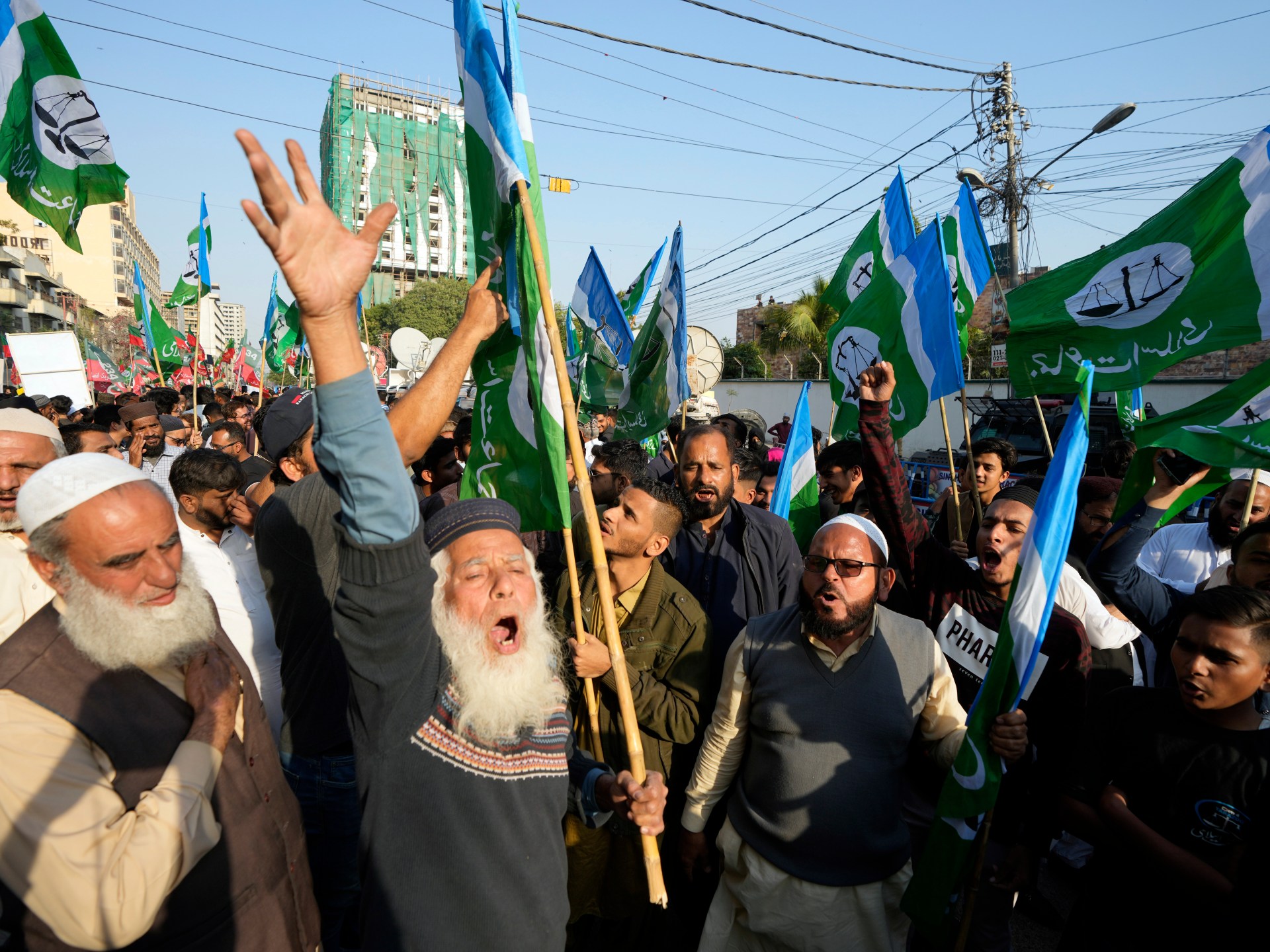
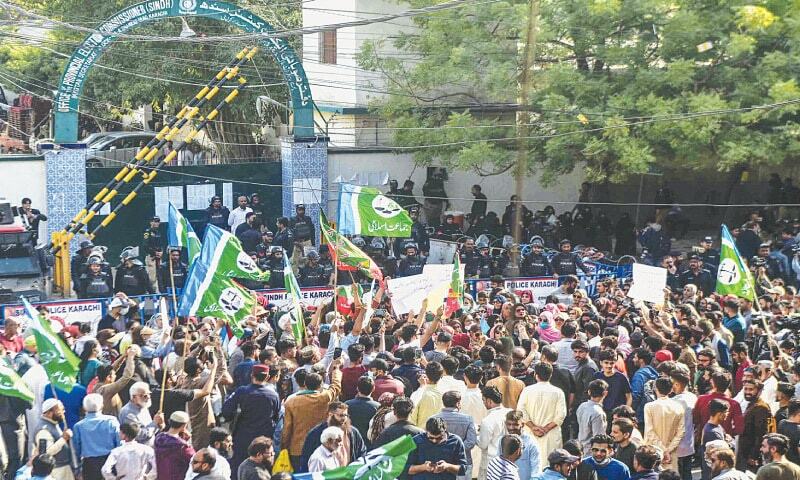
Pakistan Tehreek-i-Insaf (PTI) workers held protests across the country against alleged election rigging, facing teargas and baton charges in Khyber Pakhtunkhwa, Karachi, and Punjab. PTI leadership called for peaceful protests and announced intraparty elections, while also accusing the delay and tampering of election results. In Karachi, PTI, Tehreek-i-Labbaik Pakistan (TLP), and Jamaat-i-Islami (JI) held a joint sit-in, criticizing the Election Commission and caretaker administration. Additionally, the JUI-F announced a protest campaign, and PTI workers in Peshawar and Punjab protested against alleged election manipulation, facing police action and arrests.
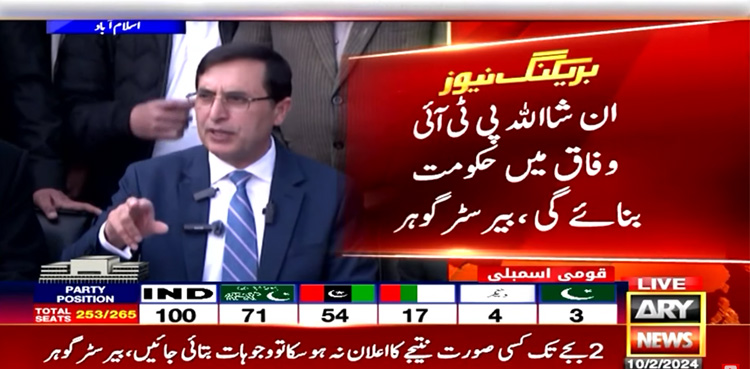
PTI leader Barrister Gohar Ali Khan announced that PTI-backed independent candidates have won 170 NA seats, ensuring PTI's government formation in center, Punjab, and Khyber Pakhtunkhwa. He urged respect for the voters' mandate and demanded complete election results from the ECP. Former NA speaker Asad Qaiser also emphasized PTI's strength in KP, Punjab, and at the federal level, hinting at potential negotiations with minor political entities for collaborative governance.
Despite facing obstacles such as the disqualification and imprisonment of its founder, Imran Khan's PTI party has demonstrated its solid and committed support base in the Pakistan elections, with independent candidates aligned with the party winning the largest number of seats. The PML-N, led by Nawaz Sharif, currently claims to be the largest party, while the PPP, led by Bilawal Bhutto Zardari, is in third place. The election results may change as candidates challenge the results, and PTI will need to come up with a solution soon as independents must join a political party within three days of being officially declared. The outcome also raises questions about Pakistan's relationship with its powerful military and the intricate power dynamics at play in the country.
Candidates linked to Imran Khan's PTI party are leading in Pakistan's election, with PTI-backed independents winning 99 seats so far in the National Assembly. Former Prime Minister Nawaz Sharif's PMLN party is trailing behind, and he is seeking to form a coalition government. The election has been marred by violence, accusations of political engineering, and delays in the vote count, prompting protests and calls for investigation from international observers.
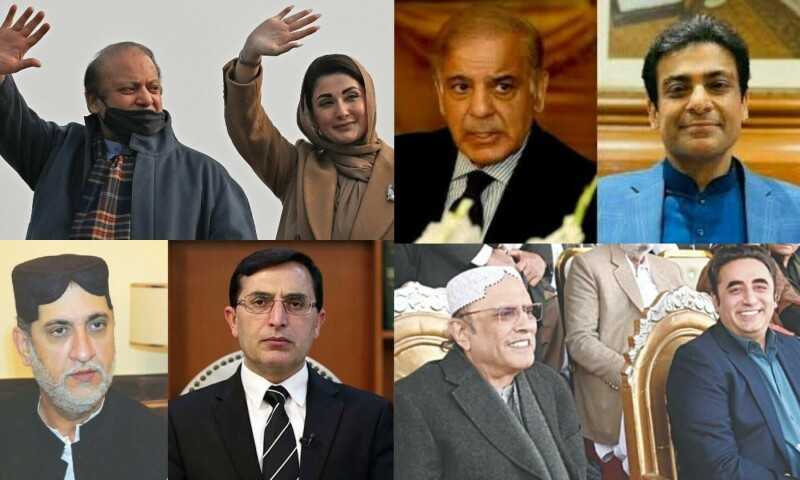
The 2024 elections in Pakistan have seen high-profile politicians from PML-N, PTI, and PPP vying for seats in the National Assembly. Notable wins include Maryam Nawaz and Shehbaz Sharif in Lahore, while former Prime Minister Nawaz Sharif lost in Mansehra but won in Lahore. Other key players such as Asad Qaiser, Bilawal Bhutto-Zardari, and Asif Ali Zardari also secured victories, while some prominent figures like Jahangir Khan Tareen and Chaudhry Nisar Ali Khan faced defeats. The election results are still unfolding, with the formation of the government yet to be determined.
Allies of jailed former prime minister Imran Khan, whose party was subject to a crackdown and barred from holding rallies, have taken a half-way lead in Pakistan's election, with PTI loyalists winning around 49 seats in the 266-member national assembly. The slow counting process also showed 42 seats for the Pakistan Muslim League-Nawaz (PML-N) and 34 for the Pakistan Peoples Party (PPP). The election was marred by violence, with 61 attacks nationwide and at least 16 people killed. Allegations of poll rigging and a mobile phone network shutdown on voting day have overshadowed the election, with PTI supporters expressing concerns about potential tampering with the results.