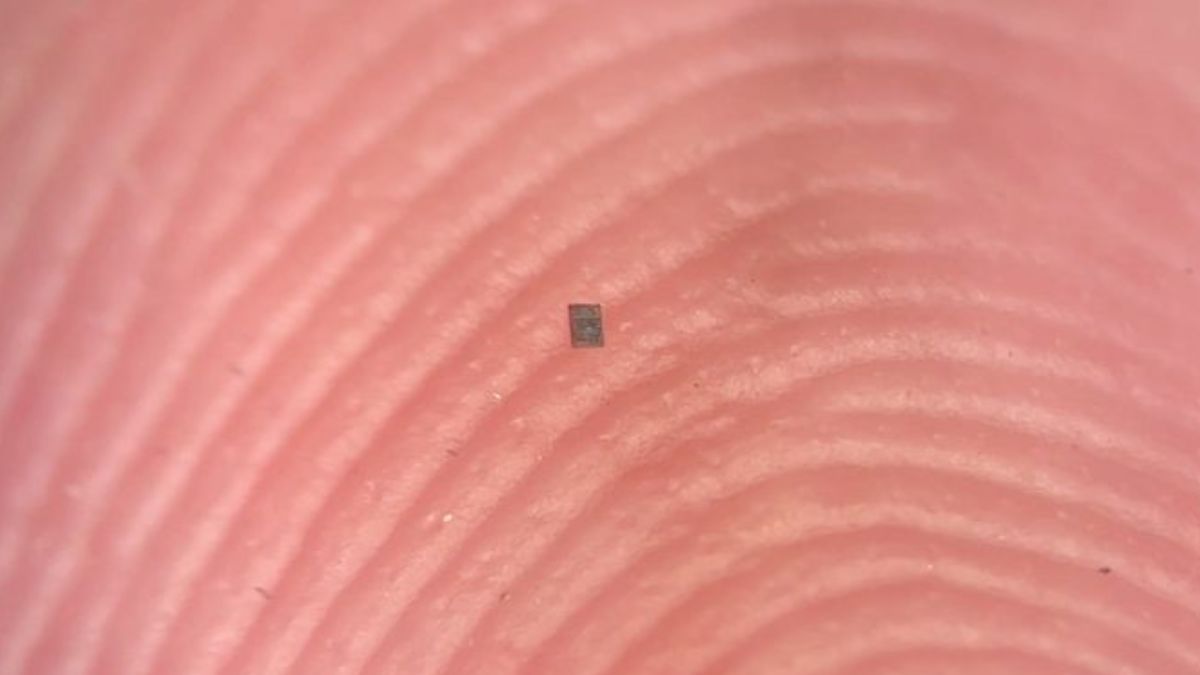
Researchers have developed the world's smallest programmable robot, measuring just 200 by 300 micrometers, capable of sensing, thinking, and acting autonomously in fluid environments, with potential applications in medicine and microscale robotics.
Harvard scientists have developed a groundbreaking programmable metafluid, using a suspension of small elastomer spheres that can change its properties, including viscosity and optical transparency, in response to pressure. This versatile metafluid has potential applications in robotics, optical devices, and energy dissipation, showcasing a significant breakthrough in metamaterial technology. The research, published in Nature, demonstrates the fluid's ability to transition between Newtonian and non-Newtonian states, and the team aims to explore its acoustic and thermodynamic properties next.