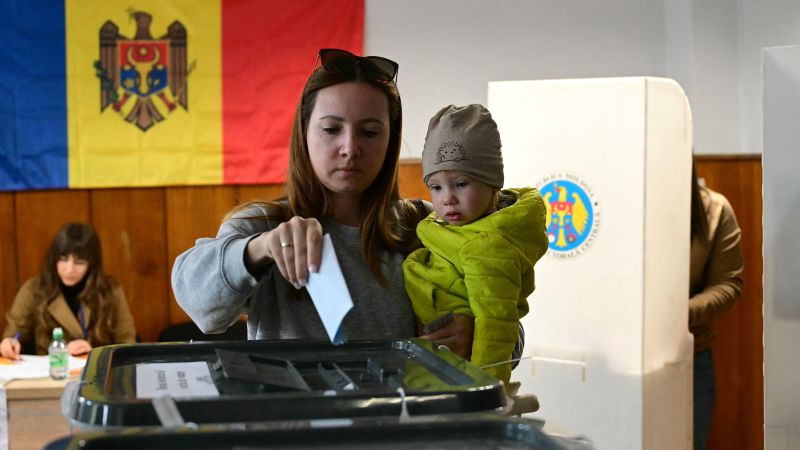
Moldova's tense parliamentary election, marked by claims of Russian interference, pits pro-Western parties against Russia-friendly opponents, with the outcome potentially shaping the country's future alignment with the EU or Moscow amid geopolitical tensions and external threats.
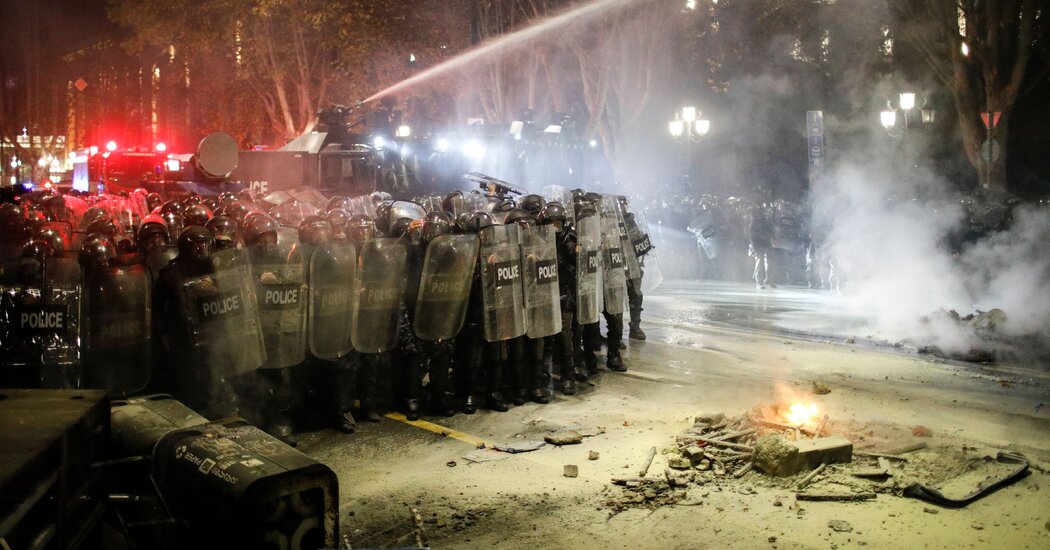
Protests have erupted in Georgia as the country appears to be retreating from its pro-Western trajectory, sparking public outcry and demonstrations. The shift in policy has raised concerns among citizens who favor closer ties with Western nations, leading to widespread unrest.
Moldovan lawmakers have passed a bill to replace references to the country's official national language from Moldovan to Romanian in the Constitution and in legislation. The bill was initiated by Moldova's ruling pro-Western Party of Action and Solidarity, PAS, and has sparked a debate with social, political, and geopolitical overtones. While those in favor of the official linguistic changes see them as an important step for the European Union candidate to distance itself from its Soviet past and historic ties to Moscow, others see it as an attack on the national Moldovan identity by pro-Western officials. The opposition parties may challenge the outcome at the country's Constitutional Court.