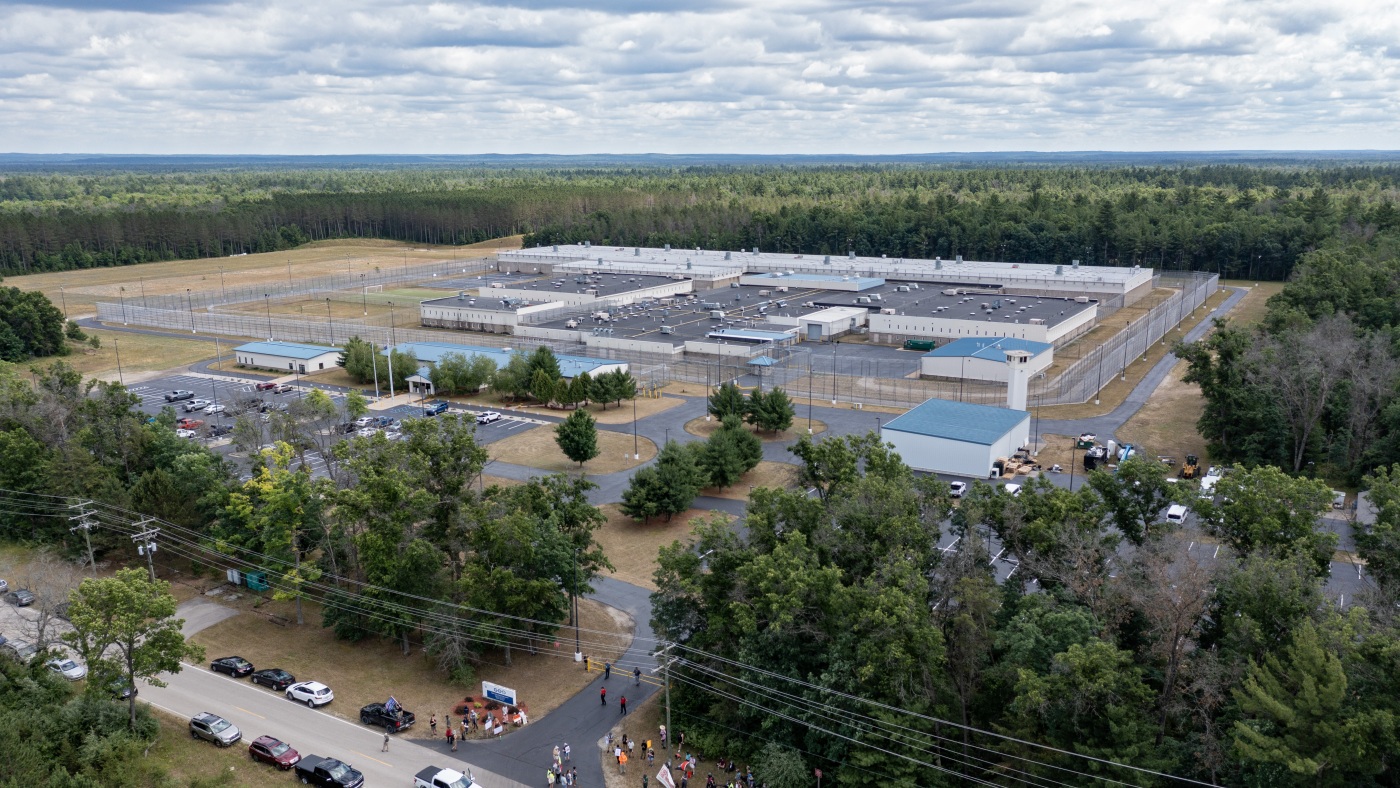
The Trump administration has accelerated the reopening of shuttered prisons, many with troubled pasts, to detain over 65,000 immigrants, raising concerns about poor conditions and oversight, especially as private prison companies profit from these facilities.
President Trump's budget bill significantly increases funding for immigration detention, expanding capacity and benefiting private prison companies, while raising concerns about oversight, detainee conditions, and the justification for such policies.
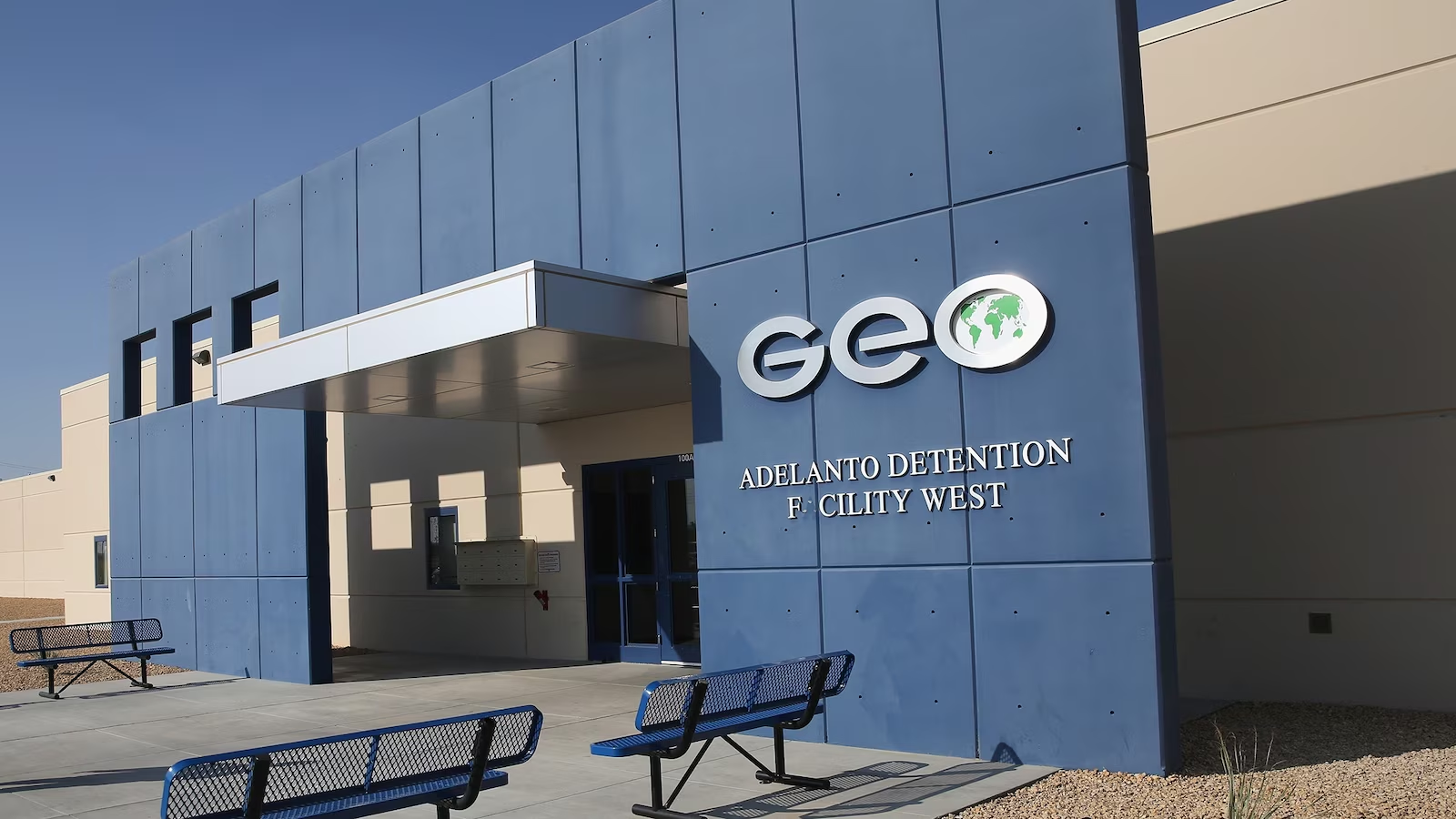
The private prison industry is poised to benefit from Donald Trump's immigration policies, which include mass deportations of undocumented immigrants. Companies like Geo Group and CoreCivic anticipate increased demand for detention facilities, as ICE has historically relied on private firms for housing detainees. This potential growth in the industry has sparked criticism from Democrats and advocacy groups, who argue that private prisons prioritize profit over humane treatment. Despite opposition, industry leaders are preparing to expand their capacity to meet expected needs under Trump's administration.
The incoming Trump administration is planning to significantly expand immigrant detention centers near major U.S. cities as part of a mass deportation strategy. This involves doubling the current number of ICE detention beds and potentially reopening or building new facilities, including family detention centers. The plan targets areas with large migrant populations, regardless of local sanctuary policies. Private prison companies like GEO Group and CoreCivic are poised to benefit, with their stock prices already rising in anticipation of increased demand for detention services.
The Trump administration's tough stance on illegal immigration could benefit private prison companies like CoreCivic and Geo Group, which contract with ICE to detain undocumented migrants. Following Trump's election win, both companies saw a surge in stock prices, anticipating increased demand for detention facilities. During Trump's first term, immigration detention reached record levels, with private prisons housing 81% of ICE detainees by January 2020. The companies are preparing for potential expansion, contingent on congressional funding, as Trump plans a significant deportation operation.
Following Donald Trump's election win, stocks for private prison companies like CoreCivic and Geo Group surged as investors anticipate increased profits from a crackdown on immigration. Trump's policies are expected to expand detention centers for undocumented migrants, benefiting these companies. Elon Musk has been influential in pushing immigration issues to the forefront of Trump's agenda, warning of Democrats' strategies to gain votes through immigration. The market expects a significant rise in ICE-related profits, despite potential challenges in cooperation from cities and states.
Florida Governor Ron DeSantis signed a bill that bans state and local governments from considering environmental, social, or governance (ESG) factors in their investment decisions. The bill also obligates state-registered banks to make loans to industries such as fossil fuels, private prisons, and firearms manufacturing. Financial experts believe the bill is a political stunt with little practical impact. DeSantis has sought to crackdown on ESG investing and published a book on the movement against "woke capital" in February. The bill could chase the nation's first sustainability bank out of the state.