Tag

Pricing Transparency

All articles tagged with #pricing transparency

FCC Mandates Transparent Pricing for Cable TV Services

Originally Published 1 year ago — by USA TODAY

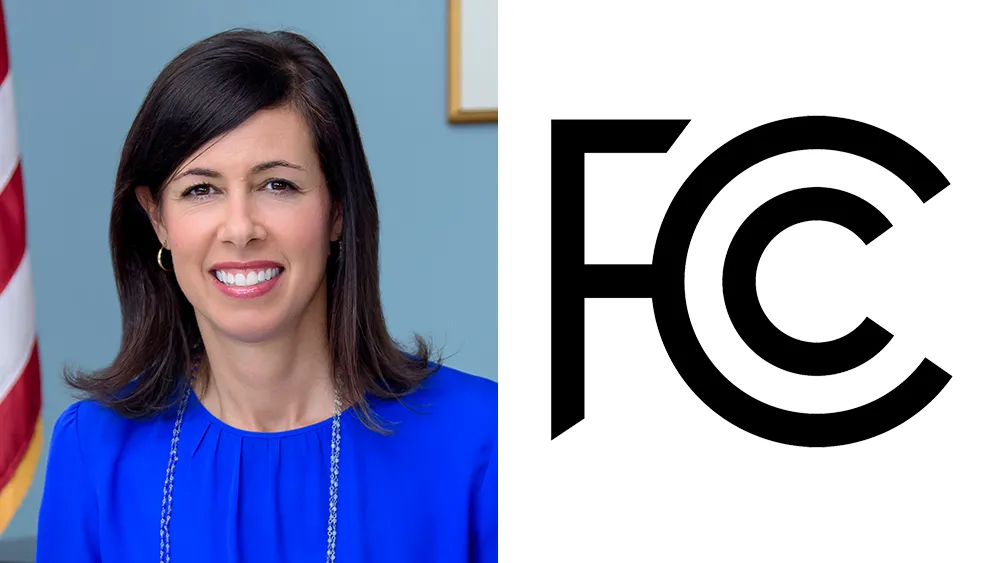
Featured image for FCC Mandates Transparent Pricing for Cable TV Services
Source: USA TODAY

The FCC has mandated that cable and satellite-TV providers must clearly display the total costs for video subscriptions, including all fees, in an effort to improve pricing transparency and help consumers make informed choices. This move aims to combat hidden fees and make it easier for users to compare costs with streaming services. The FCC also plans to introduce "Broadband Consumer Labels" for internet services and end company early termination fees, while the NCTA has expressed concerns about the practicality of disclosing post-promotional rates.

FCC Mandates Transparent Pricing for Cable and Satellite TV Plans

Originally Published 1 year ago — by Deadline

Featured image for FCC Mandates Transparent Pricing for Cable and Satellite TV Plans
Source: Deadline

The FCC has passed new rules requiring cable and satellite providers to clearly disclose the "all in" price of subscriptions in promotional materials, aiming to eliminate hidden fees and make it easier for consumers to compare services. The rules, passed 3-2, have faced opposition from industry representatives who argue that it will lead to cluttered ads or omitted pricing information. FCC Chairwoman Jessica Rosenworcel has also proposed measures to address "junk fees" and eliminate early termination fees, while the White House has focused on limiting surcharges and late fees in various industries.

"Understanding New York's Latest Credit Card Surcharge Law"

Originally Published 1 year ago — by New York Post

Featured image for "Understanding New York's Latest Credit Card Surcharge Law"
Source: New York Post

New York's new law requires businesses to disclose any additional credit card surcharges before customers check out, aiming to provide pricing transparency and protect consumers from surprise fees. The law also prohibits businesses from charging customers more in credit card surcharges than what the business is charged by processing companies. Businesses must clearly display the total cost of purchasing items with a credit card and cannot simply post a sign stating a percentage surcharge. The law aims to empower patrons to budget accordingly and build trust between businesses and communities, but it does not apply to debit cards.

"Understanding New York's Latest Credit Card Surcharge Law"

Originally Published 1 year ago — by New York Post

Featured image for "Understanding New York's Latest Credit Card Surcharge Law"
Source: New York Post

New York's new law requires businesses to disclose any additional credit card surcharges before customers check out, aiming to provide pricing transparency and protect consumers from surprise fees. The law also prohibits businesses from charging more in credit card surcharges than what they are charged by processing companies and requires clear disclosure of the additional percentage. Governor Kathy Hochul emphasized the importance of transparency in building trust between businesses and communities, while noting that the law does not apply to debit cards.

"FTC's Proposed Rule to Ban Junk Fees Aims to Save Consumers Billions"

Originally Published 2 years ago — by The Washington Post

Featured image for "FTC's Proposed Rule to Ban Junk Fees Aims to Save Consumers Billions"
Source: The Washington Post

The Federal Trade Commission (FTC) has proposed a rule to ban hidden and misleading fees, which cost consumers billions of dollars annually. These fees, known as junk fees, are often added to prices at the end of a purchase, making upfront prices appear artificially low. The proposed rule would require businesses to include all mandatory fees upfront, making it easier for consumers to compare prices. The ban would also cover "bogus fees" designed to deceive consumers. The Biden administration is pushing to eliminate such fees, and the Consumer Financial Protection Bureau has issued guidance to halt large banks from charging them.