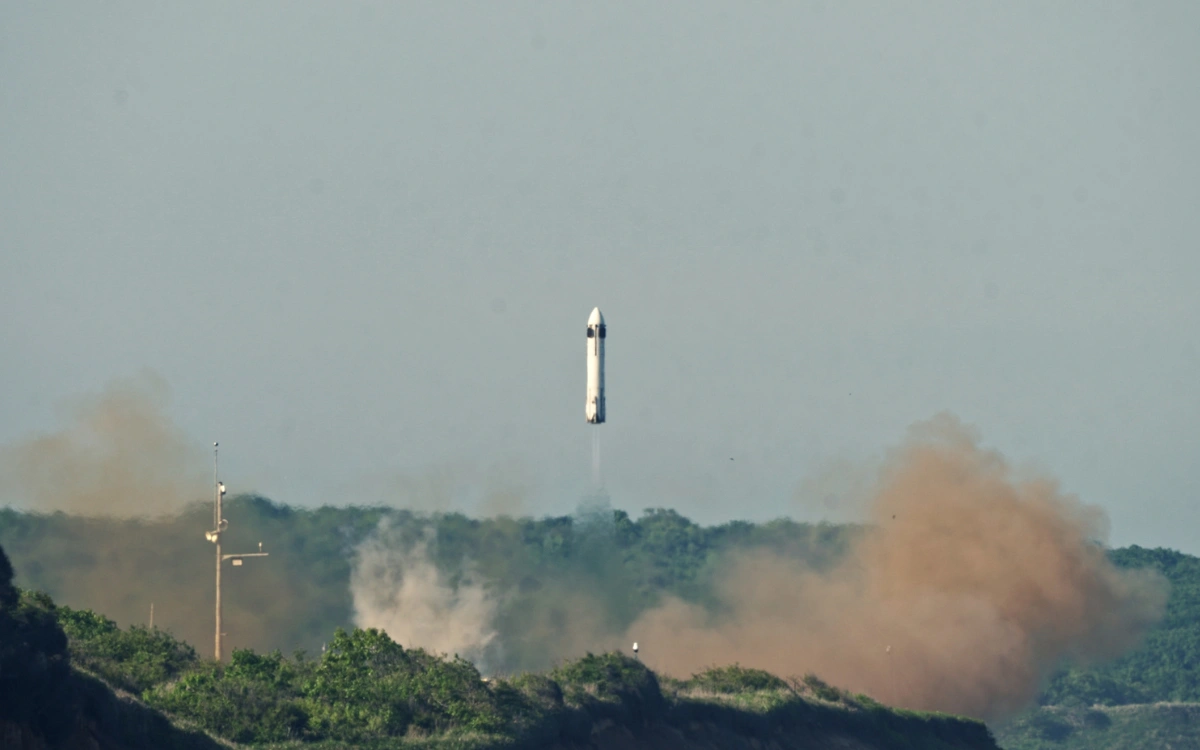
Honda, traditionally known for cars, successfully launched and precisely landed a reusable rocket in Japan on its first try, marking a significant step into space exploration with ambitions for suborbital flights by 2029 and collaborations on lunar power systems, showcasing its engineering prowess and innovative spirit.
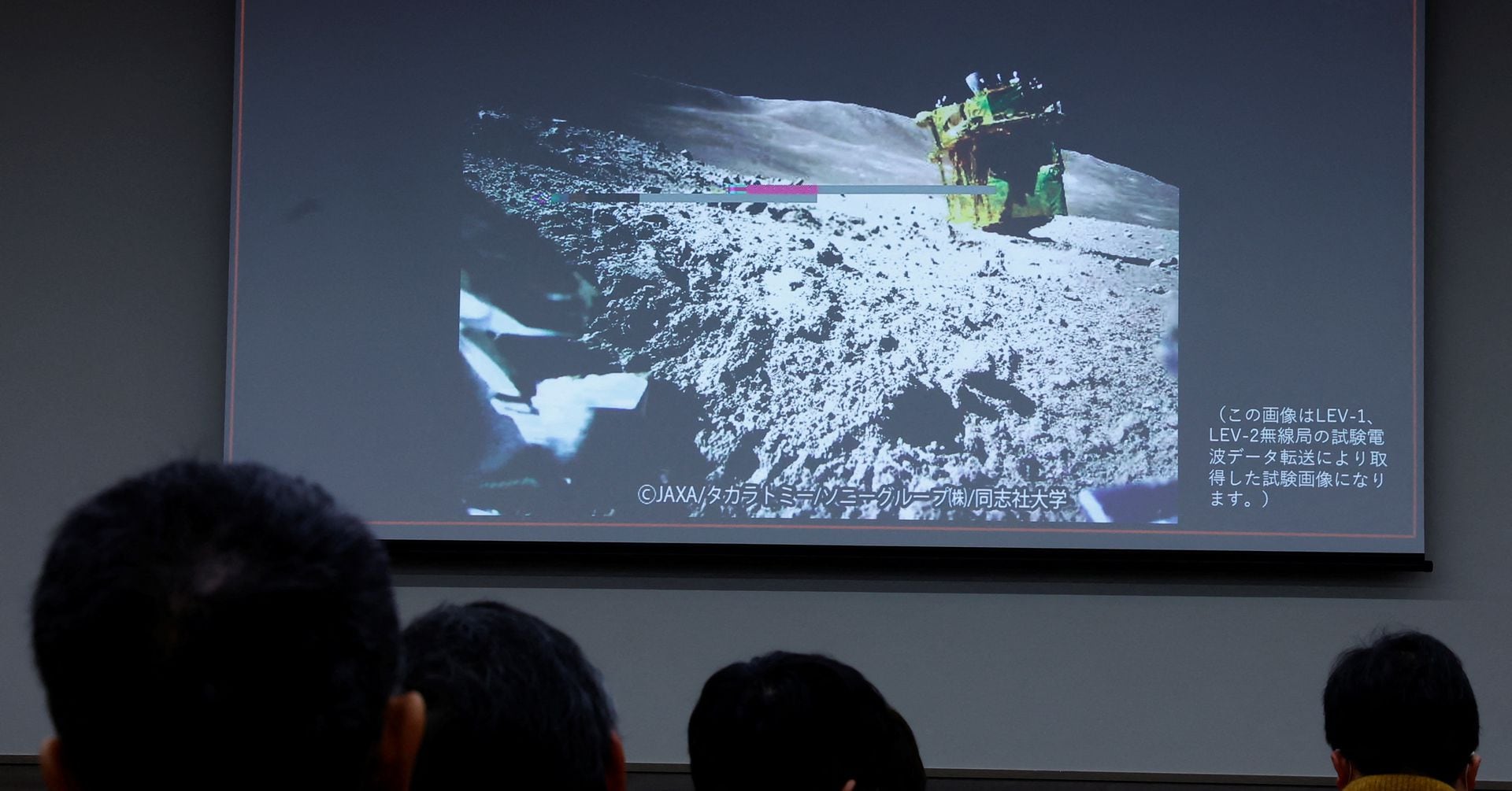
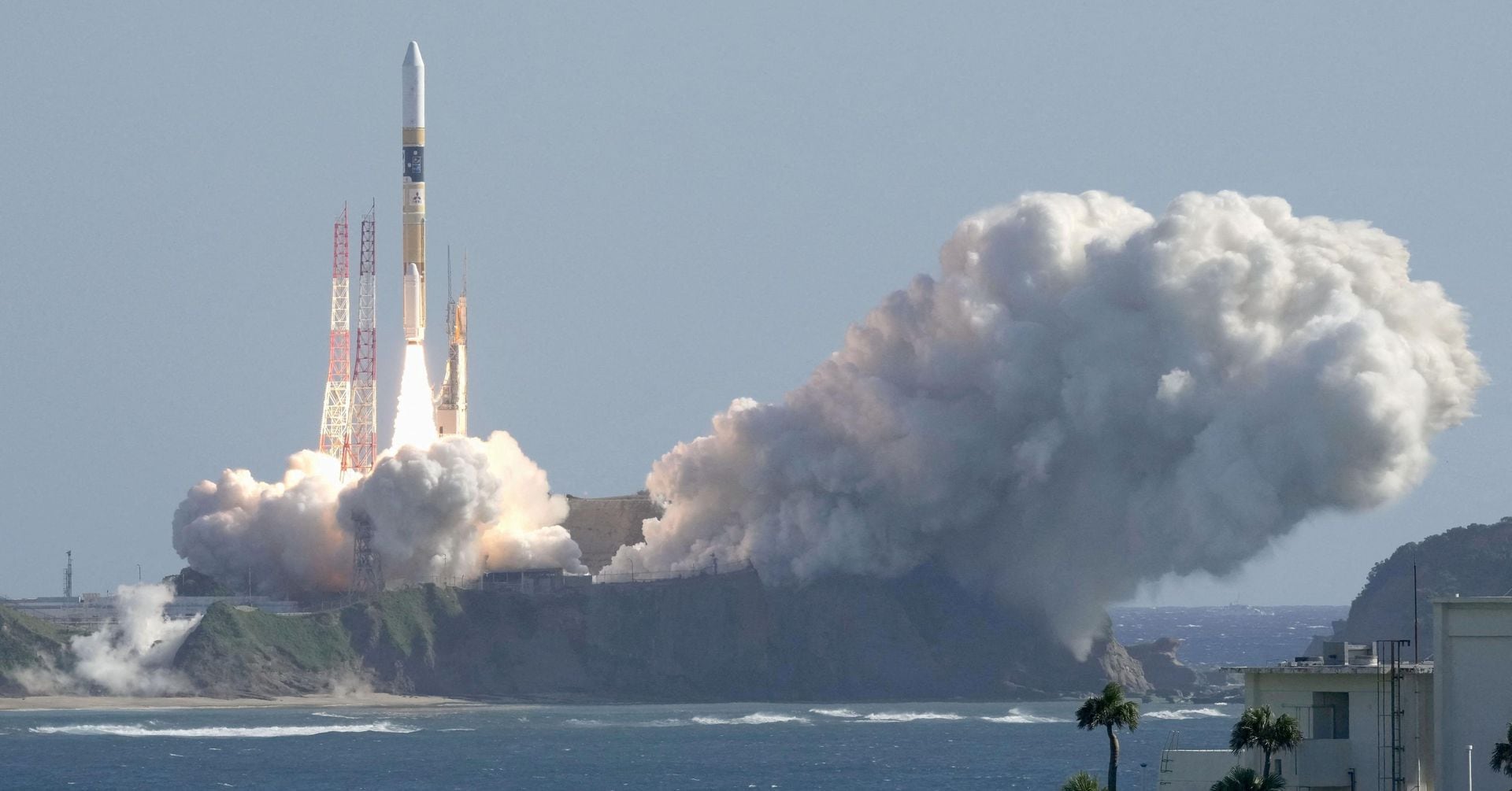
Japan's SLIM probe achieved a precise moon landing within a few meters of its target, marking the nation's fifth successful spacecraft landing on the moon. The Japan Aerospace Exploration Agency (JAXA) received data about the landing before the lander lost power, and hopes to revitalize its space program through partnerships with the United States. Despite recent setbacks, including a launch failure in March, Japan aims to send an astronaut to the moon in the next few years and continues to pursue lunar exploration projects.
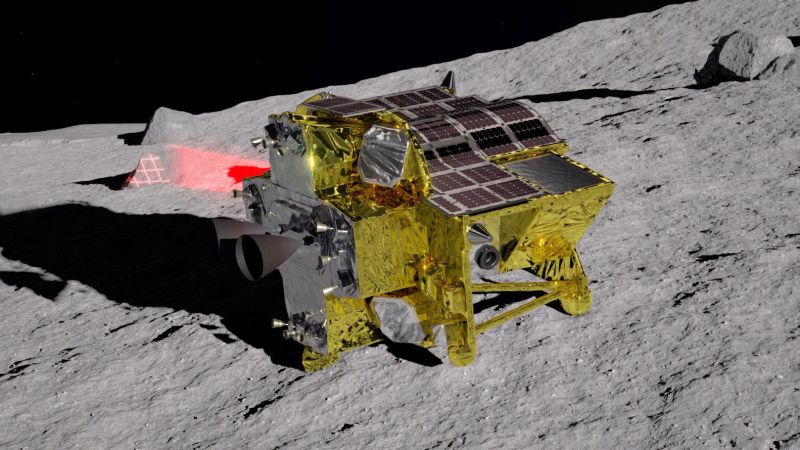
Japan's Smart Lander for Investigating Moon (SLIM), also known as the "Moon Sniper," is set to attempt a historic landing on the lunar surface, aiming to achieve a pinpoint landing at a specific location using precision technology. If successful, this will mark Japan's first robotic explorer on the moon and the third country to achieve such a feat in the 21st century. The mission, which will be live-streamed, aims to demonstrate technology that could enable future missions to land on planets with even scarcer resources than the moon. If successful, SLIM will study the lunar surface near the Sea of Tranquility, investigating the composition of rocks to uncover the moon's origins. This mission comes amid a renewed international push to explore the moon, with a focus on the lunar south pole and the potential for water ice deposits.
Japan's space agency, JAXA, is set to attempt a precision landing on the moon with its "moon sniper" probe, aiming to land within 100 meters of its target in a crucial mission to search for moon water and human habitability. This endeavor reflects Japan's ambition to play a larger role in space exploration, with plans to partner with the U.S. and India for future lunar missions. The success of this mission could position Japan as a key player in international space exploration efforts, despite previous setbacks and competition from other space powers.