World leaders, including the US and Egypt, convened in Sharm el-Sheikh to support a Gaza ceasefire, address postwar issues, and promote regional stability, with key parties like Israel and Hamas absent from the summit.
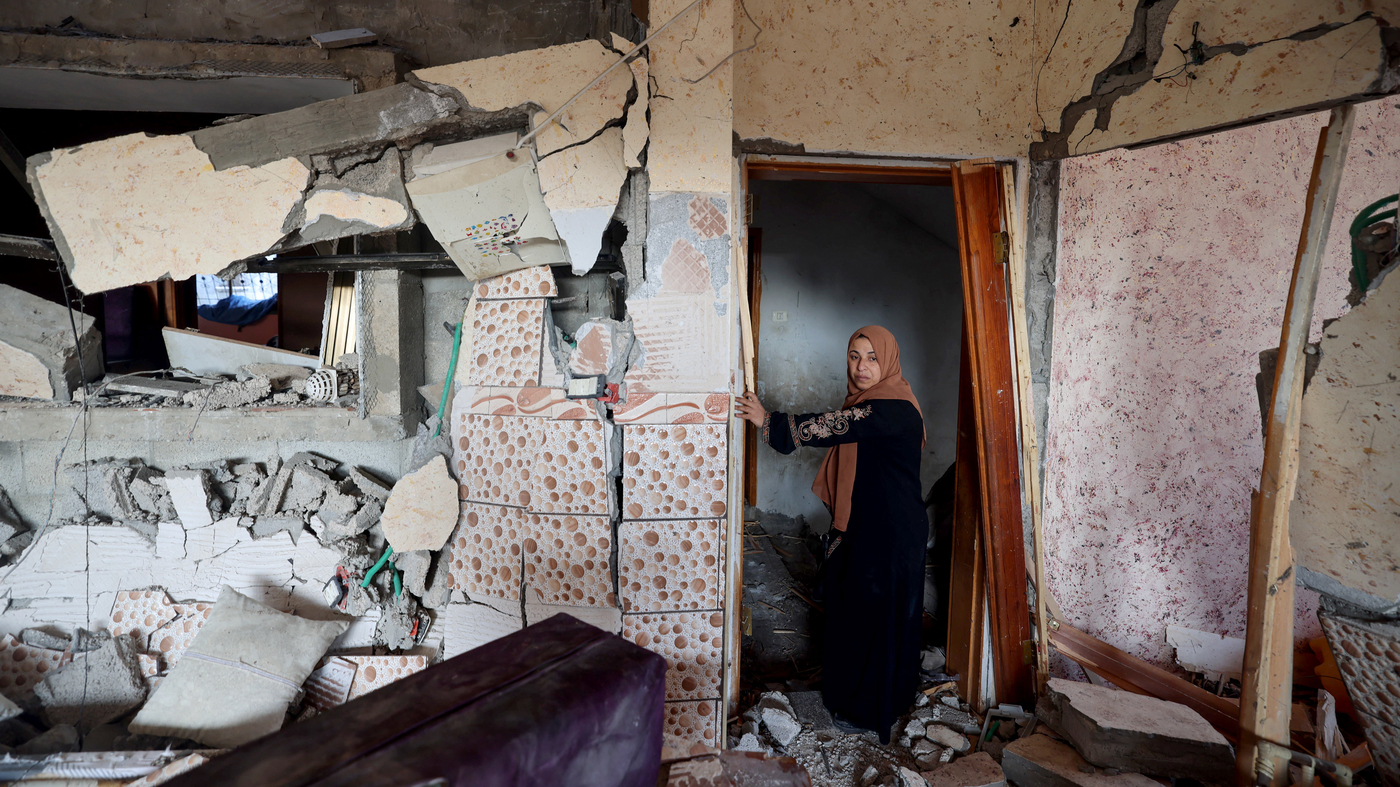
Israeli officials have proposed varying plans for the governance of Gaza following conflict with Hamas, with some advocating for Palestinian control and others suggesting "voluntary migration" of Palestinians and Israeli settlements. The U.S. has criticized extreme proposals from Israeli ministers, emphasizing that mass displacement is not acceptable. Discussions also focus on who will lead the reconstruction of Gaza, with potential funding from Gulf countries and oversight by a multinational task force. The complexity of postwar governance and reconstruction highlights the challenges ahead for the region.
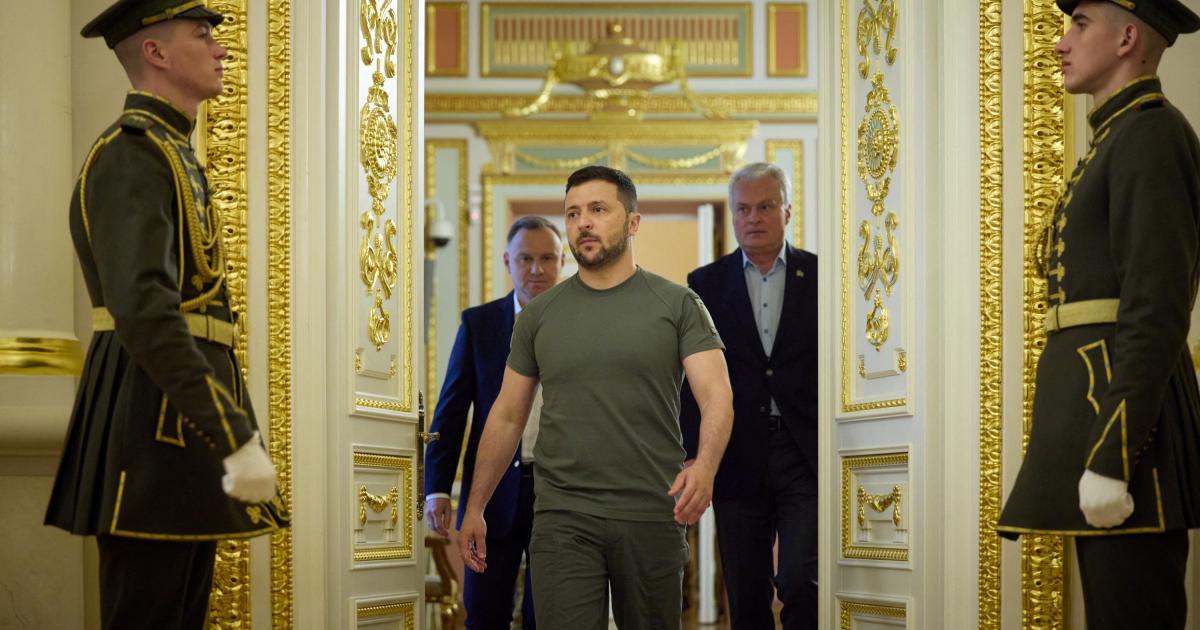
Ukrainian President Volodymyr Zelensky's leadership during the war with Russia has boosted his popularity and garnered support from the majority of Ukrainians. However, challenges lie ahead as Zelensky must rebuild Ukraine's cities, infrastructure, and democracy after the war. He needs to address the country's tendency towards corruption and patronage networks, foster an inclusive sense of patriotism, and respect the Ukrainian constitution. The war has also highlighted the importance of civic duty and attachment to the country, but there is a risk of exclusive ethnocultural nationalism gaining traction. Zelensky's ability to navigate these challenges will determine the future of Ukraine's democracy.