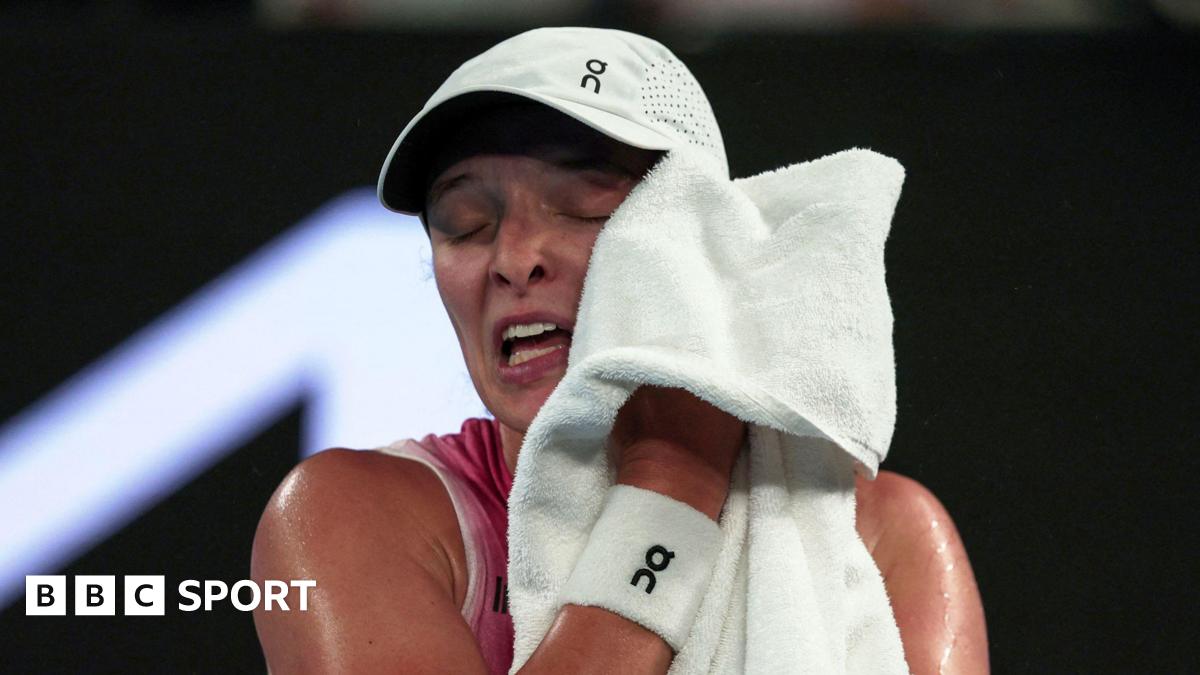
The article discusses the mental and physical toll of the demanding tennis schedule on players, highlighting concerns about long seasons, injuries, and fatigue, and explores potential reforms such as shortening the season, standardizing equipment, and adopting data-driven health strategies to make the sport more sustainable for athletes.
Napheesa Collier has criticized the WNBA for 'self-sabotage' and poor leadership, citing issues with officiating, accountability, and player welfare, following a playoff incident and ongoing league concerns.
The World Rugby CEO has dismissed Australia coach Joe Schmidt's complaints about a controversial decision in the second Test between the British and Irish Lions and Australia, emphasizing the complexity of officiating and ongoing efforts to prioritize player safety.
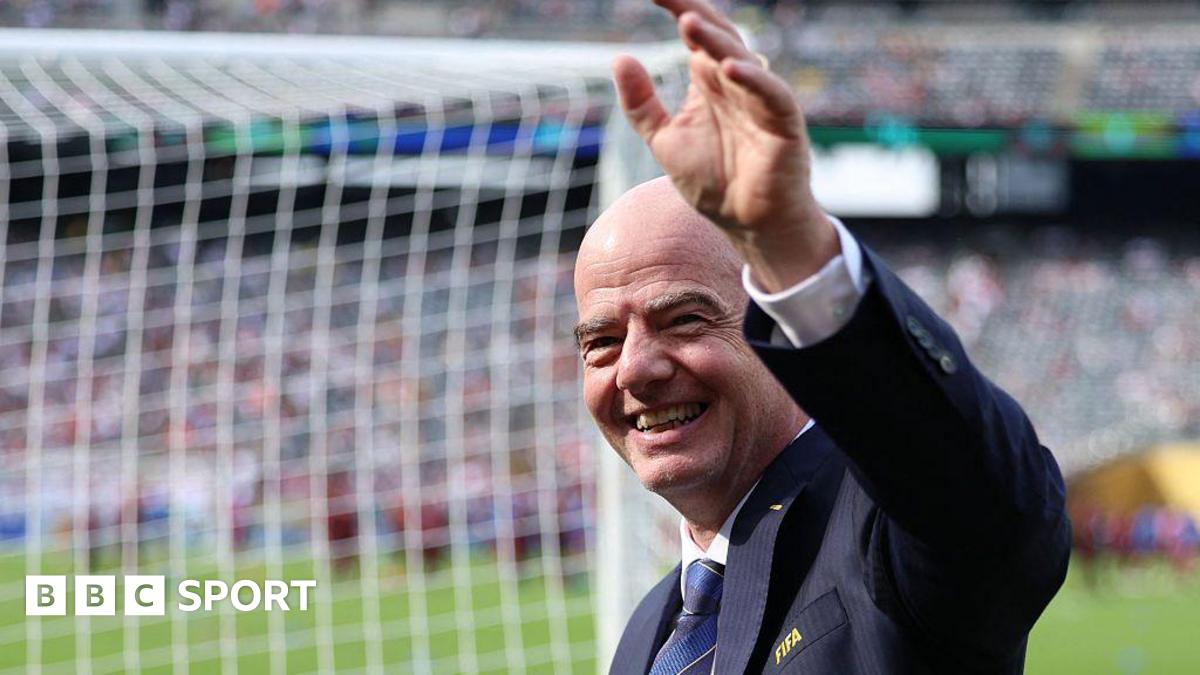
Fifpro was not invited to a key Fifa meeting on player welfare where agreements on minimum rest periods were made, leading to tensions and questions about the binding nature of these agreements, amid ongoing disputes over the football calendar and player workload.
FIFA's expansion of the Club World Cup aims to boost revenue and global reach but faces criticism for overextending players' schedules, lacking fan interest, and prioritizing profits over the sport's integrity and fan experience, raising concerns about the sustainability of such growth strategies.
Colts center Ryan Kelly expressed opposition to extending the NFL regular season to 18 games, citing the physical toll on players and the negative impact on those trying to establish themselves during the preseason. He emphasized that while fans may not value preseason games, they are crucial for undrafted and late-round players. Any move to 18 games would require negotiation and there is no current timeline for such discussions.
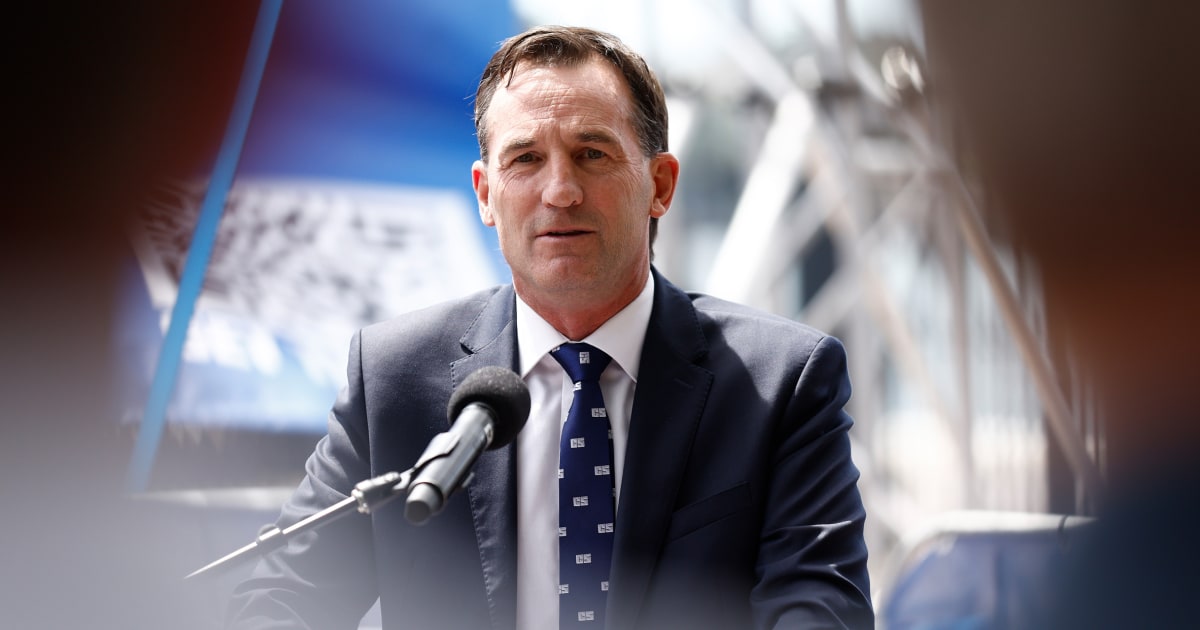
The Australian rules football governing body is under scrutiny for allowing players to undergo illicit drug screenings to avoid detection in game-related doping tests, with allegations of players faking injuries to skip games and tests. The AFL chief executive defended the practice, emphasizing player welfare and medical confidentiality, while stating that the testing results were not shared with anti-doping authorities. The league's illicit drugs policy, including a "three-strikes" approach, is under review with input from player unions.
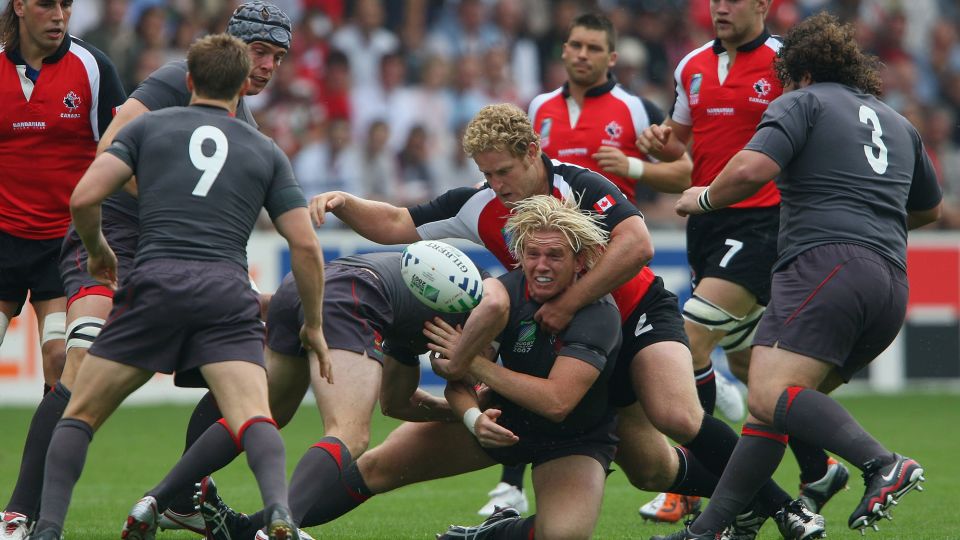
Former professional rugby players Alix Popham and Lenny Woodard, both in their 40s, have been diagnosed with early onset dementia and probable chronic traumatic encephalopathy (CTE), a neurodegenerative disease associated with repeated head trauma. They are among more than 450 current and former rugby players taking legal action against global governing body World Rugby and national governing bodies for negligence in protecting players from permanent injury caused by repetitive concussive and sub-concussive blows. Experts warn that head injury protocols in collision-based sports like rugby need to go beyond treating concussions, and studies have shown a high prevalence of CTE in former rugby players. The players are advocating for safer practices to protect current and future players, including children, from the long-term risks of head injuries in the sport.
Former professional rugby players Alix Popham and Lenny Woodard, who represented Wales in rugby, were diagnosed with early onset dementia and probable chronic traumatic encephalopathy (CTE) in their 40s, likely due to repeated head trauma from playing the sport. They are among more than 450 current and former rugby players suing global governing body World Rugby and national governing bodies for negligence in protecting players from permanent injury caused by concussions. Experts warn that head injury protocols in collision-based sports like rugby may not adequately address the risks of repeated head trauma, and studies have shown a high prevalence of CTE in former rugby players. The lawsuit comes a decade after the NFL reached a settlement over similar issues, and experts emphasize the need to prioritize player welfare and safety in sports.
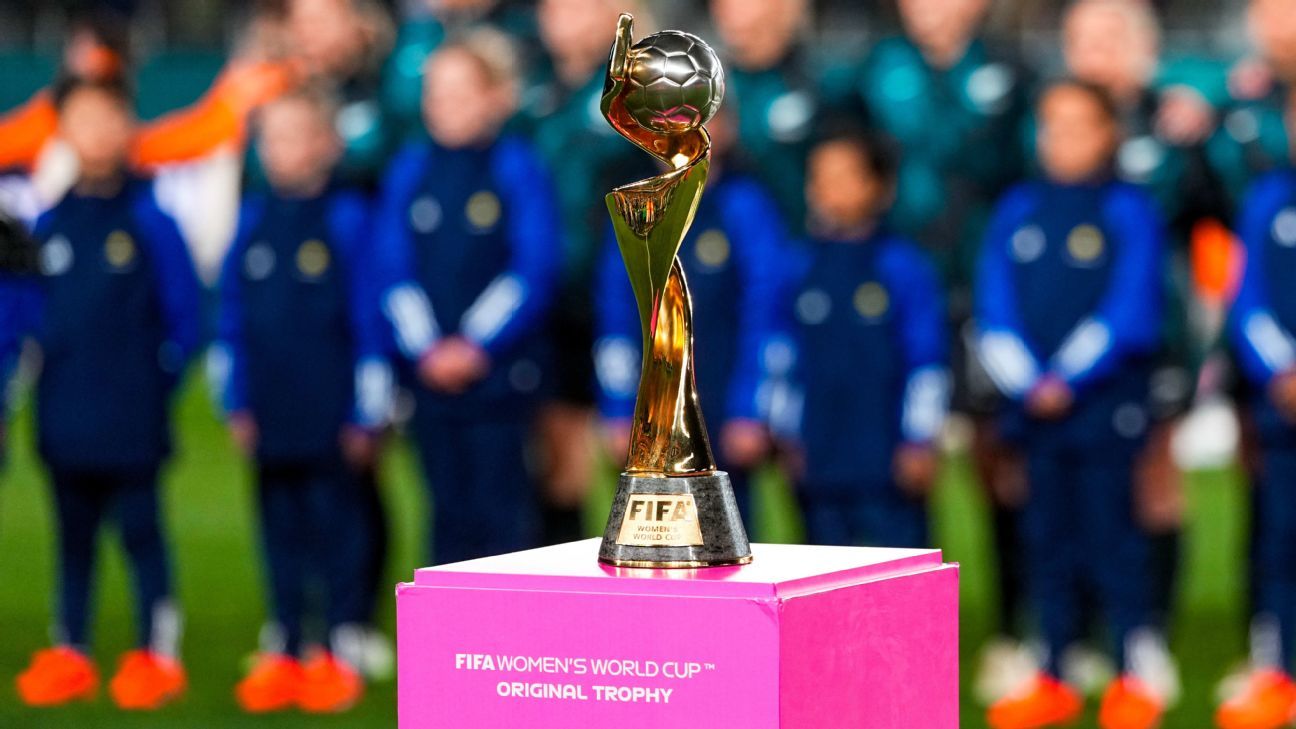
A FIFPRO poll reveals that despite the record prize money at the 2023 Women's World Cup, one-third of the players earn less than $30,000 a year from their national teams and clubs combined. Additionally, one in five players supplement their income with a second job. The survey also highlights concerns regarding player welfare, with many players feeling they did not have enough rest before the tournament and insufficient post-tournament rest. Furthermore, some players did not receive the required pre-tournament medical exams and electrocardiograms, raising concerns about adherence to FIFA regulations.