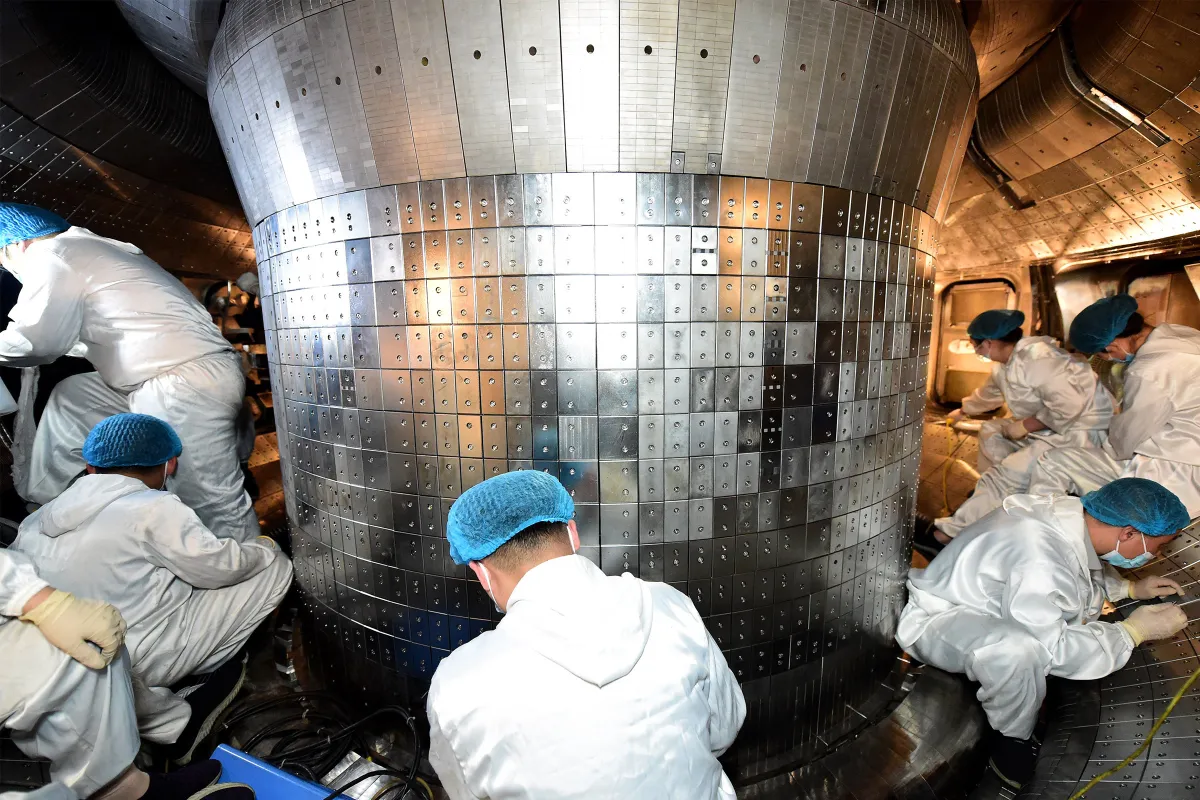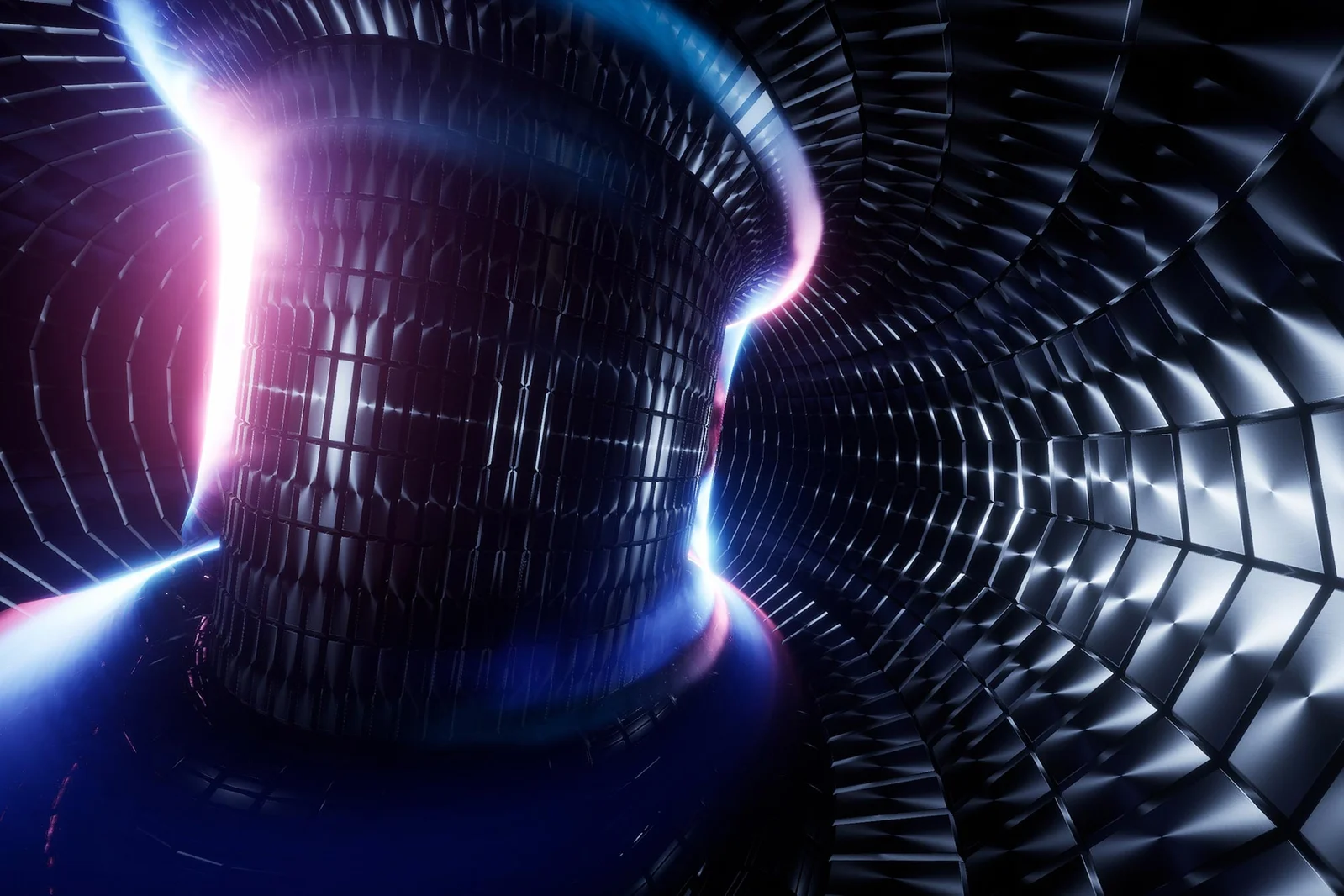
Researchers in China have successfully pushed the plasma density in their EAST nuclear fusion reactor beyond the long-standing Greenwald limit, achieving higher densities while maintaining stability, which could advance fusion energy development.
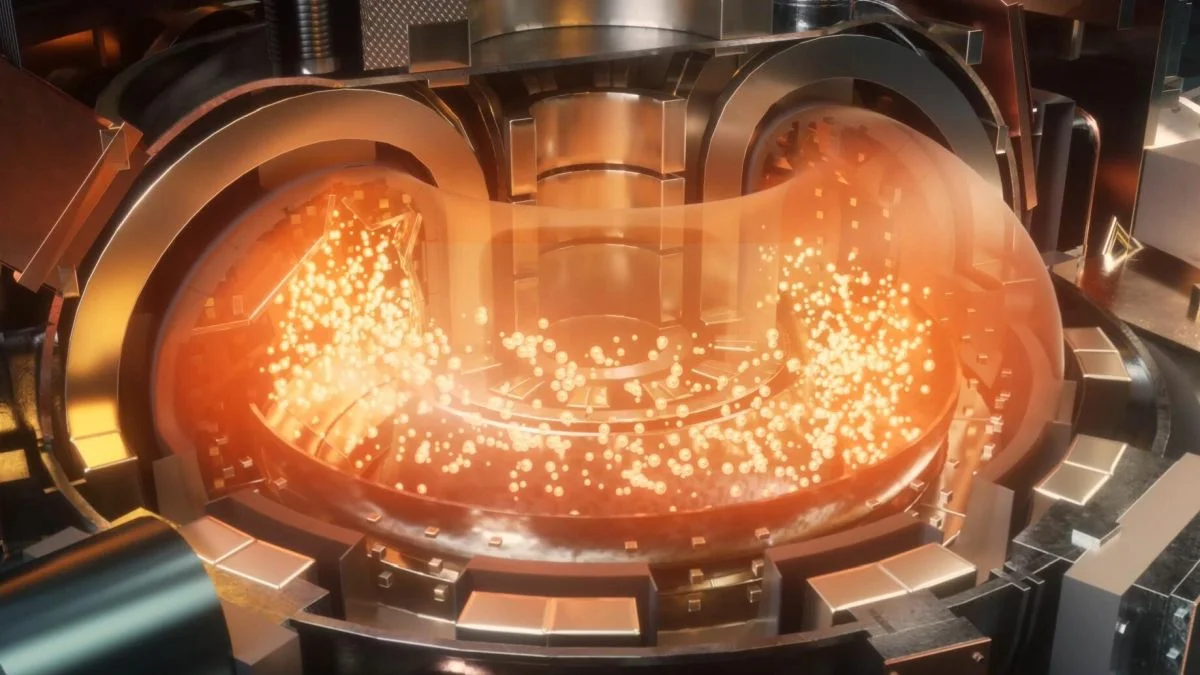
Researchers in China have demonstrated a method to surpass the Greenwald density limit in a fusion reactor by controlling plasma-wall interactions, potentially paving the way for more efficient fusion energy production.
Scientists at China's EAST tokamak have achieved plasma densities previously thought impossible, potentially paving the way for more efficient nuclear fusion energy by surpassing the Greenwald limit and maintaining stable, high-density plasma.
Scientists working with China's EAST reactor have achieved a significant breakthrough by reaching the 'density-free regime,' where plasma remains stable at higher densities than previously possible, marking a major step toward achieving fusion ignition and advancing fusion energy research.
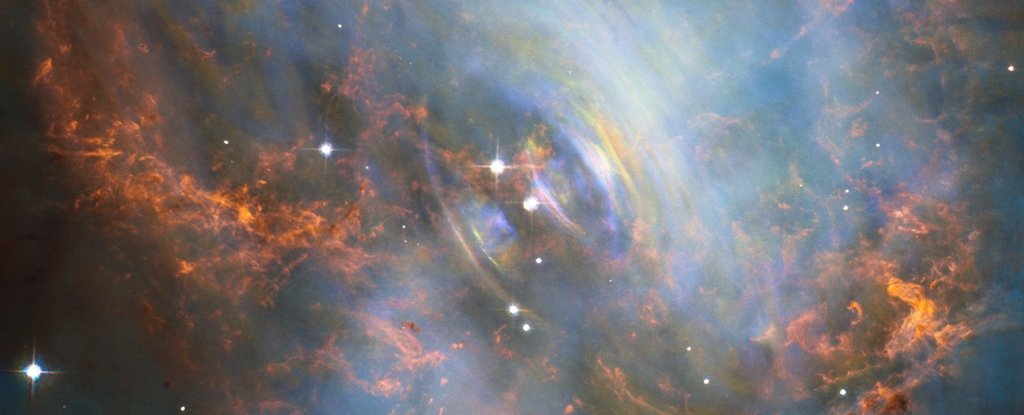
A mysterious radio signal known as the 'zebra pattern' from the Crab Pulsar, a neutron star 6,200 light-years away, has been explained by astrophysicist Mikhail Medvedev. The pattern is caused by the diffraction of light through varying plasma densities in the pulsar's magnetosphere, creating interference fringes. This discovery, based on wave optics, offers a new method for measuring plasma density in pulsars and could enhance our understanding of these celestial objects.