The FBI warns smartphone users about increasing phone scams, including fake bank calls and police impersonations, urging vigilance, verification of caller identities, and immediate reporting of fraud to prevent financial losses.
The FCC has officially ruled that using AI-generated voices in robocalls is illegal, aiming to crack down on fraudsters who use voice-cloning technology to perpetrate scams. The ruling clarifies that generating a voice with AI for a robocall is illegal in itself, as the technology's rising prevalence has made it easier and cheaper to perpetrate phone scams, including attempts to interfere with elections. This comes after New Hampshire voters received calls from a digitally generated voice impersonating President Biden, prompting a criminal investigation and a warning from the state's attorney general.
A Georgia mother was targeted by scammers who used artificial intelligence (AI) to recreate her daughter's voice, making it seem like she had been kidnapped and held for ransom. The scammers demanded $50,000 from the mother, causing her extreme panic. However, the mother's husband FaceTimed their daughter and confirmed she was safe, realizing they were victims of a scam. The family reported the incident to the authorities, and the Federal Trade Commission has warned about the rise of AI-based scams, advising people to be cautious of unknown phone numbers claiming to be family members.
AT&T has issued a warning about a phone scam that can part you from your money in seconds. The scam begins with the word "congratulations" and involves convincing victims that they have won a prize, but need to pay fees or taxes to claim it. The scammers then ask for financial information, credit card numbers, or prepaid cash/gift cards. AT&T advises people to avoid handing over any information and to only answer calls from familiar numbers. If you do answer and realize you're on the phone with a scammer, AT&T advises that you simply hang up and report the number to the authorities and your phone service provider.
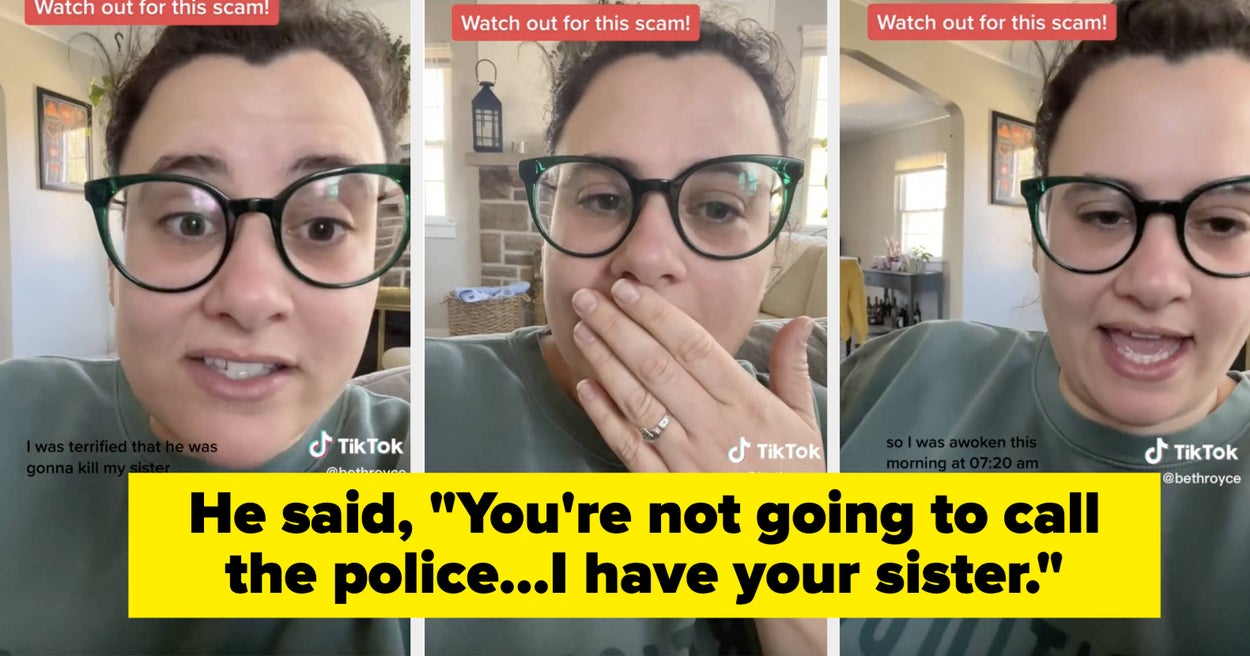
A TikTok user shared her experience of receiving a call from a scammer who pretended to hold her sister hostage. The scammer demanded ransom money and threatened the user not to call the police. The user sent the money but later found out that her sister was safe. The Federal Trade Commission (FTC) received 2.4 million fraud reports in 2022, most of which were imposter scams. The FTC advises people not to trust the voice and to verify the story by calling the person who supposedly contacted them.