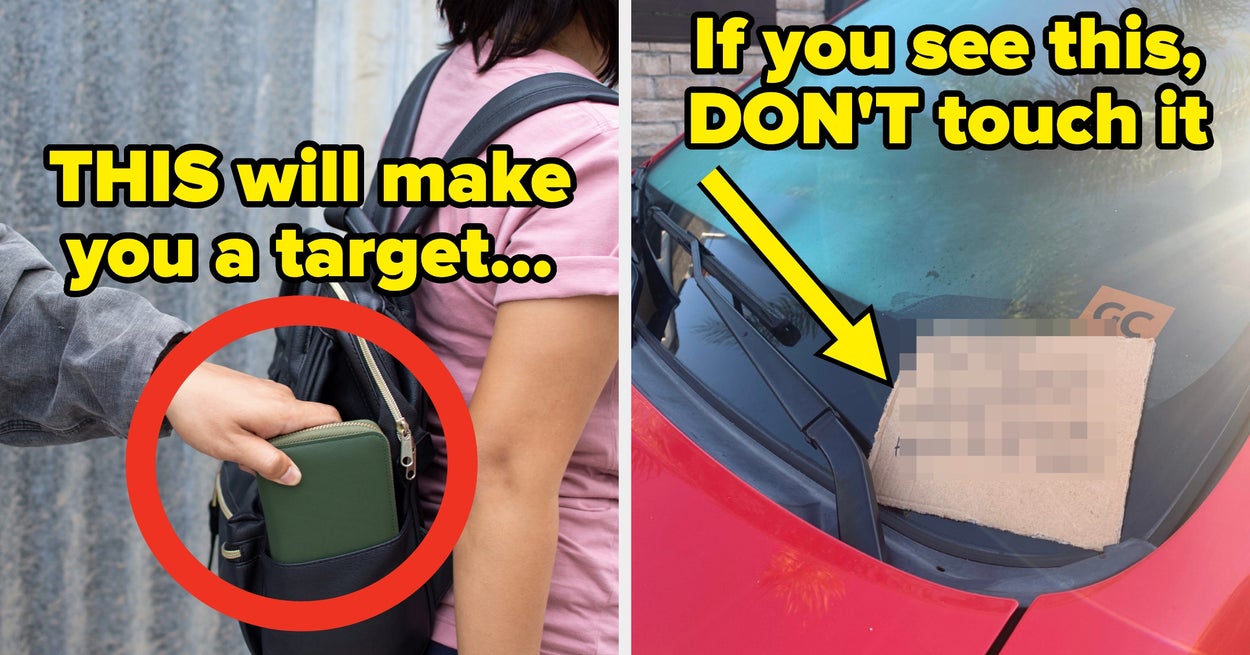
The article provides 16 practical safety tips for navigating city environments, including avoiding suspicious items on your car, appearing confident, staying aware of your surroundings, and protecting your belongings to reduce the risk of theft or assault.
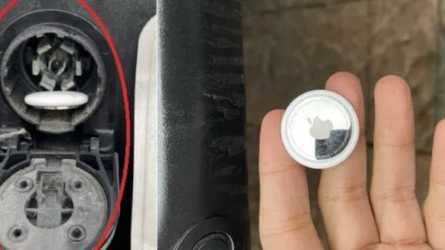
Thieves are hiding Apple AirTags on cars to track and steal them, with common hiding spots including under the license plate and inside the gas tank door. iPhone users can receive alerts and locate the AirTags using Find My, while Android users should use the Tracker Detect app to scan for unknown AirTags. Removing the battery disables tracking, and checking your vehicle after parking in public places can help prevent theft.
A report revealed that 16 billion passwords from various datasets were leaked, but these did not come from a single breach and are likely inflated due to duplicates. Major companies like Facebook, Google, and Apple were not directly breached, though their data may be included. Individuals should stay vigilant by monitoring breaches, changing passwords regularly, enabling two-factor authentication, and using password managers and security keys to protect their personal information from cyber threats.
Dolphins quarterback Tua Tagovailoa has hired a personal security detail after one of his cars was broken into, highlighting the growing trend of pro athletes securing their homes and families against potential threats. Tagovailoa emphasized the importance of safety for his family, especially with the FBI investigating a possible crime ring targeting athletes like Patrick Mahomes and Travis Kelce. Despite the cost, Tagovailoa believes the security measures are necessary given his high profile and earnings.
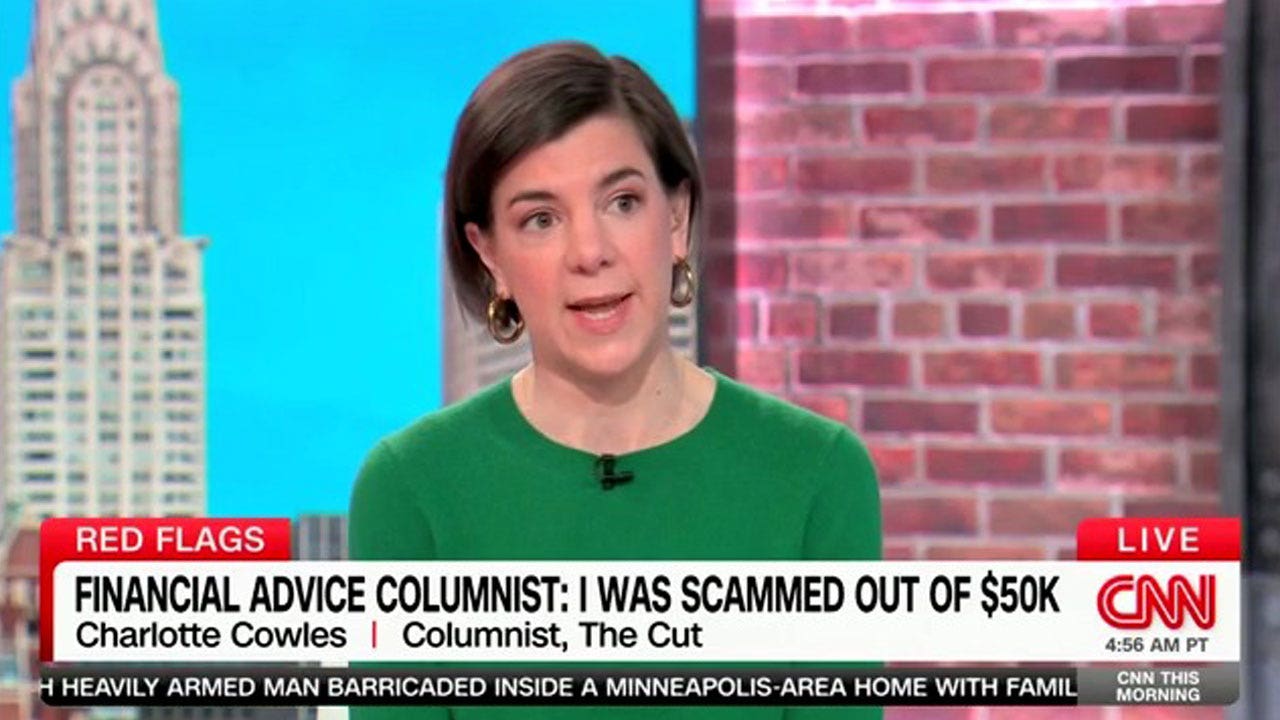
Financial columnist Charlotte Cowles defends herself after falling victim to a $50,000 scam, emphasizing that there is no stereotypical scam victim and warning that scammers are adept at targeting vulnerabilities. She recounts being manipulated and threatened by the perpetrators, urging people to identify trusted contacts and strategies to escape such situations. The elaborate scheme involved false claims of identity theft, fake law enforcement involvement, and pressure to withdraw cash for an undercover agent, ultimately resulting in her loss.
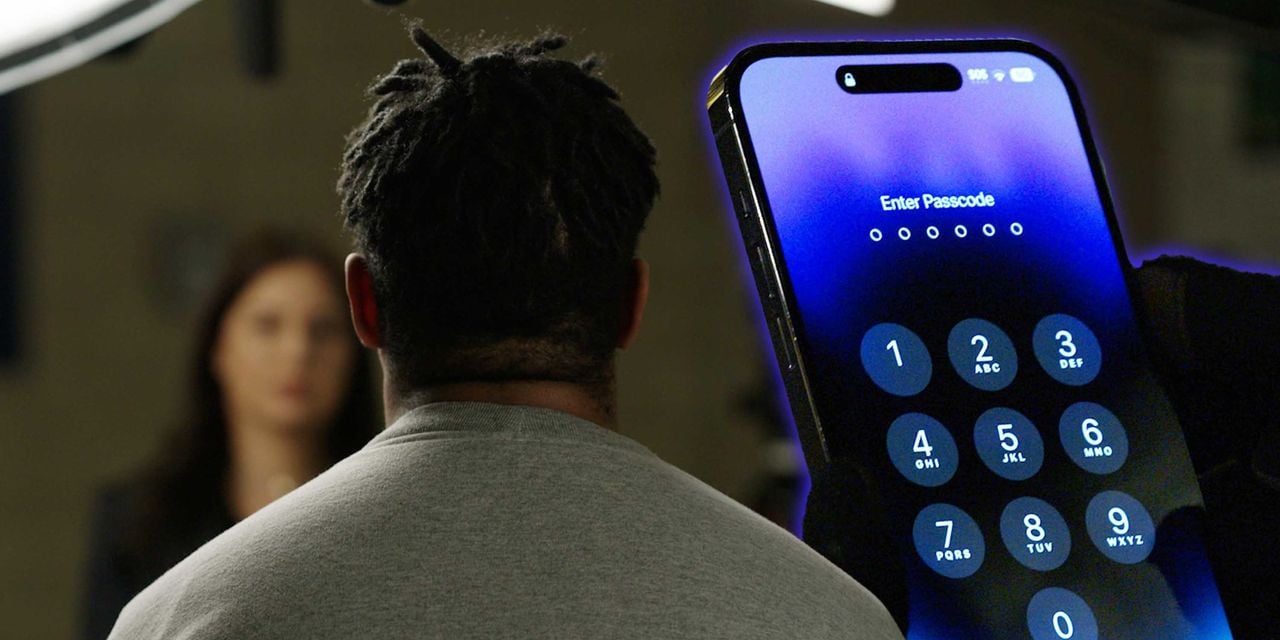
Aaron Johnson, a man serving a 94-month sentence for stealing iPhones, revealed in an interview how he made approximately $300,000 by hacking into victims' iPhones and manipulating their financial apps. Johnson targeted college men in bars and clubs, often convincing them to hand over their iPhones willingly. Once in possession of the devices, he would change the Apple ID password, deactivate tracking features, and access sensitive information like Social Security numbers. Johnson advised people not to share passcodes and shared his tricks to help others, stating that he is already serving time.
A journalist interviews a convicted iPhone thief in a high-security prison to understand how thieves steal iPhones, passcodes, and money from victims' bank accounts, providing insights on how to protect oneself from such crimes.
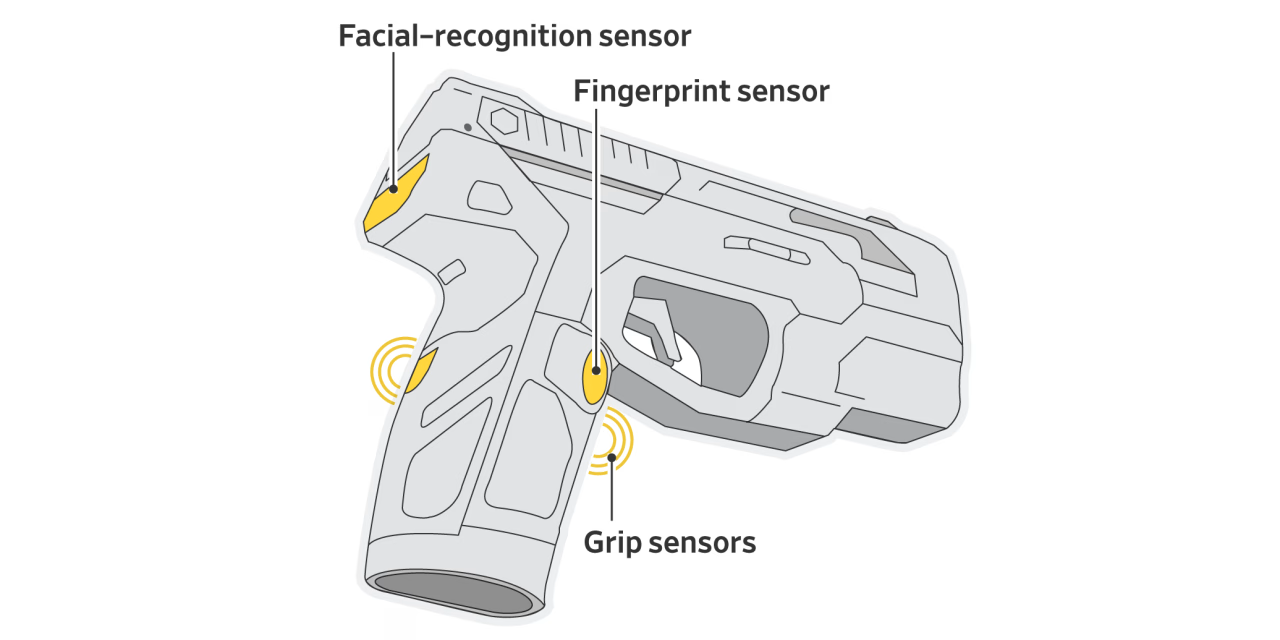
The first smart gun is set to hit the market, but it remains uncertain whether there will be significant demand for it. Sasha Wiesen, a commercial real-estate broker from Florida, has preordered the new firearm in hopes that it will eliminate the need for a traditional safe. However, the success of smart guns will depend on factors such as consumer acceptance, gun control regulations, and overall market demand for enhanced firearm safety.
The U.S. Embassy in Dublin has issued a travel warning for tourists visiting Ireland following a violent attack on an American national in the capital city. The embassy advises U.S. citizens to exercise good personal security practices, such as avoiding walking alone at night and remaining vigilant against theft and robbery. The attack on the American tourist, who remains in intensive care, has prompted concerns about staffing levels for the national police service in Ireland. The embassy also provides suggestions for travelers, including researching destinations ahead of time, not leaving belongings unattended, and being cautious with expensive items and cash.
One year after a white supremacist killed 10 Black people at a Buffalo supermarket, young Black people in the city are struggling with a shaken sense of personal security and complicated feelings about how their community was targeted. Many are grappling with trauma and a hesitancy to go to the store or engage in outdoor activities. The trauma experienced by people in the community over the attack could last for many years, ready to surface on anniversaries or when a similar mass shooting is in the news.