David Einhorn of Greenlight Capital argues that the stock market is "broken" due to the rise of passive investing, which he believes undermines value investing by prioritizing growth stocks. He criticizes passive investors for not considering stock value, leading to inflated valuations. Despite the market's high valuations, Einhorn is not bearish, acknowledging that an overvalued market doesn't necessarily predict a downturn. The shift to passive investing is seen as logical due to lower costs and the underperformance of active managers, but it challenges traditional value investment strategies.
The Financial Times presents a chart to counter the argument that passive investing is responsible for the increasing concentration of the stock market. The chart illustrates that the rise in market concentration is not solely due to the growth of passive investing, but rather a result of various factors including mergers and acquisitions, technological advancements, and changing consumer behavior.
Bank of America's Savita Subramanian suggests that the rise of passive investing presents an opportunity for active stock pickers to beat the stock market in 2024. She recommends focusing on stocks that "act like stocks," investing in companies with lower sell-side analyst coverage, and extending time horizons to capitalize on less efficient market segments. Subramanian believes that the shift towards passive investing may lead to less market efficiency, offering more potential for alpha generation for active investors.
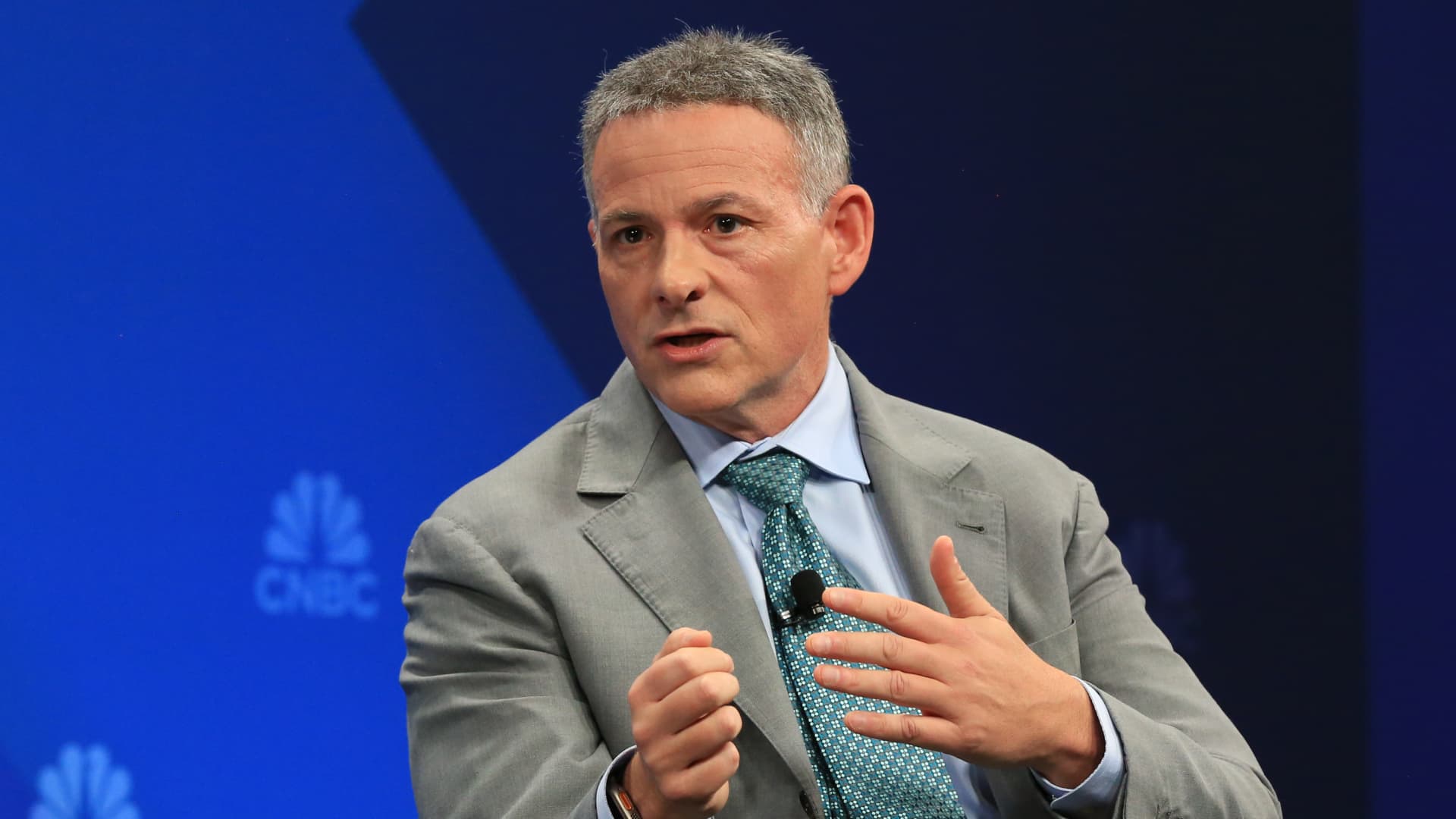
Hedge-fund manager David Einhorn argues that passive investing has fundamentally broken the markets, as it disregards value and focuses solely on price. This shift has led to the annihilation of the value industry, creating a vicious cycle where value stocks fall further due to redemptions. Einhorn explains that the rise of passive investing has led to a market structure where overvalued assets receive disproportionate attention, making it challenging for active managers to thrive. As a result, Greenlight Capital has made significant changes to adapt to this shift, focusing on companies with low valuations and unlevered balance sheets.
David Einhorn, founder of Greenlight Capital, believes that passive and algorithmic trading have fundamentally broken the market, making it significantly harder for value investors to find undervalued stocks. With fewer traders paying attention to fundamental merits and instead chasing after price, overvalued equities are gaining the most. Einhorn expressed frustration at the shift away from actively managed investment and the pressure on stocks to pay out, as well as the impact of algorithmic machine trading on stock prices. Despite Greenlight's 22.1% gain last year, Einhorn highlighted limitations due to losses on the fund's short positions.
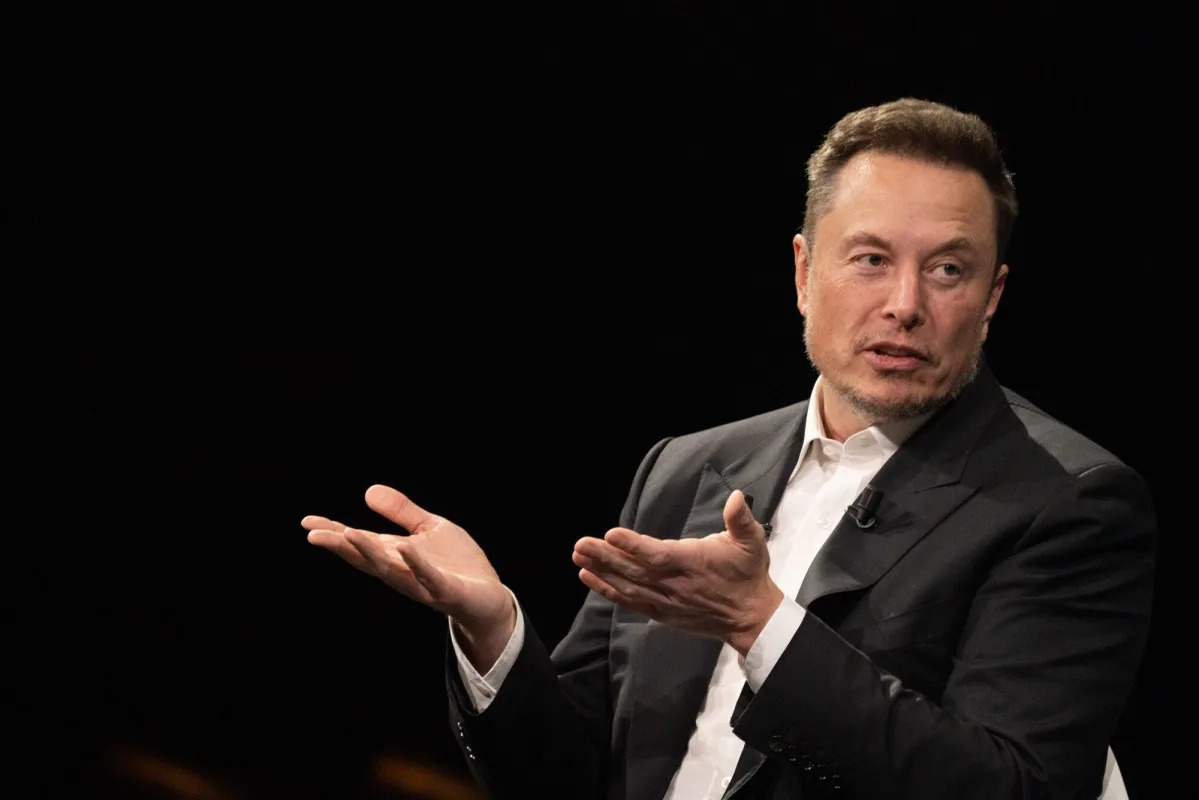
Elon Musk criticized the state of US financial markets, expressing his discontent with the high regulatory burden faced by publicly traded companies, the pressure from shareholders that limits efficiency, and the negative impact of passive investing on stock prices. Musk also discussed the benefits of keeping SpaceX private and his recommendation for companies to avoid going public unless necessary. He argued that the percentage of the market that is passive has gone too far, as it relies on the decisions of a few active major stock pickers, causing massive movements in stock prices.
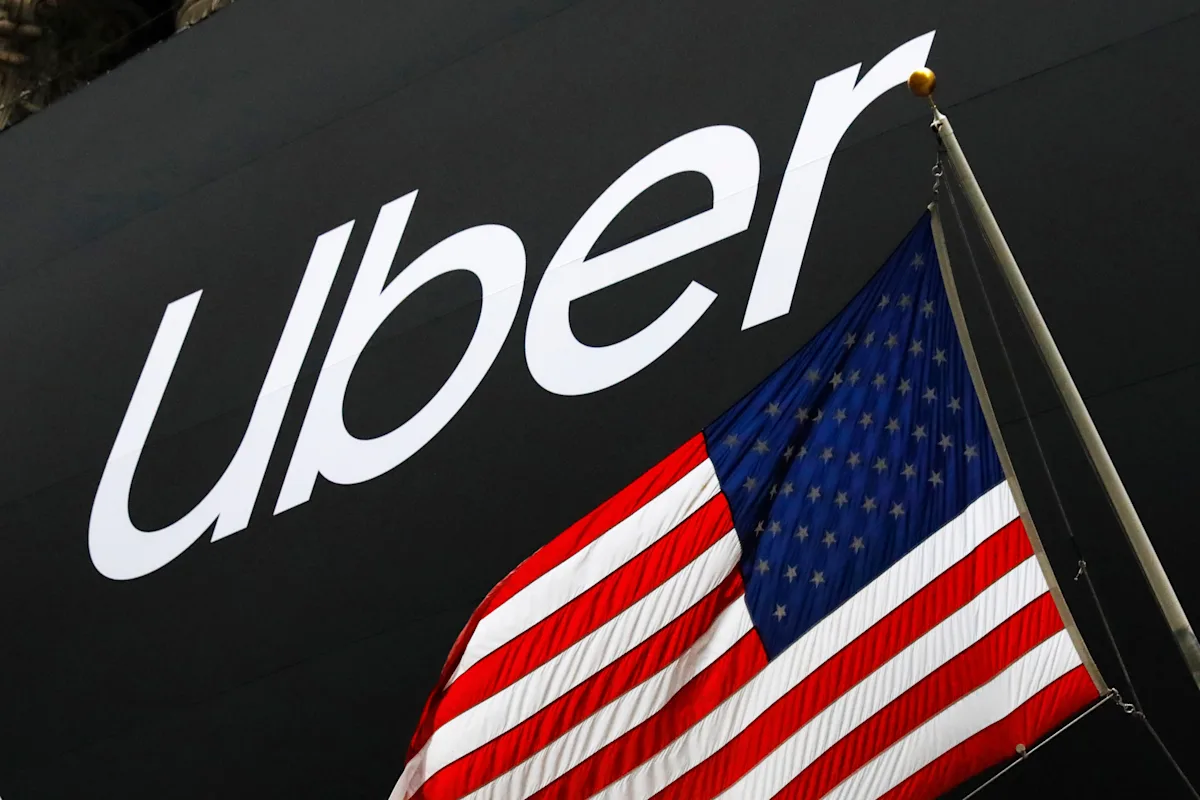
Uber's stock rose 2.2% after news broke that the company would be joining the S&P 500, a move that will attract forced buyers of the stock due to over $7 trillion tracking the index. Joining the S&P 500 is a significant milestone for Uber, as it solidifies its position as a major player in the U.S. equity market. This development also serves as a reminder that investors buying ETFs or mutual funds tracking the S&P 500 are not as passive as the term "passive investing" suggests. The index has seen over 700 changes since 1995, with some of the current market leaders, such as Tesla and Amazon, only being added relatively recently. The inclusion of Uber, along with manufacturers Jabil and Builders FirstSource, reflects the changing dynamics of the market and the rise of sectors like ridesharing and manufacturing.