
"Revealing the 36-Million-Year Geological Cycle Fueling Explosive Life on Earth"
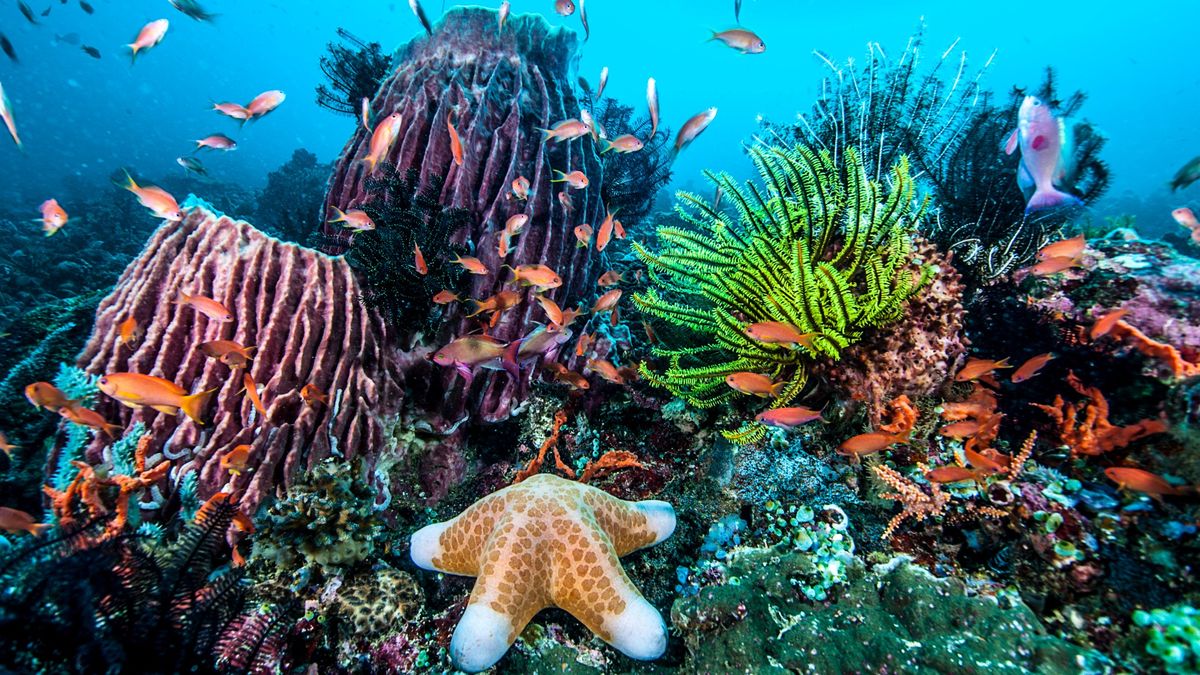
Tectonic plates, the massive slabs of rock beneath Earth's surface, may drive bursts of marine biodiversity every 36 million years by causing sea levels to rise and fall. Fluctuating sea levels create new habitats for ocean life to thrive. The cyclical flooding and drying up of continents has been occurring for at least 250 million years. The study compared plate tectonic movements and sea-level changes with marine fossil records and found that tectonic changes correlated with highly biodiverse periods in the fossil record. This research suggests that global sea level change driven by Earth's geological processes has largely influenced the biodiversity of marine life throughout history. However, human-caused climate change is now contributing to a faster rise in sea levels, which could impact marine biodiversity.