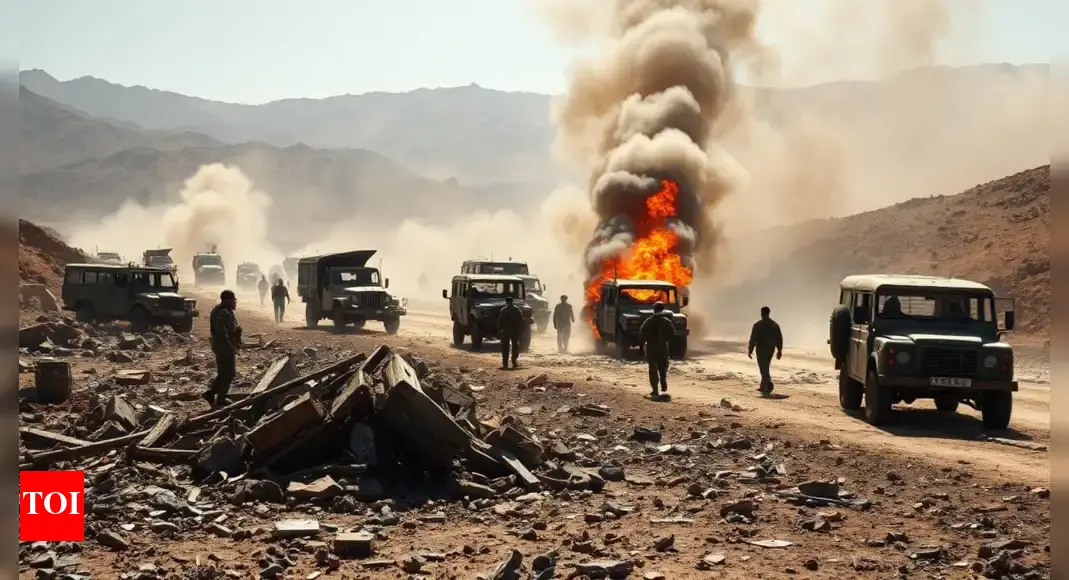
The Indian Ministry of External Affairs dismissed Pakistan Army's claim blaming India for a deadly suicide bombing in North Waziristan, calling the statement 'deserving of contempt,' amid ongoing tensions and accusations of foreign involvement following the attack that killed 16 Pakistani soldiers.
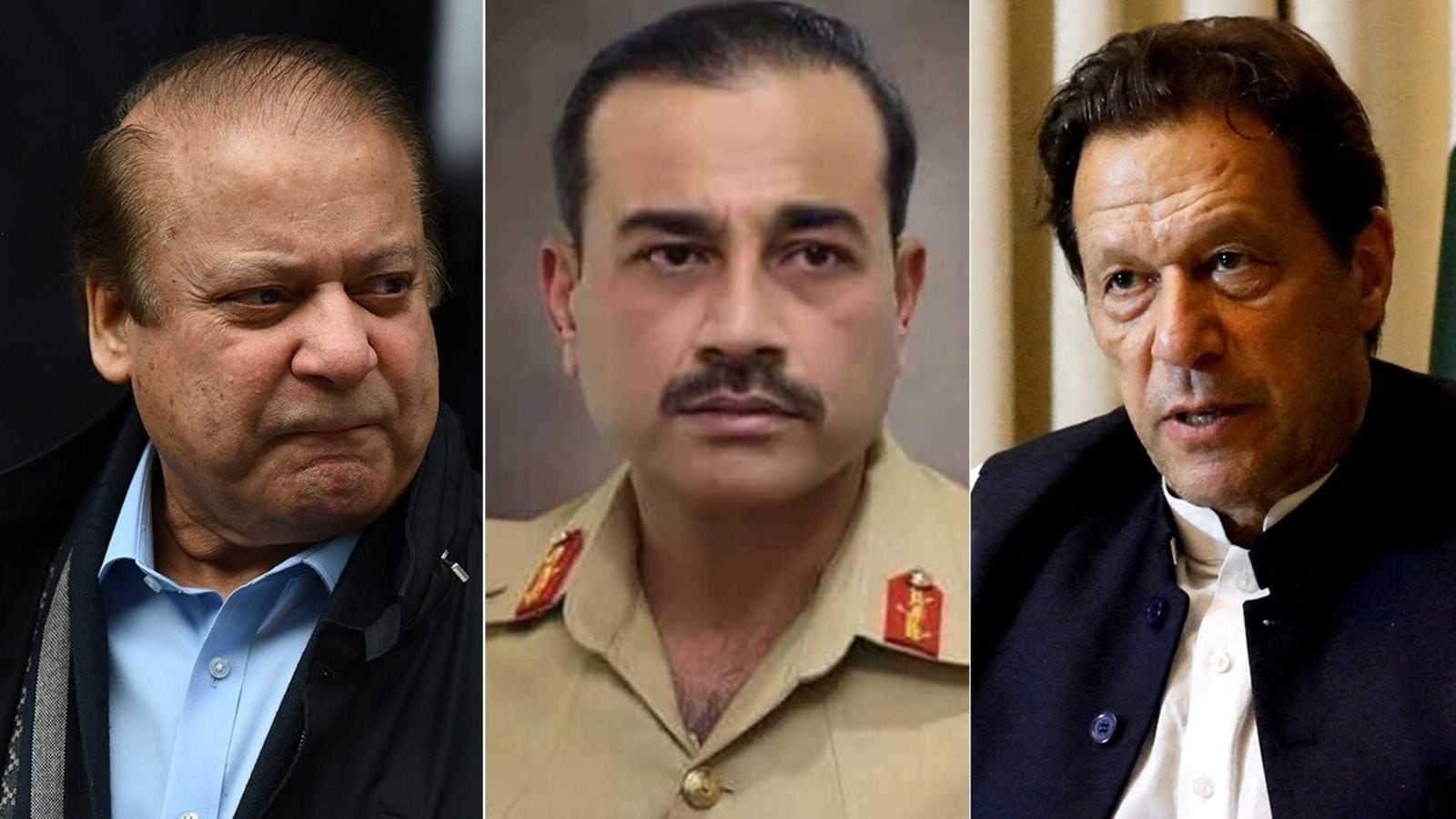
Former Pakistan Prime Minister Nawaz Sharif, in his homecoming rally in Lahore, raised the Kashmir issue and expressed the need for effective foreign policy and good relations with neighbors, without specifically mentioning India. However, it is important to note that any initiative by Sharif would require permission from the Pakistan Army, which has historically scuttled his previous attempts at reaching out to India. The Army is not comfortable with Sharif becoming the next Prime Minister and aims to keep Imran Khan, the leader of the Pakistan Tehreek-e-Insaf party, permanently locked up and out of power. Sharif's statements on resolving Kashmir are seen as delusional, as India is not interested in dialogue on the issue following the abrogation of Article 370 and Article 35A. The civilian leadership in Pakistan holds little significance compared to the Pakistan Army, which is not interested in reducing cross-border terrorism in Kashmir.
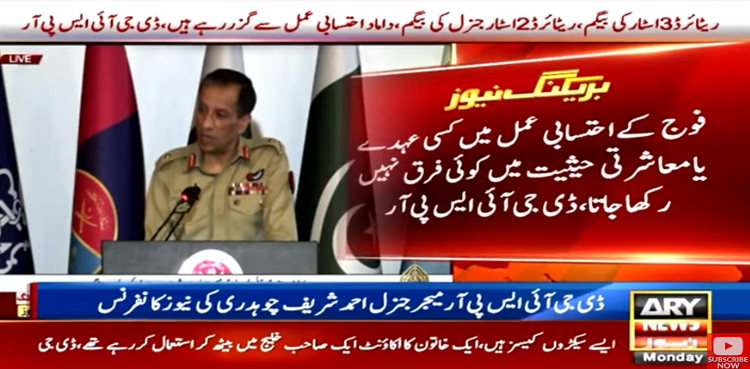
Three Pakistan Army officers, including a lieutenant general, have been sacked after the May 9 riots, according to Director General Inter-Services Public Relations (DG ISPR) Major General Ahmed Sharif Chaudhry. The DG ISPR also revealed that disciplinary actions were taken against 15 other officers, including a major general, following an internal accountability process. The May 9 incident was planned and manipulated through negative narratives, and the armed forces will continue to render sacrifices for defending the soil, said the spokesperson of the military’s media wing.
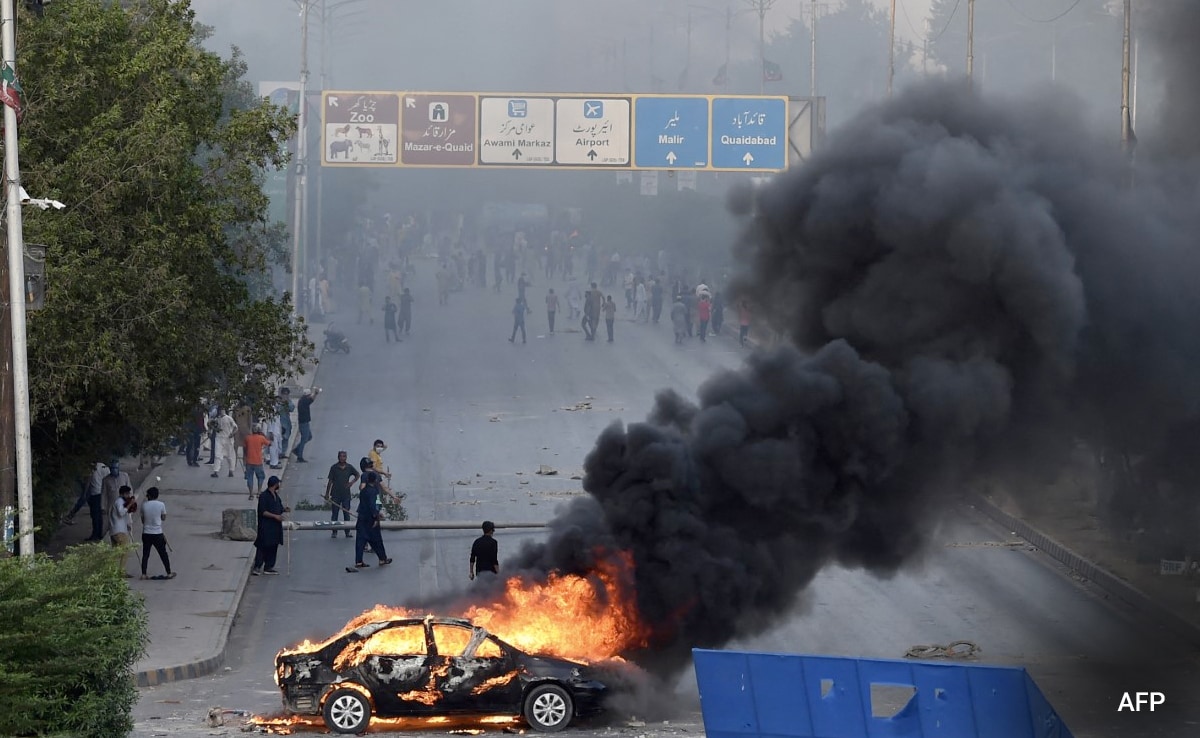
The Pakistan Army's media wing, ISPR, has condemned the May 9 protests that followed the arrest of former Prime Minister Imran Khan, calling it a "black chapter" in the country's history. The ISPR justified Khan's arrest and warned against further attacks on military and state installations. The protests targeted army property and installations, with anti-army slogans being chanted. The ISPR identified those involved in facilitating, planning, and political instigation and warned of "strong and decisive action" against them. Several violent protests erupted across Pakistan, with people resorting to violence, arson, and stone-pelting.