Anthropic has expanded its AI memory feature to all paid Claude users, allowing them to enable, import, export, and manage memory for more personalized and sustained interactions, with safety and transparency emphasized.
Spotify is implementing restrictions on its free tier in India, preventing users from playing songs in a manual order and limiting their ability to rewind, scrub, or repeat songs. The move is aimed at encouraging more users to subscribe to the paid version of the service. India is one of Spotify's top five countries in terms of monthly active users, but the majority of users in India opt for the ad-supported model. The company is also introducing Smart Shuffle, a feature that suggests songs based on user preferences. Industry experts believe this shift could lead to a subscription model becoming more prevalent in the Indian market.
X, formerly Twitter, is now allowing paid users to hide their likes on the platform. This feature comes after rival social networks Threads and Bluesky introduced the ability for users to see their own likes. Paid users on X can now customize their profile settings to hide the likes tab, making it visible only to themselves. This adds another incentive to the paid tier, allowing users to like posts without others being able to view them. However, hiding the likes tab may indicate that a user has paid for the subscription.
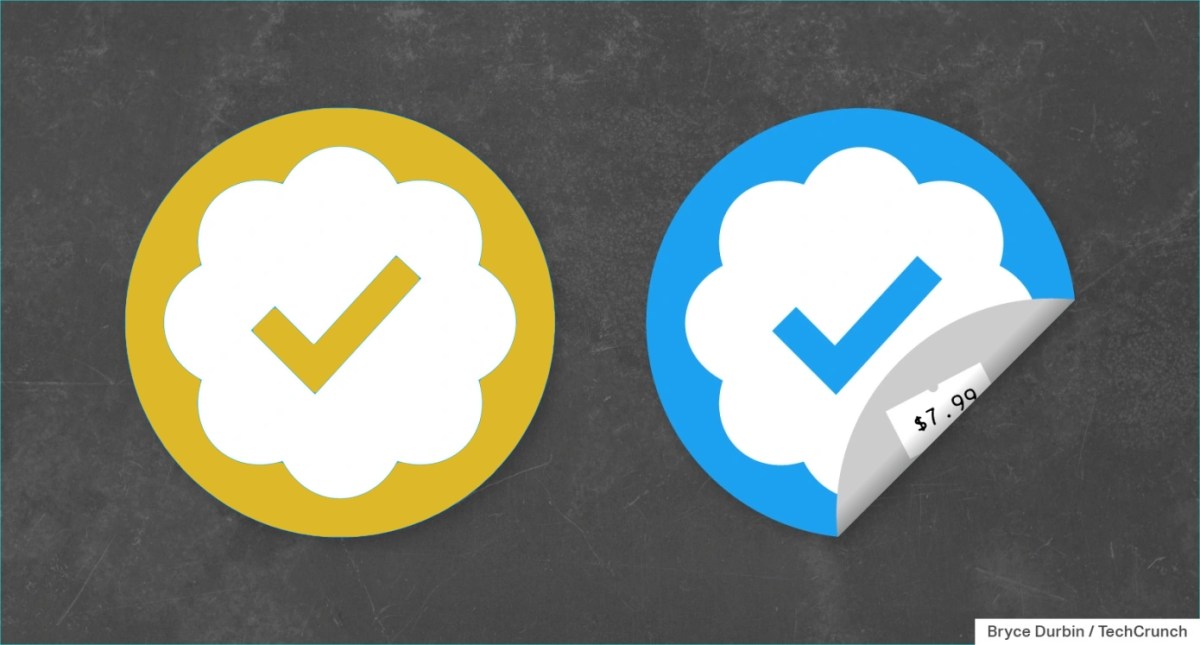
Elon Musk announced that Twitter will remove legacy blue checkmarks on April 20. The move will leave verification marks only for paid users, businesses, government entities, and officials. Musk previously said that the removal would happen on April 1, but the date passed without any action. Twitter is reportedly working on verification through government ID, and Musk has been pushing for businesses and media brands to pay for organizational verification.
Google has imposed a hard limit of up to 5 million files on the number of files Drive users can have in one account, without any public statement. While the number of impacted users is small, paying Drive users found themselves suddenly locked out of new file uploads. The restriction is a safeguard to prevent misuse of the system. The hard limit applies to how many items one user can create in any Drive, not a total cap for all files in a drive. The move undermines Google's claim of providing "as much storage as you need" for its enterprise plan.