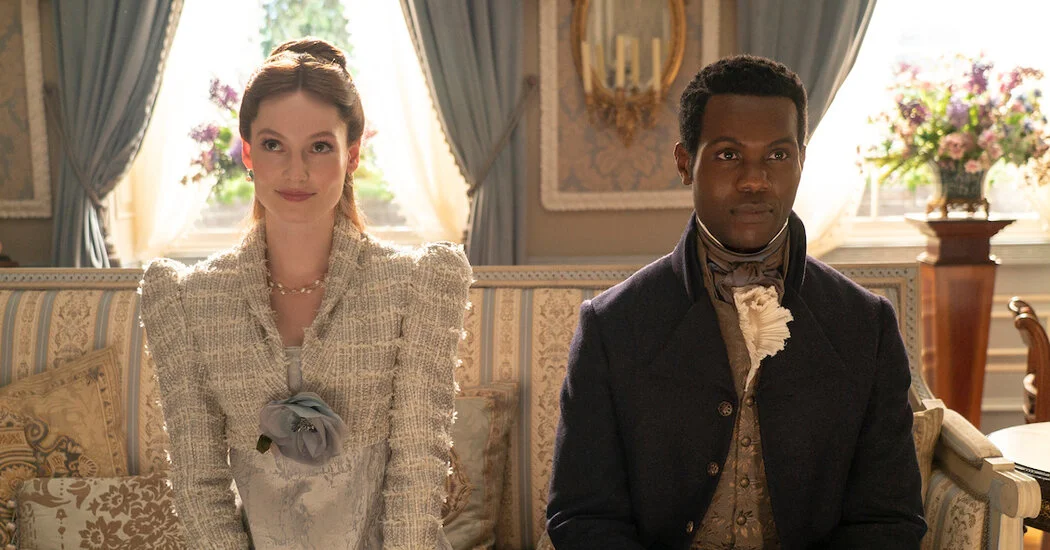
Season 4 centers on Francesca Bridgerton as she and her husband navigate the challenge of reaching her pinnacle, prompting frank conversations about women's sexuality and intimacy that diverge from the show's usual steamy plots.
The orgasm gap refers to the disparity between the frequency of orgasms experienced by men and women during heterosexual sex. Studies show that heterosexual men orgasm more frequently than heterosexual women, with 95% of men usually or always orgasming compared to 65% of women. This gap may be attributed to cultural ignorance and devaluation of clitoral stimulation, as many women require clitoral stimulation to orgasm. Inaccurate portrayals of female pleasure in pornography and societal stigma around women expressing their desires also contribute to the orgasm gap. To close the gap, experts emphasize the importance of communication, exploring one's own body, and changing cultural attitudes towards sexuality.
Casual sex has been on the decline in recent years, with lower alcohol consumption being a main reason for young women. Women are more likely to express regret after a one-night stand than men, and may also face more risks such as STIs due to their anatomy. The orgasm gap is also a real issue, making some young people conclude that casual sex isn't real intimacy. Ultimately, whether to have sex and with whom is a personal choice that needs no justification.
Men are nearly two times more likely to orgasm during sex than women, creating an orgasm gap. However, this gap can be closed by spending time on foreplay, understanding your anatomy, communicating with your partner, and having a positive attitude. Women should not be too focused on their performance and should relax in their bodies to get aroused. Lesbians are significantly more likely to orgasm than heterosexual women.