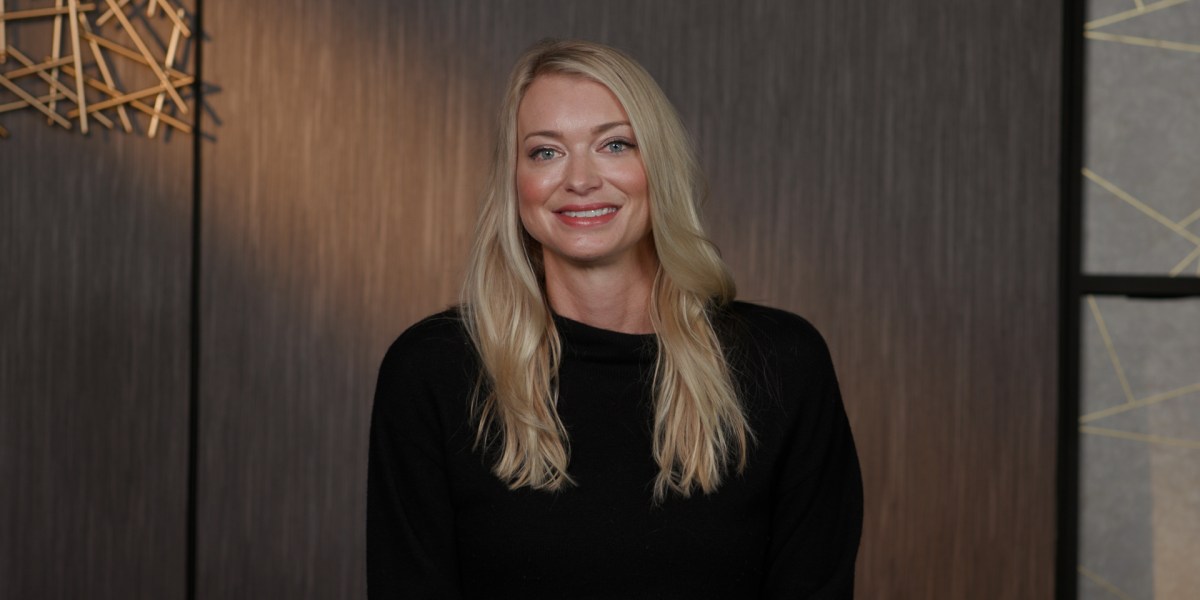
The League, a dating app targeting ambitious millennials and Gen Z singles, is capitalizing on "Dating Sunday" to attract users to its high-cost services, with membership tiers reaching up to $30,000 a year. The app, which requires LinkedIn profiles for admission, aims to connect career-driven individuals and offers features like speed dating and personal dating concierges. Acquired by Match Group in 2022, The League is part of a growing trend of tech-enabled dating, moving away from serendipity towards strategic, AI-driven matchmaking. Founder Amanda Bradford envisions a future where technology enhances the efficiency of finding a compatible partner.
Today marks the busiest day of the year for dating apps, known as 'Dating Sunday,' with Tinder predicting a significant increase in activity. January is considered 'peak dating season,' with many users updating their profiles and responding faster. Tinder's Global Relationship Insights Expert, Paul C. Brunson, offers five tips for improving your dating profile: show your true self with at least five photos, use 15-45 words in your bio, showcase your interests, be creative with your messages, and be clear about what you're looking for. The rise of dating apps like Tinder and Bumble has transformed online dating into a common way for singles to meet, shedding its once-taboo reputation.
LinkedIn, traditionally a professional networking site, is increasingly being used as a platform for dating, despite its policies against such use. Users like Samuela John have found potential romantic partners through the site's direct messaging feature, attracted by the detailed professional profiles that offer a sense of credibility and authenticity. While some find success in this unconventional approach to dating, others view it as inappropriate and invasive, leading to a debate about the mixing of professional and personal boundaries online. Sociologists and industry professionals suggest that the trend may be driven by a desire for more genuine connections and a reaction against the superficial nature of traditional dating apps.
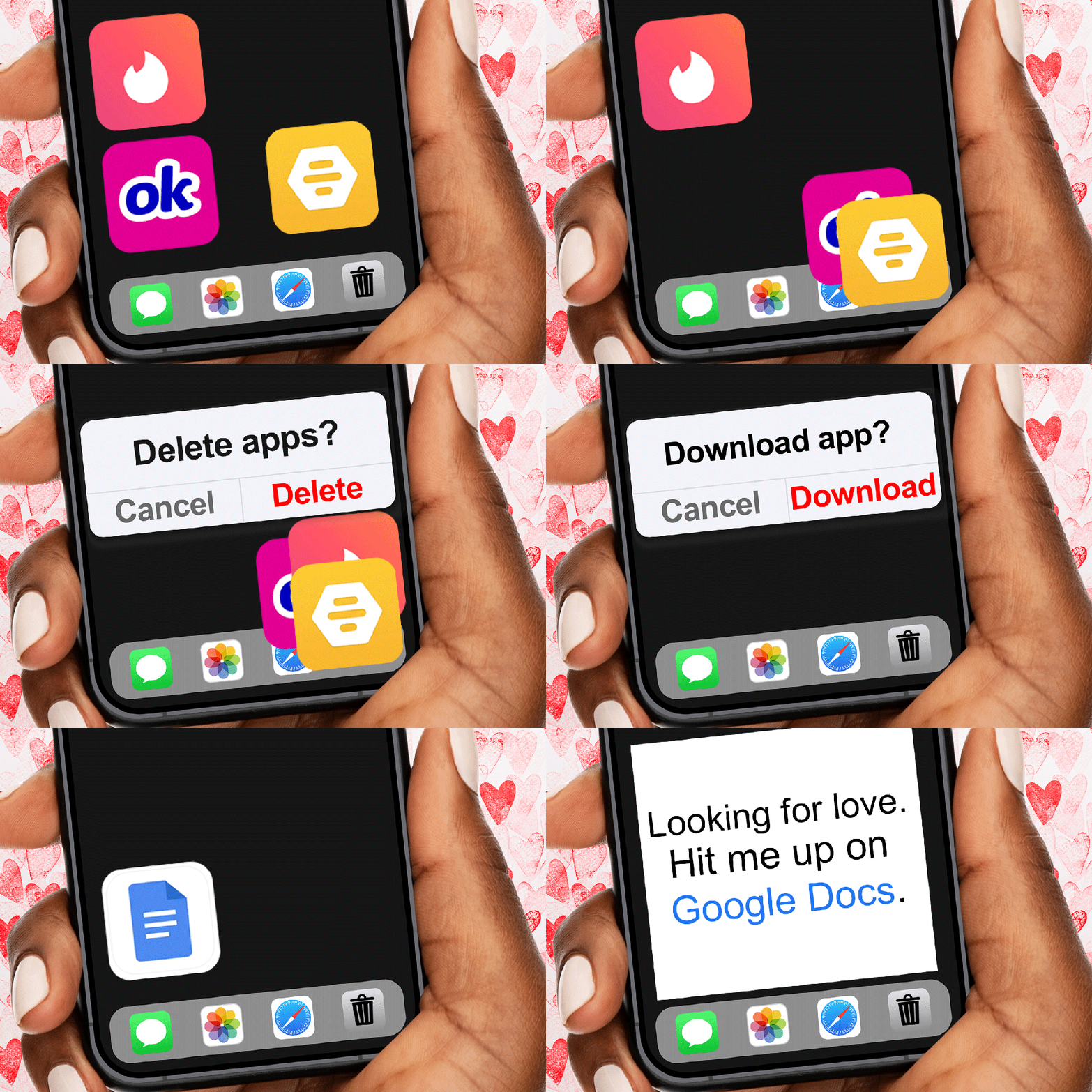
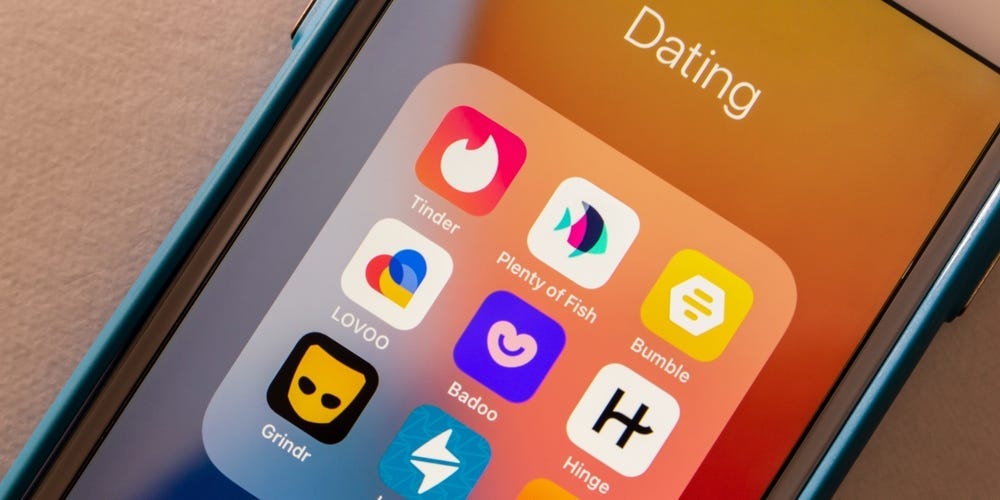
Singles disillusioned with traditional dating apps like Tinder and Bumble are turning to a novel approach to find love: creating personal "dating documents" on Google Docs. This trend gained traction after dating app burnout became a common issue, as acknowledged by Hinge's CEO. Users share their dating documents publicly, detailing their interests, relationship goals, and personal information, in hopes of finding a more genuine connection. The approach has been met with varying levels of success, with some finding potential matches and appreciating the deeper conversations facilitated by the format, while others are still waiting for the right connection. The trend reflects a shift towards more effortful and personalized methods in the online dating scene.
Tinder has announced that the busiest day of the year for dating apps is expected to be Sunday, January 7, with a significant increase in activity compared to the rest of the year. During this "peak dating season," users send more messages, like more profiles, and respond faster. Tinder's Global Relationship Insights Expert, Paul C. Brunson, offers tips for improving dating profiles, such as showing authenticity, expressing clear intentions, and being creative with messages. The rise in popularity of dating apps is attributed to their convenience for busy younger users and a shift in attitudes towards online dating.
Hinge CEO Justin McLeod acknowledges that users are experiencing burnout on dating apps due to either an overwhelming number of options or a lack of responses. To combat this, Hinge plans to use AI algorithms to create more targeted matches and improve the user experience. The AI will utilize profile information, in-app behavior, and post-date feedback to enhance matchmaking. This initiative is part of a broader effort by Match Group, Hinge's parent company, to integrate AI-driven features across its dating app portfolio to address user issues and attract new users. McLeod predicts that AI will revolutionize online dating as significantly as the advent of dating apps themselves.