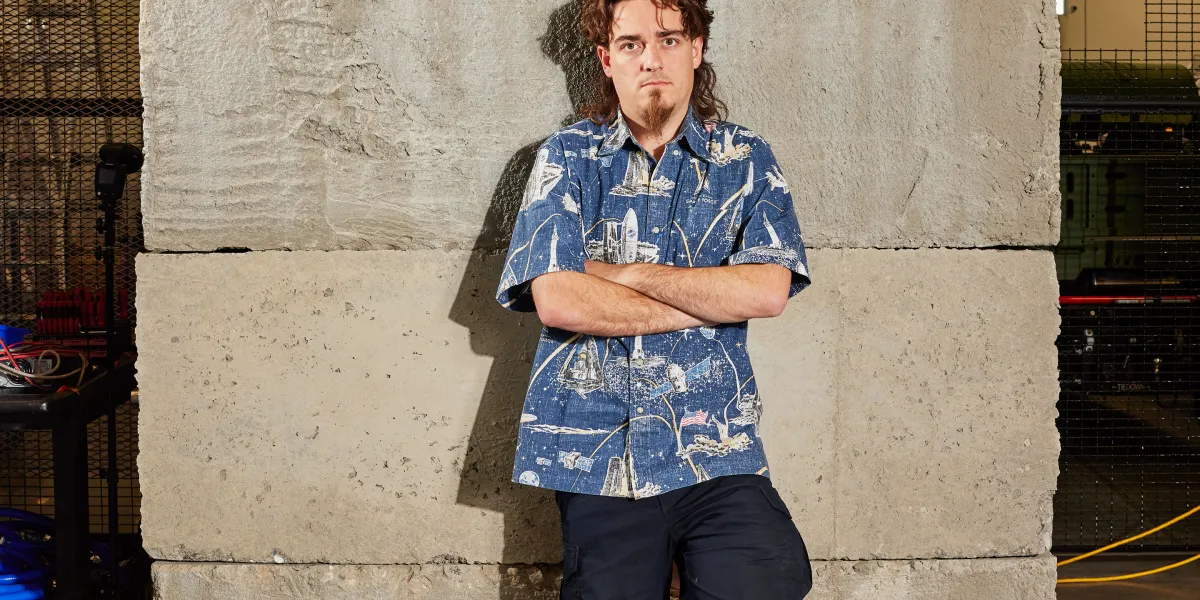
Palmer Luckey, founder of the $14 billion defense startup Anduril, is reshaping the defense industry with AI-powered weapons and a unique personal style. Known for his candidness and support of Donald Trump, Luckey aims to improve his public image while leading Anduril to challenge traditional defense giants like Lockheed Martin. The company has secured significant military contracts and is developing advanced technologies, including combat drones and AI-driven battlefield mapping systems. Despite past controversies, Luckey is focused on proving his reliability and moral integrity in business.
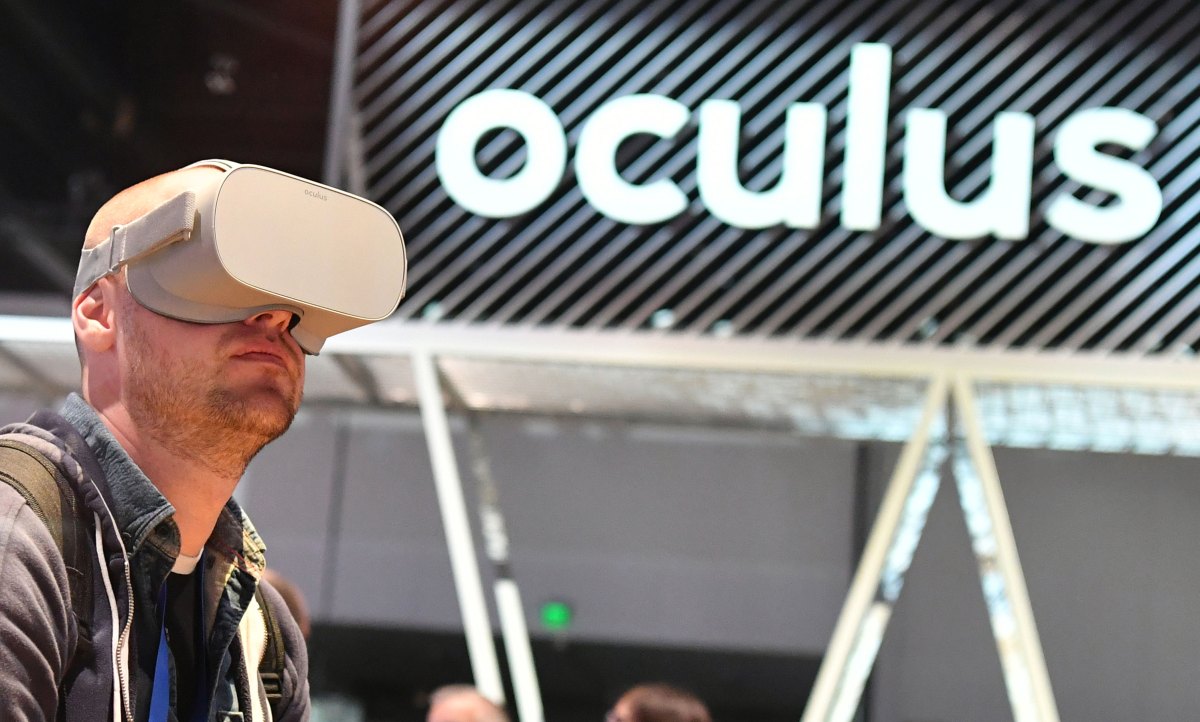
Ten years after Facebook's acquisition of Oculus for $2 billion, the VR headset hasn't transformed the world as expected, with Meta's metaverse division losing $42 billion between 2020 and 2024. Despite Meta's commitment to the long game and dominating the VR headset market with a 50.2% share, the company sells its Quest headsets at a loss and faces competition from Apple's Vision Pro. While VR technology has impacted how people interact, the need for headsets remains limited for now.
Meta celebrates 10 years of Reality Labs, marking a decade of investment in virtual reality and augmented reality technology, including the development of Oculus products such as Rift, Quest, and Ray-Ban smart glasses. The company highlights its journey from early VR prototypes to the introduction of mixed reality headsets and smart glasses integrated with Meta AI. With a focus on relentless research and AI integration, Meta aims to create a new computing platform that seamlessly connects people and things in more natural and intuitive ways, while also emphasizing the importance of making technology accessible to as many people as possible.
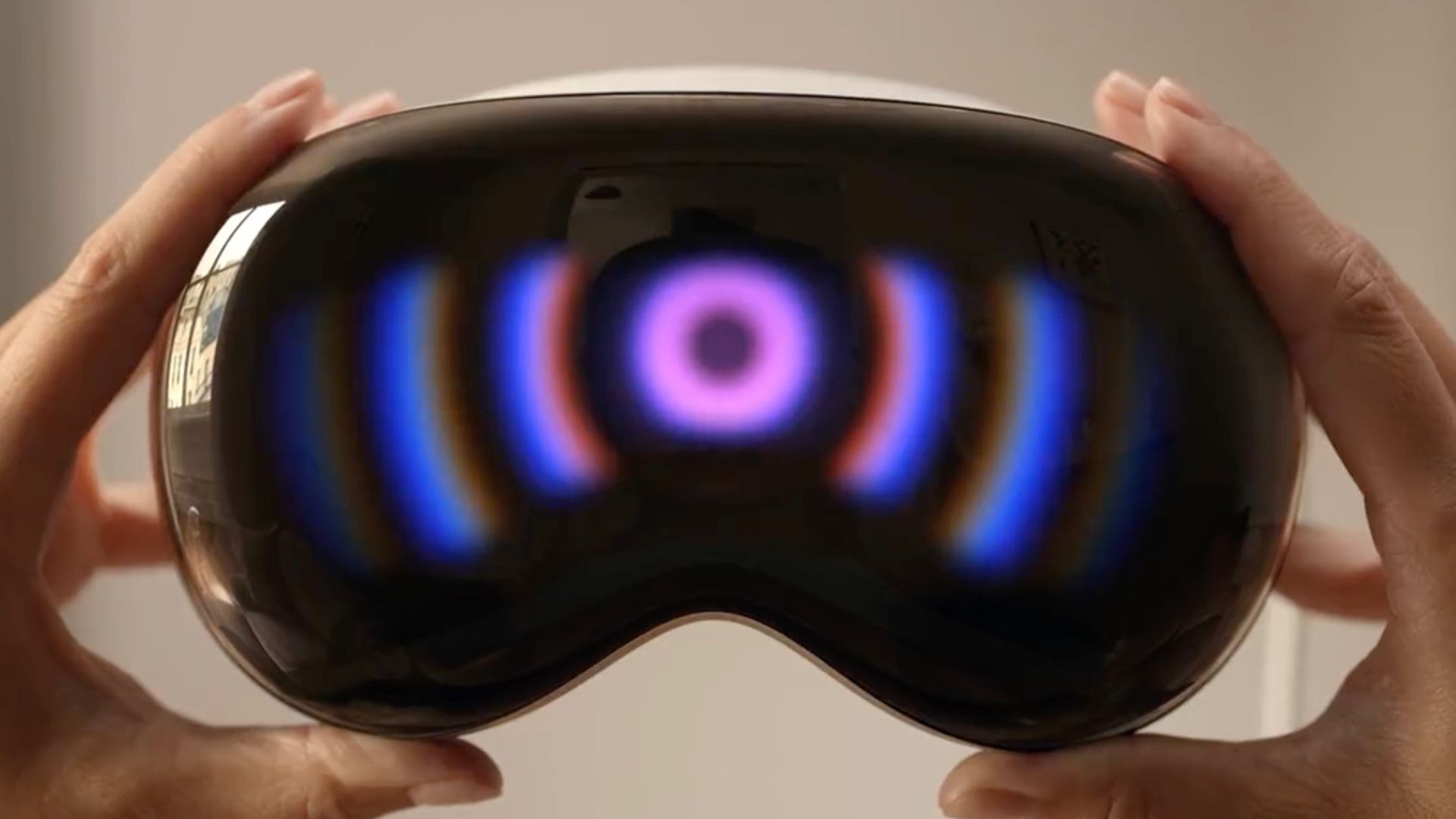
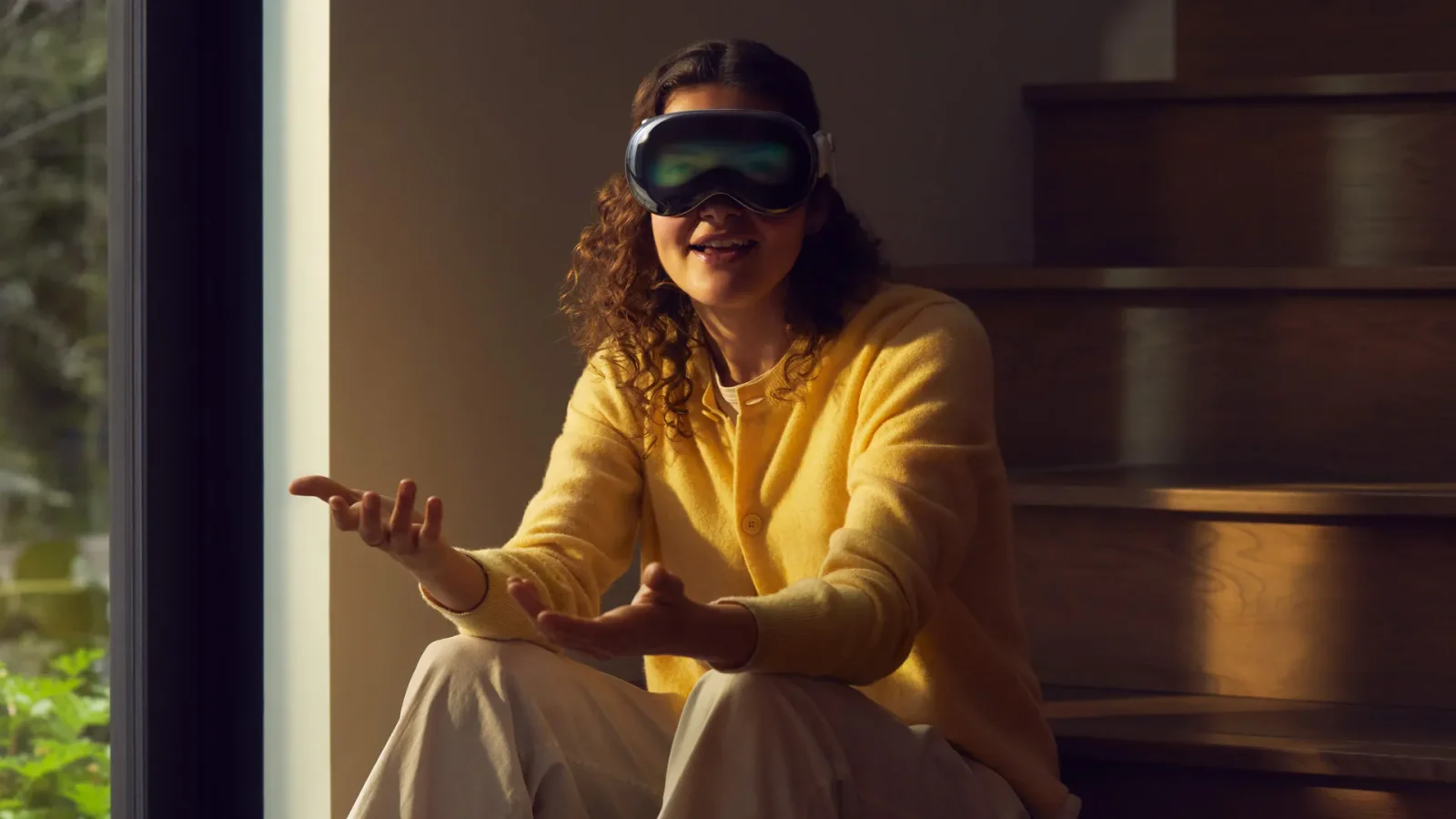
Former Oculus head Hugo Barra criticizes Apple's first-generation Vision Pro headset as an "over-engineered devkit" with excessive sensors, leading to a weight of over 600 grams and discomfort after 30-45 minutes of use. Barra suggests that the device is positioned as a high-quality devkit to prepare for a more mainstream Apple VR headset in the future. He also notes intentional blurriness to hide pixelation artifacts, but criticizes significant motion blur and image quality issues in passthrough mode. Apple is reportedly working on multiple new Apple Vision models, including a low-cost version and a second-generation version.
Meta will delete all Oculus accounts that are not migrated to a Meta account by March 29, resulting in the loss of access to games, DLC, achievements, and store credit. This move follows Meta's rebranding of Oculus to simplify its brand architecture and the introduction of Meta accounts as an alternative to logging in with a Facebook account. Users are advised to migrate their Oculus account to a Meta account using the same email address associated with their Oculus account for seamless transition.
Meta is set to delete all old Oculus accounts by the end of March, requiring users to migrate to a Meta account or lose access to purchased content, achievements, friends list, and more. This move severs another tie to the early days of Oculus, marking the end of a chapter for the VR platform and its ties to its legacy as a startup.
Legacy Oculus accounts must be migrated to Meta accounts by March 29, or users will lose access to purchased apps, games, and other account data. New Oculus VR headsets will require a Facebook account, and existing Oculus account support will end in 2023. Starting in August, Meta headsets will no longer require a Facebook account, and users can set up Meta accounts instead.
Meta, formerly known as Facebook, is shutting down three Oculus games, Dead and Buried, Dead and Buried II, and Bogo, without providing any explanation. This comes after the recent shutdown of Echo VR. The company has not addressed concerns about refunds or considerations for buyers. With several popular titles being abruptly removed, users may hesitate to purchase games on the Oculus platform in the future.
Meta CTO Andrew Bosworth reportedly advocated for canceling the Oculus standalone VR project in favor of PC-based VR, according to a report. However, Bosworth responded to the report, stating that it was inaccurate and misleading. He clarified that the company was not initially staffed to handle both mobile and PC VR, but both approaches were pursued at the insistence of Mark Zuckerberg. The report also highlights the development of Oculus Quest, which successfully combined the benefits of both PC and standalone VR. The article raises questions about the internal dynamics and decision-making within Meta's VR division.
Palmer Luckey, founder of Oculus VR, shared his thoughts on the Apple Vision Pro and Meta Quest Pro, stating that Apple is targeting the right market segment and that the high price of the Vision Pro doesn't matter for early adopters. He also criticized Meta for abandoning the high-end market too soon and pushing VR to go mainstream prematurely. Luckey highlighted the lack of demonstrations and applications for Quest Pro's eye tracking feature, suggesting that Meta missed an opportunity to showcase its potential. Overall, he expressed his belief that he would have made different decisions if he were still at Oculus.
Oculus founder Palmer Luckey shared his thoughts on Apple's Vision Pro mixed reality headset, stating that Apple is going after the right segment of the market and has done everything right. He praised the high-quality components and ergonomics of the $3,500 headset, emphasizing that it is meant to inspire desire in a larger group of people before becoming affordable. However, Luckey expressed his disagreement with Apple's decision to ship the headset without VR motion controllers and discussed the benefits of Apple's split configuration for future iterations of the device. He also highlighted the importance of clever marketing in normalizing AR/VR headsets.
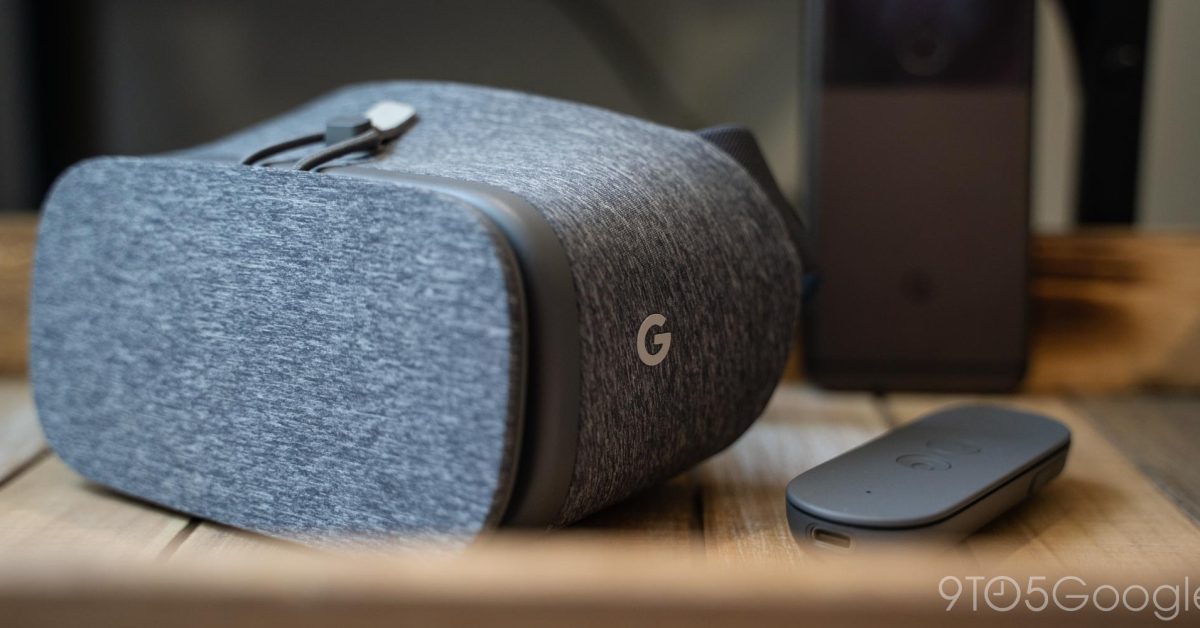
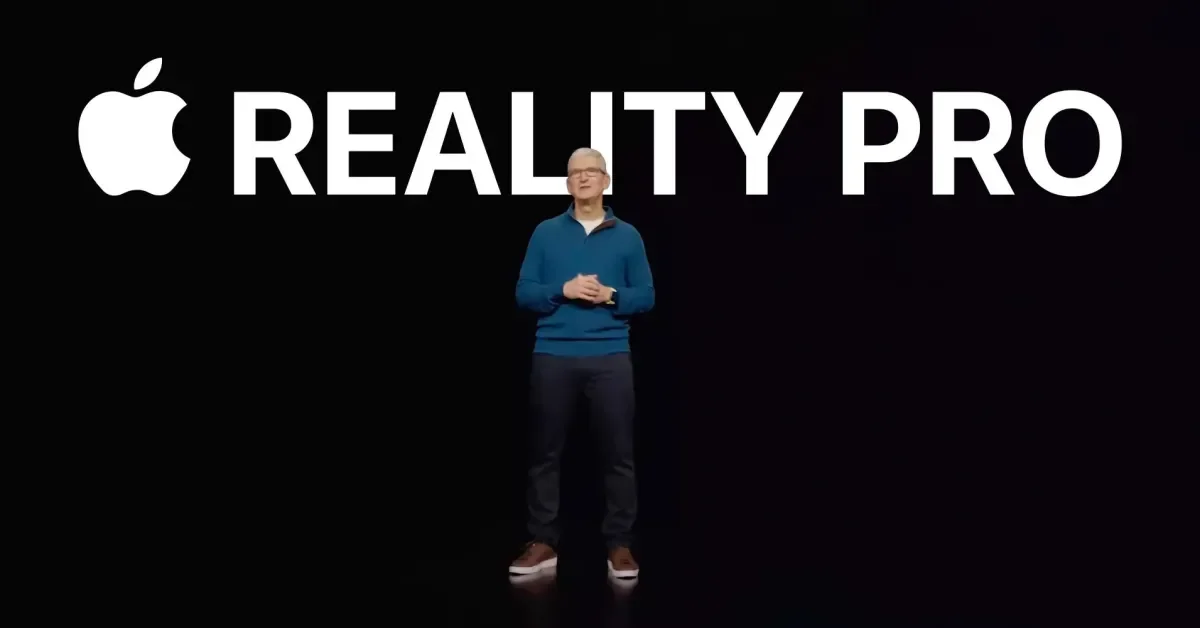
Google's Daydream VR platform, which debuted in 2016, has been removed from Android entirely due to lack of use. While the platform had good ideas on hardware and app support, it was limited compared to more immersive and affordable VR experiences like the Oculus Quest. With Apple's upcoming "Reality Pro" headset and Meta's Quest 3, Google's interest in VR and AR may be revived, as the company is confirmed to be working with Samsung on a mixed reality device expected to release later this year.
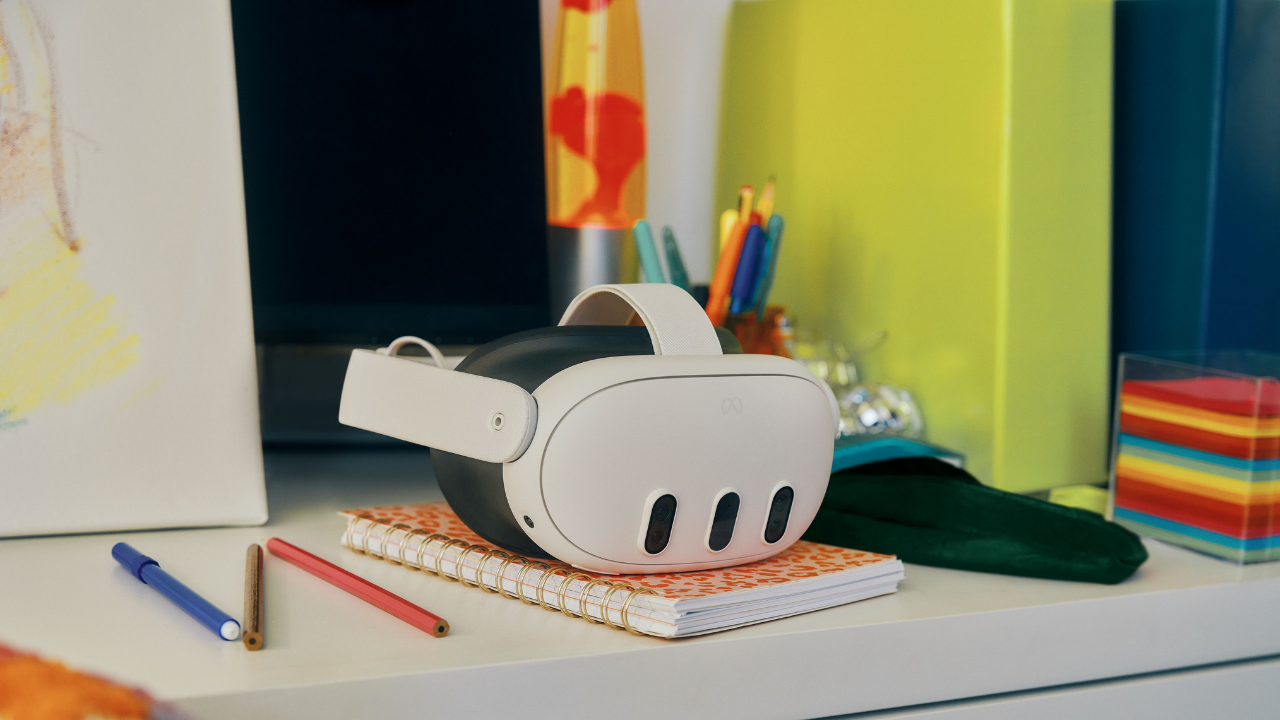
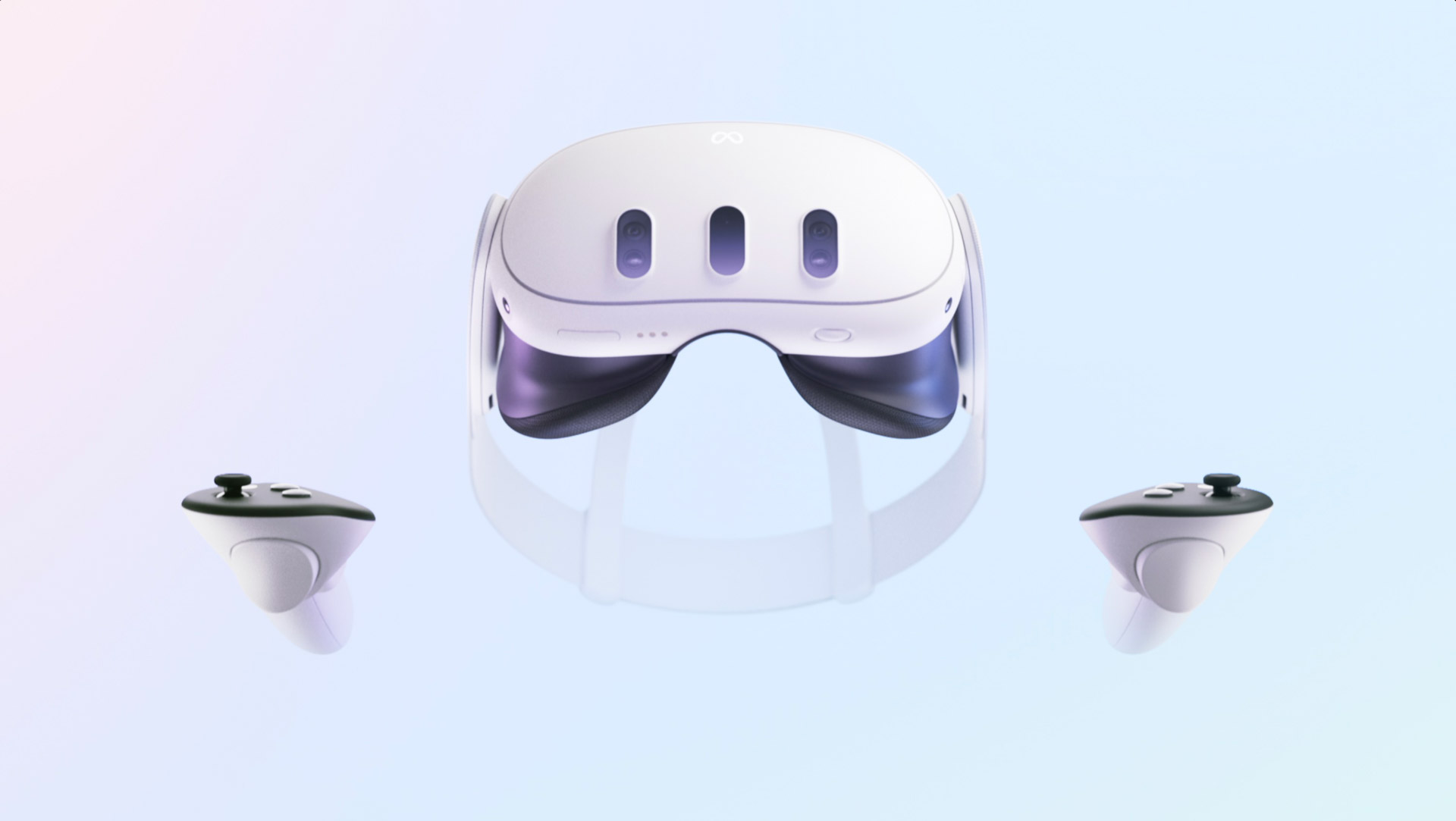
Quest 3 will continue to support Oculus Link and Air Link, allowing users to plug the headset into their PC to play top PC VR titles. This could be a lifeline for the PC VR space, which would otherwise be shrinking if not for a glut of Quest 2 users using their headset to play PC VR games.
Palmer Luckey, founder of Oculus, has praised Apple's highly-anticipated virtual and mixed reality headset in a cryptic tweet, saying "The Apple headset is so good." It is unclear whether Luckey has actually seen or used the headset, but testers have reportedly been left "blown away" by early demos. Apple is expected to officially announce the headset at WWDC on June 5, featuring advanced hand and eye tracking, ultra-high-resolution displays, and Apple's M2 chip, as well as more than a dozen cameras and sensors in the headset chassis.
Oculus founder Palmer Luckey tweeted that Apple's mixed-reality headset is "so good," giving weight to the long-rumored high-quality device. Luckey's previous involvement in VR headset technology adds gravitas to his statement, although it's unclear if he had hands-on experience with the headset. The headset is expected to be the main focus of WWDC 2023 and will feature high-resolution 8K displays, hand and eye tracking, and AR capabilities, with a price tag of around $3,000.